How do polycarbonate or resin grinding media compare to zirconia media for contamination control & milling purity?
Updated 4 months ago
Polycarbonate and resin grinding media offer the highest level of protection against metallic contamination because they are inherently metal-free. While zirconia media are ceramic-based and can introduce trace elements, they provide superior hardness and kinetic efficiency that can be optimized to achieve contamination levels nearly as low as polymer alternatives.
Core Takeaway: The choice between polymer and zirconia media depends on whether your process requires an absolute "zero-metal" environment or high-speed particle reduction. While resins guarantee no metallic impurities, zirconia offers a more efficient milling path if trace-level ceramic wear is acceptable.
The Chemistry of Contamination Control
Inherent Purity of Polymer Media
Polycarbonate and resin media are composed of organic polymers that do not contain metallic elements in their molecular structure. This makes them the primary choice for applications where even parts-per-billion (ppb) levels of metal ions would ruin the final product.
Because they are non-metallic, any wear debris generated during the milling process consists of organic matter. In many chemical or pharmaceutical processes, these organic fragments can be removed or neutralized more easily than heavy metal oxides.
Metallic Composition in Zirconia
Zirconia (ZrO2) is a high-performance ceramic, but it is fundamentally a metallic oxide. Under high-energy milling conditions, microscopic fragments of the media can wear off and enter the suspension.
Despite being a "metallic" material, zirconia is highly stable and wear-resistant. For many industrial applications, the amount of material shed is so negligible that it does not impact the final product’s specifications.
Balancing Purity and Kinetic Efficiency
The Advantage of Media Density
Zirconia is significantly denser than polycarbonate or resin. This higher mass allows zirconia beads to deliver much greater kinetic energy during collisions, leading to faster particle size reduction.
Polymer media, being lightweight, require longer milling times to achieve the same results. This extended processing time can sometimes lead to higher overall "organic" contamination due to the prolonged friction between the beads.
Optimization of Operating Parameters
Contamination from zirconia is not a fixed variable; it can be managed through machine calibration. By optimizing rotor speeds and bead loading, operators can minimize the energy of impact to a level that reduces wear while still outperforming polymer media in speed.
When a milling machine is perfectly tuned, the contamination levels of zirconia can approach the low levels of resin media. This allows manufacturers to benefit from the durability of ceramics without sacrificing significant purity.
Understanding the Trade-offs
The Risk of Organic Shedding
While polymer media avoid metal contamination, they are softer and generally have higher wear rates than zirconia. This means a larger volume of "plastic" debris may end up in your slurry compared to the volume of ceramic debris from zirconia.
If your application is sensitive to organic impurities or changes in carbon content, the high wear rate of resin media may be a significant disadvantage.
Temperature and Energy Limitations
Polycarbonate and resin media have lower thermal stability than zirconia. High-energy milling generates heat, which can soften or degrade polymer beads if not strictly managed with cooling systems.
Zirconia can withstand much higher temperatures and energy intensities. This makes it the more robust choice for aggressive milling tasks where rapid nano-sizing is the primary objective.
Making the Right Choice for Your Goal
To select the ideal media, you must define the specific "failure point" of your suspension’s purity.
- If your primary focus is absolute metal-free purity: Use polycarbonate or resin media to ensure that no metallic ions or oxides are introduced into the suspension.
- If your primary focus is maximum milling speed with high purity: Use zirconia media and invest time in optimizing your machine’s operating parameters to minimize media wear.
- If your primary focus is minimizing the total volume of debris: Use zirconia media, as its superior hardness leads to significantly lower volumetric wear compared to softer polymers.
Selecting the right media requires a strategic balance between the chemical requirements of your product and the mechanical realities of the milling process.
Summary Table:
| Feature | Polycarbonate/Resin Media | Zirconia (ZrO2) Media |
|---|---|---|
| Contamination Type | Organic (Metal-free) | Trace Metallic Oxide (Ceramic) |
| Milling Efficiency | Lower (Low density) | High (High kinetic energy) |
| Wear Rate | Relatively High | Extremely Low |
| Thermal Stability | Low (Sensitive to heat) | High (Withstands high energy) |
| Primary Application | ppb-level metal-free purity | Rapid nano-sizing & durability |
Elevate Your Material Purity with Precision Milling Solutions
Choosing the right grinding media is a critical step in ensuring the integrity of your advanced materials. At [Our Brand], we specialize in providing complete laboratory sample preparation solutions for material science, ensuring you never have to compromise between efficiency and contamination control.
Our extensive product line is designed to handle every stage of your workflow, including:
- Advanced Milling: Planetary ball mills, jet mills, disc mills, and cryogenic grinders for ultra-fine particle reduction.
- Sizing & Mixing: Vibratory/air-jet sieve shakers, test sieves, and high-performance powder mixers.
- Compaction & Pressing: A full spectrum of hydraulic presses, including Cold/Warm Isostatic Presses (CIP/WIP), vacuum hot presses, and XRF pellet presses.
- Primary Processing: Rugged jaw and roll crushers for initial sample reduction.
Ready to optimize your powder processing workflow? Contact our experts today to find the perfect equipment and media configuration for your specific research or production needs!
References
- Hironori Tanaka, Ken‐ichi Ogawara. Nanocrystal Preparation of Poorly Water-Soluble Drugs with Low Metal Contamination Using Optimized Bead-Milling Technology. DOI: 10.3390/pharmaceutics14122633
Mentioned Products
- Water Cooled Pulse Jet Ultrafine Grinder
- Laboratory Disc Mill Medium Hard Material Grinding Coal Coke Ore Pulverizer
- Water Cooled Airflow Ultra Fine Grinder for Low Temperature Material Processing
- Low Temperature Water Cooled Continuous Feed Grinder Two Stage Coarse and Fine Grinding System
- High Speed Swing Type Laboratory Pulverizer for Fine Powder Grinding and Sample Preparation
People Also Ask
- Why is high-efficiency ultra-fine grinding required for Portland cement before XRD? Get Accurate Rietveld Results
- Why is secondary jet milling necessary for products processed through HME? Achieve Precision for Inhalation Delivery
- Why is a jet mill used for the co-milling of inhalable Itraconazole microparticles? Optimize Pulmonary Drug Delivery
- What are the advantages of a jet mill vs. a ball mill for high-purity ceramics? Achieve superior purity and precision.
- What are the advantages of using a jet mill compared to a ball mill for Sm-Co magnets? Purity vs. Performance

Tech Team · PowderPreparation
Last updated on May 14, 2026
Related Products
Water Cooled Pulse Jet Ultrafine Grinder
Laboratory Disc Mill Medium Hard Material Grinding Coal Coke Ore Pulverizer
Water Cooled Airflow Ultra Fine Grinder for Low Temperature Material Processing
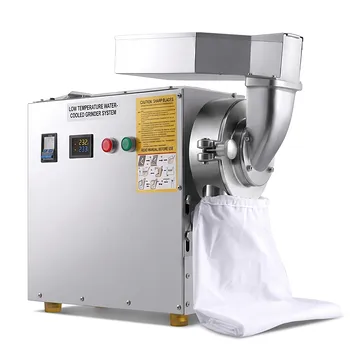
Low Temperature Water Cooled Continuous Feed Grinder Two Stage Coarse and Fine Grinding System
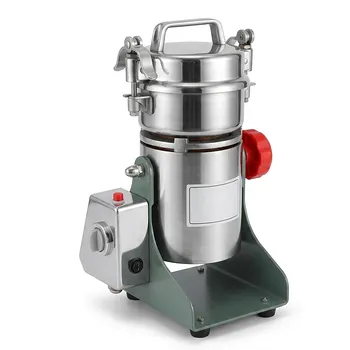
High Speed Swing Type Laboratory Pulverizer for Fine Powder Grinding and Sample Preparation
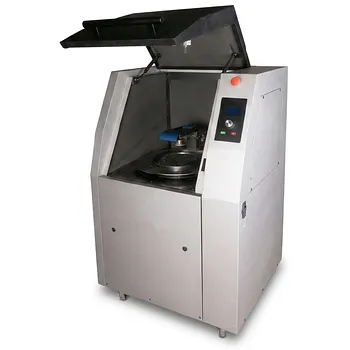
High Speed Vibratory Disc Mill for Spectral Analysis Sample Preparation and Rapid Powder Grinding
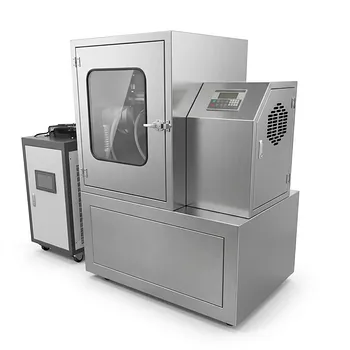
Vibratory Superfine Grinder for Ultra Fine Laboratory Powder Milling
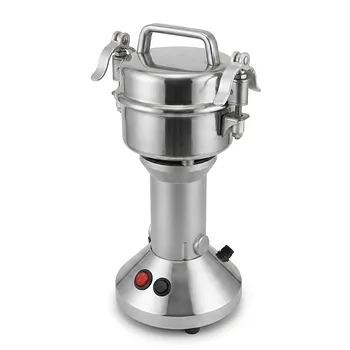
Continuous Feeding Grinding Mill for Dry Fibrous Tough and Hard Materials in Laboratory and Small Production
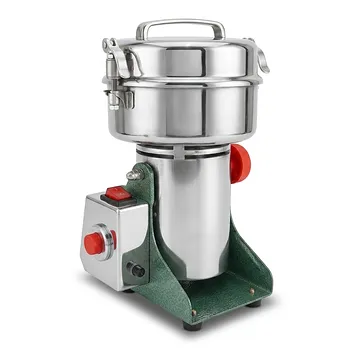
Small High-Speed Laboratory Grinder for Powder Processing
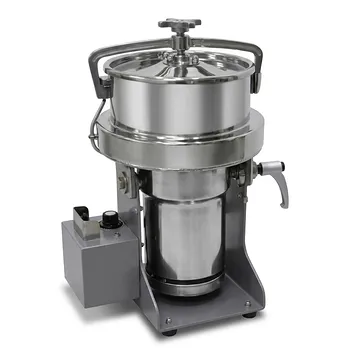
500g Capacity Water Cooled Low Temperature Grinder with Variable Speed and Safety Cover
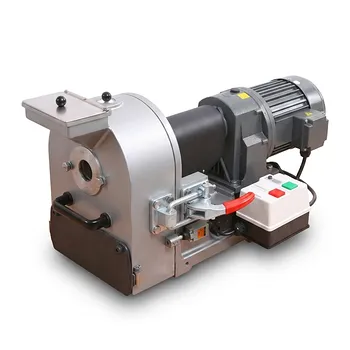
Laboratory Disc Mill for Fine Sample Preparation of Hard and Brittle Materials
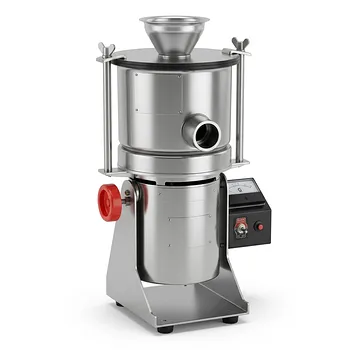
Laboratory Ultrafine Impact and Airflow Grinder for Precise Particle Size Control
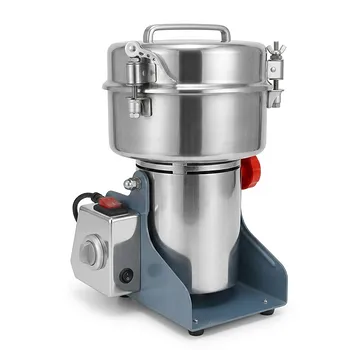
Small High-Speed Grinder for Efficient Laboratory Sample Preparation
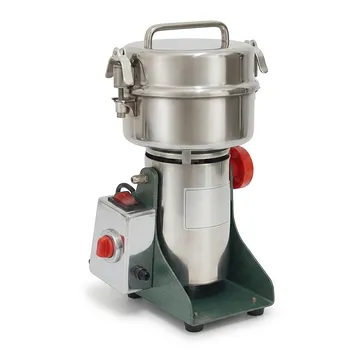
Small High Speed Grinder for Laboratory Sample Preparation
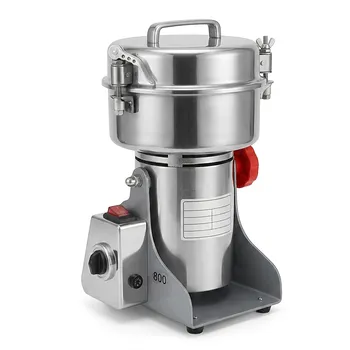
Small High-Speed Laboratory Grinder for Rapid Sample Preparation
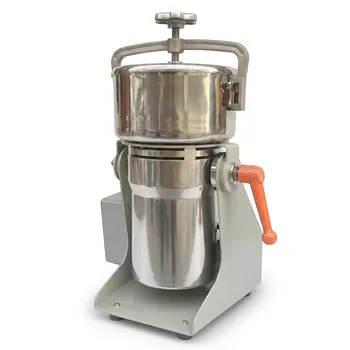
High Speed Laboratory Grinder Efficient Stainless Steel Powder Pulverizer Universal Material Science Mill for Sample Preparation
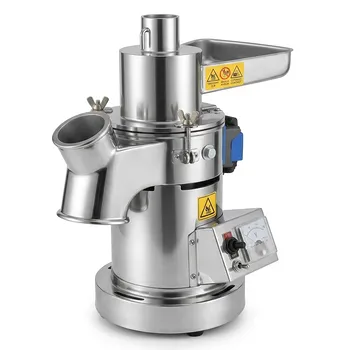
Continuous Feeding Grinder High Efficiency Pulverizer for Lab Sample Preparation
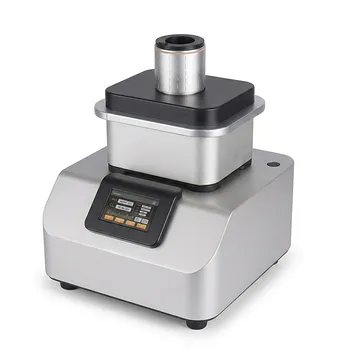
Ultra Centrifugal Mill High Speed Laboratory Grinder for Fibrous and Brittle Sample Preparation
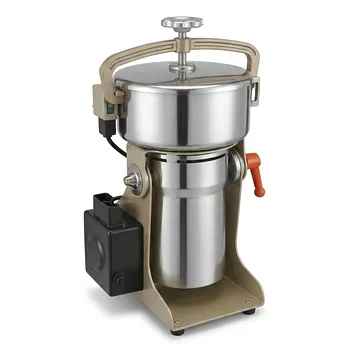
Multifunctional High Efficiency High Speed Laboratory Grinder