How are industrial grinders and 100-mesh test sieves applied in the post-processing of chili powder? Precision Results
Updated 4 months ago
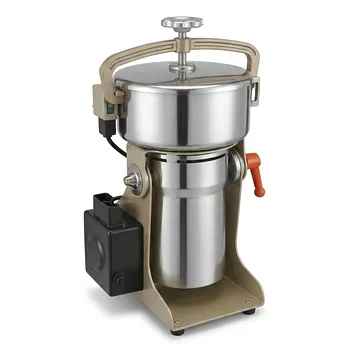
Industrial grinders and 100-mesh test sieves function as the final refinement stage in chili powder production. These tools work in tandem to transform coarse, dried foam flakes into a standardized fine powder through a two-step process of mechanical reduction and precise classification. This ensures the final product meets strict quality standards for texture, solubility, and aesthetic appeal.
The combination of industrial grinding and 100-mesh sieving is essential for achieving particle uniformity, which directly dictates the color intensity, dissolution speed, and mouthfeel of the chili powder.
The Role of Industrial Grinders in Particle Reduction
Transforming Dried Foam Flakes
The process begins with industrial grinders that take porous, dried foam flakes and apply mechanical force to break them down. This step is critical for moving from a raw, brittle state to a manageable, granular powder form.
Maximizing Surface Area
By reducing the material to a fine powder, the grinder significantly increases the total surface area of the chili placenta. This preparation is vital for ensuring the powder interacts correctly with other ingredients in food systems.
The Precision of 100-Mesh Test Sieves
Particle Size Classification
After grinding, a 100-mesh standard test sieve acts as a definitive quality control gate. It filters the material to ensure that only particles smaller than approximately 149 microns pass through to the final packaging stage.
Eliminating Gritty Textures
The primary function of the sieve is to remove oversized particles that escaped the grinding process. Eliminating these larger fragments prevents an unpleasant, "gritty" mouthfeel, ensuring a smooth and premium consumer experience.
Quality Impact on the Final Product
Uniform Color Distribution
Consistent particle sizes lead to even light reflection and pigment dispersion. This results in a vibrant, uniform color across the entire batch, which is a key indicator of quality for chili products.
Predictable Dissolution Rates
Smaller, uniform particles disperse and dissolve more reliably in liquid applications. This predictability is essential for industrial food manufacturing, where consistency in flavor release and texture is non-negotiable.
Understanding Process Trade-offs and Pitfalls
Heat Generation During Grinding
Industrial grinders can generate significant frictional heat, which may degrade volatile oils and sensitive color pigments. Operators must often monitor temperatures or use cooling systems to preserve the chili's potency and hue.
Sieve Blinding and Oil Content
High-oil materials like chili can cause sieve blinding, where the mesh openings become clogged. Regular cleaning protocols and de-blinding accessories are necessary to maintain a steady throughput and accurate classification.
Optimizing Your Powder Refinement Process
To achieve the best results in your post-processing line, consider the specific requirements of your end product:
- If your primary focus is mouthfeel and texture: Prioritize the 100-mesh sieve as a strict "safety" screen to catch all particles that could cause grittiness.
- If your primary focus is visual consistency: Calibrate the industrial grinder to produce a narrow particle size distribution to ensure even color across every batch.
- If your primary focus is rapid solubility: Aim for a high percentage of "fines" that pass easily through the mesh, as the increased surface area will accelerate the dissolution rate.
Mastering the balance between mechanical reduction and precise filtration is the definitive way to ensure a high-quality, standardized chili powder.
Summary Table:
| Tool | Primary Function | Key Impact on Quality |
|---|---|---|
| Industrial Grinder | Mechanical reduction of dried flakes | Maximizes surface area and enhances color intensity |
| 100-Mesh Sieve | Precision classification (<149 microns) | Eliminates gritty texture and ensures uniform mouthfeel |
| Integrated Process | Standardization of particle distribution | Ensures predictable dissolution and consistent flavor release |
Elevate Your Powder Processing with Precision Solutions
Achieve superior consistency and quality in your production line with [Brand Name]. We provide complete laboratory sample preparation solutions tailored for material science and advanced food processing. Whether you are refining spices or engineering advanced materials, our expertise in powder processing ensures your final product meets the highest standards.
Our extensive equipment line includes:
- Grinding & Milling: High-performance mills (planetary ball, jet, sand/bead, disc, rotor), liquid nitrogen cryogenic grinders, and robust crushers (jaw/roll).
- Classification: Precision sieve shakers (vibratory/air-jet) and a full range of standardized test sieves.
- Compaction & Mixing: Powder mixers, defoaming mixers, and a full spectrum of hydraulic presses, including Cold/Warm Isostatic Presses (CIP/WIP), XRF pellet presses, and vacuum hot presses.
Optimize your texture, color, and uniformity today. Contact our specialists for a tailored solution and see how our equipment can transform your processing efficiency.
References
- Effects of Foaming Agents on the Properties of Foam-mat Dried Spicy Seasoning Powder from Chili Placenta. DOI: 10.47278/journal.ijab/2025.127
Mentioned Products
- High Speed Laboratory Powder Grinder Small Batch Sample Preparation Mill
- Laboratory Desktop Ultra Fine Powder Grinder High Speed Micronizing Pulverizer
- Air Guided Ultrafine Pulverizer High Speed Laboratory Powder Grinder for Chemical and Material Processing
- Small High-Speed Laboratory Grinder for Powder Processing
- Universal Laboratory Pulverizer Grinder for Small Batch Powder Processing and Material Science Research
People Also Ask
- What role does a laboratory grinder play in the pretreatment of sunflower seed shell-based adsorbents? Boost Efficiency.
- How does a laboratory grinder or mill enhance the adsorption performance of agricultural waste materials? Boost Surface Area
- What is the function of a laboratory high-speed pulverizer in the preparation of eggshell powder? Essential Pretreatment
- What is the role of laboratory grinding equipment in the preparation of waste glass powder for eco-friendly red bricks?
- Why is grinding equipment necessary for SnO2-Sb2O3 xerogels? Maximize surface area and photocatalytic activity.

Tech Team · PowderPreparation
Last updated on May 14, 2026
Related Products
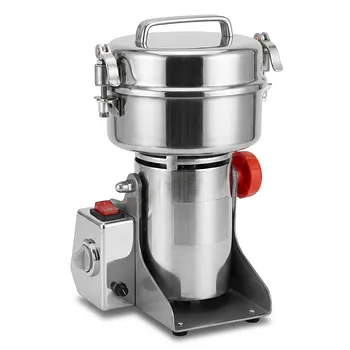
High Speed Laboratory Powder Grinder Small Batch Sample Preparation Mill
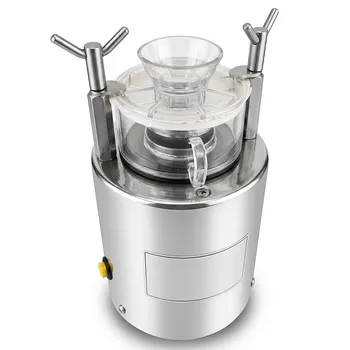
Laboratory Desktop Ultra Fine Powder Grinder High Speed Micronizing Pulverizer
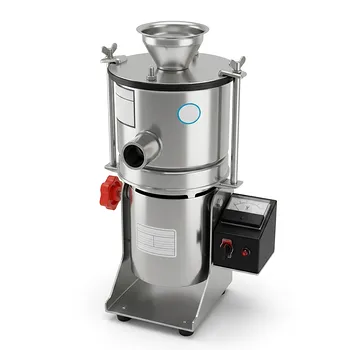
Air Guided Ultrafine Pulverizer High Speed Laboratory Powder Grinder for Chemical and Material Processing
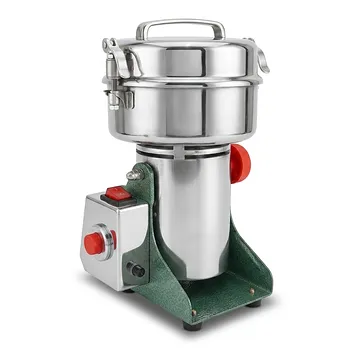
Small High-Speed Laboratory Grinder for Powder Processing
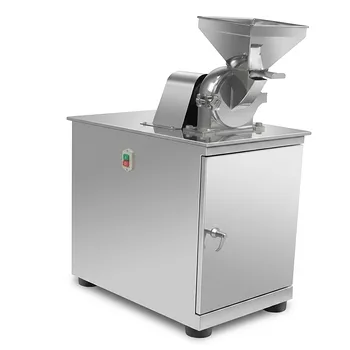
Universal Laboratory Pulverizer Grinder for Small Batch Powder Processing and Material Science Research
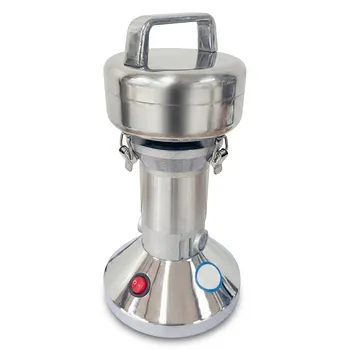
Small Trace Sample High Speed Pulverizer Grinder Laboratory Powder Mill
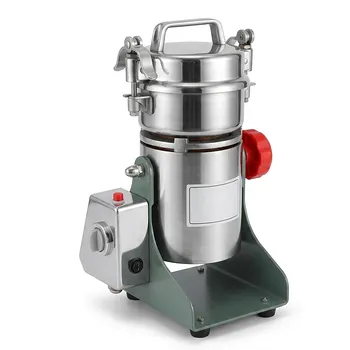
High Speed Swing Type Laboratory Pulverizer for Fine Powder Grinding and Sample Preparation
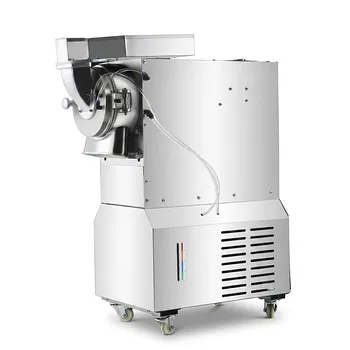
Water Cooled Continuous Feed Pulverizer Laboratory Grade Herb and Material Grinding System
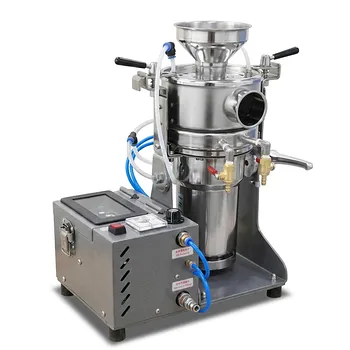
Water Cooled Pulse Jet Ultrafine Grinder
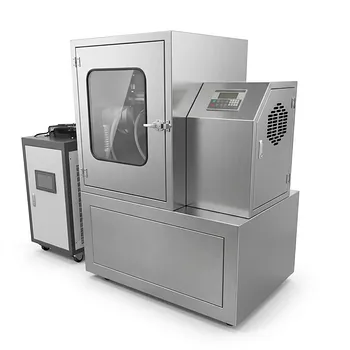
Vibratory Superfine Grinder for Ultra Fine Laboratory Powder Milling
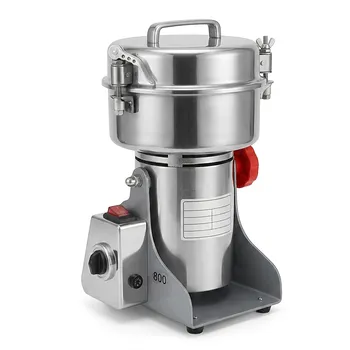
Small High-Speed Laboratory Grinder for Rapid Sample Preparation
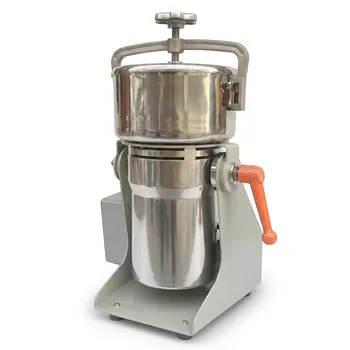
High Speed Laboratory Grinder Efficient Stainless Steel Powder Pulverizer Universal Material Science Mill for Sample Preparation
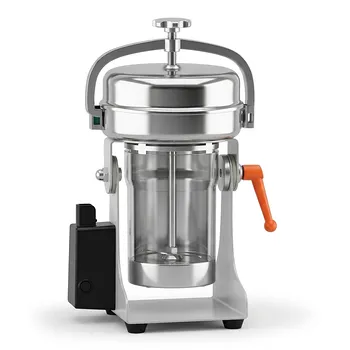
High Efficiency High Speed Grinder 2200W 25000 RPM Laboratory Sample Preparation
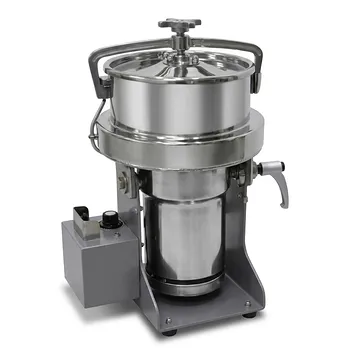
500g Capacity Water Cooled Low Temperature Grinder with Variable Speed and Safety Cover
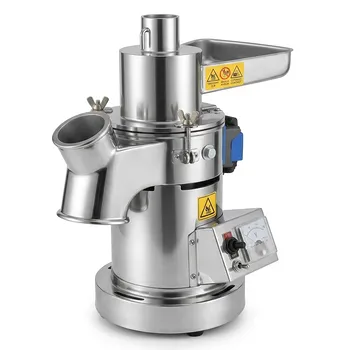
Continuous Feeding Grinder High Efficiency Pulverizer for Lab Sample Preparation
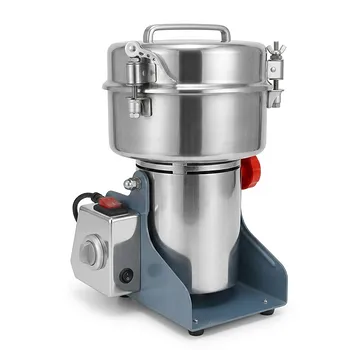
Small High-Speed Grinder for Efficient Laboratory Sample Preparation
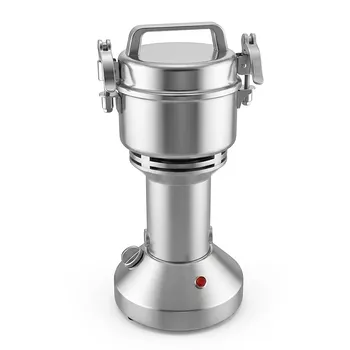
Small High Speed Upright Grinder for Laboratory Sample Preparation
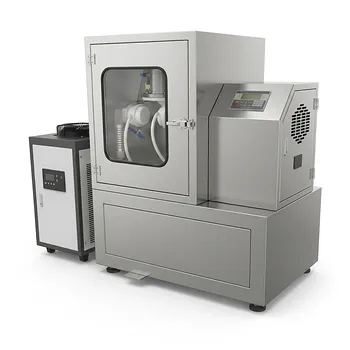
Vibratory Ultra-Low Temperature Ultrafine Grinder for Cryogenic Powder Processing
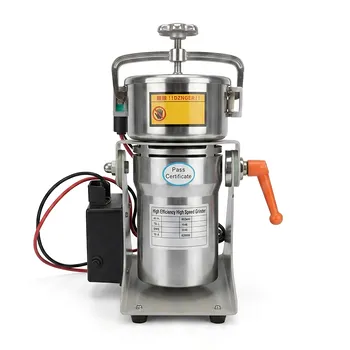
High Efficiency High Speed Grinder Laboratory Mill 1300W 25000rpm