The Invisible Architect of Powder: How a Single Additive Saves Ductile Metals from Themselves
Sep 06, 2026
The Morning the Mill Stopped Working
You knew something was wrong the moment you opened the lid. Instead of the soft, silvery cascade of fine aluminum powder you expected, the jar presented a disaster: a thick, metallic skin coating the walls, the grinding balls cemented together in a greasy lump, and the yield—maybe a few grams of usable material. The experiment wasn’t just delayed. The mill itself was now a patient on the table.
This isn’t a freak accident. It’s the default future of every ductile powder subjected to high‑energy mechanical milling without a process control agent. When a material like aluminum enters a planetary ball mill, it doesn’t simply break. It fights the process with a biological stubbornness, using its own malleability to weld itself into oblivion. The fix isn’t more power or finer balls. It’s a chemical mediator that understands the physics better than we do.
The Fundamental Paradox of Milling Ductile Metals
High‑energy milling is a competition, not a single action. Every impact between a grinding ball and a powder particle presents two possible outcomes: cold‑welding or fracture. In brittle materials, fracture wins easily. The particle shatters, and you get a finer powder. In ductile metals like aluminum, copper, or magnesium, cold‑welding dominates. The fresh, atomically clean surfaces created by impact immediately fuse together before they can shrink.
Without intervention, the process runs backward. Particles grow into platelets, then into large agglomerates, until the entire charge becomes a single, unmillable mass. The early days of mechanical alloying were littered with such failures—a graveyard of fused jars and 0% yields that looked more like welding projects than powder production.
The Surface‑Energy Engine
To understand why a simple additive rewrites the story, you have to see the particle surface as an engine with its own thermodynamic desires. When a grinding ball fractures a ductile particle, it tears covalent bonds open and leaves behind dangling, high‑energy sites. These sites seek immediate stabilization. In the absence of anything else, they find the nearest partner—another particle’s fresh surface—and weld.
A process control agent (PCA) absorbs onto those high‑energy sites before they can find each other. Typically a liquid like n‑heptane, alcohol, or a specialized surfactant, the PCA delivers a thin monomolecular layer that lowers the surface energy by orders of magnitude. The particle still wants to stabilize, but now it’s satisfied interacting with the organic film rather than fusing with a neighbor. The energy of the mill no longer feeds growth. It gets channeled into fracture.
How a PCA Acts as a Translator
Think of the PCA as a chemical translator that reinterprets the violent language of ball‑to‑powder impacts. It doesn’t change the force; it changes what the force means to the material.
Suppressing Cold‑Welding
The PCA provides a steric barrier. Even when two particles are pressed together under enormous localized pressure, the organic film prevents the electron‑sharing that constitutes metallic bonding. They touch, but they don’t merge.
Promoting Fracture
By lowering the surface energy required to create new cracks, the additive makes it thermodynamically cheaper for a particle to split. The same impact that once would have flattened a flake now propagates a brittle crack through it.
Maintaining Dispersion
Reduced “stickiness” means particles don’t clump into grape‑like agglomerates. They remain individually suspended in the milling zone, ensuring that every component in a composite blend sees the same mechanical work.
These three mechanisms run in parallel, and together they transform a sticky, unmanageable metal into a fine, uniform powder. The PCA doesn’t just solve a mess—it enables entirely new pathways of microstructure refinement.
The Hidden Payoffs: Yield, Equipment, and Sanity
If you’ve ever spent an afternoon chiseling cold‑welded aluminum off a jar wall, you already understand the first hidden value of a PCA: it protects the equipment. Ductile metals, left unchecked, don’t just weld to themselves. They weld to the grinding balls, the inner jar surfaces, and even the sealing gaskets. The result is a running machine that is effectively machining itself into a different geometry, losing energy and risking catastrophic jams.
The yield number might be the most honest metric on the lab bench. Without a PCA, a 100‑gram charge of aluminum powder might return 30 grams after scraping and sieving. The rest is lost as a permanent coating. A correctly dosed PCA keeps the powder in the milling zone, where it can be recovered. When you design experiments around precious precursor materials or scarce alloys, that 70% difference isn’t an inconvenience—it’s the difference between feasibility and fantasy.
And there’s a psychological layer, too. A process that produces a clean, free‑flowing powder with high recovery feels like a transaction you can trust. A process that produces a welded brick feels like a betrayal. The PCA is an insurance policy against the quiet despair of opening a jar and seeing the work of hours undone by basic metallurgy.
The Trade‑off We Don’t Talk About
No chemical intervention is free. The organic PCA that saves your yield is also a source of contamination. Under the intense mechanical and thermal conditions of high‑energy milling, PCAs can decompose, leaving behind carbon, oxygen, or hydrogen embedded in the metal lattice. For structural alloys that will be sintered or hot‑pressed into load‑bearing components, those residual atoms can pin grain boundaries, induce porosity, or embrittle the final part.
Removal becomes a second process. Degassing under vacuum, solvent washing, or controlled oxidation cycles are often necessary. The choice of PCA matters enormously here: a low‑boiling‑point alcohol may be easier to strip than a heavy surfactant, but it might also be less effective at suppressing welding during long, hot runs.
Then there’s the dosing paradox. Too little PCA, and clumping returns with a vengeance. Too much, and the powder becomes so finely dispersed, so starved of any cohesive force, that it can behave like a pyrophoric dust cloud the instant it meets air. Handling becomes a safety protocol, not just a step.
This is the real art. The PCA is a scalpel, not a sledgehammer. Using it well requires understanding your own mill’s energy profile, your material’s surface chemistry, and the downstream processes that will inherit the powder.
Beyond the Additive: Why the Right Machine Matters
A PCA can only do its job if the milling system lets it. The best‑chosen additive, perfectly dosed, will still fail in a mill that can’t distribute it uniformly or can’t control the atmosphere inside the jar. The additive and the machine are partners in a single event.
This is where precision‑engineered milling equipment stops being a commodity and starts being an enabling technology. A mill designed with gas‑tight seals allows you to work under an inert atmosphere, preventing oxygen from competing with your PCA for surface sites. Precise speed and energy control lets you tune the balance of welding and fracturing so the PCA’s work isn’t undone by a single over‑energetic collision.
Our laboratory sample preparation solutions are built around this exact systems thinking. When you’re milling ductile aluminum or developing a new composite, the equipment must match the sophistication of your chemistry:
- High‑energy planetary ball mills deliver the intense impact energy required for cold‑welding suppression, with programmable cycles that avoid thermal runaway.
- Liquid nitrogen cryogenic grinders embrittle ductile metals before they ever enter the mill, reducing the burden on the PCA and preserving ultimate purity.
- Jet mills offer an entirely alternative path, using particle‑on‑particle impact that inherently minimizes contamination and allows the PCA strategy to be simplified.
The machine doesn’t replace the PCA. It amplifies what the PCA can achieve.
From Powder to Part: Completing the Loop
The story rarely ends with a fine powder. Most materials need to be consolidated—pressed, sintered, or hot‑worked—into a usable form. The ghost of the PCA can haunt this stage, too. Residual organic traces can vaporize during heating and leave behind pores that compromise density. A poorly degassed powder can turn a high‑pressure compaction step into a source of internal defects rather than healing.
This is why we see sample preparation not as a collection of isolated tools, but as a single workflow from raw chunk to test‑ready pellet or billet. The hydraulic press you choose becomes the final validator of everything the PCA and the mill achieved:
- Vacuum hot presses apply heat and compaction force simultaneously inside a sealed chamber, actively removing volatile PCA residues while densifying the powder into a near‑net‑shape part.
- Cold and warm isostatic presses (CIP/WIP) use fluid pressure to compact powders uniformly from all directions, ensuring that any minor heterogeneities introduced during milling don’t become stress concentrators in the final component.
- XRF pellet presses deliver the perfectly flat, homogeneous surface required for reliable spectroscopic analysis—a direct check on whether the PCA contaminated the chemistry beyond acceptable limits.
The connection is elegant: a properly dosed PCA in a controlled‑atmosphere mill produces a powder with exactly the size distribution and purity profile you intended. Then a precision press, matched to the material’s sensitivity, locks that quality into a solid. No translation errors, no silent degradations.
The Engineer’s Checklist for Milling Ductile Powders
Before you start the next run, here’s the mental framework that fuses chemistry, mechanics, and equipment into a single reliable sequence:
| Stage | Critical Factor | Equipment Lever |
|---|---|---|
| Pre‑milling | Break down initial ductility | Jaw crushers or cryogenic pre‑cooling |
| Milling | Balance welding/fracture with PCA | High‑energy planetary ball mill with sealed jars |
| Size verification | Confirm dispersion and fineness | Air‑jet or vibratory sieve shakers |
| PCA removal | Eliminate contaminants before compaction | Vacuum degassing or solvent washing in conjunction with hot press cycles |
| Compaction | Densify without reintroducing defects | Cold/warm isostatic presses or vacuum hot presses |
| Quality control | Check composition and homogeneity | XRF analysis on perfectly flat pressed pellets |
This isn’t a recipe. It’s a logic that reduces the chaotic marriage of ductile metals and high‑energy mills to a repeatable, engineerable process.
The next time you open a milling jar and see a clean, flowing powder rather than a stubbornly welded crust, you’ll know you’ve done more than avoid a cleanup. You’ve aligned the chemical and mechanical worlds into a single, trustworthy system. And if you need that system tuned to the specific metal or composite on your bench, our specialists can help you configure the complete line—from crusher to isostatic press—so that no jar ever sits cold and welded again. Contact Our Experts
Quick Links
Suggested Products
Automatic Vibrating Powder Feeder for Laboratory Material Processing Precision Vibratory Hopper Feeder for Granular and Powder Material Handling Industrial Grade Vibrating Tray Feeder for Consistent Material Sample Preparation Small Swing Granulator Efficient Powder Granulation for Pharmaceutical Chemical Food Industries Small Laboratory Oscillating Granulator for Wet and Dry Granulation Processing Laboratory Air Jet Sieving Machine for Fine Powder Particle Size Analysis and Deagglomeration Manual Tablet Press with Dual Scale Pressure Gauge for Pharmaceutical Food Chemical Laboratory Sample PreparationFurther Reading
The Micrometer Trigger: Why a Laboratory Powder Mixer Defines Effervescent Tablet Success The Sieve That Builds Homes: Why a Vibratory Shaker Separates Good Bricks from Rubble When Trace Elements Dictate Strength: Mastering the Mixing of NiTiZn Alloys for Additive Manufacturing The Sledgehammer Before the Scalpel: Why Pre-Pulverization Decides the Fate of Your Advanced Ceramic The Invisible Variable: Why Your Soil Test Data Is Lying to You
PowderPreparation
Last updated on May 14, 2026
Related Products
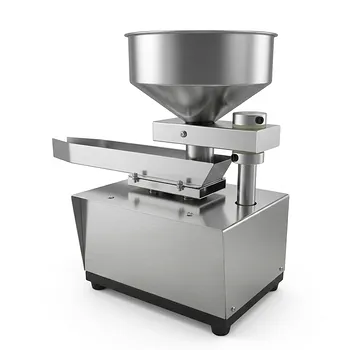
Automatic Vibrating Powder Feeder for Laboratory Material Processing Precision Vibratory Hopper Feeder for Granular and Powder Material Handling Industrial Grade Vibrating Tray Feeder for Consistent Material Sample Preparation
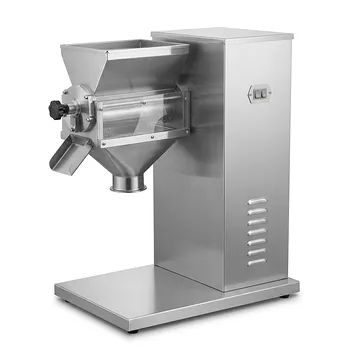
Small Swing Granulator Efficient Powder Granulation for Pharmaceutical Chemical Food Industries
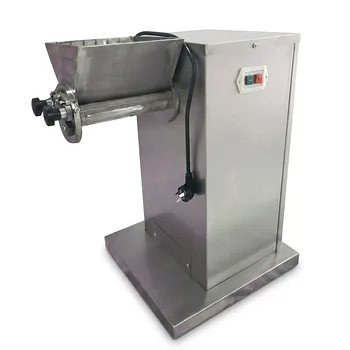
Small Laboratory Oscillating Granulator for Wet and Dry Granulation Processing
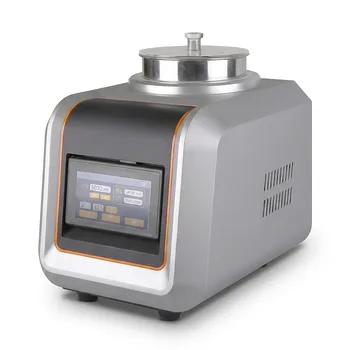
Laboratory Air Jet Sieving Machine for Fine Powder Particle Size Analysis and Deagglomeration
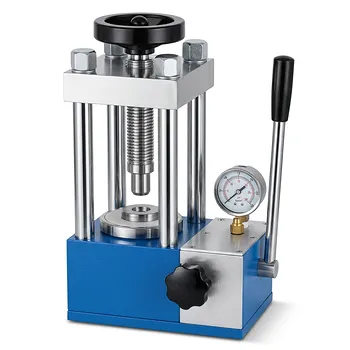
Manual Tablet Press with Dual Scale Pressure Gauge for Pharmaceutical Food Chemical Laboratory Sample Preparation
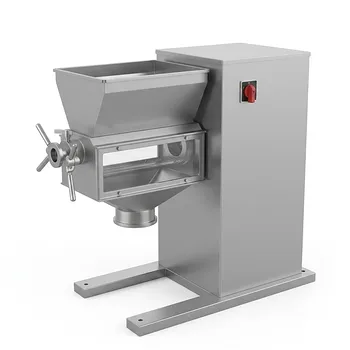
Industrial Swing Granulator for Powder Processing in Pharma Food and Chemical Industries
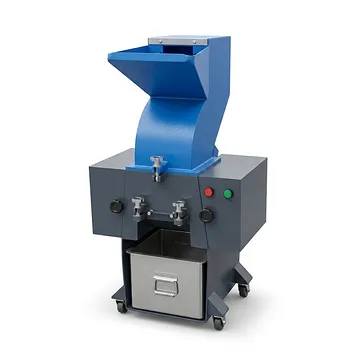
Heavy-Duty Crusher for Laboratory and Industrial Material Size Reduction
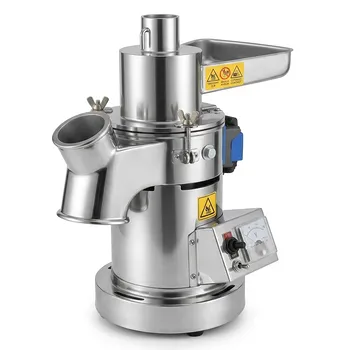
Continuous Feeding Grinder High Efficiency Pulverizer for Lab Sample Preparation
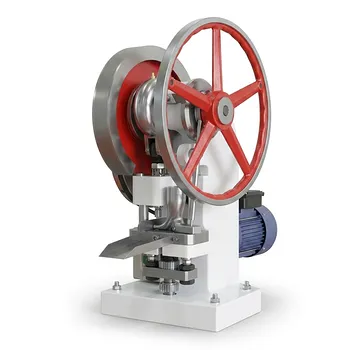
5 Ton Single Punch Tablet Press Laboratory Small Batch Production
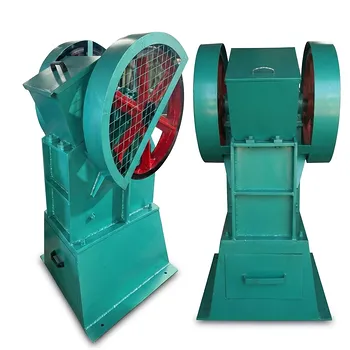
Sealed Jaw Crusher for Laboratory Material Crushing and Sample Preparation
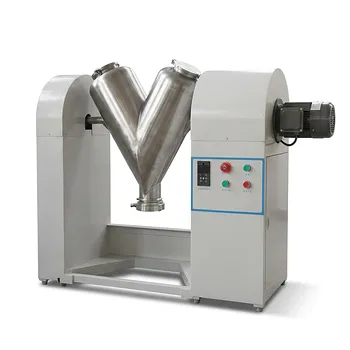
V-Type Powder Mixer for Uniform Blending of Dry Powders and Granules
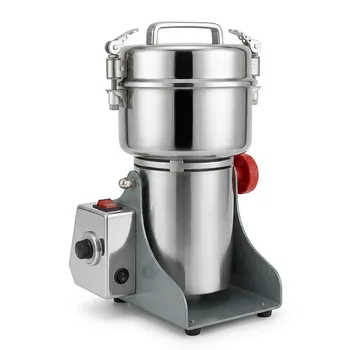
Versatile Industrial Crusher for Laboratory Crushing and Material Processing
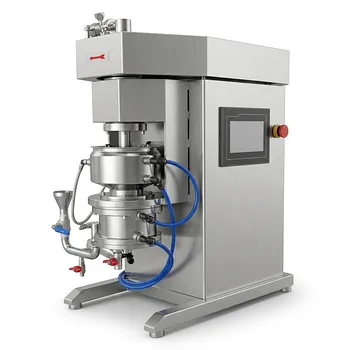
Small Ceramic Structure Laboratory Sand Mill Nanoscale Grinding Dispersion Equipment Seal-less Screen-less Design
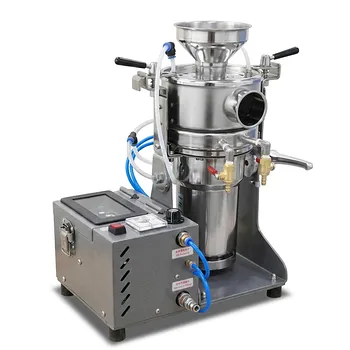
Water Cooled Pulse Jet Ultrafine Grinder
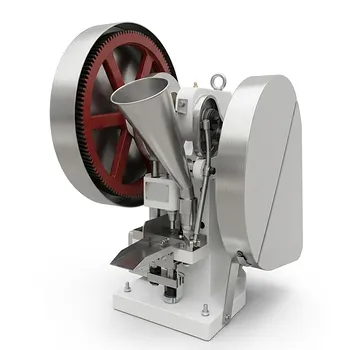
6-Ton Small Single-Punch Tablet Press — Laboratory Powder & Granule Tableting Equipment / Tablet Forming Machine
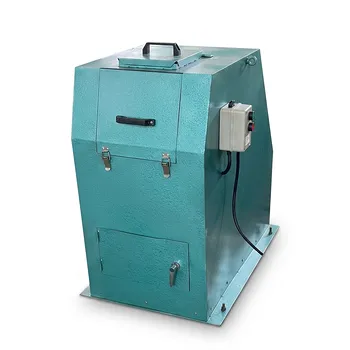
Environmentally Friendly Sealed Laboratory Jaw Crusher for Sample Preparation
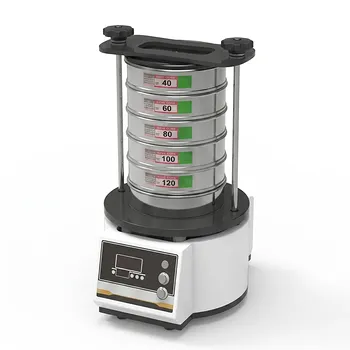
Dry Three Dimensional Vibratory Sieve Shaker
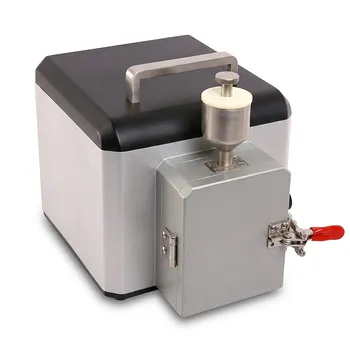
Portable Cutting Mill for Laboratory Sample Preparation and RoHS WEEE Compliance Testing
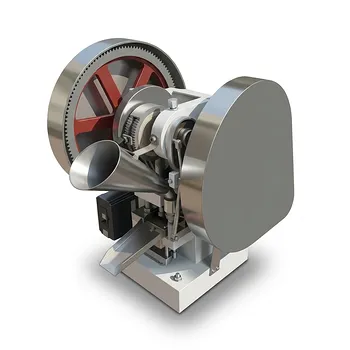
6 Ton Variable Frequency Single Punch Tablet Press