The Hidden Lever in Ceramic Composites: Why High-Energy Grinding Separates Breakthroughs from Bench Failures
Jun 12, 2026
Two Powders, Two Futures
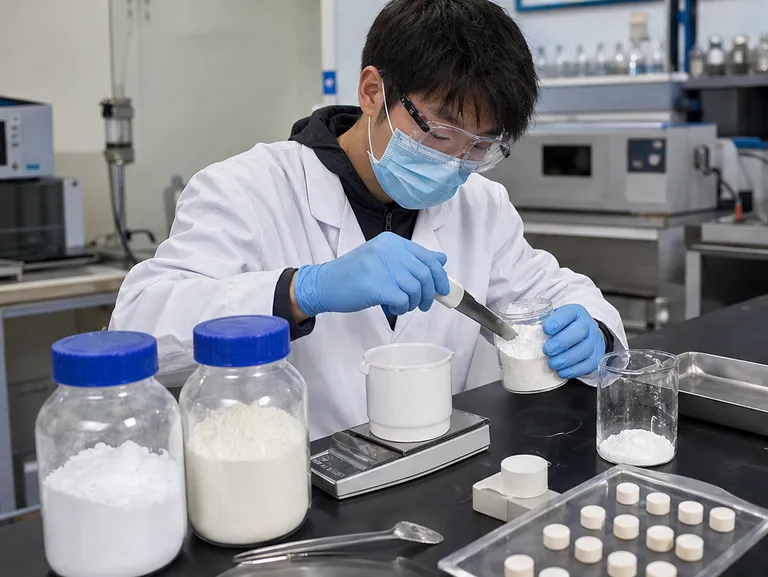
Place two identical green bodies into a furnace. Apply the same thermal profile. One emerges with a dense, fine-grained microstructure that resists crack propagation like a forged alloy. The other looks the part but fractures under a load that should have been trivial.
The difference wasn’t the composition. It wasn’t the furnace. It was what happened hours before, inside a milling jar that most technicians treat as a glorified blender.
In advanced ceramic composites—specifically alumina reinforced with ceria-stabilized zirconia (Ce-TZP)—the mixing step is not a formality. It is a thermodynamic intervention disguised as a mechanical operation.
The Blind Spot in Materials Engineering
We have a bias toward the visible. When a ceramic part fails, we autopsy the sintering cycle, question the purity of precursors, or blame operator error. We rarely interrogate the homogeneity of the green powder because, to the human eye, a well-mixed powder and a poorly-mixed one look identical.
That invisibility is expensive.
Poor dispersion doesn’t announce itself until the microstructure reveals islands of zirconia agglomerates—stress concentrators that turn a toughened composite into a brittle monolith. The tragedy is that the failure was baked in before the first pellet was pressed.
Mixing Is Not Blending
Traditional powder mixing operates on a lottery principle. You rotate a container, let gravity and time do the work, and hope that statistical randomness produces a uniform distribution. For many legacy ceramics, this works just well enough.
For a system like Al2O3/Ce-TZP, where the reinforcing phase must sit at grain boundaries with sub-micron precision, statistical mixing is a gamble with poor odds.
The Segregation Problem
Different powders have different densities. In a low-energy mixer, Ce-TZP particles settle while alumina floats. What you scoop from the top is not what you scoop from the bottom. The reinforcing phase becomes a geographical feature of your container, not a distributed attribute of your composite.
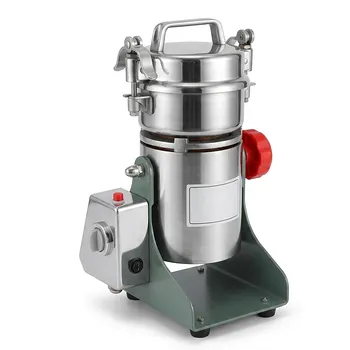
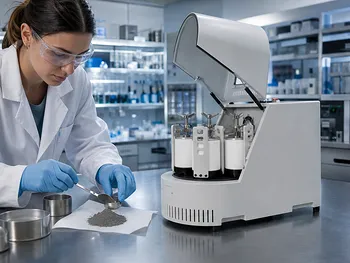
High-energy grinding equipment—planetary ball mills, high-energy friction mills, jet mills—disrupts this segregation by imposing forces that overwhelm gravity. The grinding media doesn't just tumble; it accelerates, collides, and shears. Every particle, regardless of its density, is caught in the same mechanical storm.
The Mechanochemical Lever
Here is where the psychology of process design often fails. Engineers treat grinding as a size-reduction step. Material scientists treat it as an activation step.
Both are right. The magic is in the overlap.
Refinement Beyond the Micron
High-energy mills reduce alumina and Ce-TZP particles to the ultra-fine and nano-scale ranges. This is the obvious benefit. What’s less obvious is that every fracture event creates fresh surfaces—surfaces that are chemically hungry, rich with dangling bonds and lattice defects.
Those surfaces increase the specific surface area dramatically. A gram of powder that once had the reactive real estate of a parking lot suddenly boasts the reactive real estate of a mountain range. The composite powder becomes, in a chemical sense, more alive.
The Sintering Dividend
That increased surface reactivity translates directly into a higher sintering driving force. The chemical potential difference between particles and their neighbors widens. Grain rearrangement accelerates. Densification happens faster, often at temperatures 50–100°C lower than a conventionally mixed counterpart would require.
In an industry where furnace time is a dominant operational cost, this is not a marginal gain. It’s a lever that alters the economics of production.
The Grain Boundary Gatekeeper
Let’s zoom into the microstructure during sintering. Alumina grains want to grow. It’s thermodynamically favorable for large grains to consume smaller ones—abnormal grain growth that produces a bimodal, weakened structure.
The Ce-TZP phase, when properly dispersed, acts as a pinning agent. Zirconia particles sit at grain boundaries and say no further. But they can only perform this role if they are everywhere the alumina grains are growing. Every gap in the distribution becomes a highway for unchecked grain growth.
High-energy grinding is what builds that pinning network. It places the inhibitor precisely where the threat emerges.
A Microstructure Table of Influence
| How Mixing Quality Manifests | Microstructural Outcome |
|---|---|
| Uniform Ce-TZP dispersion at grain boundaries | Inhibited grain growth, high fracture toughness |
| Zirconia agglomerates clustered unevenly | Localized grain growth, low crack resistance |
| Nano-scale refinement with high surface energy | Enhanced sintering kinetics, lower furnace temperatures |
| Coarse, passive powder from low-energy mixing | Poor densification, residual porosity |
The Trade-offs Nobody Discusses
A tool powerful enough to fracture ceramic particles is also powerful enough to fracture itself. High-energy grinding comes with two unavoidable companions: contamination and heat.
Media Wear and Purity
Grinding media—whether alumina, zirconia, or tungsten carbide—erodes. Those microscopic fragments end up in your composite. For applications where chemical purity is paramount, this is a design constraint, not a failure. The solution is straightforward: match the grinding media to the target composition. Alumina media for alumina-rich matrices. Zirconia media when the contaminant is functionally identical to your reinforcement phase.
Thermal Management
The same collisions that refine your powder generate heat. Uncontrolled temperature spikes can trigger phase transformations in meta-stable zirconia or oxidize sensitive components. High-energy mills designed for powder processing include cooling jackets, thermal monitoring, or inert gas purging to keep the material structurally stable.
These are not flaws. They are parameters to be managed—and managing them is what separates a research curiosity from a production-ready process.
Choosing Your Destination, Not Just Your Equipment
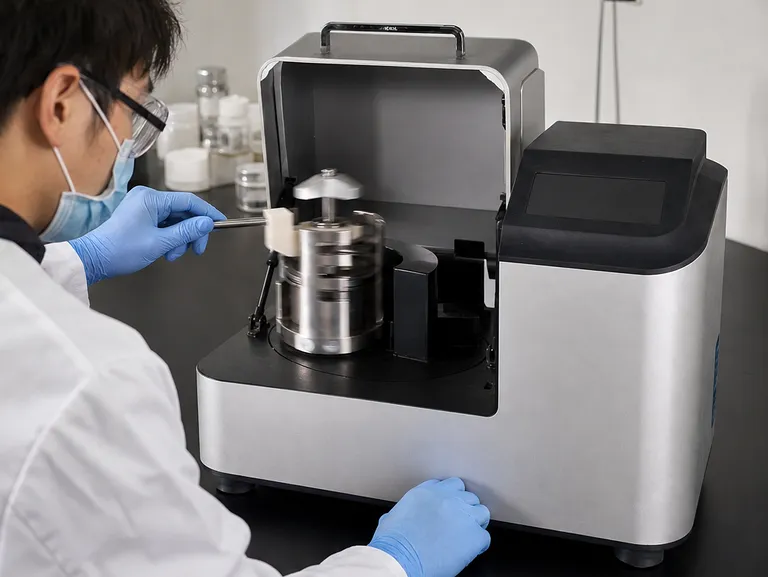
High-energy grinding is not a monolith. It’s a family of technologies, each tuned to a different aspect of the composite problem.
Align the Tool to the Goal
- If your bottleneck is throughput: High-energy friction mills compress mixing cycles from twenty-four hours to sixty minutes without sacrificing distribution quality. The business impact is immediate.
- If your obsession is mechanical performance: Planetary ball mills deliver the ultra-fine dispersion essential for inhibiting grain growth. You’re buying fracture toughness at the micro-scale.
- If your cost driver is sintering energy: Any high-energy mill that increases surface reactivity will let you densify at lower temperatures. The ROI appears in your electricity bill and furnace maintenance schedule.
This is not about buying a machine. It’s about selecting the physical mechanism that unlocks your specific material goal.
The Laboratory as a Precision Factory
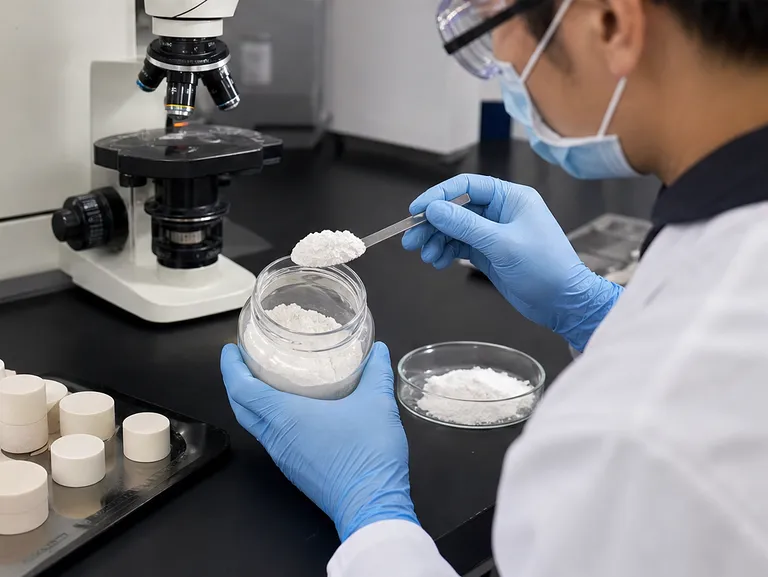
When you step back, the entire workflow from raw precursor to sintered component is a chain of energy transfers. Crushers and jaw mills break the macro world into manageable fragments. Cryogenic grinders make brittle what was once ductile, enabling precision size reduction in polymers and metals. Sieve shakers classify particle distributions with a rigor that statistical mixing can never achieve.
Then comes the heart of the process: high-energy milling. Planetary ball mills, jet mills, and disc mills take over where conventional mixers surrender. They don’t just combine—they mechanochemically integrate.
After milling, the powder must be shaped. Hydraulic presses—from standard laboratory presses to XRF pellet presses—compact the activated powder into a green body that carries the signature of its mixing history. For the most demanding applications, Cold and Warm Isostatic Presses (CIP/WIP) apply uniform pressure in all directions, eliminating density gradients that would become fracture origins during sintering. Vacuum hot presses complete the journey, consolidating and densifying in a single controlled step.
What you’re building is not just a ceramic part. You’re building a material processing continuum where every stage amplifies the value created by the one before it.
The Romance of the Invisible
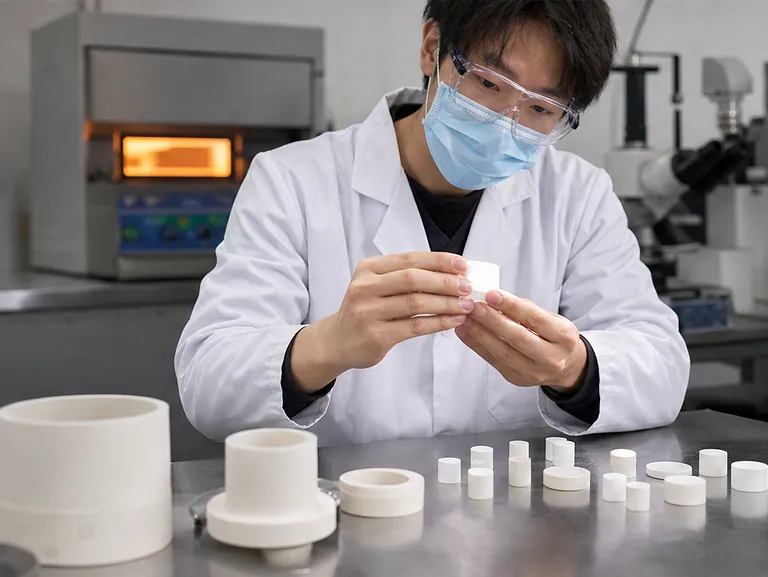
There’s something deeply satisfying about high-energy grinding that goes beyond technical specifications. You place two dissimilar powders into a jar, seal it, and set the machine running. Nothing visibly changes. The jar vibrates. The motor hums. But inside, a transformation is occurring at a scale too small to see—surfaces being born, bonds being broken, a composite being woven particle by particle.
Hours later, that powder emerges with a memory. It remembers the forces it endured. And when placed in a die, pressed into shape, and heated to a point where atoms migrate, it delivers a microstructure that refuses to fail in the ways its poorly-mixed siblings do.
That memory is the engineer’s gift to the material. And it begins with a choice of grinding equipment that many treat as an afterthought.
Don’t let the invisible step become the invisible failure. Contact Our Experts
Quick Links
Suggested Products
High Energy Laboratory Planetary Ball Mill for Nano Grinding and Material Science Sample Preparation High Energy Planetary Ball Mill for Nano Scale Grinding and Mechanical Alloying High Energy Laboratory Planetary Ball Mill for Nano Grinding and Colloidal Mixing of Hard and Brittle Materials High Efficiency High Speed Grinder Laboratory Mill 1300W 25000rpm High Efficiency High Speed Grinder 2200W 25000 RPM Laboratory Sample PreparationFurther Reading
The Energy Budget of a Single Impact: How the Ball-to-Powder Ratio Shapes Nanocrystalline Reality The 65-Micron Gate: Unlocking the True Isotopic Fingerprint of Portland Cement The High-Energy Gamble: What SiBCN-rGO Fibers Teach Us About Perfect Homogenization The Silence Inside the Jar: What a Ball Mill Really Does for Doped Bismuth Ferrite The Sleeping Giant in the Ash: How a Laboratory Ball Mill Unlocks High-Volume Sustainable Cement
PowderPreparation
Last updated on May 15, 2026
Related Products
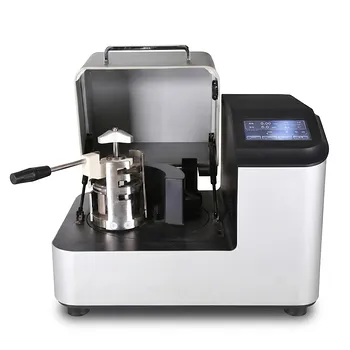
High Energy Laboratory Planetary Ball Mill for Nano Grinding and Material Science Sample Preparation
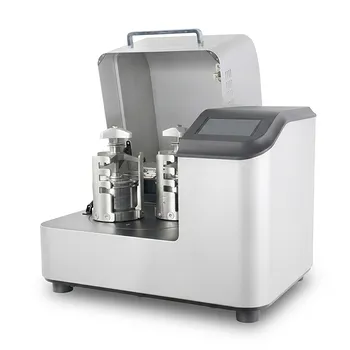
High Energy Planetary Ball Mill for Nano Scale Grinding and Mechanical Alloying
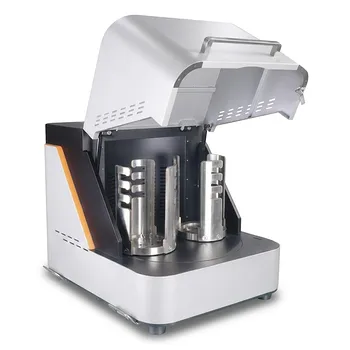
High Energy Laboratory Planetary Ball Mill for Nano Grinding and Colloidal Mixing of Hard and Brittle Materials
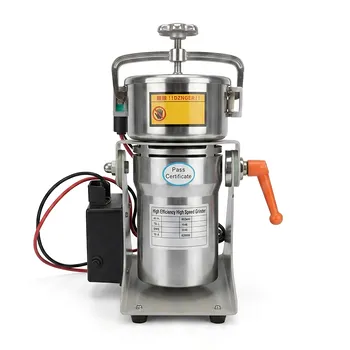
High Efficiency High Speed Grinder Laboratory Mill 1300W 25000rpm
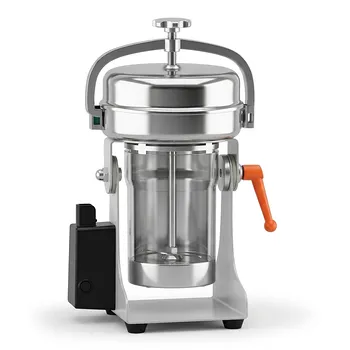
High Efficiency High Speed Grinder 2200W 25000 RPM Laboratory Sample Preparation
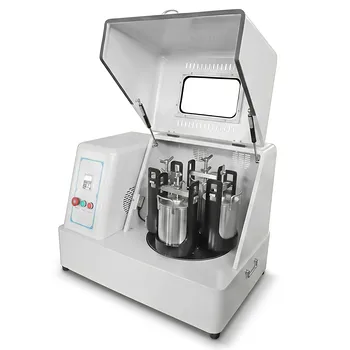
Vertical Square Planetary Ball Mill for Laboratory Sample Preparation and Nanoscale Grinding
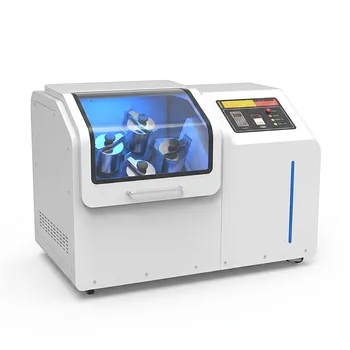
High Energy Omnidirectional Planetary Ball Mill 16L
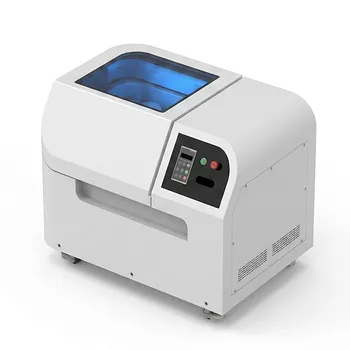
8L Planetary Ball Mill for Laboratory Grinding and Sample Preparation
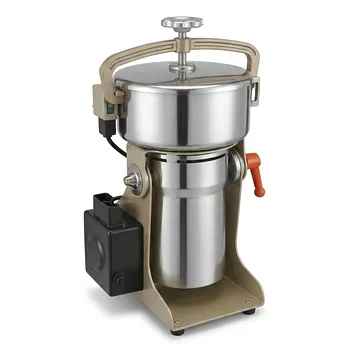
Multifunctional High Efficiency High Speed Laboratory Grinder
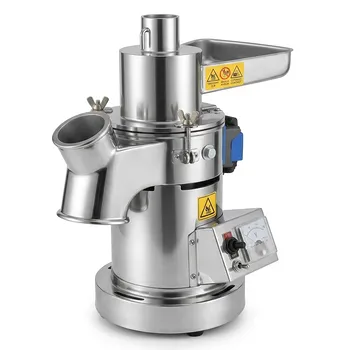
Continuous Feeding Grinder High Efficiency Pulverizer for Lab Sample Preparation
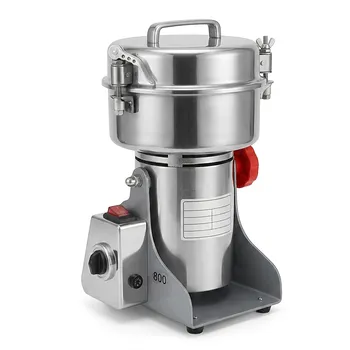
Small High-Speed Laboratory Grinder for Rapid Sample Preparation
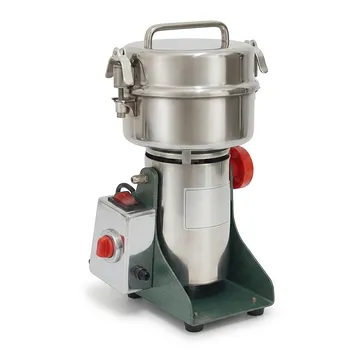
Small High Speed Grinder for Laboratory Sample Preparation
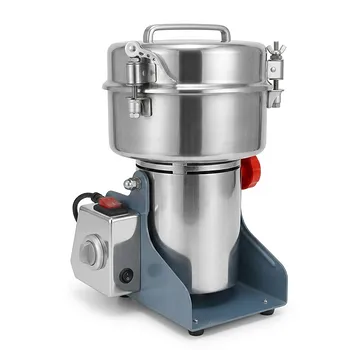
Small High-Speed Grinder for Efficient Laboratory Sample Preparation
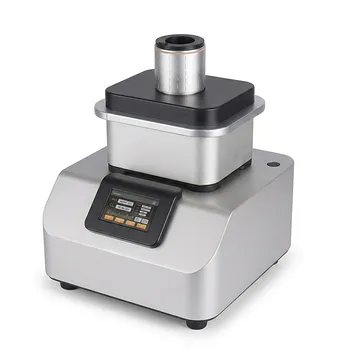
Ultra Centrifugal Mill High Speed Laboratory Grinder for Fibrous and Brittle Sample Preparation
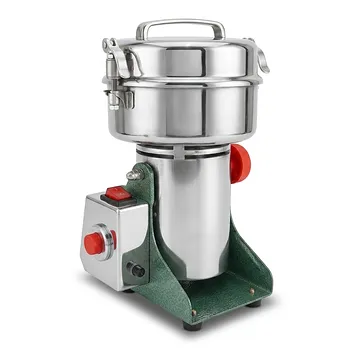
Small High-Speed Laboratory Grinder for Powder Processing
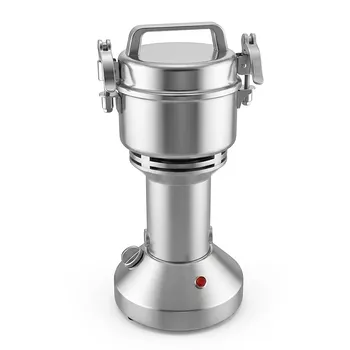
Small High Speed Upright Grinder for Laboratory Sample Preparation
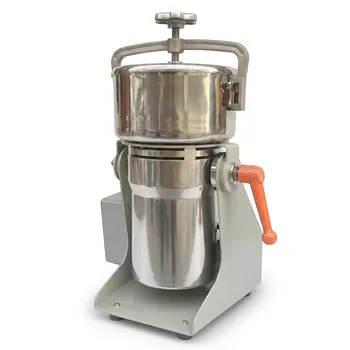
High Speed Laboratory Grinder Efficient Stainless Steel Powder Pulverizer Universal Material Science Mill for Sample Preparation
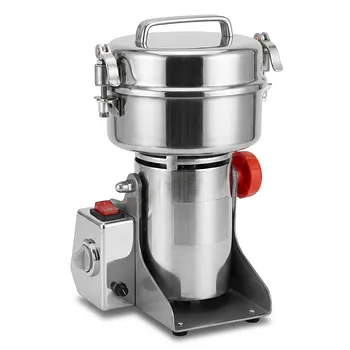
High Speed Laboratory Powder Grinder Small Batch Sample Preparation Mill
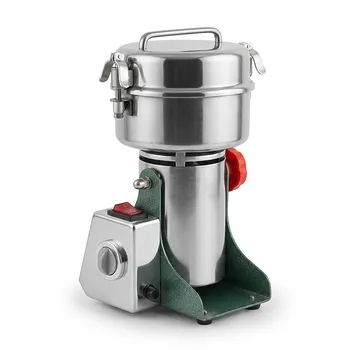
Small High-Speed Swing Grinder for Laboratory Sample Preparation