The Energy Window: Why Better Silica Nanoparticles Aren't About Grinding Longer, But Smarter
Jun 03, 2026
The Last Four Nanometers
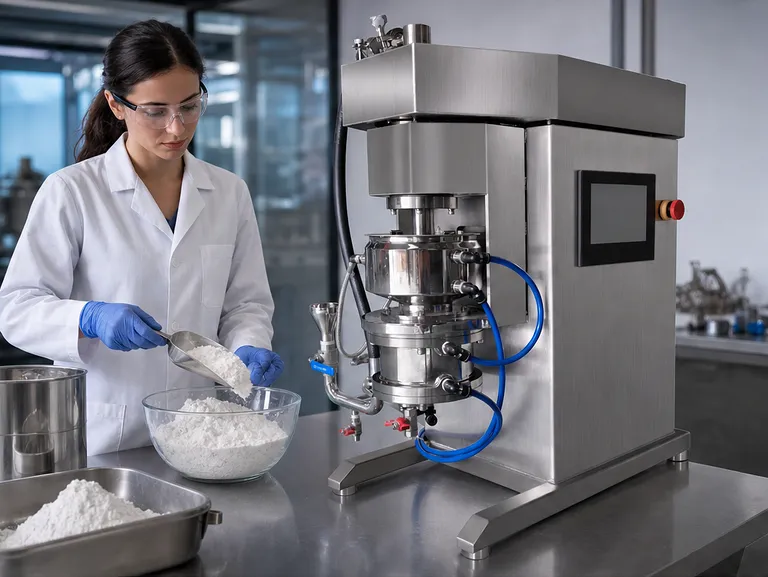
A lab technician runs a planetary ball mill, aiming for a precise 25 nm silica particle. The first 20 minutes are a textbook success story. The D90 drops. The curve tightens.
But then, something breaks.
Between minute 22 and minute 25, the measured particle size jumps from 24 nm to 31 nm. No contamination. No temperature spike. Just time.
She didn't wear out the motor. She wore out the physics.
The particles hadn't grown. They had given up. Driven by enormous surface energy, they huddled into dense clusters, pretending to be something they weren't. This is the cruel paradox at the heart of nanonization: the energy you use to break things can be the very energy that puts them back together.
We call this the search for the energy window. Here’s the science of finding it, and why the best technology isn't about brute force—it's about knowing exactly when to walk away.
The Mechanics of Size Reduction
Grinding is often seen as a purely destructive act. You put coarse powder in, you get fine powder out. But in reality, you are a temporary custodian of a violent energy budget.
Every Collision Has a Cost
Grinding duration isn’t just a measure of time. It is the total cumulative mechanical energy you have transferred into the system.
In the early stages, the math is elegant. A milling ball hits a silica particle. The stress breaks a covalent bond. A new surface appears. More time means more collisions. More collisions mean more fracture.
It feels linear. It is anything but.
The Grinding Equilibrium Point
Every mill configuration has a secret: a grinding equilibrium diameter.
This is the absolute floor. The point where, for your specific bead size, speed, and temperature, you cannot mechanically push the particle size any lower. You can add hours to the clock. You won’t break new ground.
You’ll just heat the room and degrade your media.
The Re-Agglomeration Trap (Reverse Grinding)
If the equilibrium point is the floor, the next phase is the basement flooding. This is where the "energy window" closes.
The Surface Energy Crisis
A 25 nm particle is a very strange object. A huge percentage of its constituent atoms now live on the surface, not buried comfortably inside a crystal lattice. These surface atoms are unhappy. They have dangling bonds. They are energetically expensive.
Nature hates high surface energy.
To fix this thermodynamic problem, nanoparticles stop acting as individuals. They seek physical contact. Van der Waals forces—weak on a macro scale—become overpowering. The particles click together like tiny magnets.
The Apparent Growth
This is the most deceptive part of the process. The primary particles haven't melted or fused. They've simply formed dense agglomerates.
In a dynamic light scattering test, a tight agglomerate of three 20 nm particles reads as a single 50 nm "problem." You haven't stopped grinding. You've just started building. The extra time has literally reversed your results.
The Hidden Levers of Time Efficiency
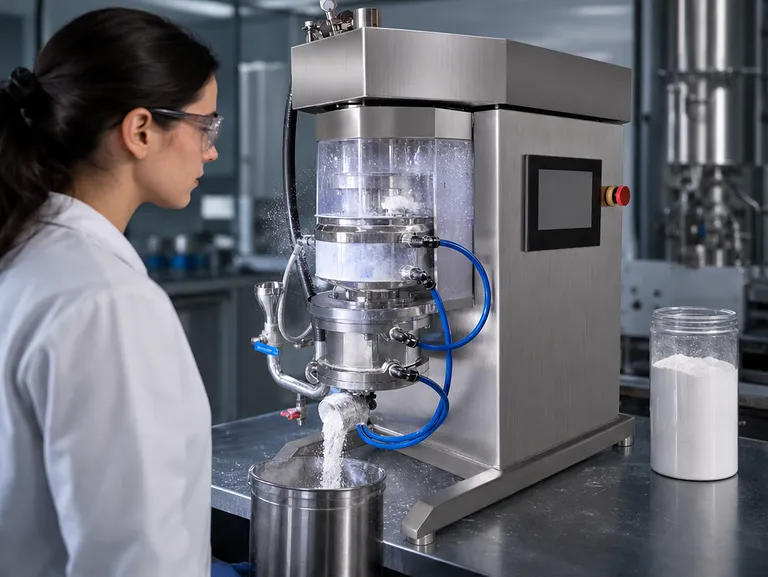
You can’t just set a fixed timer of 15 minutes and hope. The duration required to hit the window is a puzzle shaped by your tooling.
The Media Size Sweet Spot
The diameter of your grinding beads is the most powerful accelerant of time.
- Large beads (e.g., >0.5 mm): Fewer contact points per impact. High energy per point. Good for coarse crushing, but they leave wide gaps for fine particles to escape. It takes a long duration to find them.
- Small beads (e.g., 0.1–0.3 mm Yttria-stabilized Zirconia): A dense cloud of contacts. Collision frequency explodes. You reach the sub-50 nm target much faster.
The catch? Friction. That cloud of tiny beads creates fluid resistance and shearing heat.
The Heat Barrier
Heat is the catalyst for catastrophe. Elevated temperatures lower the energy barrier for agglomeration. It makes the particles "stickier."
If long duration on small media overheats the jar, you’re financing the re-agglomeration process you’re trying to prevent. Temperature management is time management.
Engineering a Stable Target (22–48 nm)
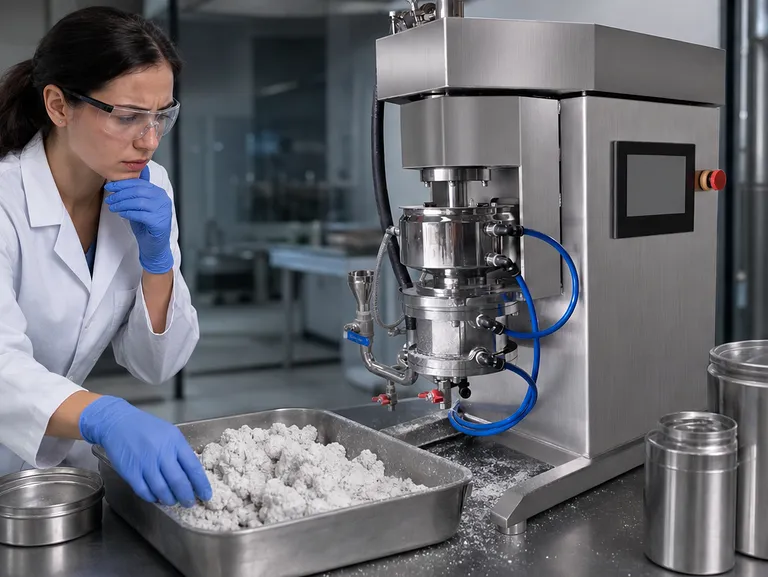
To achieve a stable dispersion in that specific 22–48 nm range, you must stop treating grinding as a roughing and finishing operation. It is a precision strike.
Here is the strategic approach map for three different priorities:
- If your target is absolute minimum size (<30 nm): Use a planetary ball mill with the smallest beads you can source. Run a "time-series" study: sample the batch every 3 minutes. Plot the D50 curve. The moment the curve plateaus and begins to rise, you’ve found the edge of your energy window. Stop there. Every second after is destructive.
- If your target is batch-to-batch repeatability: Don't chase the theoretical minimum. Set a conservative hard stop. A fixed 10 or 15-minute interval at high RPM, precisely automated, ensures every gram of silica receives identical mechanical history. Repeatability lives in the equilibrium phase, not the risky frontier of collapse.
- If your target is purity: Minimize duration by maximizing intensity. Increase rotation speed or use densified media to deliver the fracture energy in a shorter pulse. This reduces the window for media wear, keeping contaminating elements (like chromium or nickel) out of your silica.
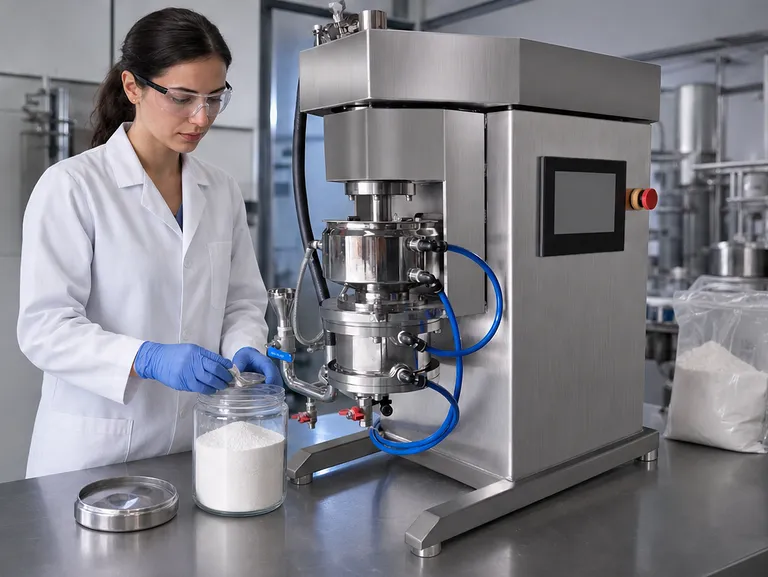
Summary Table: The Lifecycle of a Grind
| Grinding Phase | Effect on Particle Size | Primary Mechanism | Critical Risk |
|---|---|---|---|
| **Early Stage** | Rapid Reduction | Mechanical bond fracture | Under-processing (Too coarse) |
| **Equilibrium** | Size Stabilization | Fracture-agglomeration balance | Diminishing efficiency |
| **Late Stage (Reverse Grinding)** | Apparent Increase | High surface energy re-agglomeration | Media contamination & Heat damage |
| **Optimized Window** | Target Range Met | Calibrated energy input before collapse | None |
You can know exactly when to stop. But that knowledge is useless if your equipment can't hit the target in the first place, or if it introduces variables like vibration, thermal drift, or inconsistent media.
Precision nanonization is a dialogue between the grinding media and the silica. A good mill facilitates that dialogue; a great one controls it.
We engineer complete laboratory sample preparation solutions specifically for this problem. Whether you are targeting high-purity silica for electronics or developing stable dispersions for pharmaceuticals, hitting the energy window requires more than a standard bench top mixer. It requires the right mill, the right sizing, and the right compaction.
Our equipment lines are designed to shrink the distribution curve and stop the clock exactly when you need to:
- Advanced Milling: Planetary ball mills and jet mills configured for the mechanical intensity needed to reach the sub-50 nm equilibrium point without overheating.
- Preparation & Sizing: From jaw crushers for coarse feed to cryogenic grinders for heat-sensitive materials, and vibratory sieve shakers to validate your results instantly.
- Mixing & Compaction: Defoaming mixers that disrupt agglomerates without surface energy spikes, and a full spectrum of hydraulic presses—including Cold/Warm Isostatic Presses (CIP/WIP) and vacuum hot presses—to transform your refined powder into the final compact.
The best particle size control isn't wearing out the motor to prove you worked hard. It’s having the insight and the instrumentation to walk away right before you spoil the batch. Contact Our Experts
Quick Links
Suggested Products
Small Ceramic Structure Laboratory Sand Mill Nanoscale Grinding Dispersion Equipment Seal-less Screen-less Design Small Swing Granulator Efficient Powder Granulation for Pharmaceutical Chemical Food Industries Laboratory Disc Mill for Ore and Mineral Sample Preparation Vertical Square Planetary Ball Mill for Laboratory Sample Preparation and Nanoscale Grinding Nano Laboratory Bead Mill Desktop Sub Micron Sand Mill Screenless Seal Less Powder GrinderFurther Reading
The Grain, the Grinder, and the Hidden Poison: Why Mycotoxin Testing Depends on a Perfectly Boring Pulverization The Particle Paradox: Why the Secret to a Perfect Effervescent Tablet Lives in the Grinding Room The Tyranny of Tiny Impurities: How 10 mm Zirconia Balls Save Rare-Earth Doped Bismuth Ferrite The 0.5mm Gateway: Why Bulk Density Is a Measure of Flow, Not Just Weight The Invisible Architect: How Compaction Psychology Shapes Your LSM Ceramic’s Fate
PowderPreparation
Last updated on May 15, 2026
Related Products
Small Ceramic Structure Laboratory Sand Mill Nanoscale Grinding Dispersion Equipment Seal-less Screen-less Design
Small Swing Granulator Efficient Powder Granulation for Pharmaceutical Chemical Food Industries
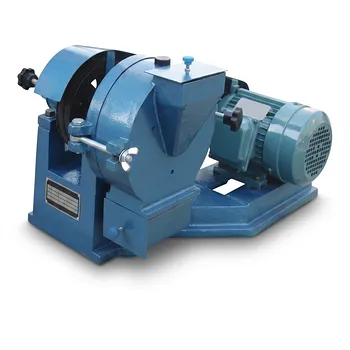
Laboratory Disc Mill for Ore and Mineral Sample Preparation

Vertical Square Planetary Ball Mill for Laboratory Sample Preparation and Nanoscale Grinding
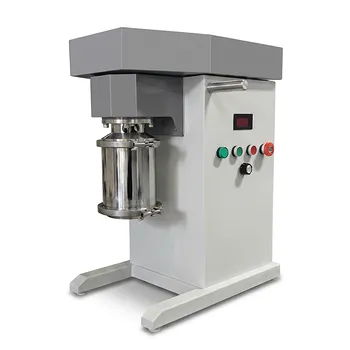
Nano Laboratory Bead Mill Desktop Sub Micron Sand Mill Screenless Seal Less Powder Grinder
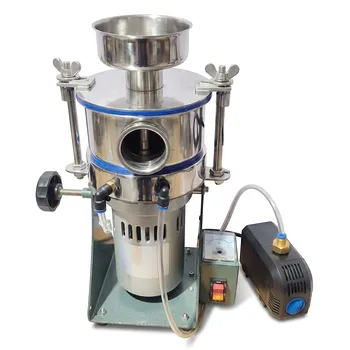
Water Cooled Airflow Ultra Fine Grinder for Low Temperature Material Processing
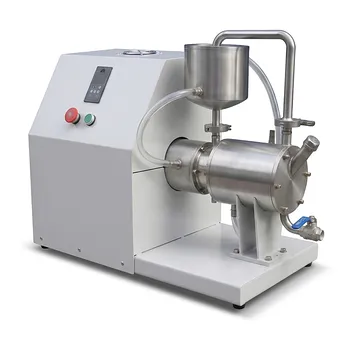
Laboratory Small Horizontal Sand Mill for Nano Materials Wet Grinding
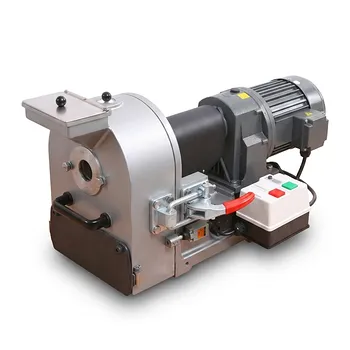
Laboratory Disc Mill for Fine Sample Preparation of Hard and Brittle Materials
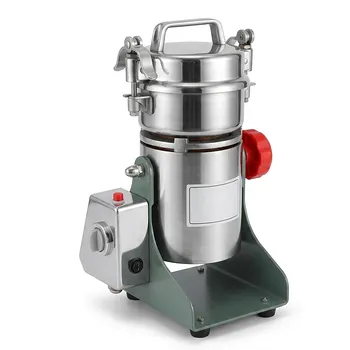
High Speed Swing Type Laboratory Pulverizer for Fine Powder Grinding and Sample Preparation
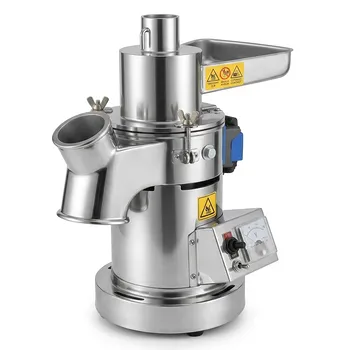
Continuous Feeding Grinder High Efficiency Pulverizer for Lab Sample Preparation
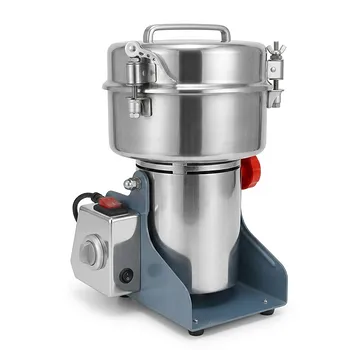
Small High-Speed Grinder for Efficient Laboratory Sample Preparation
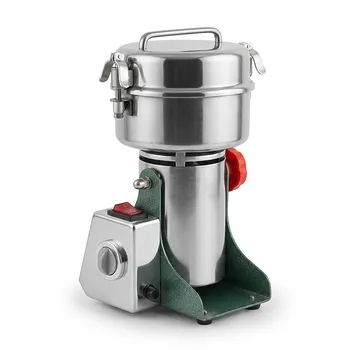
Small High-Speed Swing Grinder for Laboratory Sample Preparation
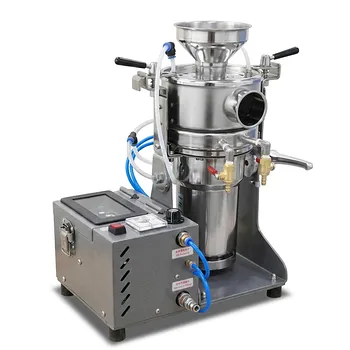
Water Cooled Pulse Jet Ultrafine Grinder
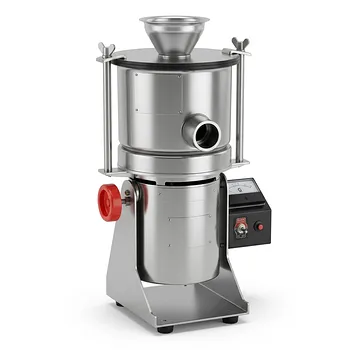
Laboratory Ultrafine Impact and Airflow Grinder for Precise Particle Size Control
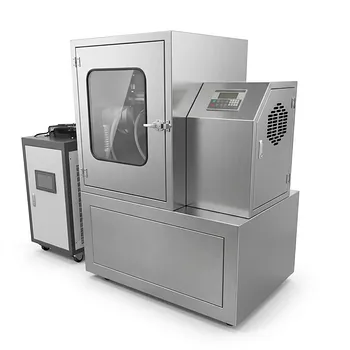
Vibratory Superfine Grinder for Ultra Fine Laboratory Powder Milling
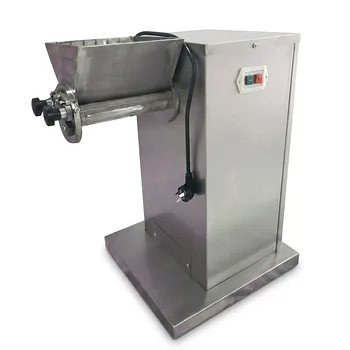
Small Laboratory Oscillating Granulator for Wet and Dry Granulation Processing
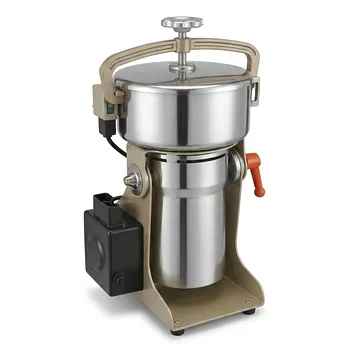
Multifunctional High Efficiency High Speed Laboratory Grinder
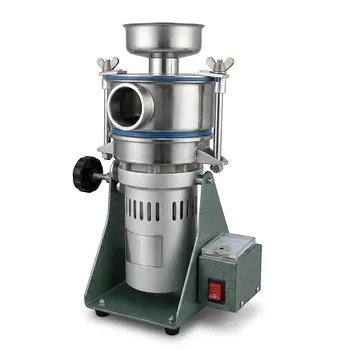
Small Airflow Ultra-Fine Grinder for Laboratory Sample Preparation
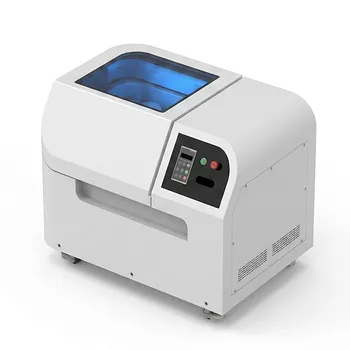
8L Planetary Ball Mill for Laboratory Grinding and Sample Preparation