The Hidden Variable in Green Chemistry: Why Your Banana Leaf Ash Fails (And How Precision Grinding Fixes It)
Jun 13, 2026
The Problem with Potential
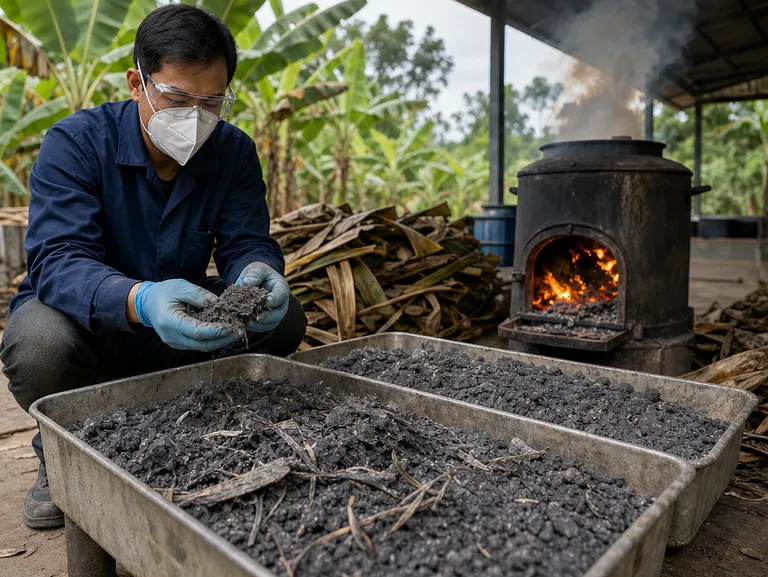
The pile of dried banana leaves sits on the lab bench, a testament to circular economy ambitions. You’ve calcined them carefully, expecting a reactive silica-rich ash that will stabilize soil or replace a fraction of cement. Instead, the results are unpredictable. Sometimes the strength test soars; other times it barely registers. The ash feels gritty between your fingers—a sign that something far more fundamental than chemistry has gone wrong.
Most research on biomass-derived pozzolans focuses on the burning temperature or the silica content. But the real story is told in micrometers. The difference between a failed experiment and a breakthrough is often not in what you burn, but in how finely you grind.
Particle size is the invisible engineer of reactivity.
The Dual Life of an Ash Particle
Banana Leaf Ash (BLA) must be born twice. First, as a combustible precursor. Second, as a reactive powder. Each birth demands its own mechanical intervention.
When we think of ash, we imagine something that is already fine. But the carbon skeleton of a banana leaf is a tough, fibrous architecture. Even after it crumbles, microscopic chunks of partially burnt matter remain. These particles are not inert—they are dormant. To wake them up, you need to create surface area.
Stage One: Making Combustion Complete
Before the oven ever lights, a grinder or mill should have already done its work.
Pre-calcination milling shreds the biological memory of the leaf. It transforms twisted cellulose and lignin into a uniform powder that oxygen can embrace evenly. A sample with inconsistent particle sizes will burn erratically: some portions will over-calcinate while others remain raw organic carbon. The result is an ash with “split personality”—half reactive mineral, half agricultural waste.
The primary role of pre-calcination grinding is to erase biological heterogeneity.
- It increases specific surface area so heat reaches every fragment.
- It prevents cold spots, ensuring no unburnt material survives to dilute purity.
- It standardizes the precursor, making subsequent steps reproducible.
Stage Two: Activating the Ash
You’ve made ash. Now you must make it hungry.
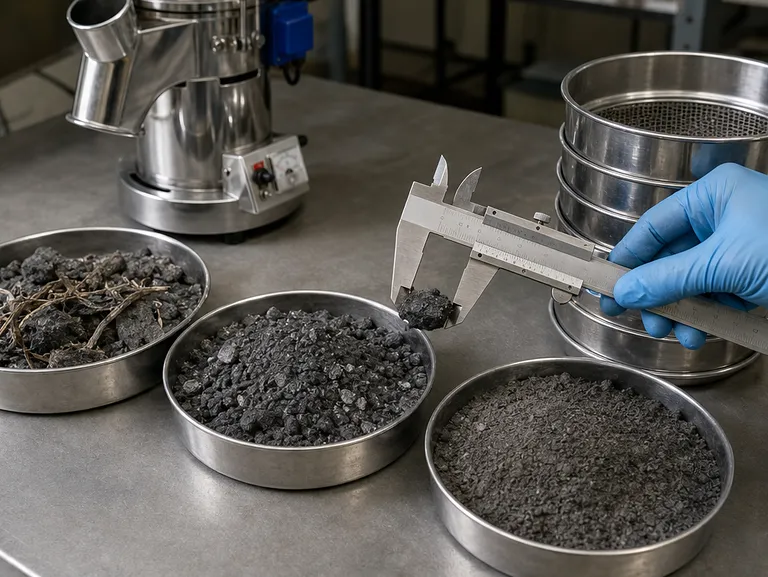
Post-calcination milling is where the pozzolanic potential finally unfurls. The silica and alumina in BLA don’t dissolve into a concrete matrix as large chunks; they need particle sizes well below 75 microns to react with calcium hydroxide. This secondary grinding refines the ash to a microscopic scale, exposing fresh, high-energy surfaces that readily participate in cementitious reactions.
Finer is not just better. Finer is functional.
A coarsely ground ash acts like a filler—taking up space but contributing little chemically. A finely milled one becomes a binder, actively knitting the matrix together. The difference in compressive strength can be measured in megapascals, but it starts at the mill.
The Psychology of Over-Grinding
Here we encounter a trap that Morgan Housel would recognize: the belief that if a little is good, more must be better.
Ultra-fine milling pushes the ash into the nanometric range. Reactivity charts would suggest this is ideal. But the law of diminishing returns applies ruthlessly to laboratory processing.
The Energy Paradox
As particle size drops below a certain threshold, the energy input per gram of material spikes exponentially. You can spend three hours to shave off the last 5 microns. Meanwhile, the gain in chemical reactivity might be negligible because other factors—like amorphous content or mineral composition—become the limiting reagents. Engineers must balance thermodynamic idealism against the budget of time and kilowatts.
The Contamination Creep
High-energy milling is a violent sport. Grinding media and chamber walls wear down, and if you’re not careful, traces of tungsten, chromium, or iron slip into your ash. For a soil stabilization project, a few parts per million of iron might matter little. For a high-purity ceramic or electrochemical application, it’s a disaster.
The psychology is simple: we obsess over the output, ignoring the hidden cost of the process. Choosing wear-resistant, chemically inert milling equipment is an investment in data integrity.
Choosing the Right Partner in the Grinding Journey
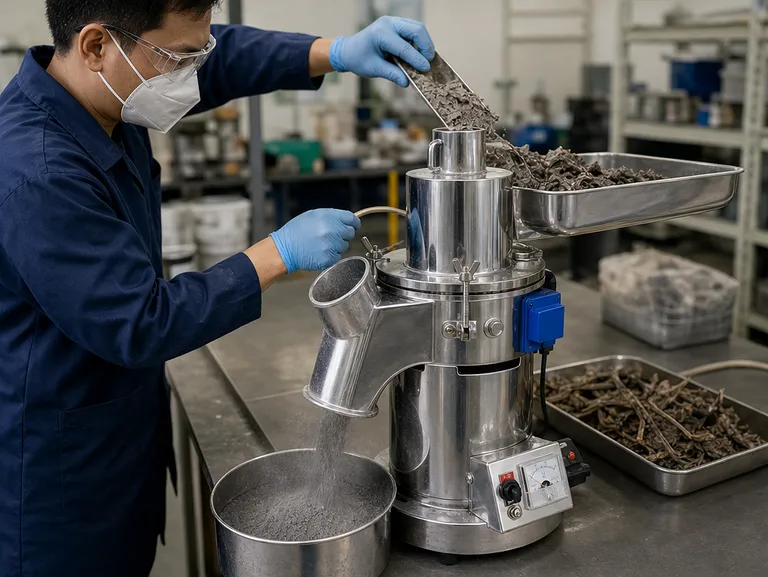
This is where the narrative shifts from problem to solution. The preparation of Banana Leaf Ash is not a single machine’s job. It’s a choreographed sequence of crushing, grinding, classifying, and compacting—each step amplifying the next.
At KINTEK, we’ve designed a complete laboratory ecosystem for exactly this kind of systemic challenge. Instead of cobbling together mismatched units, researchers can deploy an integrated workflow that mirrors the material’s natural logic.
The Workflow for Biomass Ash Excellence
1. Raw Biomass Crushing Before fine grinding, the brittle dried leaves need reduction. Our jaw and roll crushers handle the initial breakdown without generating excessive heat that could alter organic volatiles.
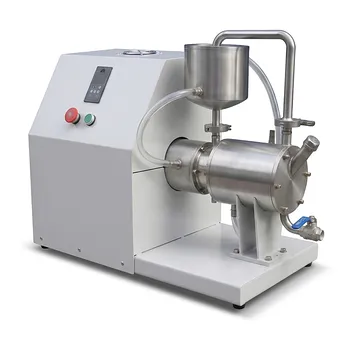
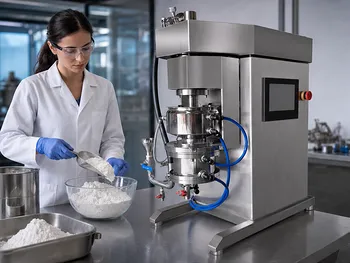
2. Pre-Calcination Milling For the crucial first stage, planetary ball mills or rotor mills produce the uniform, high-surface-area powder required for complete combustion. Liquid nitrogen cryogenic grinders are available for heat-sensitive biomass that might begin to degrade under mechanical stress.
3. Classification & Sieving Post-milling, vibratory sieve shakers with precision test sieves guarantee that only particles within the target size band enter the oven. Air-jet sieving refines this further for sub-100-micron cut-offs.
4. Post-Calcination Refinement After the fire has done its work, jet mills or high-energy planetary ball mills reduce the ash to its reactive state. This is where the pozzolanic character is truly born. The equipment’s wear-resistant chambers ensure the final product’s chemistry remains uncontaminated.
5. Homogenization & Storage Powder mixers and defoaming mixers blend the BLA with other additives into a perfectly uniform composite. And for researchers preparing XRF pellets for elemental analysis, our hydraulic presses—from standard lab presses to vacuum hot presses—transform loose powder into dense, analyzable disks.
The following table crystallizes how the equipment maps to the material’s needs:
| Process Stage | Key Equipment | Technical Outcome |
|---|---|---|
| Biomass Primary Crushing | Jaw/Roll Crushers | Reduces bulk leaves to manageable grit without chemical alteration. |
| Pre-Calcination Grinding | Planetary Ball Mills, Rotor Mills, Cryogenic Grinders | Creates high-specific-surface-area powder for uniform combustion. |
| Particle Classification | Vibratory Sieve Shakers, Air-Jet Sieves | Ensures only the desired size fraction enters the furnace. |
| Post-Calcination Milling | Jet Mills, Planetary Ball Mills (wear-resistant) | Activates pozzolanic surface; minimizes contamination risk. |
| Mixing & Compaction | Powder Mixers, Hydraulic Presses (CIP/WIP, XRF Pellet Presses) | Homogenizes composite blends; prepares samples for analysis. |
The Romance of the Micron
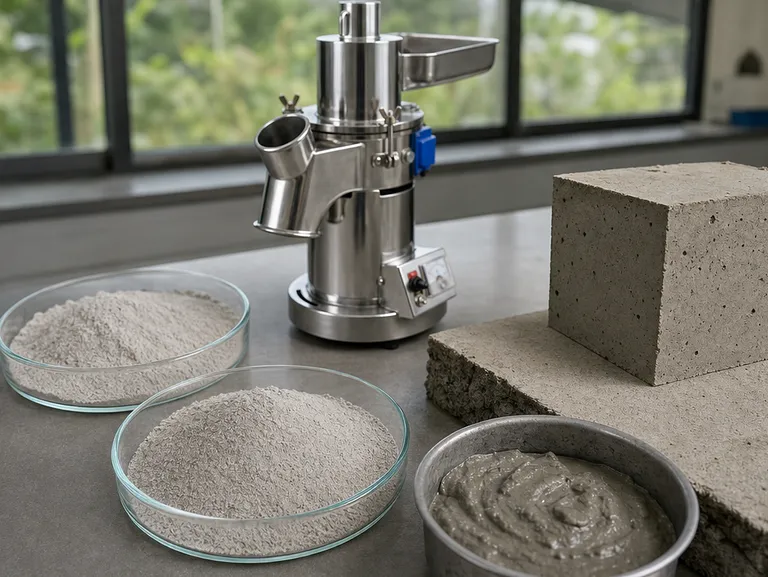
There is an engineer’s romance in watching a coarse, grey ash become a silky powder that flows almost like a liquid. That tactile transformation is a proxy for chemical awakening. Every micron you shave off is a broken bond waiting to re-form in a stronger composite.
We often think our science is limited by ingredients. But sometimes it’s limited by interfaces. The surface of a particle is where chemistry happens, and it’s the laboratory mill that decides how much surface the world gets to see.
When you hold a failed soil sample in your hand—crumbly and weak—remember that the problem didn’t start in the mixing stage. It started months earlier, the moment you decided the ash was “fine enough.” The solution isn’t a new chemical recipe. It’s a better mechanical partnership with your material.
Ready to give your banana leaf ash—or any biomass-derived material—the precision it deserves? Our application specialists can configure a complete sample preparation system tailored to your reactivity targets and throughput. Contact Our Experts
Quick Links
Suggested Products
Continuous Feeding Grinder High Efficiency Pulverizer for Lab Sample Preparation Small High-Speed Grinder for Efficient Laboratory Sample Preparation Small High-Speed Laboratory Grinder for Rapid Sample Preparation Laboratory Liquid Nitrogen Cryogenic Grinder for Polymer and Elastomer Materials Multifunctional High Efficiency High Speed Laboratory GrinderFurther Reading
The Energy Window: Why Better Silica Nanoparticles Aren't About Grinding Longer, But Smarter The Invisible Architect of Powder: How a Single Additive Saves Ductile Metals from Themselves The Last Mile in Particle Preparation: What Eggshells Reveal About the Psychology of Material Science The Hidden Lever in Ceramic Composites: Why High-Energy Grinding Separates Breakthroughs from Bench Failures The Invisible Split: Why a Coating’s Failure Is Decided Hours Before It’s Applied
PowderPreparation
Last updated on May 15, 2026
Related Products
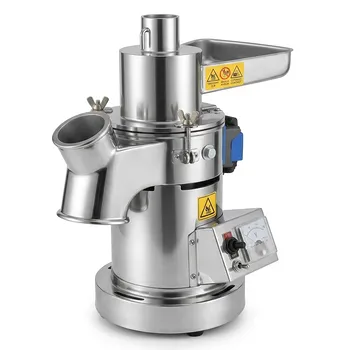
Continuous Feeding Grinder High Efficiency Pulverizer for Lab Sample Preparation
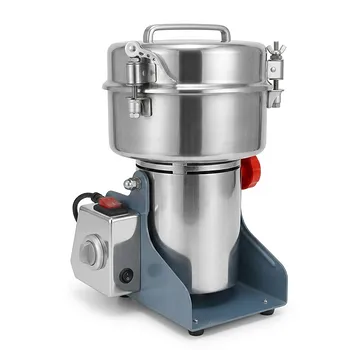
Small High-Speed Grinder for Efficient Laboratory Sample Preparation
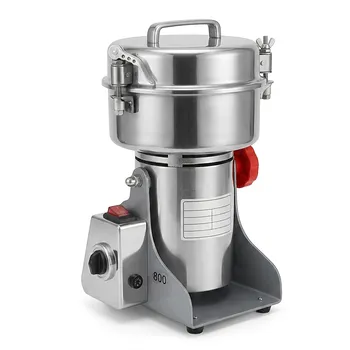
Small High-Speed Laboratory Grinder for Rapid Sample Preparation
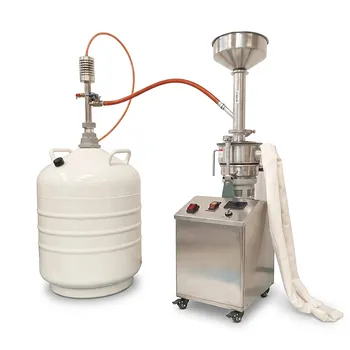
Laboratory Liquid Nitrogen Cryogenic Grinder for Polymer and Elastomer Materials
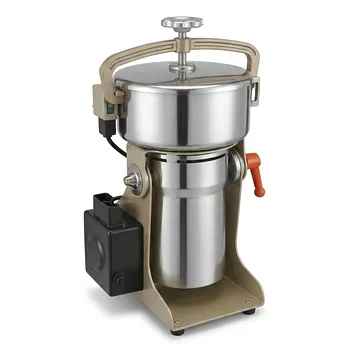
Multifunctional High Efficiency High Speed Laboratory Grinder
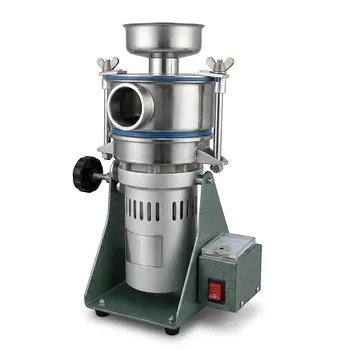
Small Airflow Ultra-Fine Grinder for Laboratory Sample Preparation
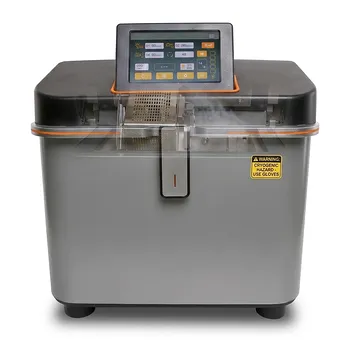
Cryogenic Liquid Nitrogen Grinder for DNA Analysis and Polymer Pulverization with Automatic Cooling and Electromagnetic Impact Technology
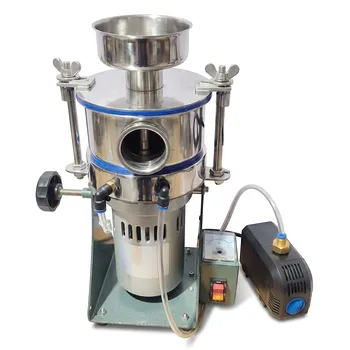
Water Cooled Airflow Ultra Fine Grinder for Low Temperature Material Processing
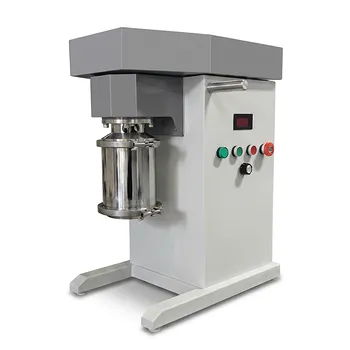
Nano Laboratory Bead Mill Desktop Sub Micron Sand Mill Screenless Seal Less Powder Grinder
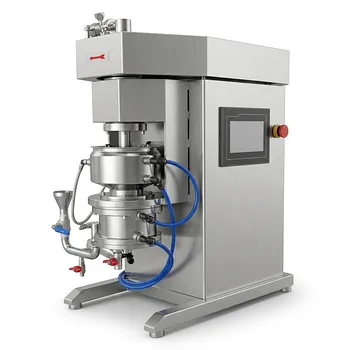
Small Ceramic Structure Laboratory Sand Mill Nanoscale Grinding Dispersion Equipment Seal-less Screen-less Design
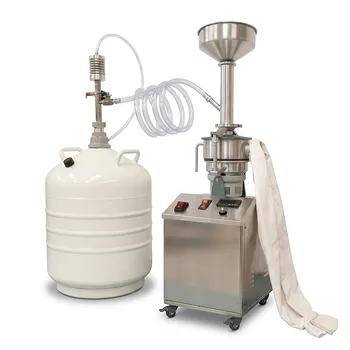
Laboratory Cryogenic Grinder Liquid Nitrogen Low Temperature Ultrafine Grinding
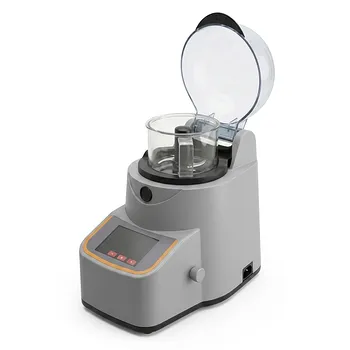
Industrial Knife Mill for Food and Biological Sample Preparation High Speed Laboratory Homogenizer
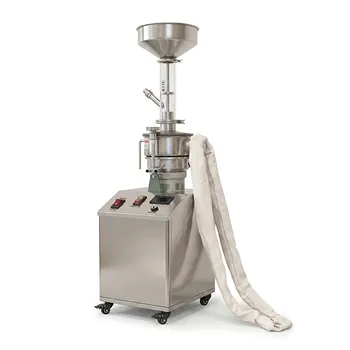
Small Liquid Nitrogen Cryogenic Grinder for Plastic and Heat-Sensitive Material Sample Preparation
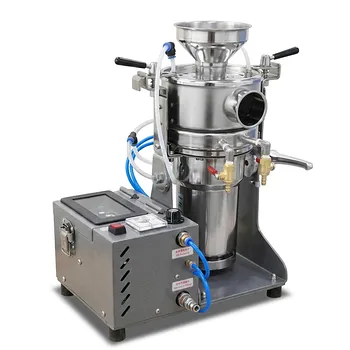
Water Cooled Pulse Jet Ultrafine Grinder
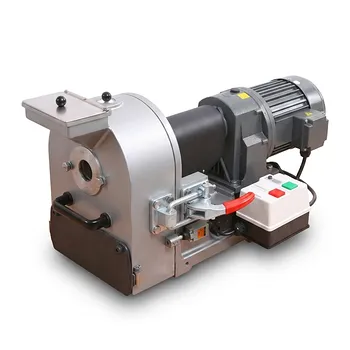
Laboratory Disc Mill for Fine Sample Preparation of Hard and Brittle Materials
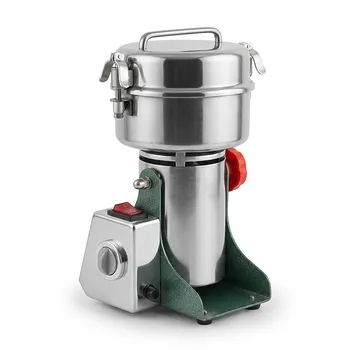
Small High-Speed Swing Grinder for Laboratory Sample Preparation
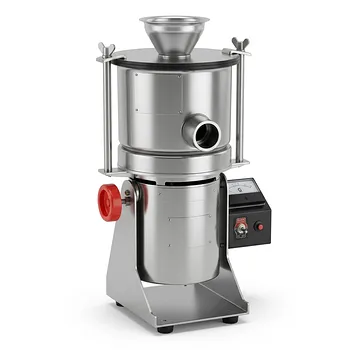
Laboratory Ultrafine Impact and Airflow Grinder for Precise Particle Size Control
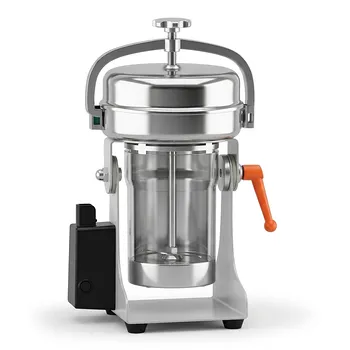
High Efficiency High Speed Grinder 2200W 25000 RPM Laboratory Sample Preparation
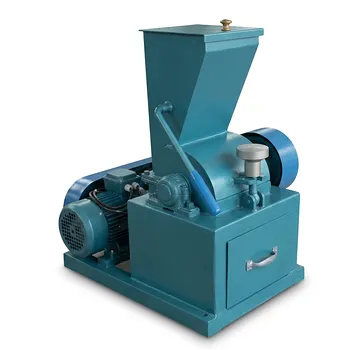
Small Hammer Crusher for Brittle Material Crushing in Mining Metallurgy and Lab Sample Preparation