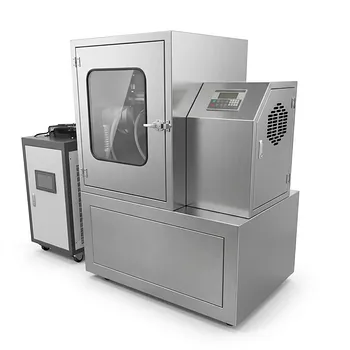
The 50-Micron Bridge: How Precision Grinding Transforms Soil from Geological Chaos into Chemical Truth
May 24, 2026
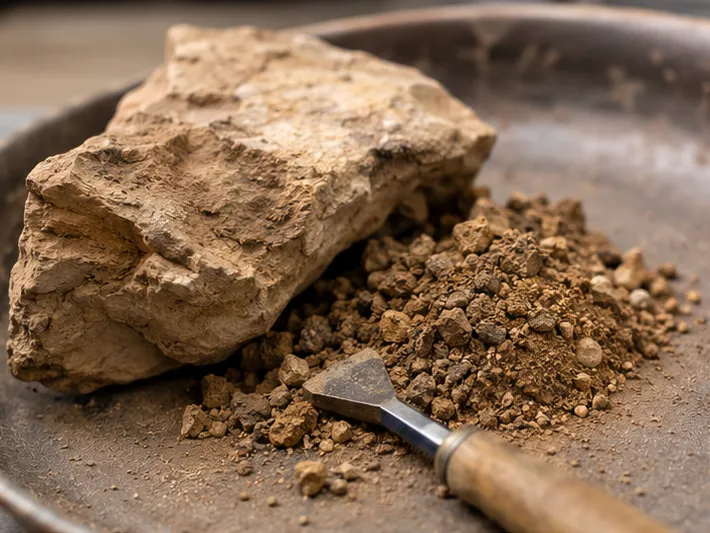
The Suspicion Inside the Spectrometer
The X-ray diffraction pattern should have been a clean spike of quartz at 26.6 degrees. Instead, the console displayed the fingerprint of a ghost—an attenuated hump where a sharp peak ought to live.
The technician blamed the clay fraction. The geologist blamed the sampling depth. Both were wrong.
The real culprit lived in a truth that every instrument manual whispers but few labs fully absorb: the spectrometer only sees what the grinder allows it to see. The soil clod, stubbornly holding its geological memory in grain boundaries and layered platelets, had sabotaged the signal before the first photon ever struck the detector.
We flock to complexity. We trust the million-dollar goniometer, the rhodium-target X-ray tube, the cryogenically cooled silicon-drift detector. But we tend to dismiss the simple, brutal, profoundly determinative act of reducing earth to powder. In sample preparation, the least expensive step imposes the highest tax on the final data.
And that tax is paid in microns.
The Two Physical Lies Unground Soil Tells
When you scoop raw plastering soil into an XRD or XRF sample holder, you inject two overlapping deceits into your analytical chain.
Lie #1: The Particles Have Politics
Preferred orientation is the polite term. A better phrase: the mineral grains conspire to lie in one direction.
In undisturbed soil, platy minerals like chlorite or mica align like playing cards in a deck. When compressed into a sample cavity, they refuse to randomize. X-rays then diffract off a falsely reinforced plane, exaggerating one crystal orientation and suppressing another. The diffractogram becomes a caricature—not a census—of the mineral population.
Lie #2: The Voids Create Phantom Chemistry
X-ray fluorescence is equally vulnerable. The excitation beam penetrates a few micrometers into a particle. If that particle sits in a canyon of air gaps, low-energy fluorescence from light elements gets absorbed before escape. Heavy elements gleam disproportionately. The data declares a false grade of iron, a depleted calcium, a tantalum concentration that owes more to shadow geometry than geochemistry.
The antidote to both lies is the same: reduce the soil to a particle size smaller than the analytical interrogation depth. Practically, that means crossing the 50-micron threshold—the point at which X-rays interact with a statistically randomized, void-free powder rather than with an assembly of micro-terrains.
The Psychology of the Preparation Gap
There is a cognitive glitch that plagues material analysts. Call it the instrument-centric fallacy.
We assume that precision lives in the detector, not in the mortar. That resolution is a problem of counting statistics rather than grain dimensions. That if we just calibrate the spectrometer carefully enough, the physical state of the sample becomes secondary.
The reality is inverted. The physical state of the sample is the calibration.
Every micron above the recommended particle size introduces a systematic bias that no software algorithm can retroactively unbake. Grinding is not a crude preliminary. It is the first and most influential signal-processing step—one performed not by a semiconductor chip but by the mechanical collision between a grinding bowl and a stubborn particle.
Morgan Housel might frame it this way: The most sophisticated technology in your lab is only as reliable as the least sophisticated assumption it rests upon. And the assumption that “the soil is mixed enough” is the one that silently destroys careers.
What Happens When You Cross the Micron Threshold
The moment a disc mill or a planetary ball mill shears plastering soil below 50 microns, three transformations unfold simultaneously—transformations that sound like physics but feel like alchemy.
Randomization Is a Form of Freedom
Every crystal in the powder becomes free to orient itself in any direction. The XRD beam now sees a statistical distribution of orientations, and the resulting pattern reflects the true relative abundances of calcite, quartz, and feldspar—not the deposition habit of a long-dead river.
Chemistry Escapes the Particle Cage
The XRF source now penetrates particles that are thinner than its own excitation depth. Fluorescence photons born deep inside a 30-micron sphere can escape to the detector without being reabsorbed. The measured concentration of every oxide becomes a function of chemistry, not topography.
Surface Area Becomes a Superpower
A single cubic centimeter of soil, ground to 38 microns, develops a collective surface area equivalent to a kitchen table. When that powder later meets acid digestion or fusion flux, reactions explode across orders of magnitude more contact points. Trace element extraction rates climb from “detectable” to “quantitative.”
The soil hasn’t merely been broken. It has been made analytically legible.
The Grinder’s Decision Matrix
Not all grinding paths are equal. The choice of equipment and media imposes its own signature—one that must be matched to the analytical objective.
| Analytical Goal | Particle Size Target | Equipment Strategy | The Hidden Risk |
|---|---|---|---|
| Phase ID by XRD | < 50 µm | Planetary ball mill or vibratory disc mill with agate or zirconia media | Structural amorphization from over-grinding |
| Major and trace element quantification by XRF | 38–150 µm | Jaw crusher followed by disc mill; automatic sieve shaker for validation | Metal contamination from chrome steel bowls if Fe or Cr is an analyte |
| Heat-sensitive clay mineral identification | < 40 µm | Liquid nitrogen cryogenic grinder | Ignoring the cooling cycle and triggering phase dehydration |
| Fusion bead preparation for XRF | Ultra-fine, high surface area | High-energy planetary mill, then powder mixer for flux homogenization | Dusting loss of light-fraction minerals |
| Pressed pellet consistency | Uniform < 75 µm, defoamed | Rotor mill, followed by defoaming mixer to eliminate air pockets before compaction | Elastic springback in the pellet press |
The Romance of the Mechanical Signal Processor
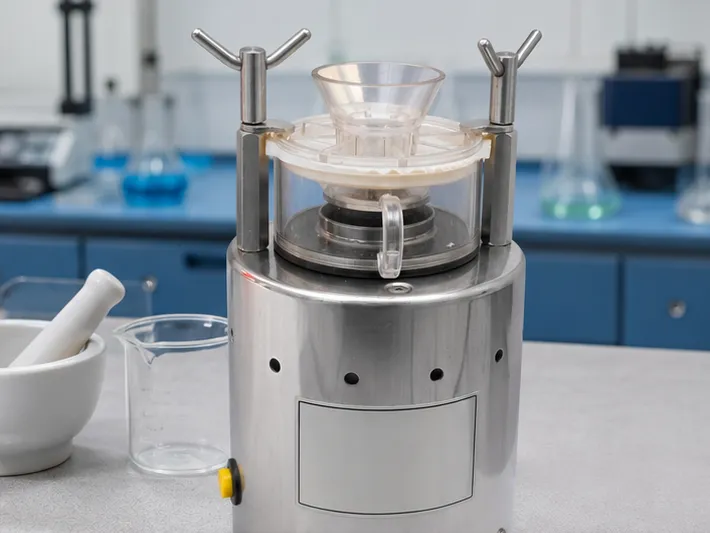
There is something profoundly elegant about a grinding process that respects the material’s native structure while preparing it for interrogation.
When you freeze a soil sample in liquid nitrogen and shatter it in a cryogenic mill, you are preserving clays that would have dehydrated under frictional heat. You are locking in hydroxyl groups that a hot grinder would strip. The result is a powder that still remembers its mineralogy—not a thermally amnesiac dust.
When you select a tungsten carbide grinding set for an ore body where tungsten is not an element of interest, you are making a conscious contamination budget decision. You know a few parts per million of wolfram will bleed into the sample, and you know that doesn’t matter because your detector is hunting for tin—not tungsten.
This is engineered intentionality. Every rpm, every grinding time interval, every choice of bowl chemistry is a deliberate parameter in a signal chain that ends not in the mill, but in the publication’s table of crystal structures.
Why Our Grinding Systems Exist for This Pivot Point
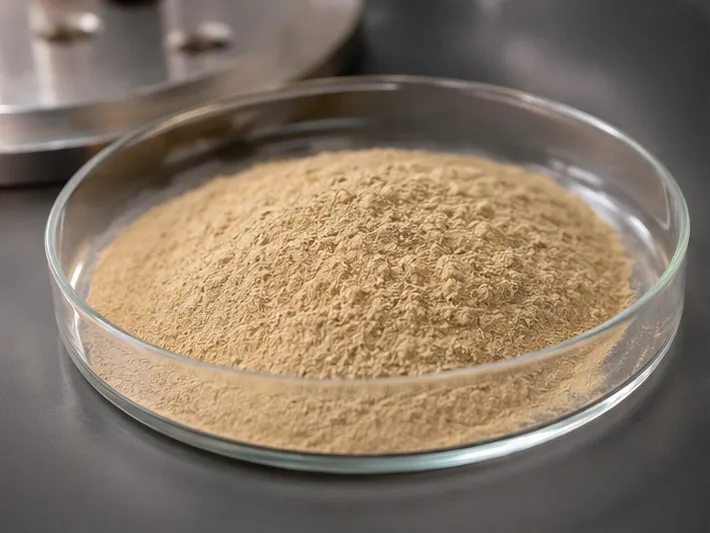
The analytical community’s collective pain point—that the sample preparation step is both critical and chronically under-resourced—is what drives our equipment design.
We don’t build mills for the sake of milling. We build the bridge between geological heterogeneity and spectral purity.
- For the XRD lab that battles preferred orientation in clay fractions, our planetary ball mills deliver sub-50-micron randomization without amorphization, using agate jars that contribute zero contamination to Si, Al, or Fe signals.
- For the XRF facility processing plastering soil from hundreds of locations daily, our jaw crushers and disc grinders form a continuous reduction chain, with vibratory sieve shakers validating particle size distributions in near-real time.
- For the researcher studying heat-sensitive phases, our liquid nitrogen cryogenic grinders maintain cryogenic stability through interval cooling cycles—preserving the original hydroxyl chemistry that defines the mineral identity.
- For the laboratory producing fused beads or pressed pellets, our full spectrum of hydraulic presses—including vacuum hot presses and XRF-specific pellet presses—consolidates powder into a dense, stable puck that won’t outgas under beam heating.
And when cross-contamination is the analytical boogeyman, our interchangeable grinding sets (chrome steel, tungsten carbide, zirconia, agate) let you build a contamination profile that complements—rather than competes with—your elemental target list.
The Closing Argument
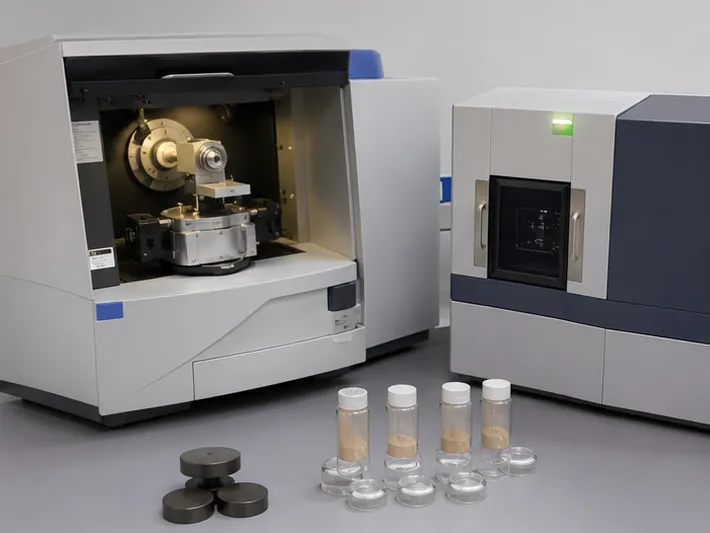
A plastering soil sample does not arrive in your laboratory ready to confess its secrets. It arrives armored in grain boundaries, layered in particle orientations, and riddled with mineralogical micro-environments.
Pulverizing it to an engineered, verified particle size is not a compromise—it is the very act of transforming a random geological lump into a standardized chemical witness.
The instrument will do what it is designed to do. But only if the sample has been freed from its physical biases first.
That is the work we exist to support—not at the glamorous endpoint of the analytical chain, but at the decisive beginning, where grinding iron meets mineral grit and truth begins to emerge at fifty microns.
Quick Links
Suggested Products
Laboratory Desktop Ultra Fine Powder Grinder High Speed Micronizing Pulverizer Micro Solid Sample Grinder High Speed Pulverizer for Laboratory Small Batch Grinding Precision Soil Disc Mill for Laboratory Fine Grinding and Environmental Sample Preparation Water Cooled Pulse Jet Ultrafine Grinder Universal Laboratory Pulverizer Grinder for Small Batch Powder Processing and Material Science ResearchFurther Reading
The Hidden Architecture of Waste: How Precision Grinding Unleashes the Adsorbent Inside an Eggshell The Particle's Edge: How Powder Refinement Determines the Survival of Ceramic Armor The Particle That Lies: Why Your XRD Analysis Fails Before You Even Begin The 200 Micron Decision: Why Geopolymer Strength Starts with a Sieve The 150-Micron Gatekeeper: Why a Single Sieve Defines the Integrity of Advanced Materials
PowderPreparation
Last updated on May 15, 2026
Related Products
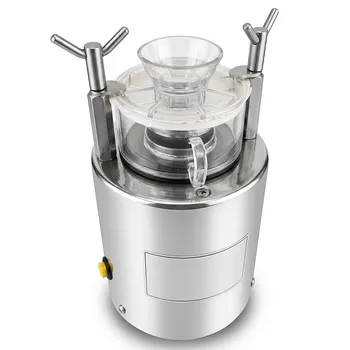
Laboratory Desktop Ultra Fine Powder Grinder High Speed Micronizing Pulverizer
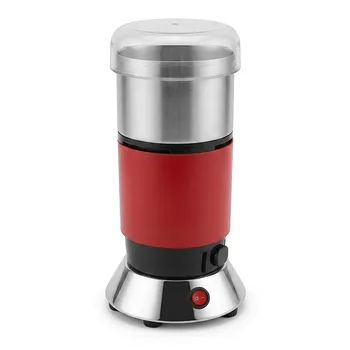
Micro Solid Sample Grinder High Speed Pulverizer for Laboratory Small Batch Grinding
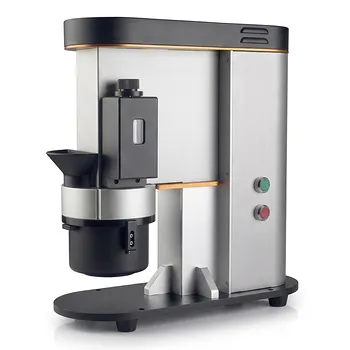
Precision Soil Disc Mill for Laboratory Fine Grinding and Environmental Sample Preparation
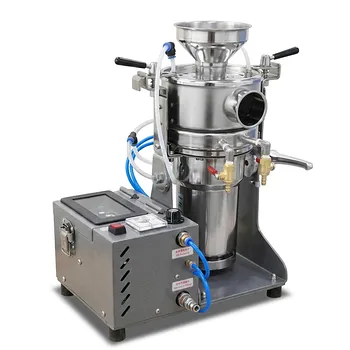
Water Cooled Pulse Jet Ultrafine Grinder
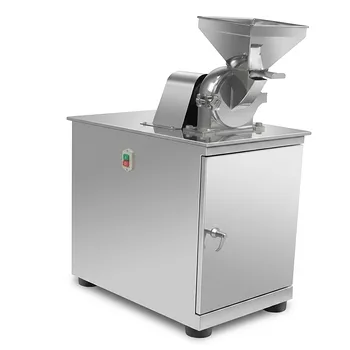
Universal Laboratory Pulverizer Grinder for Small Batch Powder Processing and Material Science Research
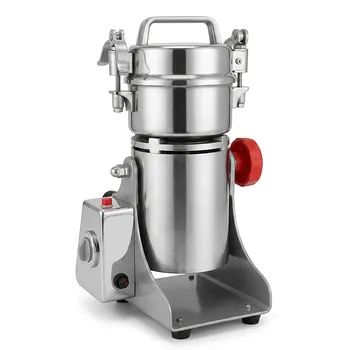
Industrial High Speed Small Sample Pulverizer Swing Type Laboratory Grinder for Powder Processing
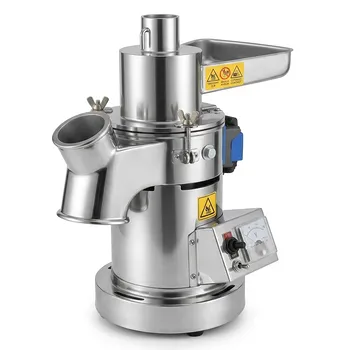
Continuous Feeding Grinder High Efficiency Pulverizer for Lab Sample Preparation
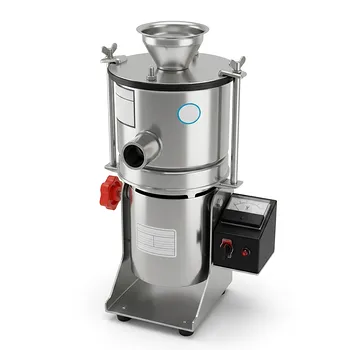
Air Guided Ultrafine Pulverizer High Speed Laboratory Powder Grinder for Chemical and Material Processing
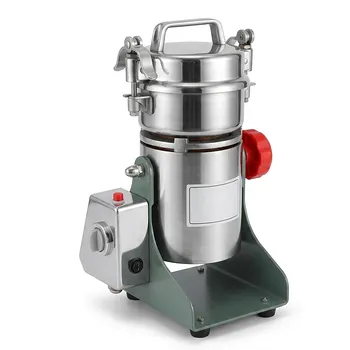
High Speed Swing Type Laboratory Pulverizer for Fine Powder Grinding and Sample Preparation
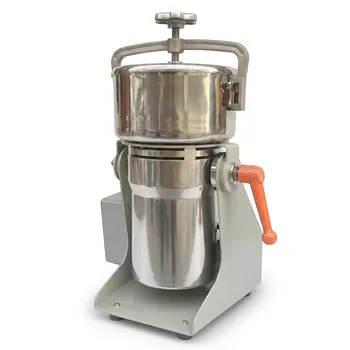
High Speed Laboratory Grinder Efficient Stainless Steel Powder Pulverizer Universal Material Science Mill for Sample Preparation
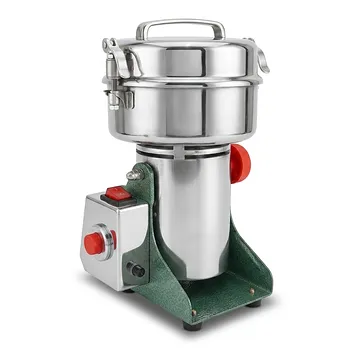
Small High-Speed Laboratory Grinder for Powder Processing
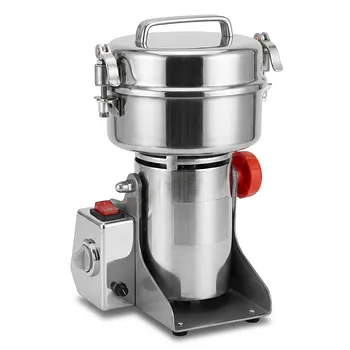
High Speed Laboratory Powder Grinder Small Batch Sample Preparation Mill
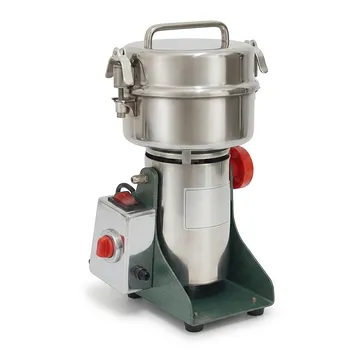
Small High Speed Grinder for Laboratory Sample Preparation
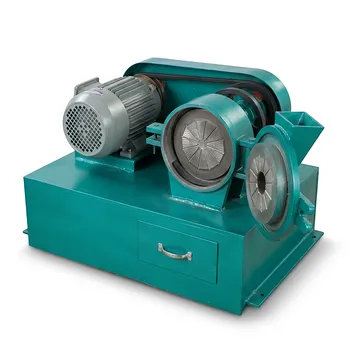
Laboratory Disc Pulverizer for Coal Coke Ore and Medium Hard Materials Sample Preparation
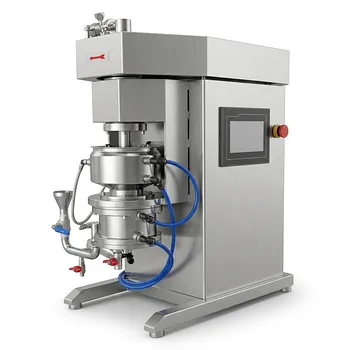
Small Ceramic Structure Laboratory Sand Mill Nanoscale Grinding Dispersion Equipment Seal-less Screen-less Design
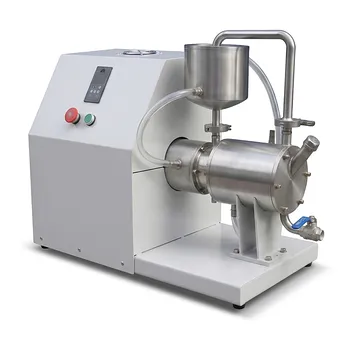
Laboratory Small Horizontal Sand Mill for Nano Materials Wet Grinding
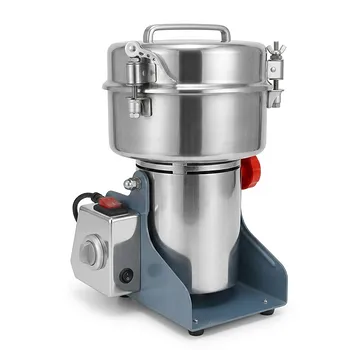
Small High-Speed Grinder for Efficient Laboratory Sample Preparation
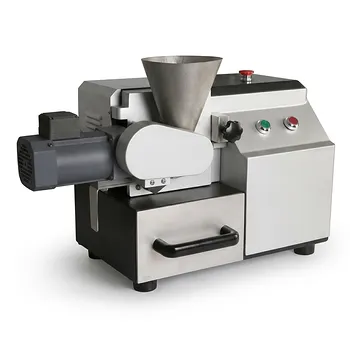
Laboratory Hammer Mill for Coal Quality Analysis and Brittle Mineral Grinding
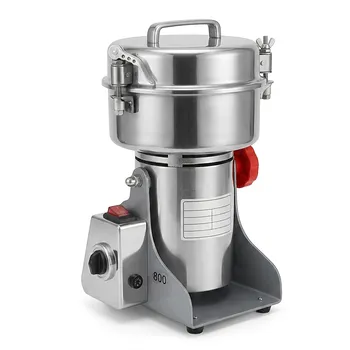
Small High-Speed Laboratory Grinder for Rapid Sample Preparation