The 0.1% Contaminant That Kills 100% of Performance: Why Iron-Free Grinding Defines Quartz Composite Quality
Sep 29, 2026
The Mystery of the Surface That Shouldn’t Have Stained
A manufacturer of high-end engineered stone once faced a baffling failure. Their quartz slabs, pristine white under factory lights, developed ghost-like yellow streaks just weeks after installation. The recipe was unchanged. The resin was identical. The particle size distribution was perfect. Yet something, invisible to every incoming inspection, was silently poisoning the product.
The culprit was found only after a meticulous forensic analysis. It wasn't the quartz. It wasn't the polymer. It was a trace metal contamination—iron—introduced during grinding. The level was microscopic, barely a handful of parts per million. But in the precise world of advanced composites, that’s the difference between a premium product and a structural liability.
This is not a story about bad quartz. It’s a story about a systemic blind spot in how we process materials. We tend to worship what we can see: particle sizes, flow curves, visual gloss. But the real threat moves in silence, at the atomic level.
The Engineering Intuition We Fail to Trust
There’s a psychological quirk that haunts material processing. We are hardwired to solve visible problems. If a composite cracks under load, we reinforce it. If a powder flows poorly, we modify its shape. But contamination from grinding media is invisible during production. The damage only appears later, in the cured matrix, after the point of intervention has long passed.
Behavioral economists call this the salience bias. We overlook the small, cumulative drag on quality because its effects are deferred. In composite manufacturing, this bias causes teams to optimize for throughput and particle size while tolerating a grinding environment that leaks metal ions. After all, the powder looks white. It measures correctly. What could be wrong?
The answer is a chemistry lesson that every resin formulator learns the hard way: metallic ions don’t just sit inertly. They participate. They catalyze, oxidize, and nucleate failure.
How Iron Enters the Quartz’s World
Before quartz becomes a filler, it passes through a violent set of processes: crushing, milling, classification. In conventional setups, the grinding media is often steel—dense, cheap, and brutally effective at fracturing brittle rock. But in the process, the media itself wears down.
Small flecks of iron and its oxides peel away, embedding themselves into the freshly cleaved quartz surfaces. The finer the grind, the greater the surface area, and the more iron gets trapped. A routine planetary ball mill run with stainless steel jars and balls can elevate Fe content from baseline purity to levels that sabotage the composite later.
That added iron is not a bulk contaminant you can easily filter. It becomes part of the particle surface chemistry. And quartz, with its highly reactive silica groups, makes a perfect host.
The Chemical Cascade No One Sees Coming
When iron-contaminated quartz meets unsaturated polyester resin, a subtle but dramatic chain reaction begins.
Catalyst Interference in the Cure Cycle
Resin curing relies on a delicate balance between accelerators, initiators, and inhibitors. Dissolved iron ions act as unintended catalysts or, paradoxically, as radical scavengers, depending on their oxidation state. The result is a locally altered cure profile: some regions polymerize too quickly, others remain under-cured. This heterogeneity creates residual stress, micro-voids, and chemical weak points.
Oxidation Seeds That Never Sleep
Metallic iron embedded at the particle–matrix interface doesn’t stay neutral forever. Over months or years, moisture and oxygen diffuse into the composite and react with those iron sites. The interface corrodes. Volume expansion from rust formation creates micro-cracks that propagate under thermal or mechanical load. The composite’s long-term chemical stability is compromised at a molecular level.
The Price Written in Color and Structure
Engineered stone and high-end quartz composites are often chosen precisely for their aesthetic purity. A single dark speck per square foot can be a cosmetic rejection criterion. Iron contamination expresses itself aesthetically in two ways:
- Yellowing: Fe(III) species subtly tint the resin, especially visible in white or translucent matrices.
- Spotting: Localized corrosion can create dark pinpoints that completely ruin surface appearance.
Beyond aesthetics, the structural price is just as severe. Contaminated interfaces don’t transfer stress efficiently. The filler fails to reinforce uniformly. Dispersion suffers because surface contamination affects particle–polymer wetting. What was meant to be a homogeneous, high-strength body becomes a collection of defect sites waiting to fail.
The 99.0% Imperative: A Threshold, Not a Target
The industry often cites maintaining a silica content of at least 99.0% as a benchmark for high-performance quartz filler. It’s tempting to see this as a purity ceiling, but engineers understand it as a survival floor. Anything below that, and the metallic residue begins to dominate the filler’s surface chemistry.
Reaching that level demands an iron-free processing chain. Any contact with steel—in mills, classifiers, or even transport piping—erodes that numeric sanctuary. This is why the most quality-obsessed manufacturers transition to ceramic liners, alumina grinding media, and air-jet mills where particles collide against themselves rather than metal.
A Better Way: Engineering a Contamination-Free Future
Solving this problem is not about incremental parameter tweaking. It’s a systemic shift to iron-free grinding and classification. This isn’t merely a “cleaner” method; it’s a fundamentally different philosophy of material creation—one that values latent purity as much as immediate metrics.
The Logic of Non-Metallic Milling
Ceramic and high-purity alumina grinding media are less dense than steel. That means longer cycle times, and yes, higher initial capital. But what you lose in throughput, you gain in absolute chemical serenity. In reinforced composites, losing a few hours of milling time is trivial compared to losing an entire production batch to invisible contamination.
Air Classification Without Iron Shadows
After milling, classification must also be iron-free. Air-jet sieving and non-contact classification systems ensure that the final cut—often in the 60–100 μm range—retains its hard-won purity. There’s no point in grinding iron-free only to sieve on a stainless-steel mesh that sheds its own particles.
The Precision Toolbox for Purity
When a laboratory or pilot line commits to iron-free quartz processing, they need a complete ecosystem, not a single mill. The process begins with initial size reduction, passes through ultra-fine grinding, and ends with compaction for analysis. All must be contamination-free.
| Process Stage | Traditional (Fe-risk) Approach | Iron-Free Solution | Key Benefit |
|---|---|---|---|
| Primary Crushing | Steel jaw/roll crushers | Jaw crushers with ceramic or tungsten carbide plates | Zero metallic smear on coarse quartz |
| Fine Grinding | Stainless steel planetary ball mills | Planetary ball mills with zirconia/alumina jars; fluidized bed jet mills | Maintains >99.0% silica, no media shedding |
| Cryogenic Assist | Standard grinding (heat builds up) | Liquid nitrogen cryogenic grinders with ceramic vessels | Preserves crystallinity, prevents iron diffusion |
| Particle Sizing | Stainless-steel vibratory sieves | Air-jet sieve shakers with nylon/ceramic meshes | Particle classification without iron contact |
| Mixing/Defoaming | Stainless paddle mixers | Ceramic-lined or coated powder mixers, non-metallic defoaming mixers | Uniform dispersion without recontamination |
| Compaction & Pressing | Standard steel die sets | XRF pellet presses with ceramic anvils; CIP/WIP with elastomeric molds; vacuum hot presses with graphite tooling | Solid samples for analysis, free of pressing contamination |
This kind of integrated workflow is not a marketing promise; it’s the only rational response to the chemistry of failure we’ve mapped. Whether you are developing quartz-filled PVA films, engineered stone, or high-loading molding compounds, your process chain must be as stubborn about purity as the filler itself.
In a world that fixates on speed and spec sheets, the true measure of engineering intelligence is in defending what cannot be seen. Iron-free grinding honors the hidden soul of quartz—the silent, unreactive backbone that gives composites their durability and beauty. Don’t let a grain of iron steal that potential. Contact Our Experts
Quick Links
Suggested Products
Water Cooled Airflow Ultra Fine Grinder for Low Temperature Material Processing Water Cooled Pulse Jet Ultra Fine Pulverizer for Continuous Grinding High Speed Swing Type Laboratory Pulverizer for Fine Powder Grinding and Sample Preparation Low Temperature Water Cooled Continuous Feed Grinder Two Stage Coarse and Fine Grinding System Continuous Feeding Grinder High Efficiency Pulverizer for Lab Sample PreparationFurther Reading
The Brittle Truth: Why Extreme Cold Delivers the Most Honest Zinc Sulfide Powders Engineered Brittleness: Why Cryogenic Grinding Decides Your Activated Carbon’s Future The Brittle Truth: Why Making PET Microplastics Demands Extremes, Not Effort The Energy Window: Why Better Silica Nanoparticles Aren't About Grinding Longer, But Smarter The Hidden Variable in Green Chemistry: Why Your Banana Leaf Ash Fails (And How Precision Grinding Fixes It)
PowderPreparation
Last updated on May 14, 2026
Related Products
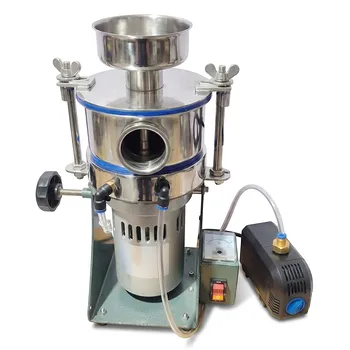
Water Cooled Airflow Ultra Fine Grinder for Low Temperature Material Processing
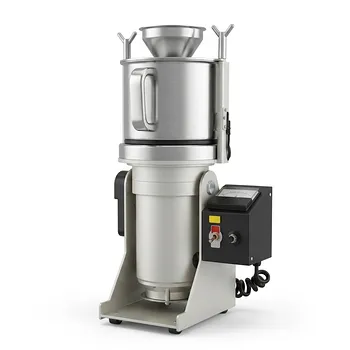
Water Cooled Pulse Jet Ultra Fine Pulverizer for Continuous Grinding
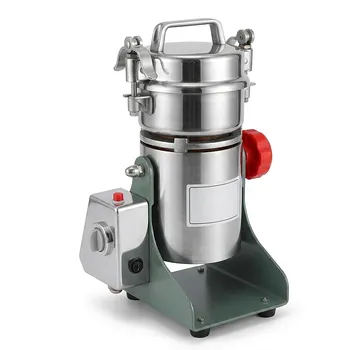
High Speed Swing Type Laboratory Pulverizer for Fine Powder Grinding and Sample Preparation
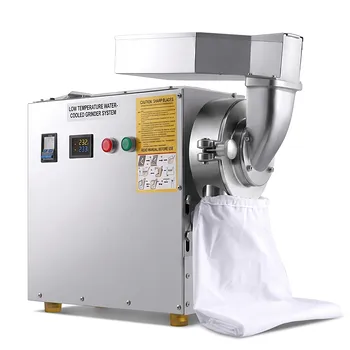
Low Temperature Water Cooled Continuous Feed Grinder Two Stage Coarse and Fine Grinding System
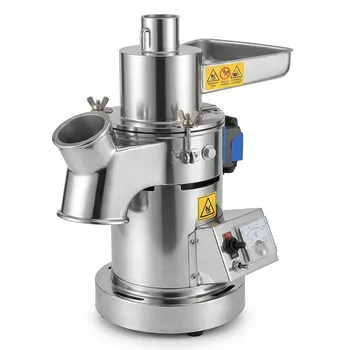
Continuous Feeding Grinder High Efficiency Pulverizer for Lab Sample Preparation
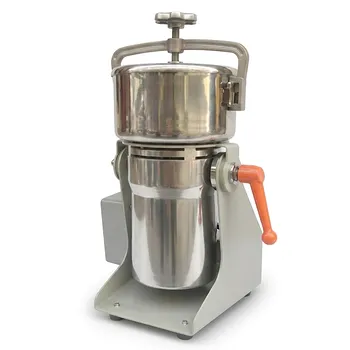
High Speed Laboratory Grinder Efficient Stainless Steel Powder Pulverizer Universal Material Science Mill for Sample Preparation
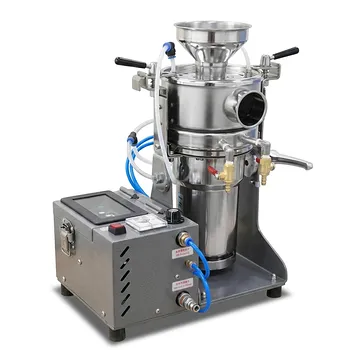
Water Cooled Pulse Jet Ultrafine Grinder
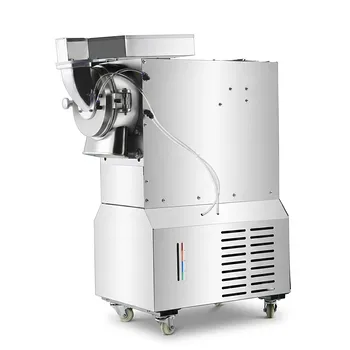
Water Cooled Continuous Feed Pulverizer Laboratory Grade Herb and Material Grinding System
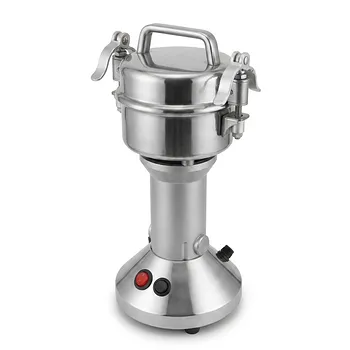
Continuous Feeding Grinding Mill for Dry Fibrous Tough and Hard Materials in Laboratory and Small Production
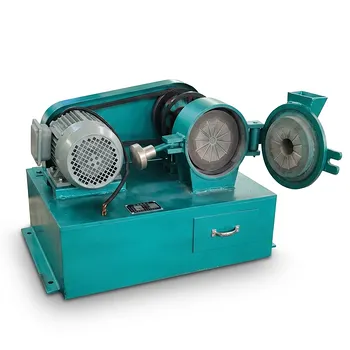
Laboratory Disc Mill Medium Hard Material Grinding Coal Coke Ore Pulverizer
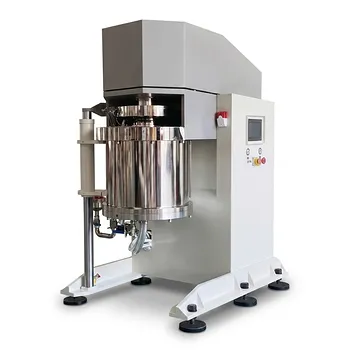
Vertical Nano Bead Mill for Ceramic Materials with Permanent Magnet Motor and High Efficiency Grinding
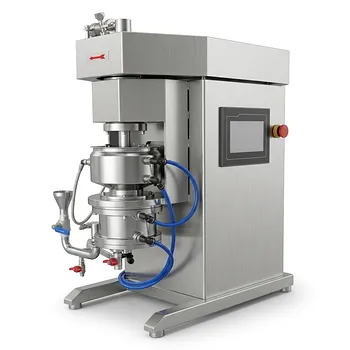
Small Ceramic Structure Laboratory Sand Mill Nanoscale Grinding Dispersion Equipment Seal-less Screen-less Design
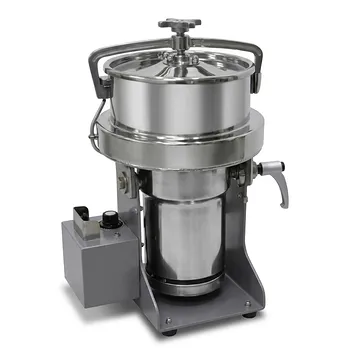
500g Capacity Water Cooled Low Temperature Grinder with Variable Speed and Safety Cover
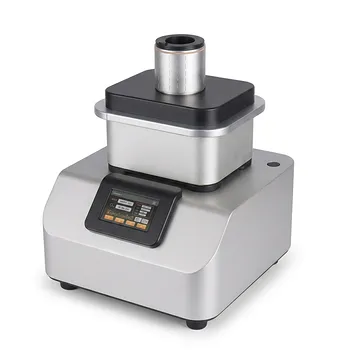
Ultra Centrifugal Mill High Speed Laboratory Grinder for Fibrous and Brittle Sample Preparation
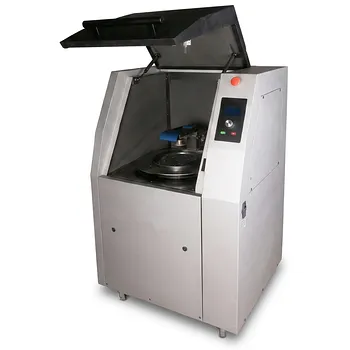
High Speed Vibratory Disc Mill for Spectral Analysis Sample Preparation and Rapid Powder Grinding
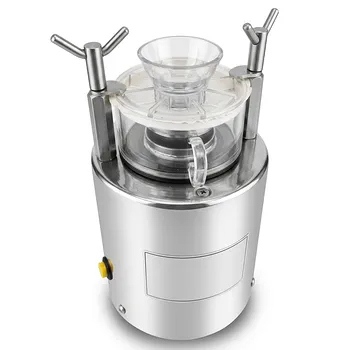
Laboratory Desktop Ultra Fine Powder Grinder High Speed Micronizing Pulverizer
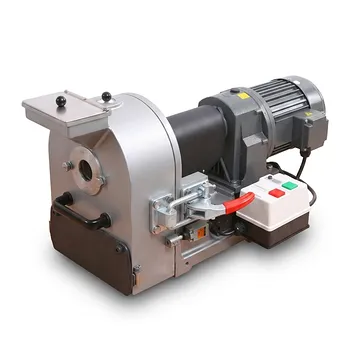
Laboratory Disc Mill for Fine Sample Preparation of Hard and Brittle Materials
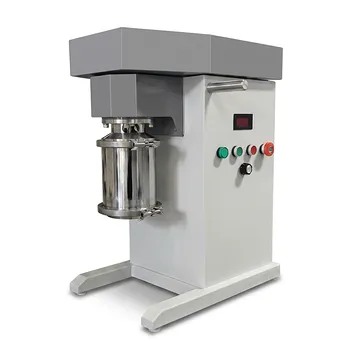
Nano Laboratory Bead Mill Desktop Sub Micron Sand Mill Screenless Seal Less Powder Grinder