Why is mechanical grinding using a mill necessary for the pretreatment of Pond Ash? Unlock Superior Reactivity
Updated 5 months ago
Mechanical grinding is a critical pretreatment step because it transforms Pond Ash from an inert waste into a reactive binder by refining particle size and initiating mechanochemical activation. This process physically breaks down aggregates while simultaneously increasing the surface energy and roughness of the particles, which is essential for the subsequent chemical reactions needed in geopolymer production.
Grinding Pond Ash transcends simple size reduction; it provides the mechanochemical stimulus required to increase surface reactivity and structural density, ensuring the material can effectively bond and immobilize hazardous heavy metals.
The Role of Mechanochemical Activation
Enhancing Surface Reactivity
Mechanical milling does more than just make particles smaller; it increases their surface roughness and surface energy. This state of high energy makes the Pond Ash more susceptible to chemical attacks during the alkali activation process.
Breaking Down Aggregates
Pond Ash naturally forms clusters or aggregates that limit the material's overall reactivity. A mill effectively disintegrates these aggregates, exposing more surface area for the reaction and ensuring a more uniform distribution of particles.
Optimizing Particle Packing
By refining the size of the particles, grinding allows for a higher compaction density. In a geopolymer or cementitious system, smaller, well-distributed particles fill the voids between larger ones, leading to a much denser microstructure.
Structural Integrity and Environmental Safety
Creating a Denser Geopolymer Matrix
The increased reactivity and better packing achieved through grinding result in a denser geopolymer structure. This improved density is the primary driver behind the material's mechanical strength and long-term durability.
Immobilizing Heavy Metals
A denser matrix is more effective at trapping contaminants. Grinding ensures that the resulting geopolymer has lower heavy metal leaching rates, turning a potential environmental hazard into a stable, usable construction material.
Synergistic Effects with Separation Equipment
Improving Density Separation Efficiency
While grinding is the focus, pre-sieving to a specific range (such as below 2mm) prepares the ash for more efficient processing. A narrow particle size distribution is vital for the performance of gravity-based separation equipment.
Accuracy in Heavy Metal Removal
When particle sizes are uniform, density separation equipment can more accurately distinguish between ash residues and heavy metal particles. This synergy between grinding and separation ensures a cleaner, safer final product.
Understanding the Trade-offs and Pitfalls
Energy Consumption vs. Reactivity Gains
The primary trade-off in mechanical grinding is the high energy cost associated with long milling times. Operators must find the "sweet spot" where the gains in mechanochemical activity justify the electrical overhead.
Over-milling Risks
Excessive grinding can lead to particle agglomeration, where very fine particles begin to stick together due to electrostatic forces. This can actually reduce the effective surface area and negate the benefits of the grinding process.
Equipment Wear and Maintenance
Pond Ash is abrasive, leading to significant wear and tear on mill liners and grinding media. Routine maintenance and the selection of durable materials are necessary to prevent contamination of the ash from the mill itself.
How to Apply Grinding to Your Pretreatment Process
Before implementing a full-scale milling operation, it is essential to align your grinding parameters with your final material requirements.
- If your primary focus is Maximum Compressive Strength: Focus on extended milling times to achieve the highest possible surface energy and finest particle distribution for a dense matrix.
- If your primary focus is Environmental Compliance: Prioritize grinding consistency to ensure the microstructure is dense enough to meet strict heavy metal leaching limit regulations.
- If your primary focus is Operational Efficiency: Use industrial sieving to narrow the size distribution before milling to reduce the load on the gear and improve gravity separation accuracy.
By correctly leveraging mechanical grinding, you transform underutilized Pond Ash into a high-performance, environmentally stable resource.
Summary Table:
| Key Feature | Mechanism | Impact on Final Material |
|---|---|---|
| Mechanochemical Activation | Increases surface energy and roughness | Enhances chemical bonding & reactivity |
| Aggregate Disintegration | Breaks down clusters/clumps | Ensures uniform particle distribution |
| Particle Refinement | Optimizes size for better packing | Increases compaction density & strength |
| Matrix Densification | Creates a non-porous structure | Superior immobilization of heavy metals |
Transform Waste into High-Performance Materials
Achieving the perfect mechanochemical activation for Pond Ash requires precision and reliability. We provide complete laboratory sample preparation solutions tailored for material science research and industrial waste valorization.
Our specialized powder processing and compaction equipment is designed to help you reach the "sweet spot" of reactivity and density. Our extensive product lines include:
- Advanced Milling: Planetary ball mills, jet mills, and liquid nitrogen cryogenic grinders for optimal particle refinement.
- Size Control: Sieve shakers (vibratory/air-jet) and crushers (jaw/roll) for precise pretreatment.
- Compaction Excellence: A full spectrum of hydraulic presses, including Cold/Warm Isostatic Presses (CIP/WIP), vacuum hot presses, and XRF pellet presses.
- Homogeneous Mixing: High-efficiency powder mixers and defoaming mixers for consistent geopolymer matrices.
Elevate your research efficiency and ensure environmental compliance. Contact our specialists today to find the right equipment for your lab!
References
- Piyush Gupta, N. P. Gupta. Fly ash-based geopolymers: an emerging sustainable solution for heavy metal remediation from aqueous medium. DOI: 10.1186/s43088-021-00179-8
Mentioned Products
- Small Laboratory Colloid Mill for Ultra-Fine Wet Grinding and Emulsification
- Cross Beater Mill for Brittle Material Grinding and Continuous Fine Crushing Industrial Sample Preparation
- Laboratory Small Horizontal Sand Mill for Nano Materials Wet Grinding
- Laboratory Basket Sand Mill for Wet Grinding and Dispersion of Viscous Slurries
- Precision Soil Disc Mill for Laboratory Fine Grinding and Environmental Sample Preparation
People Also Ask
- What is the purpose of using a laboratory mill to grind dried precipitates? Optimize TiO2/AuNRs Catalyst Homogeneity
- What is the technical significance of the relative collision velocity of grinding media? Maximize Milling Efficiency
- Why use a grinding mill to refine mine filling samples to below 75μm? Ensure Accurate XRF and Chemical Analysis
- What Role Does Lab Grinding Play in Banana Fiber Thermal Coatings? Optimize Waste Into High-Performance Barriers
- Why is high-efficiency ultra-fine grinding required for Portland cement before XRD? Get Accurate Rietveld Results

Tech Team · PowderPreparation
Last updated on May 14, 2026
Related Products
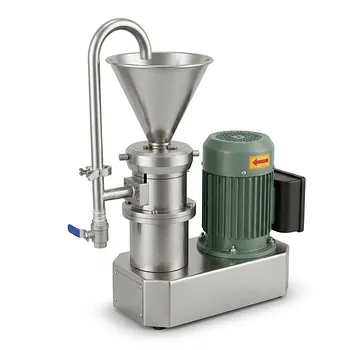
Small Laboratory Colloid Mill for Ultra-Fine Wet Grinding and Emulsification
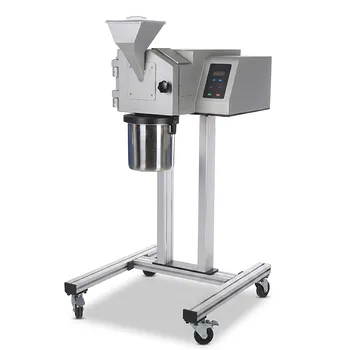
Cross Beater Mill for Brittle Material Grinding and Continuous Fine Crushing Industrial Sample Preparation
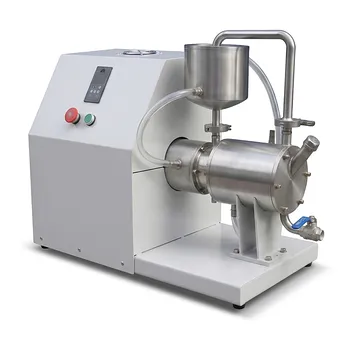
Laboratory Small Horizontal Sand Mill for Nano Materials Wet Grinding
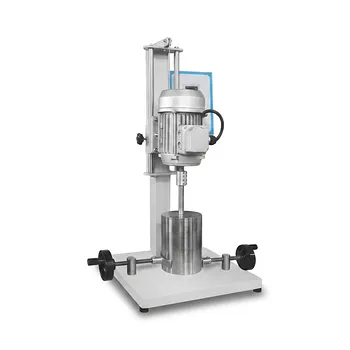
Laboratory Basket Sand Mill for Wet Grinding and Dispersion of Viscous Slurries
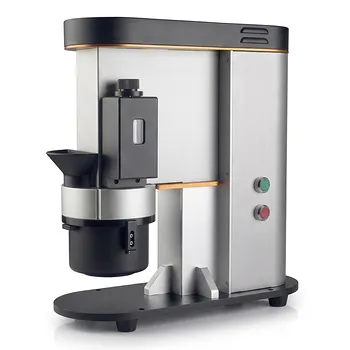
Precision Soil Disc Mill for Laboratory Fine Grinding and Environmental Sample Preparation
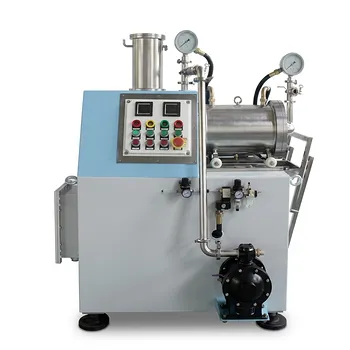
Horizontal Bead Mill for Nanoscale Grinding and Advanced Material Powder Processing
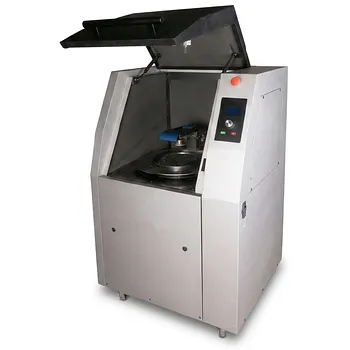
High Speed Vibratory Disc Mill for Spectral Analysis Sample Preparation and Rapid Powder Grinding
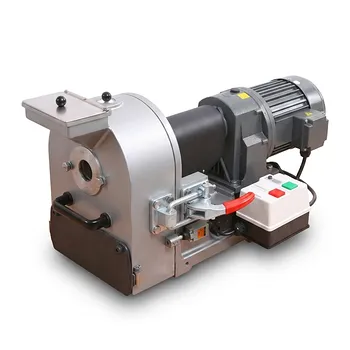
Laboratory Disc Mill for Fine Sample Preparation of Hard and Brittle Materials
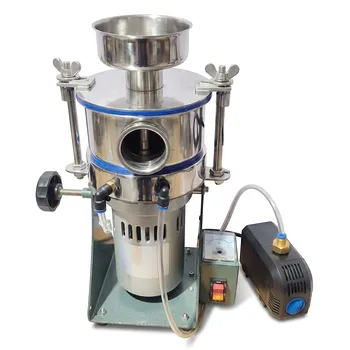
Water Cooled Airflow Ultra Fine Grinder for Low Temperature Material Processing
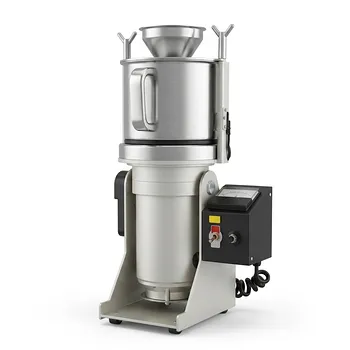
Water Cooled Pulse Jet Ultra Fine Pulverizer for Continuous Grinding
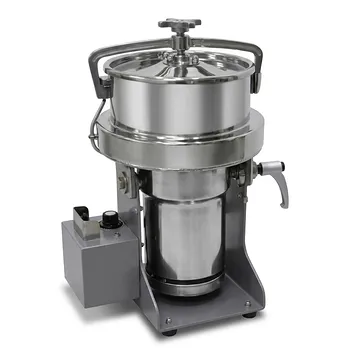
500g Capacity Water Cooled Low Temperature Grinder with Variable Speed and Safety Cover
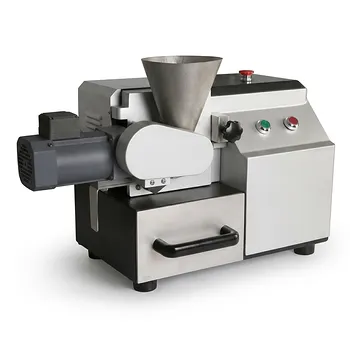
Laboratory Hammer Mill for Coal Quality Analysis and Brittle Mineral Grinding
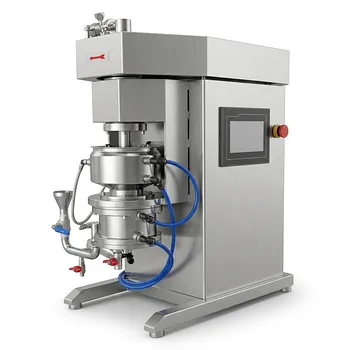
Small Ceramic Structure Laboratory Sand Mill Nanoscale Grinding Dispersion Equipment Seal-less Screen-less Design
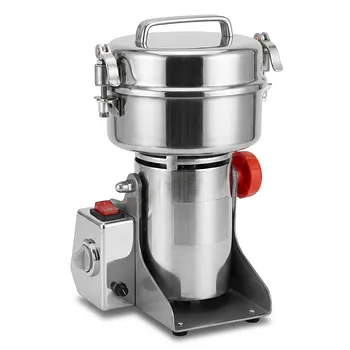
High Speed Laboratory Powder Grinder Small Batch Sample Preparation Mill
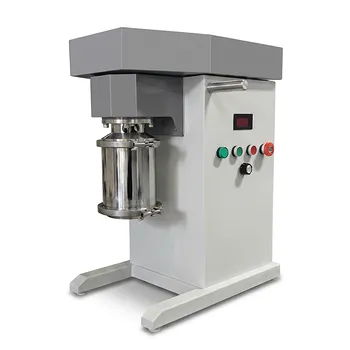
Nano Laboratory Bead Mill Desktop Sub Micron Sand Mill Screenless Seal Less Powder Grinder
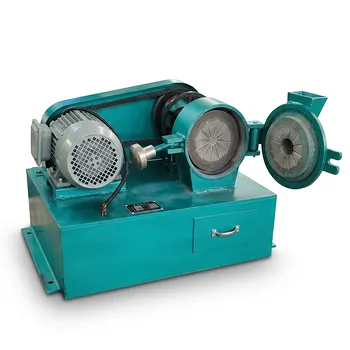
Laboratory Disc Mill Medium Hard Material Grinding Coal Coke Ore Pulverizer
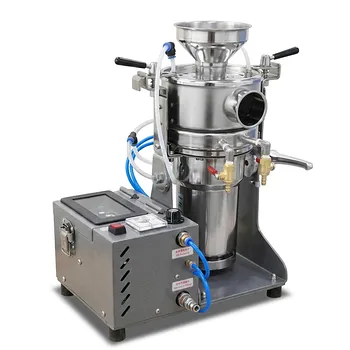
Water Cooled Pulse Jet Ultrafine Grinder
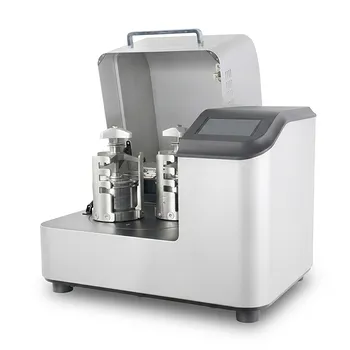
High Energy Planetary Ball Mill for Nano Scale Grinding and Mechanical Alloying
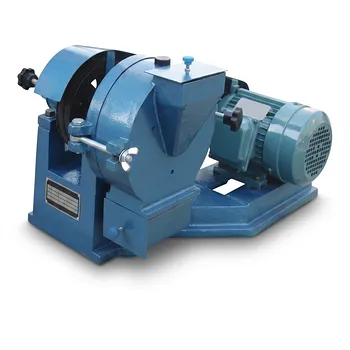
Laboratory Disc Mill for Ore and Mineral Sample Preparation