Why is laboratory mixing and stirring equipment required for the preparation of lightweight brick mixtures? Achieve Uniformity
Updated 4 months ago
Achieving a uniform brick slurry requires high-intensity laboratory mixing to ensure that liquid phases and dry powders transition into a workable, homogenous state. By utilizing high-speed rotating blades, these mixers generate the necessary convection and shearing forces to penetrate powder interstices and break up fine material agglomerates. This mechanical intervention is essential for maintaining the stability of the mold casting process and ensuring the chemical reactions required for structural integrity occur uniformly throughout the mixture.
Laboratory mixing equipment is the only way to guarantee that water and binders like lime are distributed at a microscopic level, preventing structural weak points and ensuring consistent density in the final lightweight brick.
Ensuring Homogeneity in Complex Powder Mixtures
Breaking Up Fine Powder Agglomerates
Fine materials like iron tailings and lime powder naturally tend to clump together due to moisture or electrostatic forces. High-speed stirring blades provide the mechanical energy needed to shear these clusters apart, ensuring every particle is available for the mixture.
Achieving Deep Water Penetration
Water does not always flow easily into the tiny gaps, or interstices, between dry powder particles. High-intensity stirring forces water into these spaces, creating a slurry with high workability that flows predictably during the mold casting stage.
Uniform Coating of Aggregates
For a brick to hold its shape, the binder (such as lime slurry) must uniformly coat the surfaces of crushed stone and other aggregates. Laboratory mixers create a consistent "envelope" of binder around each aggregate particle, which is vital for the material’s structural performance.
The Chemical and Structural Impact of Mixing
Facilitating the Digestion Reaction
In mixtures containing lime, the "digestion" or hydration reaction must occur uniformly before the molding process begins. Precise laboratory mixing ensures that heat and moisture are distributed evenly, preventing localized "hot spots" or unreacted pockets of lime that could cause the brick to crack later.
Maximizing Density During Molding
The quality of the initial mix directly dictates the success of the subsequent pressure molding phase. A well-mixed slurry allows for higher packing density, which results in a finished lightweight brick with superior compressive strength and lower porosity.
Stabilizing the Mold Casting Process
If the mixture is not uniform, the slurry may segregate or settle unevenly within the mold. Laboratory-grade equipment maintains the suspension of solids within the liquid phase, ensuring that every brick produced from the batch has identical physical properties.
Understanding the Trade-offs and Pitfalls
The Risk of Over-Mixing
While high-intensity stirring is necessary, excessive mixing time can lead to "over-processing," where the mechanical action begins to break down the aggregates themselves. This can alter the intended grain size distribution and negatively impact the final brick's insulation properties or strength.
Energy Consumption and Heat Generation
High-speed shearing generates significant friction, which can prematurely raise the temperature of the mixture. If the temperature rises too quickly, it may accelerate chemical reactions like lime hydration before the mixture is even placed in the mold, leading to "flash setting" and wasted material.
How to Apply This to Your Project
Making the Right Choice for Your Goal
- If your primary focus is maximizing structural density: Utilize forced powder mixers with high-speed shearing blades to ensure complete binder coating and particle distribution.
- If your primary focus is process stability and flow: Prioritize equipment that emphasizes high-intensity stirring to achieve deep water penetration and high slurry workability.
- If your primary focus is utilizing industrial waste (like tailings): Ensure your mixer is capable of high convection actions to blend materials of significantly different weights and textures.
Precise laboratory mixing is the fundamental bridge between raw dry ingredients and a high-performance, structurally sound lightweight brick.
Summary Table:
| Mixing Objective | Key Mechanism | Benefit for Lightweight Bricks |
|---|---|---|
| Homogeneity | High-speed shearing | Breaks fine powder agglomerates to prevent weak points. |
| Workability | High-intensity stirring | Forces deep water penetration into powder interstices. |
| Binding | Mechanical convection | Ensures uniform coating of binders (lime) on aggregates. |
| Chemical Stability | Heat/Moisture distribution | Facilitates uniform lime digestion and prevents cracking. |
| Density | Optimal slurry blending | Maximizes packing density during subsequent molding steps. |
Elevate Your Material Research with KinTek Solutions
Precision in the laboratory is the foundation of structural integrity. At KinTek, we provide complete laboratory sample preparation solutions specifically designed for material science. Whether you are optimizing lightweight brick mixtures or developing advanced ceramics, our equipment ensures the homogeneity and consistency your project demands.
Our specialized lineup includes:
- Powder Processing: High-performance powder mixers, defoaming mixers, and advanced mills (planetary, jet, and disc).
- Compaction Equipment: A full spectrum of hydraulic presses, including Cold/Warm Isostatic Presses (CIP/WIP), vacuum hot presses, and standard lab presses.
- Size Reduction: Heavy-duty jaw and roll crushers, plus liquid nitrogen cryogenic grinders for sensitive materials.
Ready to achieve superior sample consistency? Contact our technical experts today to find the perfect mixing and pressing solution for your laboratory needs.
References
- H. H. M. Darweesh. Light-weight bricks from clay combined with cement kiln dust and sludge wastes. DOI: 10.33545/26648776.2021.v3.i1a.36
Mentioned Products
- Horizontal Ribbon Mixer for Uniform Powder and Slurry Mixing
- Three-Dimensional Motion Mixer for Laboratory Powder and Granule Blending
- Inclined Mixer for Homogeneous Powder Blending and Grinding
- High Shear Laboratory Emulsifier for Mixing and Homogenization
- 150×125mm Laboratory Jaw Crusher for Medium and Fine Crushing of Brittle Materials
People Also Ask
- How does the fill level of a horizontal mixer influence the selection of the stirring mechanism? Optimize Your Design
- What is the technical significance of radial clearance in horizontal mixers? Boost Homogeneity & Reduce Dead Zones.
- What is the function of additives like cellulose or wax in lab mixers? Enhance Pellet Integrity and Strength
- How does a laboratory mixer ensure the final performance of lead-zinc metallurgical slag-based mortar? Best Practices
- How does a laboratory mixer facilitate mixing PE wax and bentonite? Master Shear Force for Superior Material Properties

Tech Team · PowderPreparation
Last updated on Jun 03, 2026
Related Products
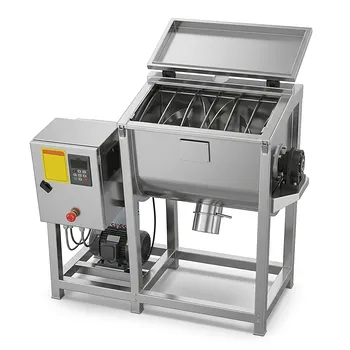
Horizontal Ribbon Mixer for Uniform Powder and Slurry Mixing
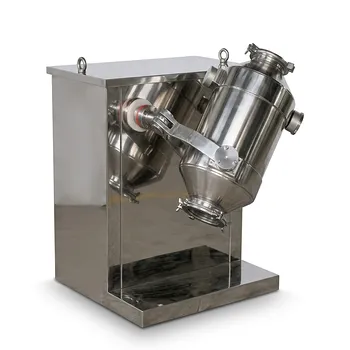
Three-Dimensional Motion Mixer for Laboratory Powder and Granule Blending
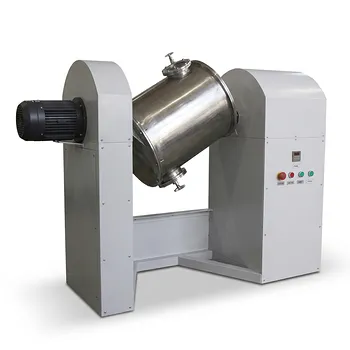
Inclined Mixer for Homogeneous Powder Blending and Grinding
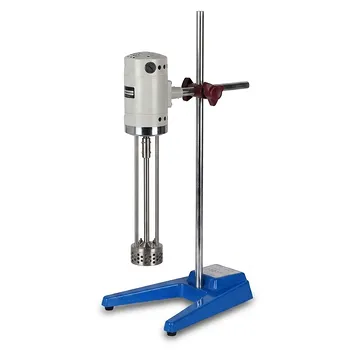
High Shear Laboratory Emulsifier for Mixing and Homogenization
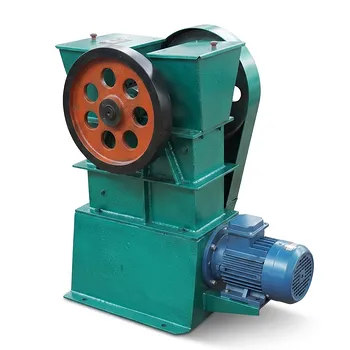
150×125mm Laboratory Jaw Crusher for Medium and Fine Crushing of Brittle Materials

High Viscosity Planetary Centrifugal Mixing and Vacuum Defoaming Machine for Laboratory Material Preparation
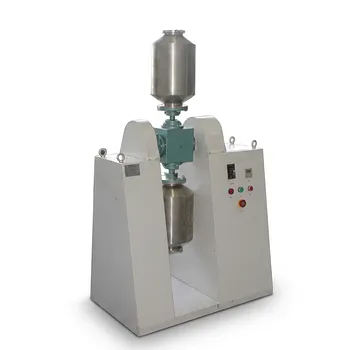
Multi Dimensional Universal Mixer for High Uniformity Powder Blending
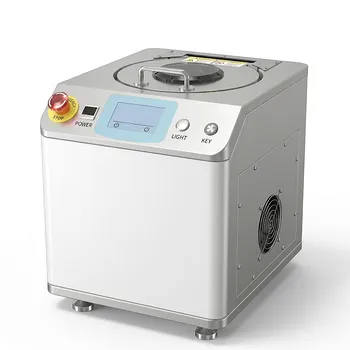
High Efficiency Vacuum Planetary Centrifugal Mixer and Defoaming Machine for Industrial Material Research and Precise Laboratory Powder Dispersion
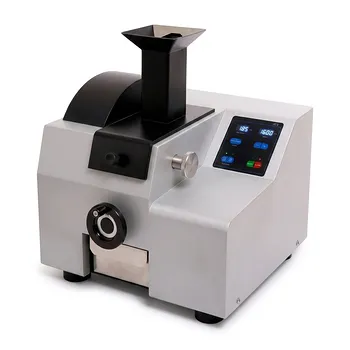
Laboratory Benchtop Jaw Crusher for Hard Brittle Materials Primary Size Reduction and Sample Preparation

Dual Cup Vacuum Centrifugal Mixer Planetary Paste Defoaming Machine Industrial Material Processor
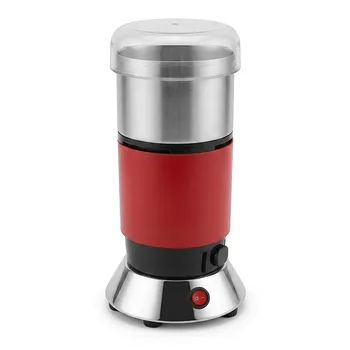
Micro Solid Sample Grinder High Speed Pulverizer for Laboratory Small Batch Grinding
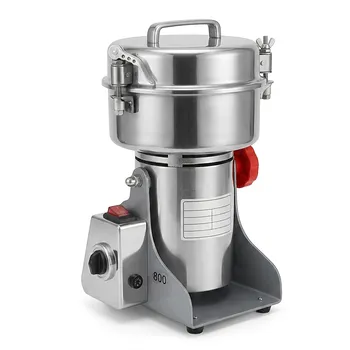
Small High-Speed Laboratory Grinder for Rapid Sample Preparation
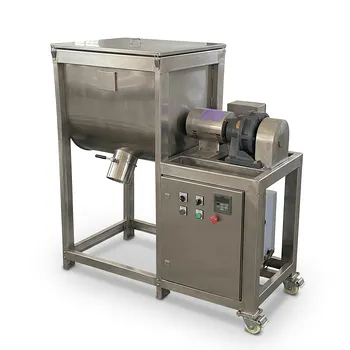
Horizontal Ribbon Mixer for Dry Powder and Slurry Blending
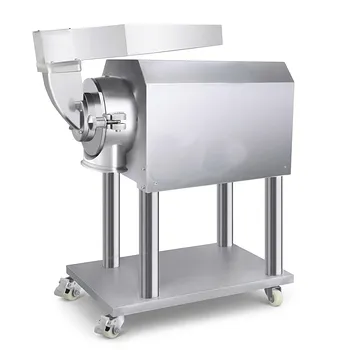
High Speed Small Laboratory Crusher for Dry Material Sample Preparation
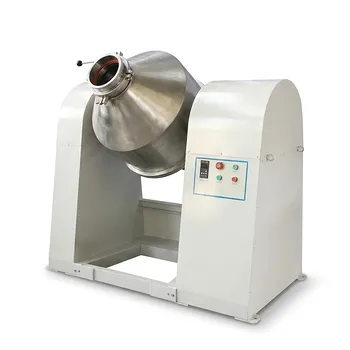
Industrial Double Cone Mixer for Powder Blending and Homogeneous Mixing
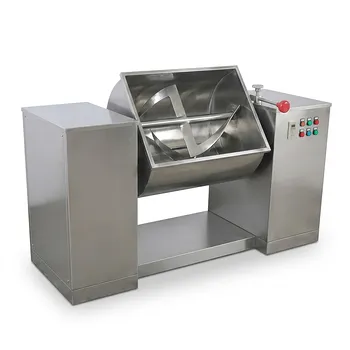
Horizontal Trough Mixer for Uniform Powder and Paste Blending
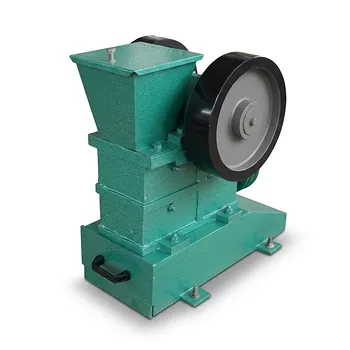
Laboratory Small Jaw Crusher 100x60mm
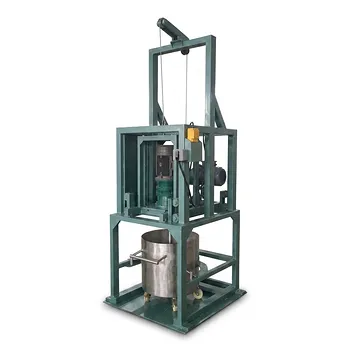
High-Speed Simple Disperser for Efficient Mixing, Dispersion, and Emulsification
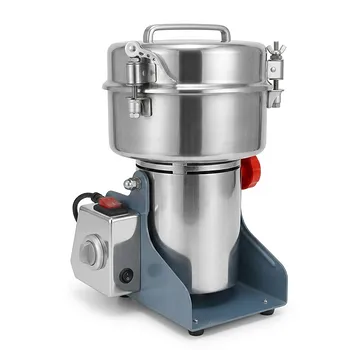
Small High-Speed Grinder for Efficient Laboratory Sample Preparation