Why is it critical to use iron-free grinding for quartz composites? Protect purity and structural integrity.
Updated 5 months ago
The necessity of iron-free grinding is driven by the requirement for ultra-high purity and chemical stability in composite manufacturing. Using iron-free equipment ensures that the quartz filler maintains a silica content of at least 99.0%. This prevents metallic contaminants from reacting with the resin matrix, which would otherwise compromise the mechanical properties and appearance of the final material.
To maintain the performance of quartz-reinforced composites, manufacturers must eliminate metallic contamination during the milling stage. Failure to do so results in compromised resin curing, reduced chemical stability, and irreversible aesthetic defects in the finished product.
Preserving Chemical Purity and Material Integrity
Maintaining the 99.0% Silica Threshold
Quartz powder serves as a high-performance filler that relies on extreme purity to function effectively within a composite. Iron-free grinding and air classification processes are the only reliable methods to ensure the final powder maintains a silica content of at least 99.0%.
Preventing Metallic Catalyst Interference
In many composite applications, quartz is paired with unsaturated polyester resins. Metallic impurities introduced by standard grinding equipment can act as unintended catalysts or inhibitors, interfering with the curing reaction and leading to structural weaknesses.
Ensuring Long-term Chemical Stability
The introduction of iron particles creates sites for potential oxidation and chemical degradation within the composite matrix. By utilizing iron-free processes, manufacturers protect the chemical stability of the quartz, ensuring the composite remains inert and durable in various environments.
The Impact on Physical and Aesthetic Properties
Protecting Aesthetic Color and Clarity
For many high-end quartz composites, such as engineered stone, aesthetic color is a primary selling point. Even trace amounts of iron contamination can cause "yellowing" or dark spotting, rendering the final product visually unacceptable for commercial use.
Managing High Surface Area Reactivity
As quartz is refined into fine powder, its specific surface area increases significantly, which also increases its overall reactivity. This heightened surface area makes the powder even more susceptible to the negative effects of metallic contamination, as there is more "active" space for impurities to bond.
Facilitating Uniform Dispersion
Refined, high-purity powder allows for more uniform dispersion within polymer matrices like PVA or PVP. When iron contaminants are absent, the filler particles can better fill microscopic voids, resulting in a more homogeneous and structurally sound composite.
Understanding the Trade-offs
The Cost of Specialized Equipment
Implementing iron-free systems, such as those using ceramic or alumina liners, involves significantly higher capital expenditure than standard steel ball mills. These materials are more expensive to procure and require specialized maintenance protocols.
Increased Processing Complexity
Air classification and iron-free milling require precise control over particle size distribution, typically targeting ranges between 60 to 100 μm. This level of precision requires sophisticated monitoring systems to ensure that the "iron-free" environment is not compromised by wear on the specialized liners.
Reduced Throughput Potential
Non-metallic grinding media are often less dense than steel, which can lead to longer milling times to achieve the same level of fineness. Manufacturers must balance the need for extreme purity against the slower production cycles inherent in iron-free processing.
How to Apply This to Your Project
Making the Right Choice for Your Goal
- If your primary focus is high-end aesthetic finishes: You must utilize iron-free air classification to prevent "spotting" and ensure the natural color of the quartz is preserved.
- If your primary focus is structural resin integrity: Prioritize ceramic-lined grinding equipment to ensure that metallic ions do not disrupt the chemical curing process of your polyester resins.
- If your primary focus is maximizing filler loading: Focus on precision grinding that increases specific surface area while maintaining 99% silica purity to ensure the filler integrates seamlessly into the matrix.
Adopting iron-free grinding is not merely a quality preference, but a technical necessity for ensuring the chemical, structural, and visual success of quartz-reinforced materials.
Summary Table:
| Key Factor | Impact of Iron-Free Grinding | Primary Benefit |
|---|---|---|
| Silica Purity | Maintains content ≥ 99.0% | Ensures high-performance material integrity. |
| Resin Curing | Prevents metallic catalyst interference | Stable structural bonding and uniform curing. |
| Aesthetics | Eliminates metallic spotting/yellowing | Premium color clarity for engineered stone. |
| Reactivity | Controls high surface area interactions | Superior dispersion within polymer matrices. |
Optimize Your Composite Quality with Iron-Free Processing
Achieve unparalleled purity in your material research and production with our specialized solutions. As experts in complete laboratory sample preparation for material science, we specialize in powder processing and compaction equipment designed to eliminate metallic contamination.
Our extensive product line includes:
- Grinding & Milling: Planetary ball mills, jet mills, disc mills, and liquid nitrogen cryogenic grinders.
- Crushing & Sizing: Jaw/roll crushers and vibratory/air-jet sieve shakers.
- Compaction & Pressing: A full spectrum of hydraulic presses, including Cold/Warm Isostatic Presses (CIP/WIP), vacuum hot presses, and XRF pellet presses.
- Mixing: Advanced powder mixers and defoaming mixers for uniform dispersion.
Whether you are refining quartz for engineered stone or high-tech composites, we provide the tools to ensure 99.0%+ silica purity and flawless material performance. Contact our technical team today to find the perfect equipment for your application!
References
- Przemysław Pączkowski, Karolina Głogowska. Preparation and Characterization of Quartz-Reinforced Hybrid Composites Based on Unsaturated Polyester Resin from Post-Consumer PET Recyclate. DOI: 10.3390/ma17051116
Mentioned Products
- Small Ceramic Structure Laboratory Sand Mill Nanoscale Grinding Dispersion Equipment Seal-less Screen-less Design
- Water Cooled Pulse Jet Ultrafine Grinder
- Small High-Speed Laboratory Grinder for Powder Processing
- Water Cooled Airflow Ultra Fine Grinder for Low Temperature Material Processing
- Vertical Nano Bead Mill for Ceramic Materials with Permanent Magnet Motor and High Efficiency Grinding
People Also Ask
- Why is a sand mill used to process solid carbon-forming agents like PPVA and PER? Enhance Dispersion & Flame Retardancy
- What is the role of laboratory grinding equipment in the preparation of waste glass powder for eco-friendly red bricks?
- Why is grinding equipment necessary for SnO2-Sb2O3 xerogels? Maximize surface area and photocatalytic activity.
- How does laboratory grinding or pulverizing equipment influence eggshell-derived adsorbents? Maximize Surface Area.
- What is the primary role of grinding equipment in BLA preparation? Enhance Reactivity & Material Uniformity

Tech Team · PowderPreparation
Last updated on May 14, 2026
Related Products
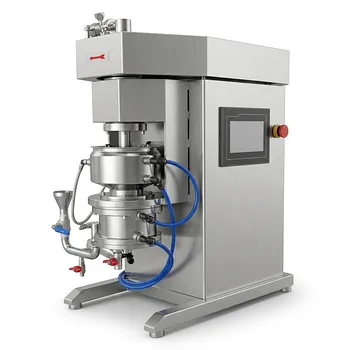
Small Ceramic Structure Laboratory Sand Mill Nanoscale Grinding Dispersion Equipment Seal-less Screen-less Design
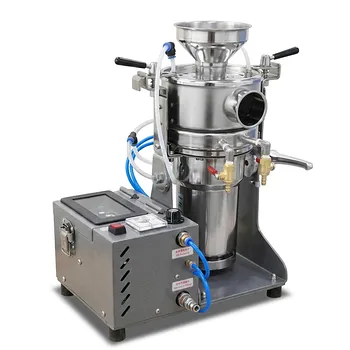
Water Cooled Pulse Jet Ultrafine Grinder
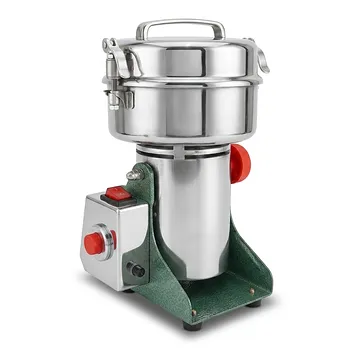
Small High-Speed Laboratory Grinder for Powder Processing
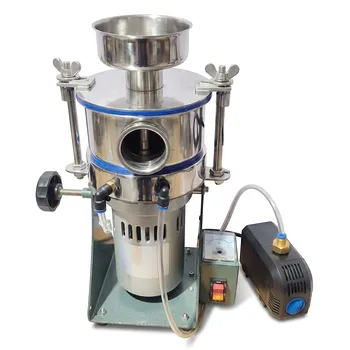
Water Cooled Airflow Ultra Fine Grinder for Low Temperature Material Processing
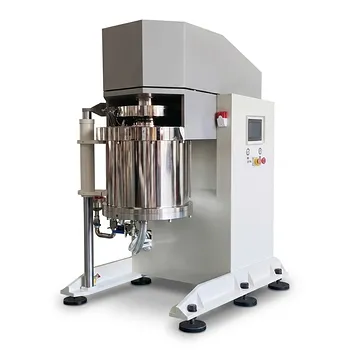
Vertical Nano Bead Mill for Ceramic Materials with Permanent Magnet Motor and High Efficiency Grinding
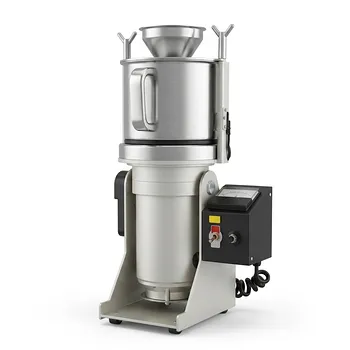
Water Cooled Pulse Jet Ultra Fine Pulverizer for Continuous Grinding
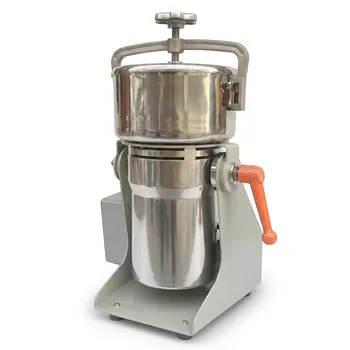
High Speed Laboratory Grinder Efficient Stainless Steel Powder Pulverizer Universal Material Science Mill for Sample Preparation
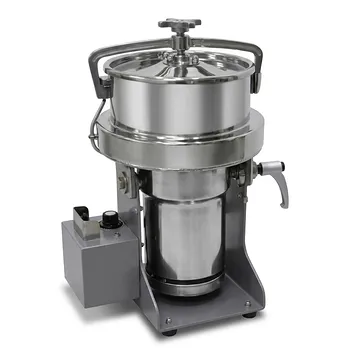
500g Capacity Water Cooled Low Temperature Grinder with Variable Speed and Safety Cover
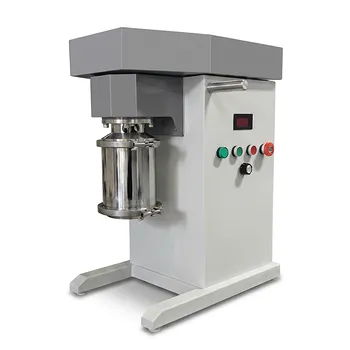
Nano Laboratory Bead Mill Desktop Sub Micron Sand Mill Screenless Seal Less Powder Grinder
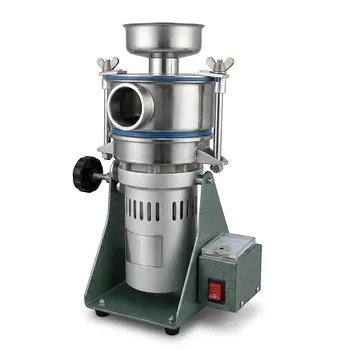
Small Airflow Ultra-Fine Grinder for Laboratory Sample Preparation
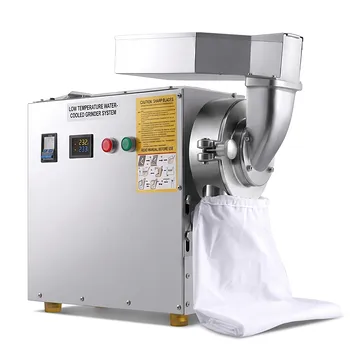
Low Temperature Water Cooled Continuous Feed Grinder Two Stage Coarse and Fine Grinding System
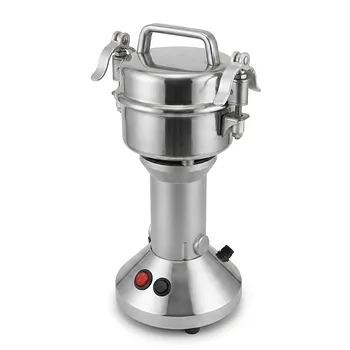
Continuous Feeding Grinding Mill for Dry Fibrous Tough and Hard Materials in Laboratory and Small Production
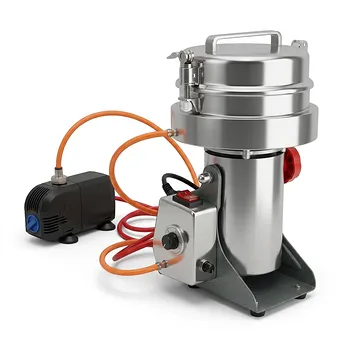
Water Cooled High Speed Grinder with Cryogenic Option for Laboratory Sample Preparation
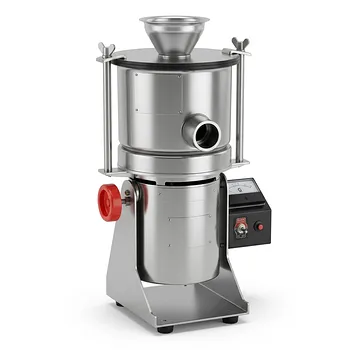
Laboratory Ultrafine Impact and Airflow Grinder for Precise Particle Size Control
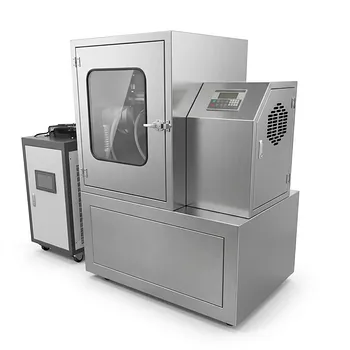
Vibratory Superfine Grinder for Ultra Fine Laboratory Powder Milling

Vertical Square Planetary Ball Mill for Laboratory Sample Preparation and Nanoscale Grinding
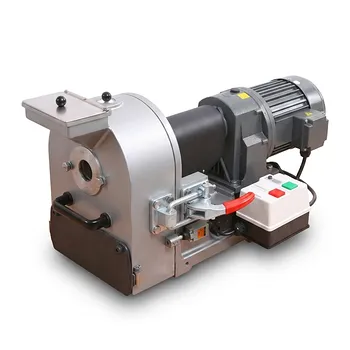
Laboratory Disc Mill for Fine Sample Preparation of Hard and Brittle Materials

High Energy Omnidirectional Planetary Ball Mill 16L

Miniature Planetary Ball Mill with Vacuum Grinding and High Efficiency for Laboratory Sample Preparation