Why is high-precision pressing equipment required for the preparation of SEPB specimens? Master Crack Control.
Updated 4 months ago
Precision is the cornerstone of fracture toughness testing.
High-precision pressing equipment is required for Single-Edge Pre-cracked Beam (SEPB) specimens because it generates a meticulously controlled local stress field that guides crack initiation and propagation. This equipment ensures the crack follows a predetermined direction and reaches a specific, repeatable length, overcoming the inherent inconsistencies and depth-control failures associated with manual or traditional machining methods.
To achieve reliable fracture toughness data, the pre-crack must be geometric and uniform. High-precision pressing equipment replaces manual variability with mechanical certainty, ensuring that the specimen's failure during testing is a result of material properties rather than manufacturing defects.
The Role of Controlled Stress Fields
Guiding Crack Initiation
High-precision equipment applies force with extreme stability, creating a localized stress concentration at the intended site. This prevents the crack from starting prematurely or in the wrong location, which is a common failure point in manual preparation.
Ensuring Directional Propagation
Once a crack initiates, it must travel in a straight line to maintain the validity of the SEPB test. Precision pressing maintains axial alignment, ensuring the crack propagates through the beam's cross-section without deviating or twisting.
Achieving Specific Crack Lengths
The equipment allows for minute adjustments in displacement or load, enabling the operator to stop the crack at a precise depth. This level of control is vital for meeting standardized testing requirements that dictate strict crack-to-width ratios.
Achieving Material Standardization
Eliminating Internal Density Gradients
Beyond the crack itself, high-precision hydraulic presses provide uniform pressure distribution across the specimen. This eliminates density gradients within the "green body" or material structure, which would otherwise cause unpredictable crack behavior.
Minimizing Statistical Fluctuation
In reliability studies, manufacturing defects can significantly increase fluctuations in the Weibull modulus. By using precision equipment, you ensure that the specimens are highly consistent, allowing for a more accurate prediction of the material’s true characteristics.
Enhancing Surface and Dimensional Accuracy
Similar to how ring molds ensure concentricity for microwave testing, precision pressing ensures the SEPB specimen fits perfectly into its test fixtures. Dimensional accuracy reduces measurement errors caused by misalignments or "wobble" during the final fracture test.
Understanding the Trade-offs
Equipment Complexity and Cost
High-precision presses represent a significant capital investment compared to traditional notch-cutting tools. They require specialized training to operate and regular calibration to ensure the sensors and hydraulic systems maintain their accuracy over time.
Material Sensitivity
Different materials respond uniquely to rapid stress fields. While high-precision pressing offers control, the operator must still determine the correct loading rate; applying pressure too quickly can lead to catastrophic failure rather than a controlled pre-crack.
Optimizing Your SEPB Specimen Preparation
How to Apply This to Your Project
Selecting the right approach depends on the phase of your research and the sensitivity of the material being tested.
- If your primary focus is Standardized Research (ASTM/ISO): Utilize a high-precision hydraulic press with automated shut-off triggers to ensure every pre-crack depth falls within the required tolerance.
- If your primary focus is High-Volume Quality Control: Prioritize equipment with programmable loading profiles to maintain consistency across different batches and operators.
- If your primary focus is Small-Sample Reliability: Focus on eliminating density gradients by using precision tooling that ensures uniform pressure application across the entire specimen volume.
By mastering the control of the local stress field, you transform pre-cracking from an unpredictable craft into a rigorous, repeatable scientific process.
Summary Table:
| Key Requirement | Role of High-Precision Equipment | Impact on SEPB Testing |
|---|---|---|
| Crack Initiation | Generates a controlled local stress field | Prevents premature or misplaced cracks |
| Propagation Path | Maintains strict axial alignment | Ensures the crack follows a straight, valid path |
| Depth Accuracy | Minute displacement & load adjustments | Meets specific crack-to-width ratio standards |
| Material Integrity | Uniform pressure distribution | Eliminates density gradients & Weibull fluctuations |
Elevate Your Material Research with Precision Engineering
Achieving repeatable fracture toughness data starts with flawless specimen preparation. At [Brand Name], we provide complete laboratory sample preparation solutions for material science, specializing in advanced powder processing and compaction equipment designed to meet the most rigorous ASTM/ISO standards.
Our extensive product lines are engineered to give you total control over your material properties:
- Advanced Pressing Solutions: A full spectrum of hydraulic presses, including Cold/Warm Isostatic Presses (CIP/WIP), standard lab presses, XRF pellet presses, hot presses, and vacuum hot presses.
- Precision Milling & Grinding: Planetary ball mills, jet mills, liquid nitrogen cryogenic grinders, and disc/rotor mills.
- Sample Processing: Jaw/roll crushers, vibratory/air-jet sieve shakers, and high-performance powder/defoaming mixers.
Don't let manufacturing defects compromise your research results. Partner with experts who understand the nuances of stress fields and material density. Contact us today to find the perfect equipment for your lab!
References
- Qingyu Yao, Huan Qi. Evaluations on Ceramic Fracture Toughness Measurement by Edge Chipping. DOI: 10.3390/coatings12081146
Mentioned Products
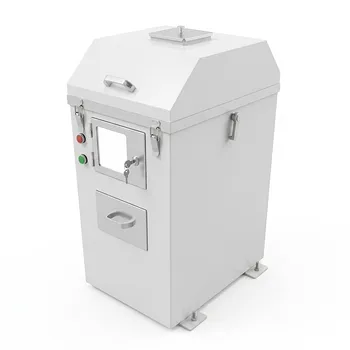
- Laboratory Sealed Hammer Blade Crusher Divider for High Hardness Sample Preparation
- Small Trace Sample High Speed Pulverizer Grinder Laboratory Powder Mill
- 6-Ton Small Single-Punch Tablet Press — Laboratory Powder & Granule Tableting Equipment / Tablet Forming Machine
- Small High-Speed Grinder for Efficient Laboratory Sample Preparation
- Sealed Disc Pulverizer Customized Model
People Also Ask
- What role does a laboratory hammer mill play in bio-based particleboard prep? Optimize Feedstock for Better Bonding
- What role does a laboratory hammer mill play in composite powder prep? Precision Grinding for Uniform Blending.
- Why use lab mills for corncob size reduction? Boost activated carbon surface area and activation efficiency.
- What is the primary function of industrial mechanical crushing equipment for coconut shell powder composites?
- How does a laboratory hydraulic press ensure ceramic green body quality? Precision Compaction for Bismuth Ferrite

Tech Team · PowderPreparation
Last updated on Jun 03, 2026
Related Products
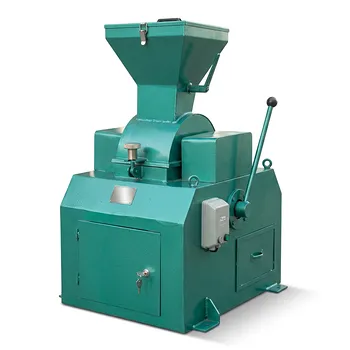
Laboratory Sealed Hammer Blade Crusher Divider for High Hardness Sample Preparation
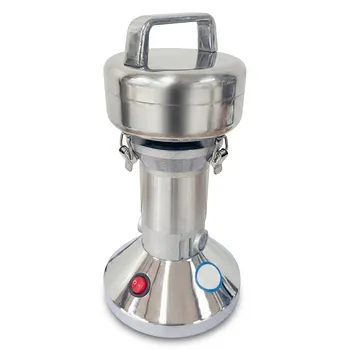
Small Trace Sample High Speed Pulverizer Grinder Laboratory Powder Mill
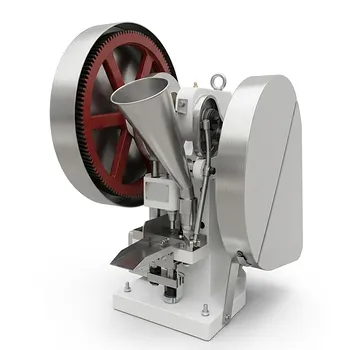
6-Ton Small Single-Punch Tablet Press — Laboratory Powder & Granule Tableting Equipment / Tablet Forming Machine
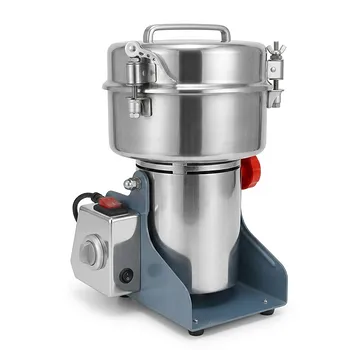
Small High-Speed Grinder for Efficient Laboratory Sample Preparation
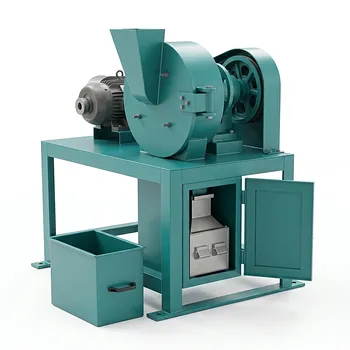
Sealed Disc Pulverizer Customized Model
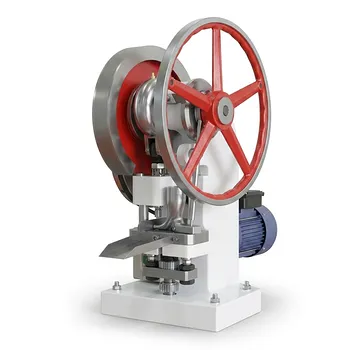
5 Ton Single Punch Tablet Press Laboratory Small Batch Production
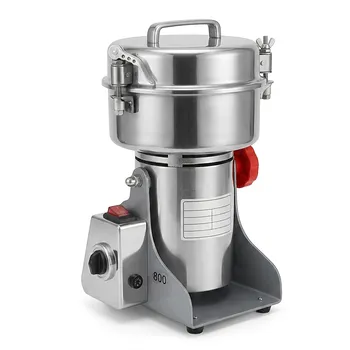
Small High-Speed Laboratory Grinder for Rapid Sample Preparation
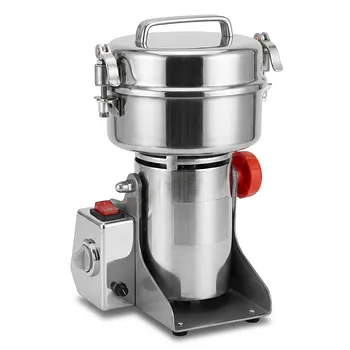
High Speed Laboratory Powder Grinder Small Batch Sample Preparation Mill
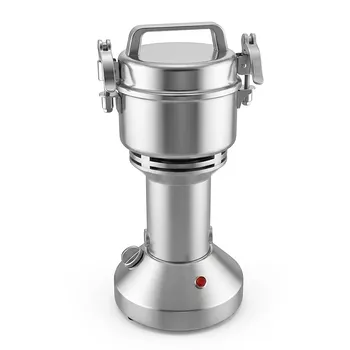
Small High Speed Upright Grinder for Laboratory Sample Preparation
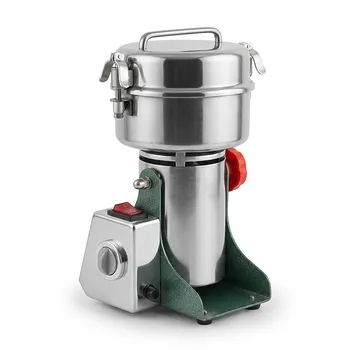
Small High-Speed Swing Grinder for Laboratory Sample Preparation
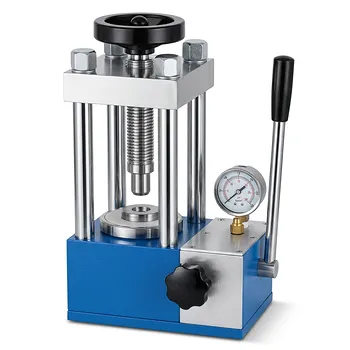
Manual Tablet Press with Dual Scale Pressure Gauge for Pharmaceutical Food Chemical Laboratory Sample Preparation
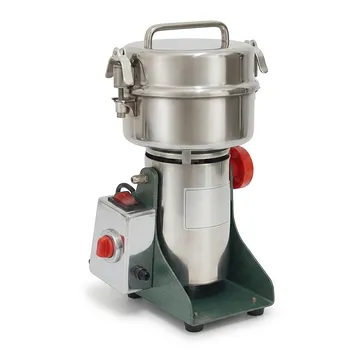
Small High Speed Grinder for Laboratory Sample Preparation
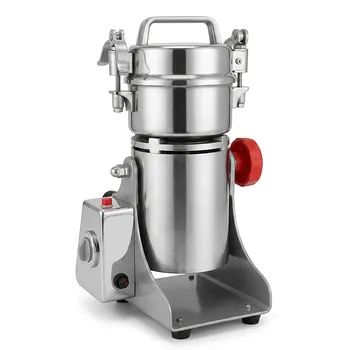
Industrial High Speed Small Sample Pulverizer Swing Type Laboratory Grinder for Powder Processing
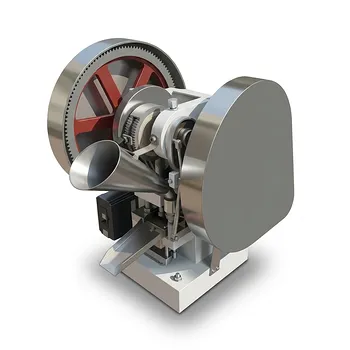
6 Ton Variable Frequency Single Punch Tablet Press
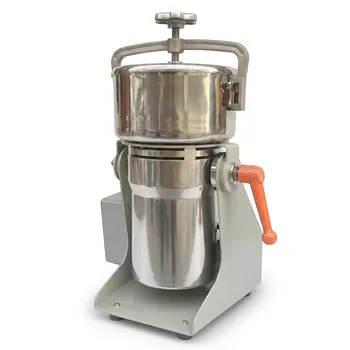
High Speed Laboratory Grinder Efficient Stainless Steel Powder Pulverizer Universal Material Science Mill for Sample Preparation
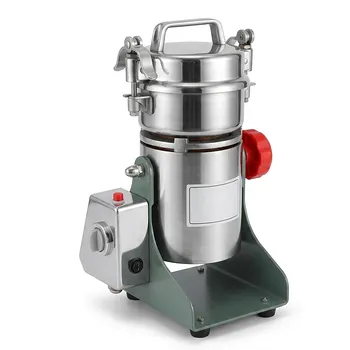
High Speed Swing Type Laboratory Pulverizer for Fine Powder Grinding and Sample Preparation
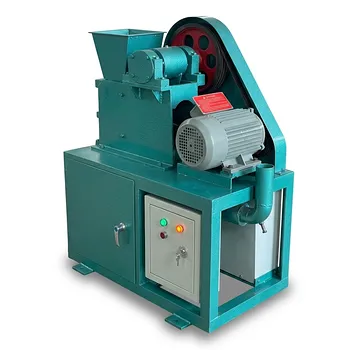
EP-B Type Sealed Jaw Crusher for Laboratory Sample Preparation
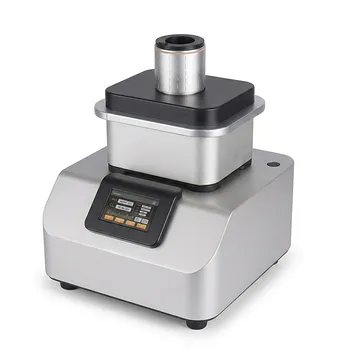
Ultra Centrifugal Mill High Speed Laboratory Grinder for Fibrous and Brittle Sample Preparation
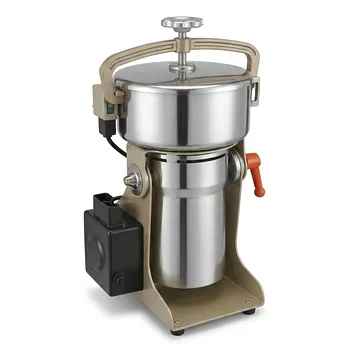
Multifunctional High Efficiency High Speed Laboratory Grinder