Why is double-sided pressing using a high-precision laboratory hydraulic press necessary for preparing Calcia-Stabilized Zirconia green bodies?
Updated 4 months ago
Double-sided pressing is the most effective method for eliminating internal density gradients in Calcia-Stabilized Zirconia (CSZ) green bodies. By applying mechanical force from both the top and bottom of the steel die, a high-precision laboratory hydraulic press ensures that powder particles undergo uniform rearrangement and plastic deformation. This uniformity is critical because any localized density variations will lead to non-uniform shrinkage, warping, or catastrophic cracking during the subsequent high-temperature sintering process.
Core Takeaway: Double-sided pressing minimizes wall friction and pressure drops within the mold, creating a green body with high packing density and uniform structural integrity. This foundation is essential for producing high-density, defect-free Zirconia ceramics that can withstand the stresses of solid-phase reactions.
The Mechanics of Powder Consolidation
Facilitating Particle Rearrangement
A high-precision hydraulic press applies the stable axial pressure required to force loose CSZ powder particles to overcome inter-particle friction. As these particles move, they fill voids and achieve the highest possible packing density within the mold.
Inducing Plastic and Elastic Deformation
Under high pressure, such as 40 MPa or loads reaching 37.5 tons, the Zirconia particles do not just move; they undergo plastic and elastic deformation. This physical change increases the contact area between particles, creating the tight bonding necessary for a strong green body.
Expelling Trapped Air
Precise pressure control is decisive for expelling air trapped between granulated particles. Eliminating these micro-voids at the pressing stage prevents the formation of internal pores that would otherwise limit the final material's relative density and optical transmittance.
Overcoming Internal Density Gradients
Minimizing Wall Friction Effects
In standard pressing, friction between the powder and the die walls causes a significant pressure drop as you move away from the punch. Double-sided pressing counteracts this by applying force from both ends, ensuring the middle of the sample receives the same compaction energy as the surfaces.
Ensuring Uniform Sintering Shrinkage
If a green body has a high-density top and a low-density bottom, it will shrink at different rates during sintering. Uniformity achieved through high-precision pressing ensures that shrinkage remains consistent across all dimensions, preventing the final ceramic from deforming or "bowing."
Preventing Macro-Cracks and Stress
Non-uniform density creates internal stress points that act as failure sites during high-temperature grain growth. By utilizing a hydraulic press to create a homogenous microstructure, you effectively eliminate the primary cause of macro-cracks in Calcia-Stabilized Zirconia.
Understanding the Trade-offs and Pitfalls
The Risk of Over-Pressuring
Applying excessive pressure (e.g., exceeding 1.5 T/cm²) can lead to a phenomenon known as "capping" or lamination. This occurs when stored elastic energy is released too quickly upon decompression, causing the green body to split into horizontal layers.
Die Wall Lubrication Requirements
Even with double-sided pressing, friction remains a factor that can degrade the surface finish of the green body. Neglecting to properly lubricate the steel die can lead to "density skin" effects, where the outer layer is significantly denser than the core, potentially leading to surface peeling during sintering.
Precision vs. Manual Control
Manual hydraulic presses often lack the incremental control needed for sensitive materials like CSZ. High-precision laboratory models are preferred because they maintain stable and uniform pressure, which is necessary for high-entropy or complex ceramic compositions where diffusion is sluggish.
How to Apply This to Your Project
Recommendations for Success
- If your primary focus is Maximum Relative Density: Utilize a high-pressure press capable of at least 1.5 T/cm² to ensure total air expulsion and maximum particle contact.
- If your primary focus is Complex Geometry: Prioritize double-sided pressing to ensure that thin sections of the green body achieve the same density as the bulk material.
- If your primary focus is Optical Transmittance: Focus on precise, slow pressure application to eliminate every micro-void, as even tiny pores will scatter light in the final sintered product.
- If your primary focus is Preventing Sintering Cracks: Ensure the hydraulic press provides stable, repeatable pressure to keep internal density gradients near zero.
High-precision double-sided pressing transforms loose powder into a robust, uniform physical foundation, which is the single most important factor in determining the final reliability of Calcia-Stabilized Zirconia.
Summary Table:
| Challenge | Double-Sided Pressing Benefit | Impact on Sintered Ceramic |
|---|---|---|
| Internal Density Gradients | Counteracts wall friction from both ends | Eliminates warping and "bowing" |
| Micro-Voids & Trapped Air | Ensures uniform particle rearrangement | Higher relative density and transparency |
| Wall Friction & Pressure Drop | Distributes energy to the sample core | Prevents surface peeling and lamination |
| Sintering Stress | Creates a homogenous microstructure | Prevents macro-cracks and structural failure |
Achieve Perfect Material Consolidation with Our Expert Solutions
Success in advanced ceramics like Calcia-Stabilized Zirconia depends on the precision of your initial sample preparation. We provide complete laboratory sample preparation solutions for material science, specializing in high-performance powder processing and compaction equipment.
Our extensive line includes everything from crushers (jaw/roll), cryogenic grinders, and planetary ball mills to powder and defoaming mixers. To ensure your green bodies are defect-free, we manufacture a full spectrum of hydraulic presses, including:
- Cold/Warm Isostatic Presses (CIP/WIP)
- Standard Lab & XRF Pellet Presses
- Manual & Automatic Hot Presses
- Vacuum Hot Presses
Don't let density gradients ruin your sintering results. Contact our technical team today to find the ideal pressing solution for your research and production needs!
References
- Hwanseok Lee, Heesoo Lee. Phase Stability and Slag-Induced Destabilization in MnO2 and CeO2-Doped Calcia-Stabilized Zirconia. DOI: 10.3390/ma16227240
Mentioned Products
- 6-Ton Small Single-Punch Tablet Press — Laboratory Powder & Granule Tableting Equipment / Tablet Forming Machine
- 5 Ton Single Punch Tablet Press Laboratory Small Batch Production
- Multifunctional High Efficiency High Speed Laboratory Grinder
- Manual Tablet Press with Dual Scale Pressure Gauge for Pharmaceutical Food Chemical Laboratory Sample Preparation
- 6 Ton Variable Frequency Single Punch Tablet Press
People Also Ask
- What is the function of a laboratory press in Cr-Ti alloy evaluation? Quantify Fracture Stress & Strength
- What is the function of a laboratory press in assessing the hydrophobic performance of modified vermiculite fillers?
- What is the core function of a laboratory press in the forming of ceramic filter element green bodies? Maximize Density.
- What is the function of a laboratory press in the preparation of ceramic feed rods? Master Density and Precision
- Why is vacuum sealing and flexible packaging necessary for Aluminum Titanate powders during CIP? Ensure Peak Density

Tech Team · PowderPreparation
Last updated on Jun 03, 2026
Related Products
6-Ton Small Single-Punch Tablet Press — Laboratory Powder & Granule Tableting Equipment / Tablet Forming Machine
5 Ton Single Punch Tablet Press Laboratory Small Batch Production
Multifunctional High Efficiency High Speed Laboratory Grinder
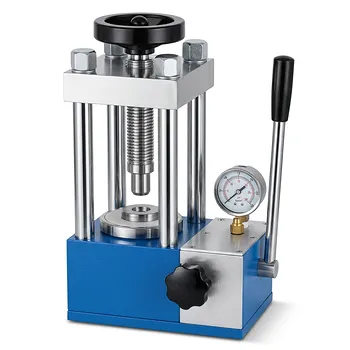
Manual Tablet Press with Dual Scale Pressure Gauge for Pharmaceutical Food Chemical Laboratory Sample Preparation
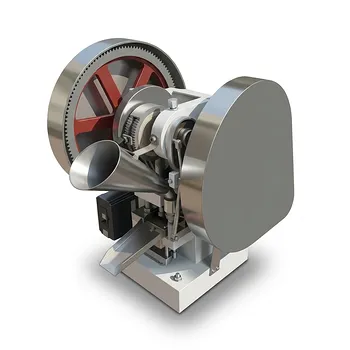
6 Ton Variable Frequency Single Punch Tablet Press
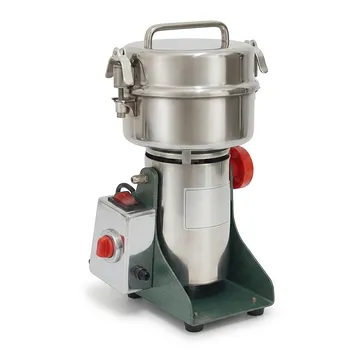
Small High Speed Grinder for Laboratory Sample Preparation
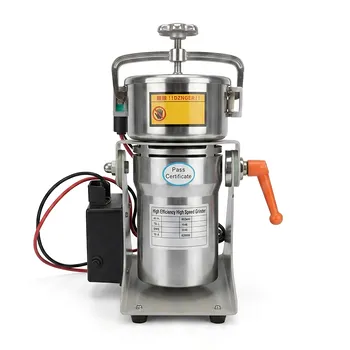
High Efficiency High Speed Grinder Laboratory Mill 1300W 25000rpm
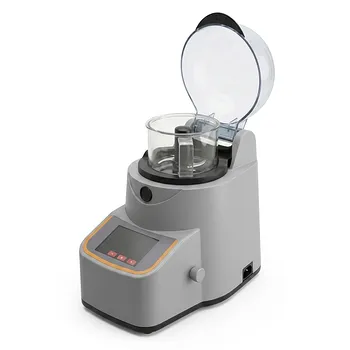
Industrial Knife Mill for Food and Biological Sample Preparation High Speed Laboratory Homogenizer
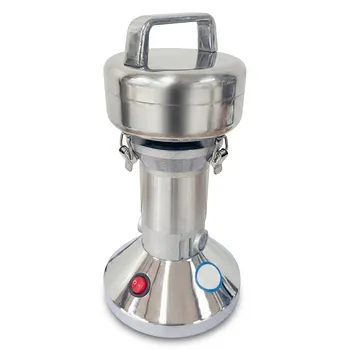
Small Trace Sample High Speed Pulverizer Grinder Laboratory Powder Mill
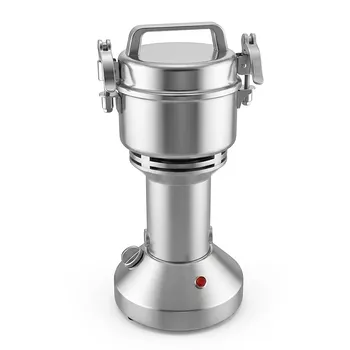
Small High Speed Upright Grinder for Laboratory Sample Preparation
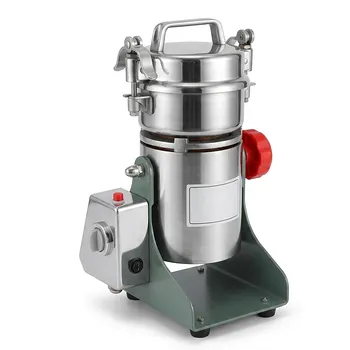
High Speed Swing Type Laboratory Pulverizer for Fine Powder Grinding and Sample Preparation
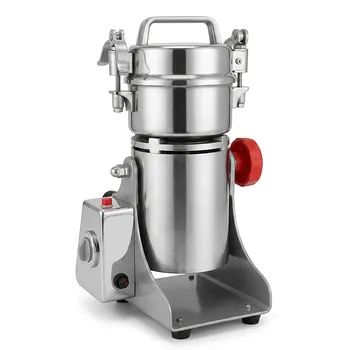
Industrial High Speed Small Sample Pulverizer Swing Type Laboratory Grinder for Powder Processing
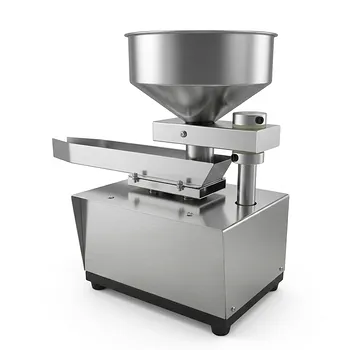
Automatic Vibrating Powder Feeder for Laboratory Material Processing Precision Vibratory Hopper Feeder for Granular and Powder Material Handling Industrial Grade Vibrating Tray Feeder for Consistent Material Sample Preparation
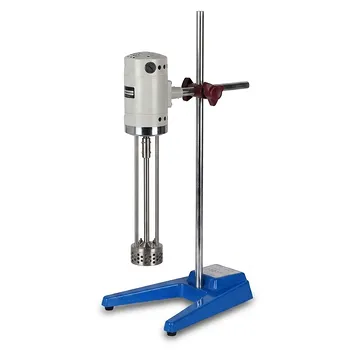
High Shear Laboratory Emulsifier for Mixing and Homogenization
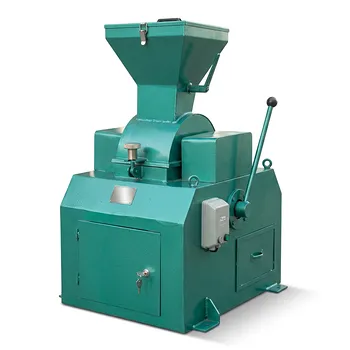
Laboratory Sealed Hammer Blade Crusher Divider for High Hardness Sample Preparation
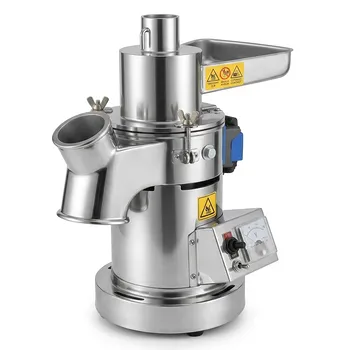
Continuous Feeding Grinder High Efficiency Pulverizer for Lab Sample Preparation
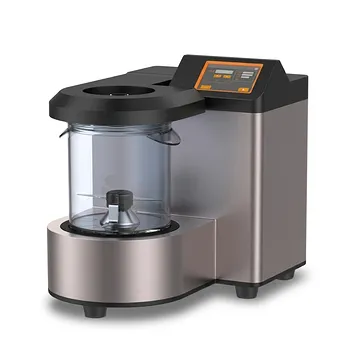
Laboratory Knife Mill for Large Volume Sample Homogenization and Food Preparation