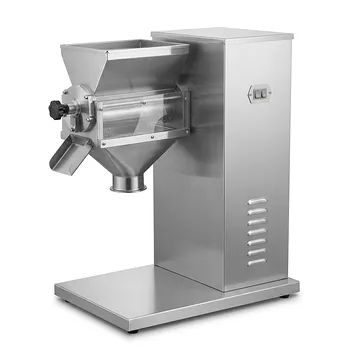
Why is an industrial-grade grinder required for processing eggshell powder? Enhance Bitumen Additive Performance
Updated 4 months ago
An industrial-grade grinder is the critical bridge between raw waste eggshells and a high-performance bitumen additive. It provides the high-intensity mechanical force necessary to reduce shells into fine particles, exponentially increasing their surface area. This physical transformation allows for superior chemical interaction and physical bonding with bitumen molecules, resulting in a significantly stronger composite matrix.
Using an industrial grinder ensures that eggshell powder reaches the precise particle size and high surface area required for uniform dispersion and optimal chemical reactivity within bitumen. Without this high-intensity processing, the additive remains a coarse filler rather than a functional reinforcement phase.
Maximizing Surface Area for Matrix Integrity
Enhanced Interaction with Bitumen
Industrial grinders utilize high-intensity mechanical grinding to reduce dried eggshells into fine particles. This process significantly increases the specific surface area of the material, which is essential for comprehensive physical and chemical interactions with bitumen molecules.
Strengthening the Connection Matrix
By increasing the contact points between the powder and the liquid bitumen, the grinder enhances the connection strength of the resulting matrix. This ensures that the eggshell powder acts as a functional reinforcement rather than a passive byproduct.
Ensuring Material Purity and Uniformity
Minimizing Metallic Contamination
Industrial-grade equipment, particularly those constructed from stainless steel, is critical for minimizing metal impurity contamination. Maintaining the high purity of the calcium source is vital for the chemical stability of the bitumen mixture and any subsequent nanoparticle synthesis.
Achieving Uniform Dispersion
The use of shear forces and impact generated by high-speed rotation transforms bulk shells into a uniform micron-sized powder. This uniformity is fundamental for ensuring the reinforcement phase is dispersed evenly throughout the matrix, preventing weak spots or clumping.
Technical Precision in Pre-processing
Precision Particle Size Control
High-energy crushers allow operators to adjust technical parameters, such as blade spacing, to achieve specific particle size ranges (e.g., 0.8–1.0 mm). This precision is necessary to provide a consistent foundation for producing ultra-fine powder with high chemical reactivity.
Facilitating Membrane Removal
The mechanical force of an industrial grinder assists in the removal of internal membranes from the eggshells. Clearing these organic residues is a vital step in preparing the calcium-rich shell for effective bonding within the bitumen or polyester matrix.
Understanding the Trade-offs
Heat Generation and Thermal Degradation
High-speed grinding generates significant frictional heat, which can potentially affect the organic components of the eggshell if not managed. While high intensity is required for fineness, excessive heat can lead to minor changes in the material's chemical profile.
Equipment Wear and Maintenance
Processing abrasive materials like calcium-rich eggshells leads to significant mechanical wear on grinding blades and plates. Utilizing industrial-grade machinery is a necessity because consumer-grade equipment cannot withstand the long-term shear and impact forces required for bulk processing.
How to Apply This to Your Project
Making the Right Choice for Your Goal
- If your primary focus is maximum bonding strength: Prioritize a high-energy grinder that offers the smallest possible micron-sized output to maximize specific surface area.
- If your primary focus is chemical purity: Select an industrial grinder with a stainless steel chamber to prevent iron or other metal fragments from leaching into the powder.
- If your primary focus is high-volume production: Invest in equipment with adjustable blade spacing and high-speed rotation to ensure consistent particle size across large batches.
By utilizing high-intensity mechanical processing, you transform a brittle waste product into a high-surface-area catalyst for superior bitumen performance.
Summary Table:
| Key Requirement | Benefit for Bitumen Additives | Technical Mechanism |
|---|---|---|
| High Surface Area | Maximizes chemical bonding & matrix integrity | High-intensity mechanical grinding |
| Material Purity | Prevents contamination of calcium sources | Stainless steel contact parts |
| Uniform Dispersion | Eliminates weak spots and prevents clumping | High-shear and impact forces |
| Precision Sizing | Ensures consistent reinforcement phase | Adjustable blade and speed control |
Elevate Your Material Research with Professional Processing Solutions
Transforming raw waste into high-performance functional additives requires precision, power, and durability. We provide complete laboratory sample preparation solutions for material science, specializing in advanced powder processing and compaction equipment designed to meet the most rigorous research standards.
Our extensive product lines empower your lab to achieve superior material characteristics:
- Advanced Grinding: Crushers (jaw/roll), liquid nitrogen cryogenic grinders, and high-energy mills (planetary ball, jet, sand, disc, and rotor) for achieving micron-level fineness.
- Sizing & Mixing: Vibratory/air-jet sieve shakers for precise particle distribution and specialized powder or defoaming mixers for uniform dispersion.
- Superior Compaction: A full spectrum of hydraulic presses, including Cold/Warm Isostatic Presses (CIP/WIP), XRF pellet presses, and vacuum hot presses for high-density material synthesis.
Ready to optimize your powder quality and matrix performance?
Contact our technical experts today to find the ideal equipment solution for your specific material science applications.
References
- Goh Hong Chee, P.J. Ramadhansyah. The Influence of Eggshell Powder as Additive on the Physical and Mechanical Properties of Stone Mastic Asphalt. DOI: 10.15282/construction.v2i1.7409
Mentioned Products
- Small High-Speed Laboratory Grinder for Powder Processing
- Universal Laboratory Pulverizer Grinder for Small Batch Powder Processing and Material Science Research
- Vibratory Superfine Grinder for Ultra Fine Laboratory Powder Milling
- Laboratory Desktop Ultra Fine Powder Grinder High Speed Micronizing Pulverizer
- High Speed Laboratory Powder Grinder Small Batch Sample Preparation Mill
People Also Ask
- What role does a laboratory grinder play in the pretreatment of sunflower seed shell-based adsorbents? Boost Efficiency.
- How does a laboratory grinder or mill enhance the adsorption performance of agricultural waste materials? Boost Surface Area
- What is the role of laboratory grinding equipment in the preparation of waste glass powder for eco-friendly red bricks?
- Why is grinding equipment necessary for SnO2-Sb2O3 xerogels? Maximize surface area and photocatalytic activity.
- What is the primary role of grinding equipment in BLA preparation? Enhance Reactivity & Material Uniformity

Tech Team · PowderPreparation
Last updated on Jun 03, 2026
Related Products
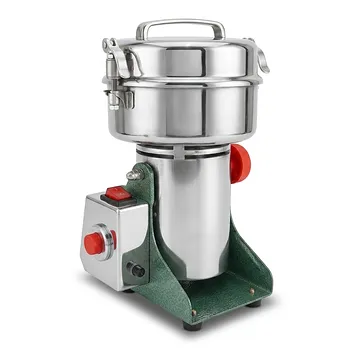
Small High-Speed Laboratory Grinder for Powder Processing
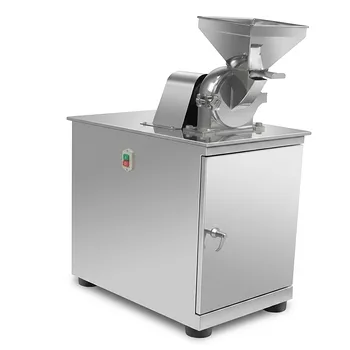
Universal Laboratory Pulverizer Grinder for Small Batch Powder Processing and Material Science Research
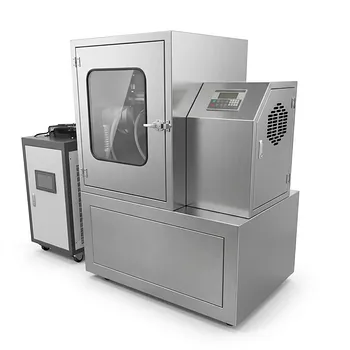
Vibratory Superfine Grinder for Ultra Fine Laboratory Powder Milling
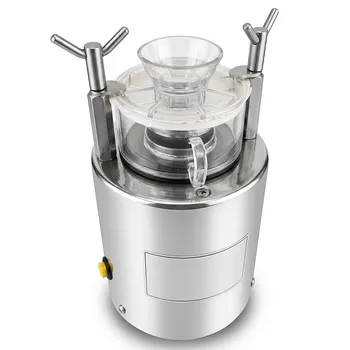
Laboratory Desktop Ultra Fine Powder Grinder High Speed Micronizing Pulverizer
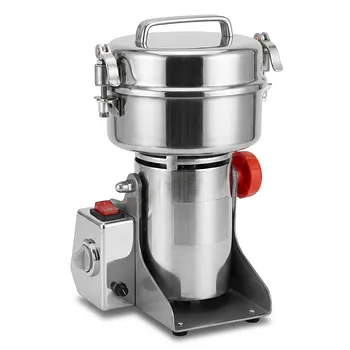
High Speed Laboratory Powder Grinder Small Batch Sample Preparation Mill
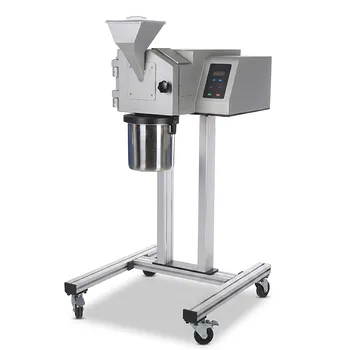
Cross Beater Mill for Brittle Material Grinding and Continuous Fine Crushing Industrial Sample Preparation
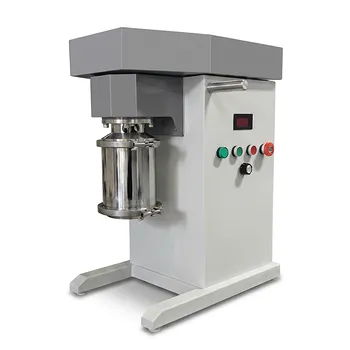
Nano Laboratory Bead Mill Desktop Sub Micron Sand Mill Screenless Seal Less Powder Grinder
Vertical Production Planetary Ball Mill for High Throughput Powder Processing
High Speed Vibratory Disc Mill for Spectral Analysis Sample Preparation and Rapid Powder Grinding
Small High Speed Grinder for Laboratory Sample Preparation
Stainless Steel Coarse Crusher for Pharmaceutical Food and Plastic Material Processing
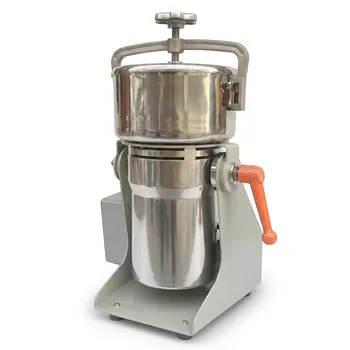
High Speed Laboratory Grinder Efficient Stainless Steel Powder Pulverizer Universal Material Science Mill for Sample Preparation
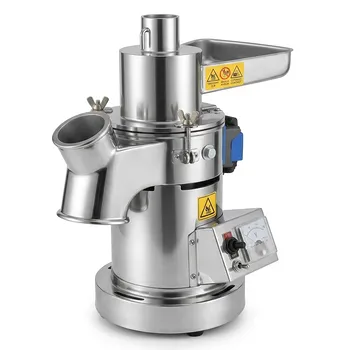
Continuous Feeding Grinder High Efficiency Pulverizer for Lab Sample Preparation
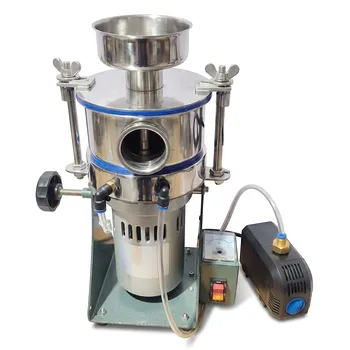
Water Cooled Airflow Ultra Fine Grinder for Low Temperature Material Processing
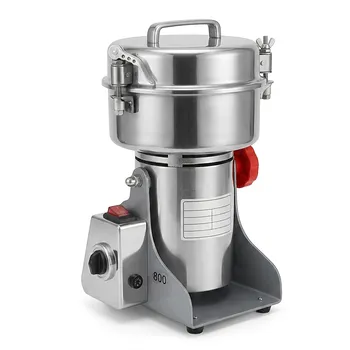
Small High-Speed Laboratory Grinder for Rapid Sample Preparation
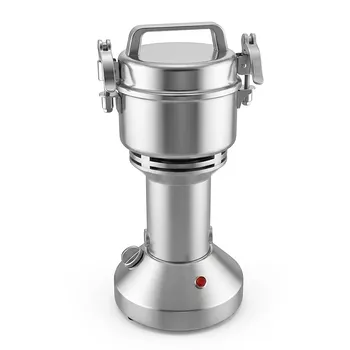
Small High Speed Upright Grinder for Laboratory Sample Preparation
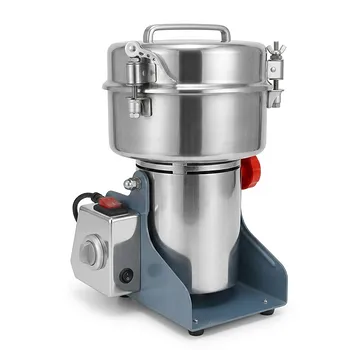
Small High-Speed Grinder for Efficient Laboratory Sample Preparation
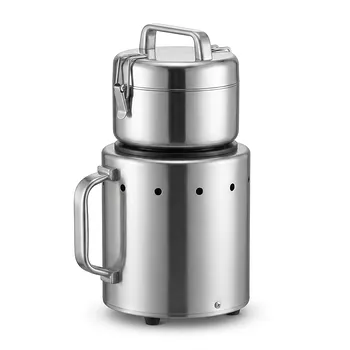
Small High Speed Grinder for Laboratory Sample Preparation
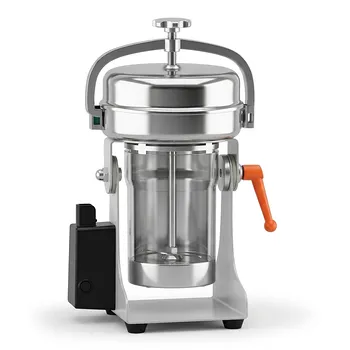
High Efficiency High Speed Grinder 2200W 25000 RPM Laboratory Sample Preparation