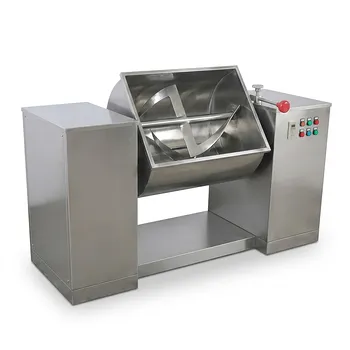
Why is a planetary centrifugal mixer used for PMMA resin systems? Ensure Uniform BAPO Dispersion & Bubble-Free Results
Updated 5 months ago
A planetary centrifugal mixer is utilized for PMMA resin systems primarily to ensure the molecular-level dispersion of photoinitiators like BAPO while simultaneously eliminating microscopic air bubbles. This dual-action process is critical for high-viscosity resins, as it prevents structural defects and ensures consistent polymerization kinetics throughout the material during light-curing.
Core Takeaway: The planetary centrifugal mixer uses simultaneous revolution and rotation to achieve high-uniformity mixing and integrated defoaming without the use of blades. This ensures that photoinitiators are perfectly distributed and the resin is bubble-free, which is essential for the structural integrity and optical clarity of the final product.
The Mechanics of Planetary Mixing
Dual-Motion Homogenization
A planetary centrifugal mixer operates through a unique "dual-motion" mechanism where the material container undergoes both revolution and rotation simultaneously. This creates powerful shear forces and intense convection within the resin.
Unlike traditional stirrers, this is a bladeless process, meaning there is no physical contact between a mixing tool and the resin. This eliminates the risk of contamination and reduces the cleanup required for viscous PMMA systems.
Handling High Viscosity
PMMA resin systems are often highly viscous, making traditional mixing methods slow and inefficient. The high-energy motion of a planetary mixer can process these "heavy" materials in a very short timeframe, often as little as 60 seconds.
Achieving Uniform Photoinitiator Dispersion
Preventing Component Segregation
Photoinitiators like BAPO must be perfectly distributed to ensure that the UV light triggers a uniform reaction throughout the resin volume. If the BAPO is not evenly dispersed, the material may experience segregation, leading to soft spots or incomplete curing in specific areas.
Ensuring Polymerization Kinetics
For technical applications like SLA 3D printing or pre-ceramic polymers, the accuracy of polymerization kinetics is paramount. A planetary mixer ensures that every microliter of resin has the exact same concentration of BAPO, allowing for predictable and repeatable curing results.
Molecular-Level Distribution
The intense centrifugal forces facilitate molecular-level uniform dispersion of additives. This is particularly important when adding functionalized particles or nano-reinforcements, as it ensures they form a continuous supporting structure within the polymer network.
The Critical Role of Integrated Defoaming
Eliminating Microscopic Air Bubbles
One of the most significant advantages of this equipment is its ability to perform synchronous defoaming. As the material is mixed, centrifugal forces drive air bubbles to the surface, effectively degassing the resin without requiring a separate vacuum step.
Protecting Structural Density
In 3D printing and coating applications, residual air bubbles can lead to structural defects or "voids" in the cured part. By ensuring a continuous liquid phase, the mixer guarantees the mechanical density and strength of the final component.
Maintaining Optical Clarity
Air bubbles interfere with optical path propagation, which can scatter UV light during the curing process and reduce printing accuracy. A degassed resin ensures that the light travels exactly as intended, resulting in sharper details and better surface finishes.
Understanding the Trade-offs
Thermal Management Concerns
The high-energy motion required to mix viscous resins can generate internal friction heat. If the resin is temperature-sensitive, excessive mixing time may lead to premature thickening or degradation of the photoinitiator.
Scalability and Cost
Planetary centrifugal mixers are highly specialized and typically carry a higher capital cost than standard magnetic or overhead stirrers. Additionally, they are generally designed for small-to-medium batches, which may require multiple runs for high-volume production.
How to Apply This to Your Project
Making the Right Choice for Your Goal
- If your primary focus is 3D printing accuracy: Use a planetary mixer to ensure a bubble-free resin, which prevents light scattering and ensures the structural density of the printed part.
- If your primary focus is material strength: Prioritize the high-shear settings to ensure that photoinitiators and reinforcements form a molecularly uniform network within the PMMA.
- If your primary focus is rapid prototyping: Leverage the short mixing cycles (60-120 seconds) to quickly iterate on resin formulations without the downtime of traditional degassing methods.
By integrating planetary centrifugal mixing into your workflow, you establish the necessary foundation for high-performance resin systems with controllable properties and zero structural defects.
Summary Table:
| Feature | Benefit for PMMA/BAPO Systems |
|---|---|
| Dual-Motion Mechanism | Achieves molecular-level uniform dispersion of photoinitiators like BAPO. |
| Bladeless Mixing | Eliminates contamination risks and simplifies cleanup for viscous resins. |
| Integrated Defoaming | Removes microscopic bubbles to ensure structural density and optical clarity. |
| High-Shear Force | Efficiently processes high-viscosity materials in as little as 60 seconds. |
| Uniform Kinetics | Guarantees consistent polymerization throughout the material during UV curing. |
Optimize Your Resin Formulations with Precision Mixing Solutions
Achieving structural integrity and optical clarity in PMMA systems starts with the right equipment. At [Company Name], we provide complete laboratory sample preparation solutions for material science, specializing in advanced powder processing and compaction equipment designed to meet the rigorous demands of modern research.
Our planetary centrifugal mixers and defoaming mixers are specifically engineered to handle high-viscosity resins, ensuring perfect additive dispersion and air-free results. Beyond mixing, our extensive product line supports your entire workflow:
- Size Reduction & Analysis: Jaw/roll crushers, liquid nitrogen cryogenic grinders, planetary ball mills, jet mills, and vibratory sieve shakers.
- Powder Processing: Specialized powder mixers and high-performance defoaming systems.
- Material Compaction: A full spectrum of hydraulic presses, including Cold/Warm Isostatic Presses (CIP/WIP), standard lab presses, XRF pellet presses, and vacuum hot presses.
Ready to eliminate structural defects and enhance your laboratory's efficiency?
Contact our experts today to find the perfect solution for your project!
References
- Kentaro Hata, Hiroshi Shimizu. Development of Dental Poly(methyl methacrylate)-Based Resin for Stereolithography Additive Manufacturing. DOI: 10.3390/polym13244435
Mentioned Products
- High Viscosity Planetary Centrifugal Vacuum Mixer for Material Defoaming and Uniform Mixing
- High Efficiency Vacuum Planetary Centrifugal Mixer and Defoaming Machine for Industrial Material Research and Precise Laboratory Powder Dispersion
- High Speed Vacuum Planetary Centrifugal Mixer and Defoamer for Industrial Paste Processing
- Industrial Planetary Centrifugal Vacuum Defoaming Mixer for High Viscosity Paste and Powder Homogenization
- High Viscosity Planetary Centrifugal Mixing and Vacuum Defoaming Machine for Laboratory Material Preparation
People Also Ask
- What core functions does a planetary centrifugal mixer perform? Optimize Hard Carbon Anode Slurry & Degassing
- Why is a planetary centrifugal mixer recommended for geopolymer slurries? Achieve high-shear, air-free homogenization.
- Why is a planetary centrifugal mixer utilized for wood powder and HPMC? Achieve uniform dispersion & rapid defoaming.
- How does a planetary centrifugal mixer address key challenges in Tyr-CDs@EVA optical films? Ensure Optical Clarity.
- What is the role of a planetary centrifugal mixer in UHTC slurry preparation? Achieve Void-Free, High-Viscosity Mixing

Tech Team · PowderPreparation
Last updated on May 14, 2026
Related Products
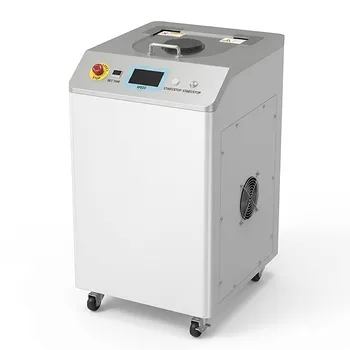
High Viscosity Planetary Centrifugal Vacuum Mixer for Material Defoaming and Uniform Mixing
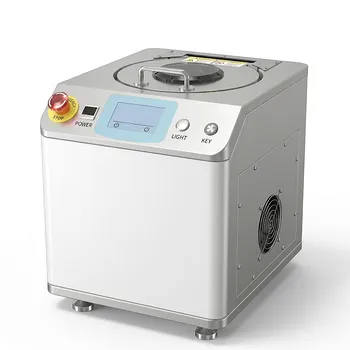
High Efficiency Vacuum Planetary Centrifugal Mixer and Defoaming Machine for Industrial Material Research and Precise Laboratory Powder Dispersion
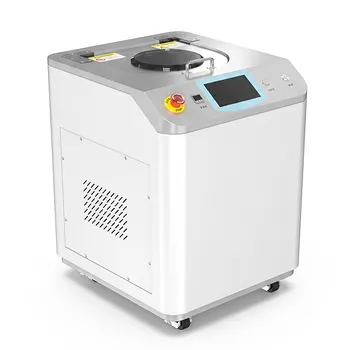
High Speed Vacuum Planetary Centrifugal Mixer and Defoamer for Industrial Paste Processing
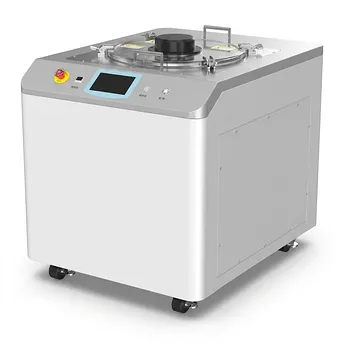
Industrial Planetary Centrifugal Vacuum Defoaming Mixer for High Viscosity Paste and Powder Homogenization
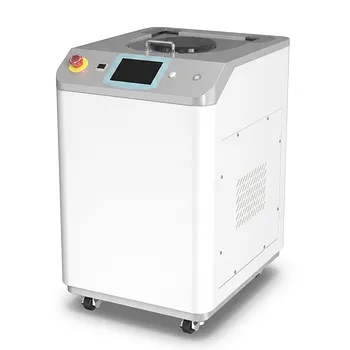
High Viscosity Planetary Centrifugal Mixing and Vacuum Defoaming Machine for Laboratory Material Preparation
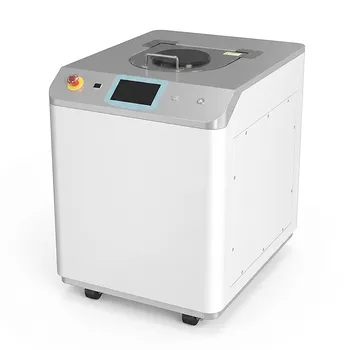
Industrial Planetary Centrifugal Vacuum Defoaming Mixer for High Viscosity Paste and Advanced Material Science
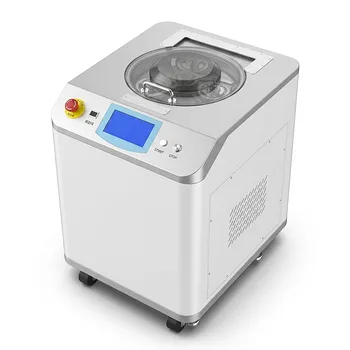
Dual Cup Vacuum Centrifugal Mixer Planetary Paste Defoaming Machine Industrial Material Processor
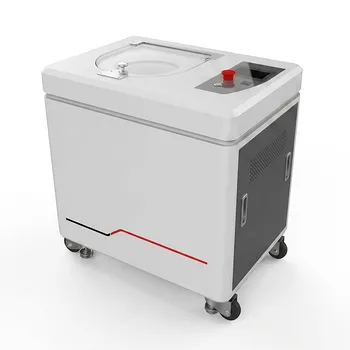
非介入式材料均质机真空脱泡行星搅拌高粘度混合设备
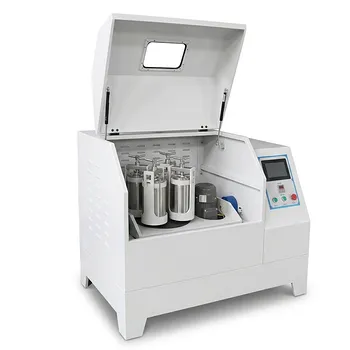
360° Rotating Omnidirectional Laboratory Planetary Ball Mill for Homogeneous Ultra-Fine Grinding and Mixing
Ultra Centrifugal Mill High Speed Laboratory Grinder for Fibrous and Brittle Sample Preparation
Ultra Centrifugal Mill for Rapid Laboratory Sample Preparation and Fine Powder Grinding
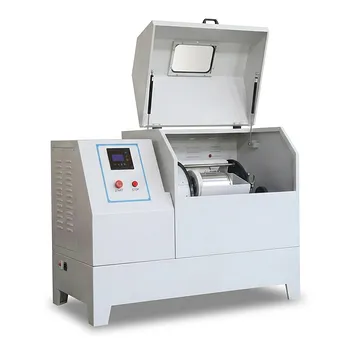
Heavy Duty Horizontal Planetary Ball Mill for Efficient Industrial Grinding and Sample Preparation
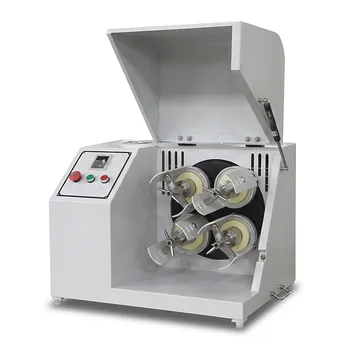
Horizontal Light Duty Planetary Ball Mill for Laboratory Sample Preparation
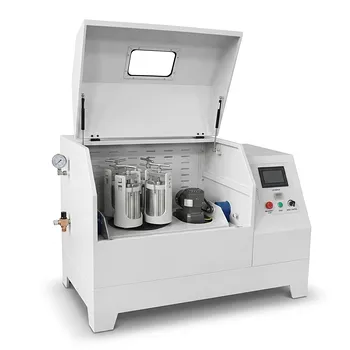
Vertical Production Planetary Ball Mill for High Throughput Powder Processing
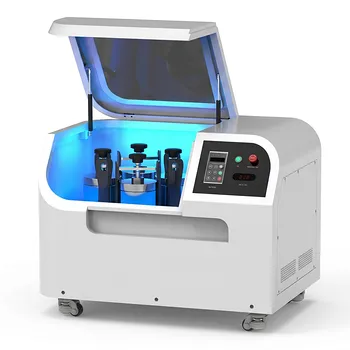
Planetary Ball Mill 12L
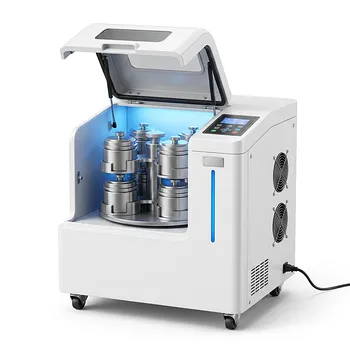
High Energy Omnidirectional Planetary Ball Mill 20L
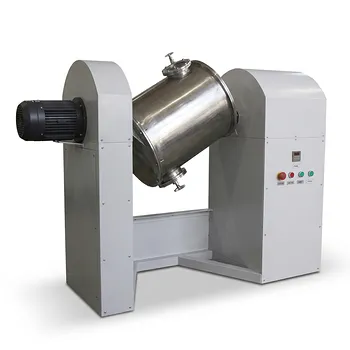
Inclined Mixer for Homogeneous Powder Blending and Grinding
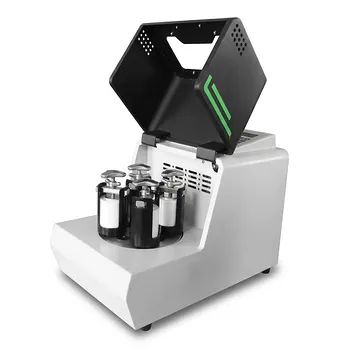
Miniature Planetary Ball Mill with Vacuum Grinding and High Efficiency for Laboratory Sample Preparation
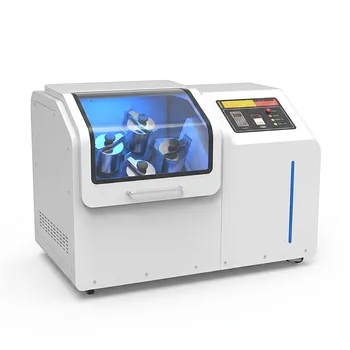
High Energy Omnidirectional Planetary Ball Mill 16L