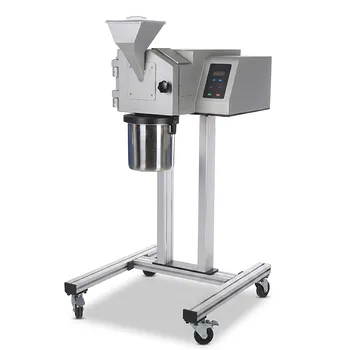
Why is a mechanical grinder used before the preparation of activated carbon from CPS? Optimize Pore & Surface Area
Updated 4 months ago
The use of a mechanical grinder is a critical pre-treatment step designed to maximize surface area and ensure chemical uniformity. By pulverizing Carica Papaya Stem (CPS) and kaolin into fine powders, the grinder facilitates the deep penetration of chemical activators like hydrochloric acid. This physical transformation ensures that subsequent thermochemical reactions, such as calcination, occur consistently throughout the material rather than just on the surface.
Mechanical grinding converts bulky raw materials into high-surface-area powders, enabling uniform chemical activation and efficient heat transfer. This foundation is necessary to produce a high-quality activated carbon with an optimized pore structure.
Enhancing Reactivity through Surface Area Expansion
The Impact of High-Intensity Shear Forces
Mechanical grinders apply high-intensity shear and impact forces to break down the tough cellular structure of the Carica Papaya Stem. This physical fragmentation is the first step in unlocking the material's potential for porosity by transforming large, dry chunks into a manageable powder.
Facilitating Chemical Penetration
Increasing the specific surface area allows chemical activators, such as hydrochloric acid, to saturate the material fully. Without this step, the activator would struggle to reach the core of larger chunks, leading to internal regions that remain unactivated and less effective for adsorption.
Exposing Reaction Sites
Finer particles expose a significantly higher number of reaction sites compared to raw materials. This exposure is vital for the chemical agents to interact with the plant tissues and metakaolin, establishing a foundation for a robust carbon matrix.
Optimizing the Thermochemical Process
Ensuring Uniform Calcination
Fine powders react more predictably during high-temperature calcination. Uniform particle size prevents the formation of temperature gradients, ensuring that every grain of CPS and metakaolin undergoes the same degree of thermochemical change.
Improving Pore Structure Development
As seen in carbonization processes for materials like coal, refining the raw material is critical for optimizing pore structure. The increased surface area allows for uniform physical pyrolysis, which prevents "hot spots" and results in a more consistent final product.
Enhancing Dispersion in Solutions
Mechanical grinding facilitates better dispersion in surfactant solutions or chemical mixes. This ensures that the metakaolin and the organic papaya stem components are intimately mixed before the carbonization process begins.
Understanding the Trade-offs and Pitfalls
The Risk of Over-Grinding
While fine powder is generally desirable, excessive grinding can generate frictional heat. This heat may prematurely degrade sensitive organic compounds in the Carica Papaya Stem before the formal activation process even begins.
Material Loss and Handling Challenges
Very fine powders are prone to material loss through dust and can be difficult to handle during subsequent filtration or washing stages. Engineers must balance the need for surface area with the practicalities of processing and recovering the powder.
Energy Consumption vs. Benefit
There is a point of diminishing returns where further grinding increases energy costs without providing a proportional increase in the quality of the final activated carbon. Precise control over particle size is required to maintain cost-effectiveness.
How to Apply This to Your Project
- If your primary focus is Maximum Porosity: Prioritize achieving a consistent, ultra-fine powder to ensure every milligram of material is exposed to the chemical activator.
- If your primary focus is Process Efficiency: Target a moderate particle size that balances a high surface area with ease of filtration and lower energy consumption during the grinding phase.
Mastering the mechanical grinding phase is the fundamental bridge between raw biological waste and high-performance industrial adsorbents.
Summary Table:
| Key Function | Technical Benefit | Impact on Activated Carbon |
|---|---|---|
| Surface Area Expansion | Increases available reaction sites | Higher adsorption capacity and porosity |
| Particle Size Reduction | Facilitates deep activator (HCl) penetration | Ensures consistent chemical activation throughout |
| Uniform Calcination | Eliminates internal temperature gradients | Prevents hot spots and ensures structural stability |
| Enhanced Dispersion | Promotes intimate mixing of CPS and metakaolin | Creates a more robust and uniform carbon matrix |
Elevate Your Material Synthesis with Precision Lab Equipment
Achieving the perfect pore structure in activated carbon or metakaolin composites requires rigorous control over particle size and uniformity. [Company Name] provides complete laboratory sample preparation solutions tailored for material science.
Our specialized equipment range includes:
- Advanced Milling: Planetary ball mills, jet mills, and cryogenic grinders for achieving ultra-fine, high-surface-area powders.
- Sample Compaction: A full spectrum of hydraulic presses, including Cold/Warm Isostatic Presses (CIP/WIP) and vacuum hot presses for high-density material processing.
- Material Refining: Precision crushers, sieve shakers, and high-efficiency powder/defoaming mixers.
Whether you are converting biomass into high-performance adsorbents or developing advanced ceramics, our tools ensure consistency from the first grind to the final press. Contact our technical experts today to find the ideal solution for your laboratory workflow!
References
- Ezekiel A. Adetoro, Benjamin Ayowole Alo. Potential of Carica Papaya Stem Activated Carbon in Removal of Undesired Compounds from Metakaolin. DOI: 10.48048/tis.2024.7457
Mentioned Products
- Small High-Speed Laboratory Grinder for Powder Processing
- Multifunctional High Efficiency High Speed Laboratory Grinder
- High Efficiency High Speed Grinder Laboratory Mill 1300W 25000rpm
- Small High-Speed Grinder for Efficient Laboratory Sample Preparation
- Small High-Speed Swing Grinder for Laboratory Sample Preparation
People Also Ask
- What role does a laboratory grinder play in the pretreatment of sunflower seed shell-based adsorbents? Boost Efficiency.
- How does a laboratory grinder or mill enhance the adsorption performance of agricultural waste materials? Boost Surface Area
- What is the role of laboratory grinding equipment in the preparation of waste glass powder for eco-friendly red bricks?
- Why is grinding equipment necessary for SnO2-Sb2O3 xerogels? Maximize surface area and photocatalytic activity.
- What is the primary role of grinding equipment in BLA preparation? Enhance Reactivity & Material Uniformity

Tech Team · PowderPreparation
Last updated on May 14, 2026
Related Products
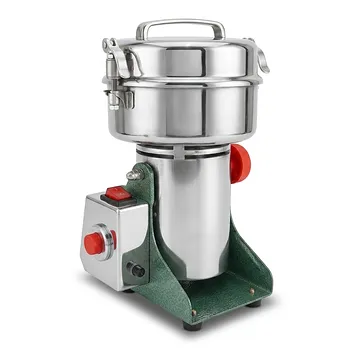
Small High-Speed Laboratory Grinder for Powder Processing
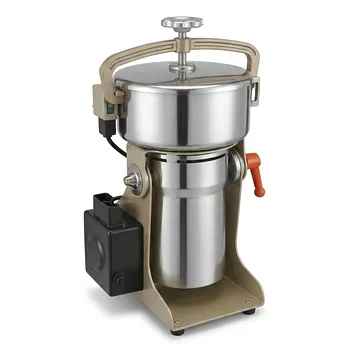
Multifunctional High Efficiency High Speed Laboratory Grinder
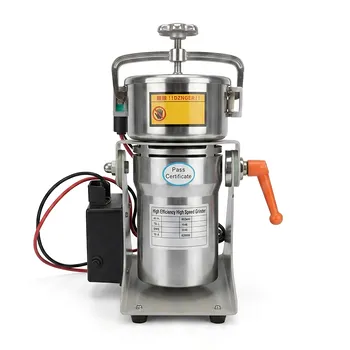
High Efficiency High Speed Grinder Laboratory Mill 1300W 25000rpm
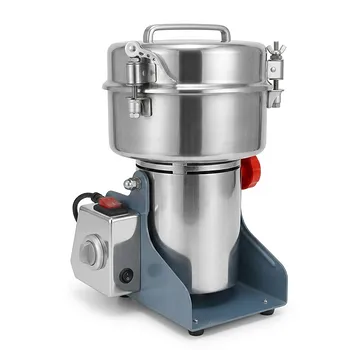
Small High-Speed Grinder for Efficient Laboratory Sample Preparation
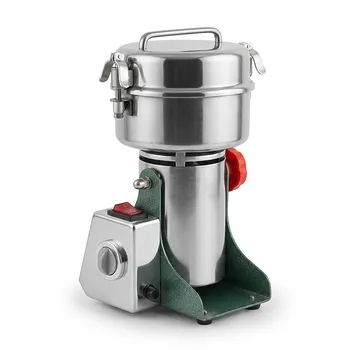
Small High-Speed Swing Grinder for Laboratory Sample Preparation
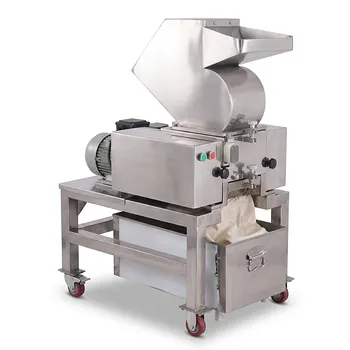
Stainless Steel Coarse Crusher for Pharmaceutical Food and Plastic Material Processing
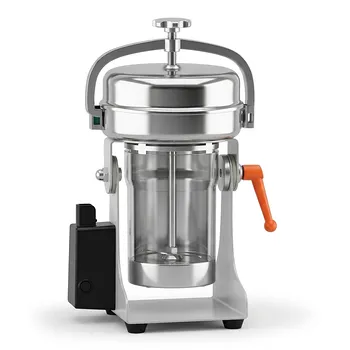
High Efficiency High Speed Grinder 2200W 25000 RPM Laboratory Sample Preparation
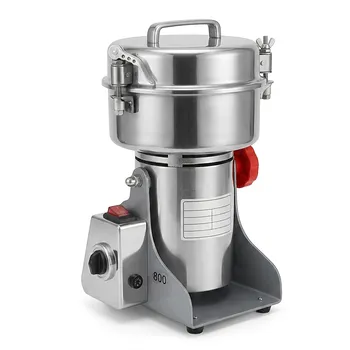
Small High-Speed Laboratory Grinder for Rapid Sample Preparation
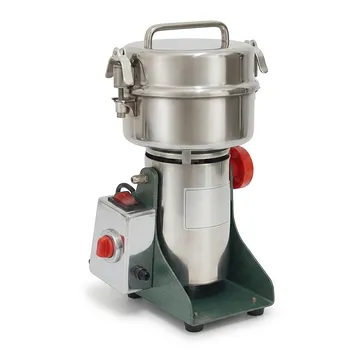
Small High Speed Grinder for Laboratory Sample Preparation
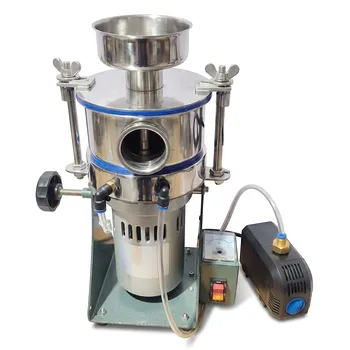
Water Cooled Airflow Ultra Fine Grinder for Low Temperature Material Processing
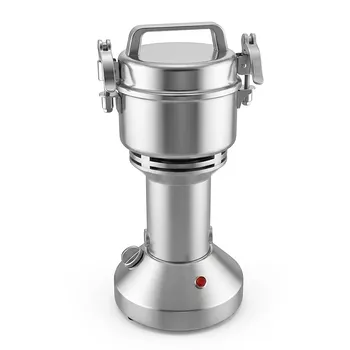
Small High Speed Upright Grinder for Laboratory Sample Preparation
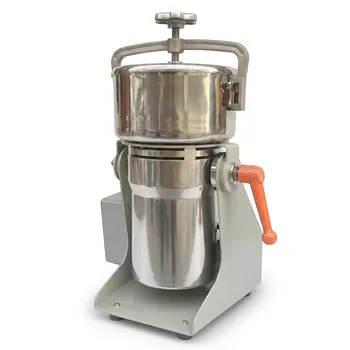
High Speed Laboratory Grinder Efficient Stainless Steel Powder Pulverizer Universal Material Science Mill for Sample Preparation
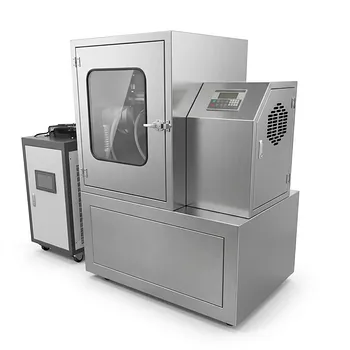
Vibratory Superfine Grinder for Ultra Fine Laboratory Powder Milling
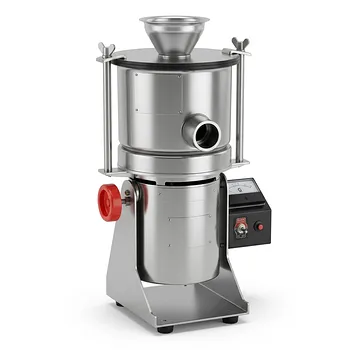
Laboratory Ultrafine Impact and Airflow Grinder for Precise Particle Size Control
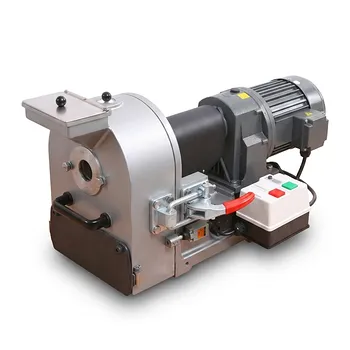
Laboratory Disc Mill for Fine Sample Preparation of Hard and Brittle Materials
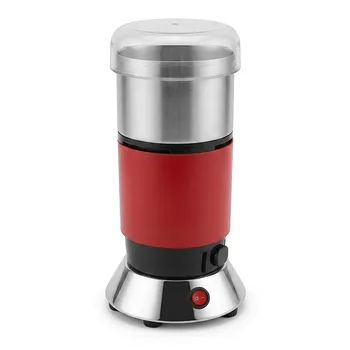
Micro Solid Sample Grinder High Speed Pulverizer for Laboratory Small Batch Grinding
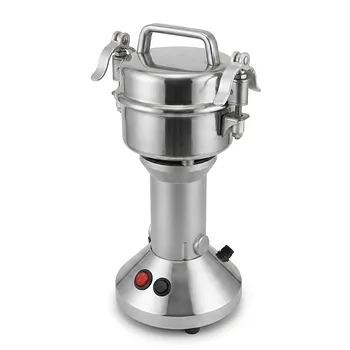
Continuous Feeding Grinding Mill for Dry Fibrous Tough and Hard Materials in Laboratory and Small Production
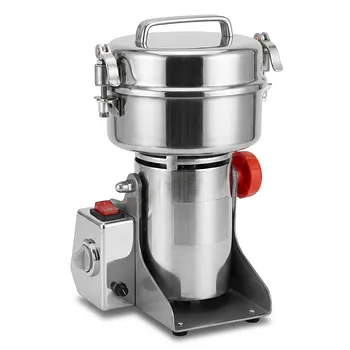
High Speed Laboratory Powder Grinder Small Batch Sample Preparation Mill
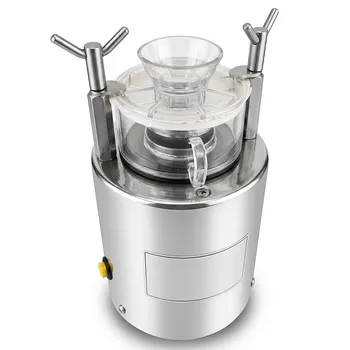
Laboratory Desktop Ultra Fine Powder Grinder High Speed Micronizing Pulverizer