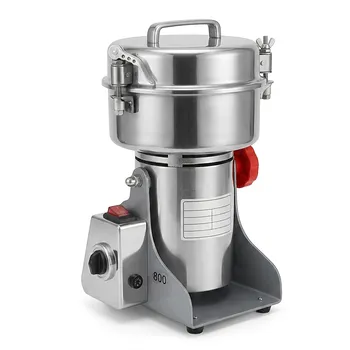
Why is a laboratory mill with a 1.0 mm screen necessary? Achieve Perfect Homogenization for Precise Sample Analysis
Updated 5 months ago
Secondary grinding with a 1.0 mm screen is essential for achieving the high degree of sample homogenization required for precision analysis. This specific level of refinement eliminates physical variations within the dried digesta or fecal matter, ensuring that the small "micro-samples" taken for testing are truly representative of the entire batch. Without this step, analytical data from sensitive procedures like bomb calorimetry and nitrogen analysis would lack the necessary repeatability and accuracy.
Grinding to a 1.0 mm threshold transforms heterogeneous biological waste into a uniform substrate, which is the foundational requirement for reliable chemical analysis. This process minimizes sampling error by ensuring that every milligram of the sample contains a statistically identical composition.
Achieving Analytical Homogeneity
Eliminating Physical Heterogeneity
Dried digesta and fecal samples are inherently inconsistent, often containing a mix of fibrous materials, microbial mass, and inorganic residues. Secondary grinding breaks down these distinct physical fractions into a singular, uniform powder.
By using a 1.0 mm screen, you ensure that no single particle is large enough to skew the results of a micro-analysis. This uniformity is what allows researchers to trust that a fraction of a gram accurately reflects the larger sample.
Ensuring Representative Micro-sampling
Most modern analytical techniques require only a very small amount of material, often referred to as a micro-sample. If the particle size is too coarse, a single "large" fiber in a 0.5g sample could disproportionately alter the results.
The 1.0 mm standard ensures that the distribution of components—such as proteins and energy-dense compounds—is even throughout the entire processed volume. This allows for high confidence when transferring small aliquots to the next stage of testing.
Impact on High-Precision Analytical Methods
Optimizing Oxygen Bomb Calorimetry
In oxygen bomb calorimetry, the sample must combust completely and uniformly to provide an accurate gross energy value. Coarse particles can lead to incomplete combustion or "splattering" within the bomb, which introduces significant error.
A 1.0 mm grind provides the ideal surface-area-to-volume ratio for steady, rapid combustion. This consistency is vital for maintaining the repeatability of data across multiple runs of the same sample.
Enhancing Kjeldahl Nitrogen Analysis
Kjeldahl nitrogen analysis relies on the acid digestion of organic matter to release nitrogen for measurement. Large, unground chunks of fecal matter may take longer to digest or may not digest completely within standard timeframes.
Refining the sample to 1.0 mm allows the sulfuric acid to penetrate the material quickly and efficiently. This ensures that the nitrogen content measured is a true reflection of the sample's protein levels.
Understanding the Trade-offs
Risk of Moisture Alteration
While grinding is necessary, it is important to recognize that the friction of a laboratory mill generates heat. This heat can cause a slight loss of residual moisture or volatile compounds if the grinding process is too prolonged.
To mitigate this, samples should be ground efficiently and stored in airtight containers immediately after processing. This preserves the chemical integrity established during the initial drying phase.
Potential for Sample Carryover
The use of fine screens increases the surface area within the mill, which can lead to cross-contamination between samples. If the mill is not meticulously cleaned between batches, residues from a previous sample can contaminate the next.
Researchers must balance the need for a fine 1.0 mm grind with a rigorous cleaning protocol. Vacuuming and using compressed air between samples are standard practices to maintain purity.
How to Apply This to Your Laboratory Workflow
Effective sample preparation is the most critical step in the analytical chain. To ensure your results are both accurate and reproducible, consider the following goals:
- If your primary focus is analytical repeatability: Always utilize a secondary grind with a 1.0 mm screen to ensure the sample is fully homogenized before taking micro-aliquots.
- If your primary focus is energy or nitrogen partitioning: Ensure the mill is cleaned thoroughly between samples to prevent cross-contamination of high-nutrient residues.
- If your primary focus is sample stability: Store the ground 1.0 mm powder in a desiccator or sealed vial to prevent the fine particles from absorbing atmospheric moisture.
By adhering to the 1.0 mm grinding standard, you eliminate the physical variables that lead to inconsistent data and unreliable research outcomes.
Summary Table:
| Key Feature | Benefit for Digesta & Fecal Samples | Impact on Analysis |
|---|---|---|
| 1.0 mm Screen | Eliminates physical heterogeneity and fibers | Ensures representative micro-sampling |
| Secondary Grinding | Transforms waste into a uniform substrate | Improves repeatability of results |
| Particle Size Control | Increases surface-area-to-volume ratio | Optimizes combustion in calorimetry |
| Refinement Level | Allows deep acid penetration | Enhances Kjeldahl nitrogen digestion |
Precision Sample Preparation Starts Here
At [Your Brand Name], we understand that the quality of your analytical data depends entirely on the quality of your sample preparation. Providing complete laboratory sample preparation solutions for material science, we specialize in high-performance powder processing and compaction equipment designed to meet the strictest research standards.
Our extensive product line supports every stage of your workflow, including:
- Size Reduction: Advanced crushers (jaw/roll), liquid nitrogen cryogenic grinders, and specialized mills (planetary ball, jet, sand/bead, disc, rotor) to achieve the perfect 1.0 mm grind.
- Classification: Precision sieve shakers (vibratory/air-jet) with a full range of test sieves and meshes.
- Processing & Mixing: High-efficiency powder mixers and defoaming mixers.
- Material Forming: A full spectrum of hydraulic presses, including Cold/Warm Isostatic Presses (CIP/WIP), standard lab presses, XRF pellet presses, and vacuum hot presses.
Whether you are analyzing biological waste or engineering new materials, our equipment ensures the homogeneity and reliability your lab requires. Contact us today to discuss your specific application and find the ideal solution for your laboratory needs!
References
- Akemi YAMAMOTO, Noriaki IMAEDA. Effect of Particle Size of Brown Rice on Digestibility of Energy and Crude Protein in Growing-Finishing Pigs. DOI: 10.5938/youton.53.4_137
Mentioned Products
- Laboratory Micro Vibration Grinding Mill for Trace Sample Preparation
- Nano Laboratory Bead Mill Desktop Sub Micron Sand Mill Screenless Seal Less Powder Grinder
- Small Ceramic Structure Laboratory Sand Mill Nanoscale Grinding Dispersion Equipment Seal-less Screen-less Design
- Laboratory Disc Mill for Fine Sample Preparation of Hard and Brittle Materials
- Laboratory Desktop Ultra Fine Powder Grinder High Speed Micronizing Pulverizer
People Also Ask
- What is the function of a laboratory vibratory mill? Master StPh/MMT Nanocomposite Preparation via Mechanochemistry
- What function does a laboratory mill serve in corn starch saccharification experiments? Optimize Surface Area & Reactions
- What is the primary function of a vibration mill in processing beta-SiAlON after SHS? Powder Refinement Guide.
- How does the size of grinding media influence the vibratory milling efficiency? Achieve Optimal Pharmaceutical Fineness
- What is the role of a micro-vibratory ball mill in bio-glass prep? Optimize Ion Release & Surface Area Analysis

Tech Team · PowderPreparation
Last updated on May 14, 2026
Related Products
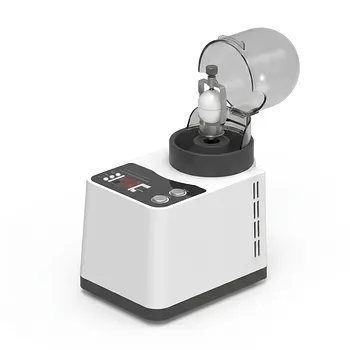
Laboratory Micro Vibration Grinding Mill for Trace Sample Preparation
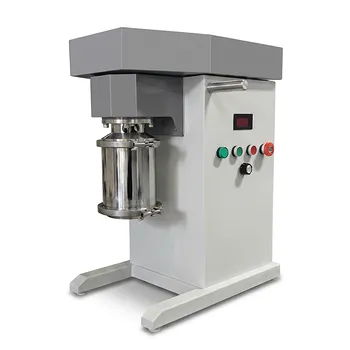
Nano Laboratory Bead Mill Desktop Sub Micron Sand Mill Screenless Seal Less Powder Grinder
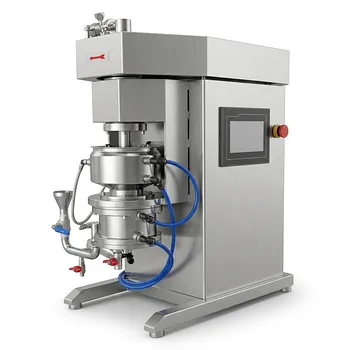
Small Ceramic Structure Laboratory Sand Mill Nanoscale Grinding Dispersion Equipment Seal-less Screen-less Design
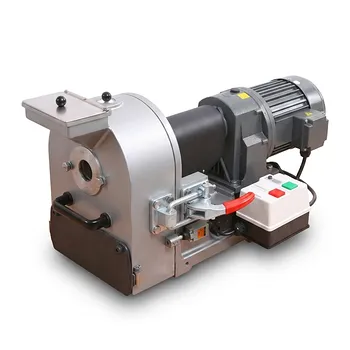
Laboratory Disc Mill for Fine Sample Preparation of Hard and Brittle Materials
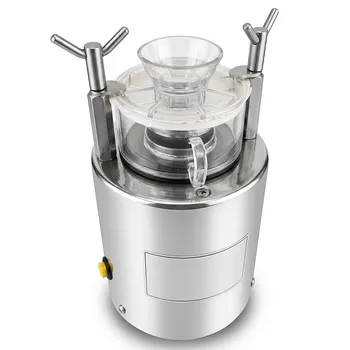
Laboratory Desktop Ultra Fine Powder Grinder High Speed Micronizing Pulverizer
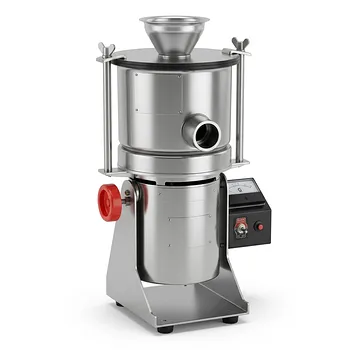
Laboratory Ultrafine Impact and Airflow Grinder for Precise Particle Size Control
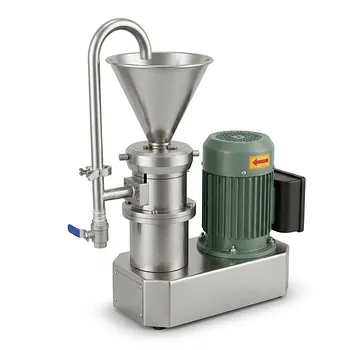
Small Laboratory Colloid Mill for Ultra-Fine Wet Grinding and Emulsification
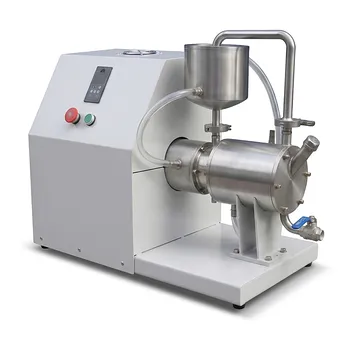
Laboratory Small Horizontal Sand Mill for Nano Materials Wet Grinding
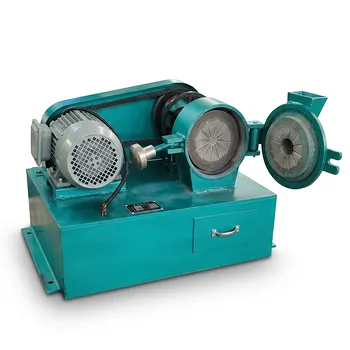
Laboratory Disc Mill Medium Hard Material Grinding Coal Coke Ore Pulverizer
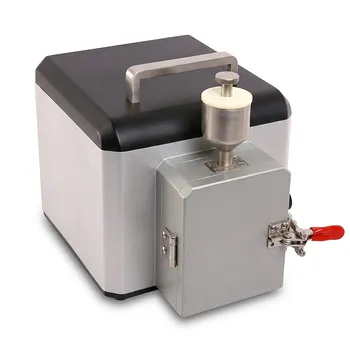
Portable Cutting Mill for Laboratory Sample Preparation and RoHS WEEE Compliance Testing
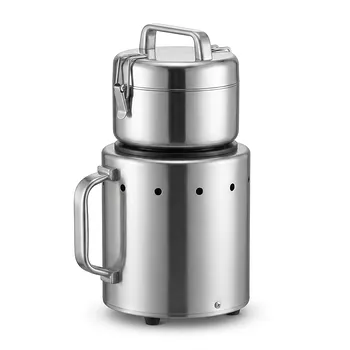
Small High Speed Grinder for Laboratory Sample Preparation
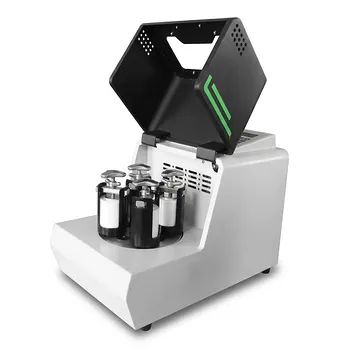
Miniature Planetary Ball Mill with Vacuum Grinding and High Efficiency for Laboratory Sample Preparation
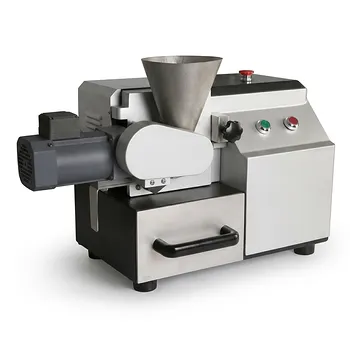
Laboratory Hammer Mill for Coal Quality Analysis and Brittle Mineral Grinding
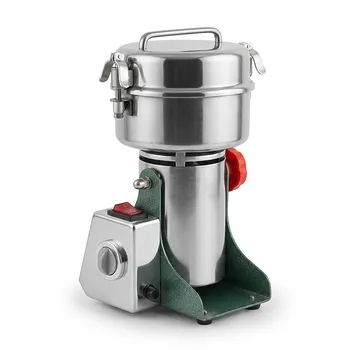
Small High-Speed Swing Grinder for Laboratory Sample Preparation
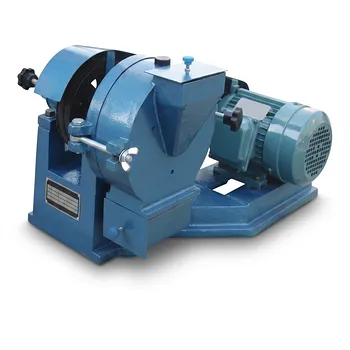
Laboratory Disc Mill for Ore and Mineral Sample Preparation
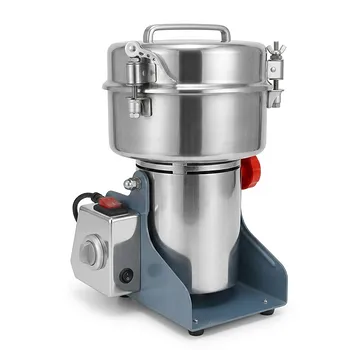
Small High-Speed Grinder for Efficient Laboratory Sample Preparation
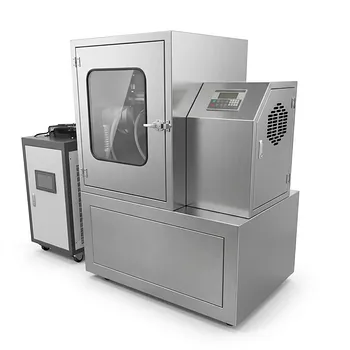
Vibratory Superfine Grinder for Ultra Fine Laboratory Powder Milling
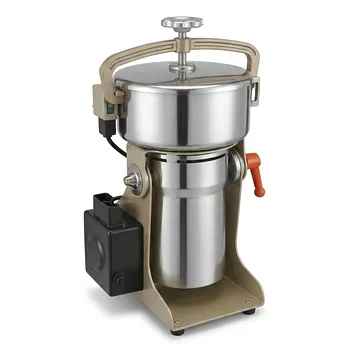
Multifunctional High Efficiency High Speed Laboratory Grinder
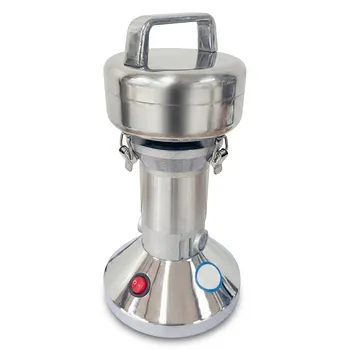
Small Trace Sample High Speed Pulverizer Grinder Laboratory Powder Mill