Why is a high-precision laboratory hydraulic press required for sintering? Ensure Uniform Density & Precise Data
Updated 4 months ago
Precision in green body preparation is the foundation of accurate sintering analysis. A high-precision laboratory hydraulic press is essential because it provides the constant, repeatable pressure required to eliminate internal density gradients and ensure a uniform particle arrangement. By producing samples with consistent geometric shapes and standardized initial densities, researchers ensure that subsequent sintering data reflects the material's true kinetics rather than artifacts of inconsistent sample preparation.
A high-precision laboratory hydraulic press transforms loose glass powder into dense, uniform "green bodies" by applying controlled mechanical force. This standardization is critical to ensure that observed shrinkage, expansion, and densification during sintering are caused by the material's properties and not by flaws in the initial compaction.
Eliminating Internal Density Gradients
The Role of Particle Rearrangement
High-pressure compaction forces glass micro-powders to overcome inter-particle friction and rearrange within the mold. This process effectively expels trapped air and reduces the gaps between individual particles, creating a more cohesive structure.
Achieving Uniform Structural Integrity
Consistent axial pressure ensures that the green body possesses a uniform internal structure from the core to the surface. Without this precision, density gradients can lead to non-uniform shrinkage or macroscopic deformation during the heating process.
Maximizing Particle Contact Points
High precision ensures the highest possible packing density, which increases the contact area between glass particles. This established physical foundation is necessary for efficient high-temperature solid-phase reactions and grain growth.
Standardizing Sintering Kinetics Data
Establishing a Repeatable Baseline
Applying a specific, controlled pressure (often ranging from 40 MPa to 120 MPa) creates a standardized starting point for all experimental samples. This allows researchers to use tools like thermomechanical analyzers to isolate the material's inherent behavior with confidence.
Isolating Material Variables
When the green body is perfectly formed, any shrinkage or expansion observed during subsequent heating reflects the inherent sintering kinetics of the glass. This eliminates "noise" in the data that would otherwise be caused by inconsistencies in the initial sample preparation.
Minimizing Post-Sintering Defects
Increasing the initial packing density via precision pressing is the most effective way to prevent severe shrinkage or cracking. Properly compacted green bodies maintain their geometric integrity even as they undergo the intense stresses of densification.
Understanding the Trade-offs and Pitfalls
Pressure Limits and Material Integrity
While high pressure increases density, exceeding the material's specific threshold can lead to "capping" or lamination. This occurs when stored elastic energy causes the green body to crack or de-layer immediately upon being released from the mold.
Mold Friction and Wall Effects
Friction between the powder and the mold walls can still create slight variations even when using a high-precision press. Failure to properly maintain or lubricate the steel molds can compromise the surface finish and the final geometric accuracy of the pellet.
Equipment Sensitivity
High-precision presses require regular calibration to ensure the digital readouts match the actual force applied to the sample. Small deviations in pressure between batches can lead to irreproducible results in sensitive sintering studies.
Optimizing Your Sample Preparation Strategy
To achieve the best results in your sintering studies, tailor your pressing parameters to your specific research objectives:
- If your primary focus is fundamental sintering kinetics: Utilize the highest repeatable pressure possible to minimize air gaps and ensure that shrinkage data is driven solely by solid-state diffusion.
- If your primary focus is preventing final product failure: Focus on achieving a perfectly uniform density distribution to eliminate the internal stresses that cause cracking and warping during the cooling phase.
- If your primary focus is crystal precipitation (e.g., leucite): Ensure high-pressure compaction to maximize particle contact area, which facilitates the uniform precipitation of crystals during the sintering stage.
By mastering the precision of the green body formation process, you eliminate preparation variables and ensure your sintering research is both accurate and reproducible.
Summary Table:
| Key Feature | Impact on Green Body | Benefit to Sintering Study |
|---|---|---|
| Constant Pressure | Eliminates internal density gradients | Ensures uniform shrinkage and prevents warping |
| Air Expulsion | Reduces porosity and voids | Minimizes macroscopic defects and cracking |
| Repeatable Force | Establishes a standardized baseline | Isolates material kinetics from preparation variables |
| Maximized Contact | Increases particle contact points | Enhances solid-phase reactions and grain growth |
Elevate Your Material Research with Precision Compaction
At the core of every successful sintering study is a perfectly prepared green body. We provide complete laboratory sample preparation solutions tailored for material science, specializing in advanced powder processing and high-precision compaction equipment.
Our extensive product line is designed to give researchers total control over their samples:
- Precision Compaction: Standard lab presses, Cold/Warm Isostatic Presses (CIP/WIP), XRF pellet presses, and vacuum hot presses for uniform density.
- Powder Processing: Planetary ball mills, jet mills, cryogenic grinders, and jaw/roll crushers for optimal particle size distribution.
- Preparation & Analysis: Sieve shakers, powder mixers, and defoaming mixers to ensure material homogeneity.
Whether you are analyzing sintering kinetics or developing advanced glass-ceramics, our equipment ensures your data is driven by material properties, not preparation flaws.
Ready to standardize your sample preparation? Contact our technical experts today to find the perfect solution for your lab!
References
- Boris Agea‐Blanco, Ralf Müller. Sintering and Foaming of Barium Silicate Glass Powder Compacts. DOI: 10.3389/fmats.2016.00045
Mentioned Products
- 6-Ton Small Single-Punch Tablet Press — Laboratory Powder & Granule Tableting Equipment / Tablet Forming Machine
- 5 Ton Single Punch Tablet Press Laboratory Small Batch Production
- Multifunctional High Efficiency High Speed Laboratory Grinder
- Manual Tablet Press with Dual Scale Pressure Gauge for Pharmaceutical Food Chemical Laboratory Sample Preparation
- 6 Ton Variable Frequency Single Punch Tablet Press
People Also Ask
- What is the function of a laboratory press in Cr-Ti alloy evaluation? Quantify Fracture Stress & Strength
- What is the function of a laboratory press in assessing the hydrophobic performance of modified vermiculite fillers?
- What is the core function of a laboratory press in the forming of ceramic filter element green bodies? Maximize Density.
- What is the function of a laboratory press in the preparation of ceramic feed rods? Master Density and Precision
- Why is vacuum sealing and flexible packaging necessary for Aluminum Titanate powders during CIP? Ensure Peak Density

Tech Team · PowderPreparation
Last updated on Jun 03, 2026
Related Products
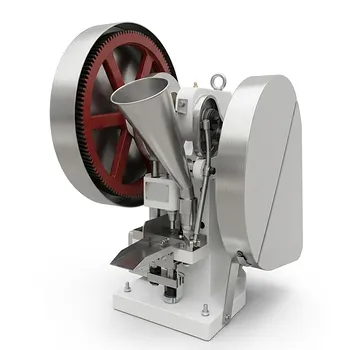
6-Ton Small Single-Punch Tablet Press — Laboratory Powder & Granule Tableting Equipment / Tablet Forming Machine
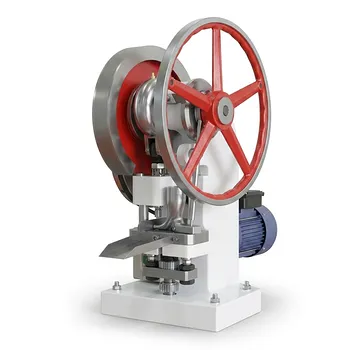
5 Ton Single Punch Tablet Press Laboratory Small Batch Production
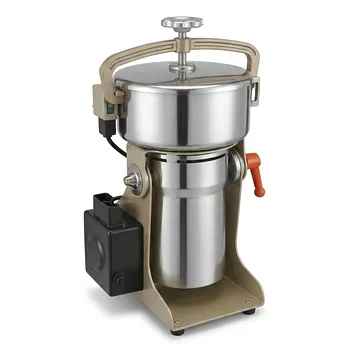
Multifunctional High Efficiency High Speed Laboratory Grinder
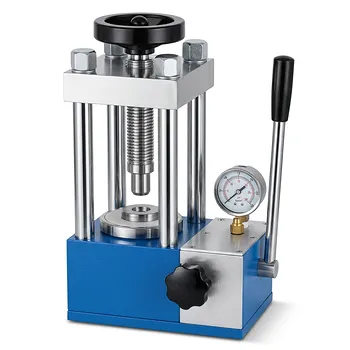
Manual Tablet Press with Dual Scale Pressure Gauge for Pharmaceutical Food Chemical Laboratory Sample Preparation
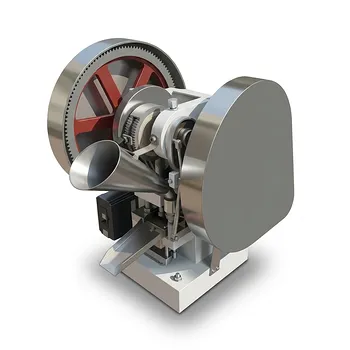
6 Ton Variable Frequency Single Punch Tablet Press
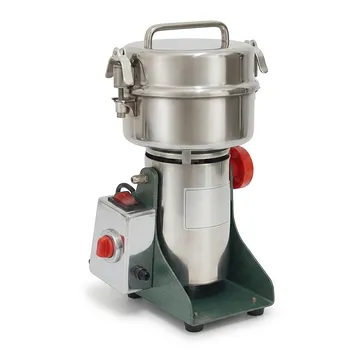
Small High Speed Grinder for Laboratory Sample Preparation
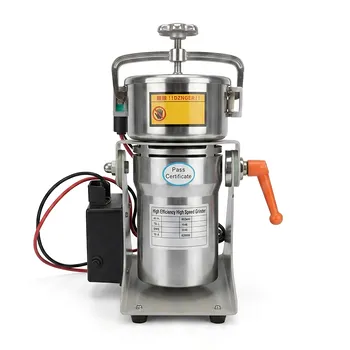
High Efficiency High Speed Grinder Laboratory Mill 1300W 25000rpm
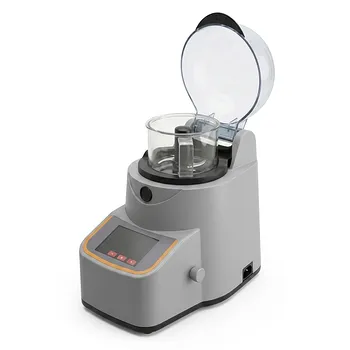
Industrial Knife Mill for Food and Biological Sample Preparation High Speed Laboratory Homogenizer
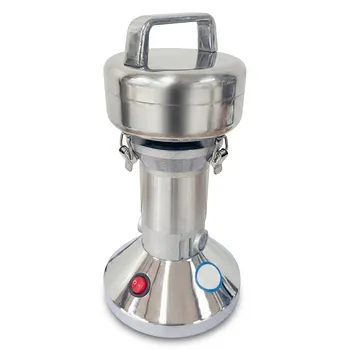
Small Trace Sample High Speed Pulverizer Grinder Laboratory Powder Mill
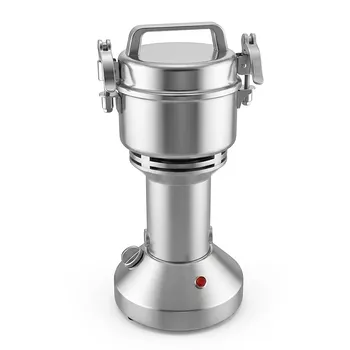
Small High Speed Upright Grinder for Laboratory Sample Preparation
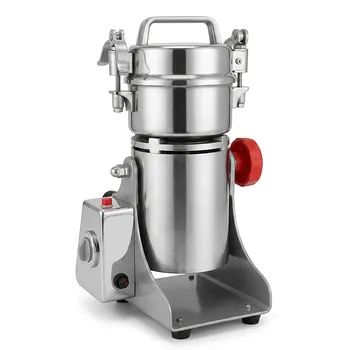
Industrial High Speed Small Sample Pulverizer Swing Type Laboratory Grinder for Powder Processing
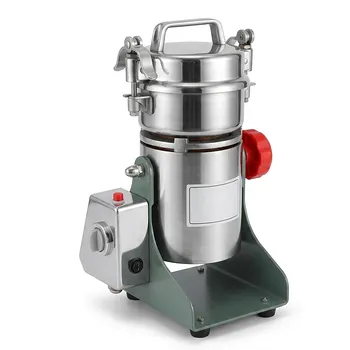
High Speed Swing Type Laboratory Pulverizer for Fine Powder Grinding and Sample Preparation
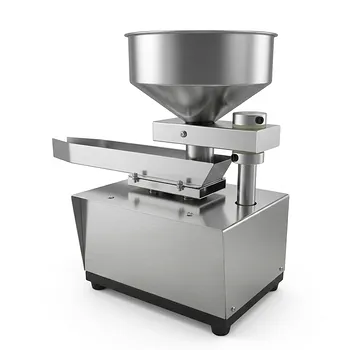
Automatic Vibrating Powder Feeder for Laboratory Material Processing Precision Vibratory Hopper Feeder for Granular and Powder Material Handling Industrial Grade Vibrating Tray Feeder for Consistent Material Sample Preparation
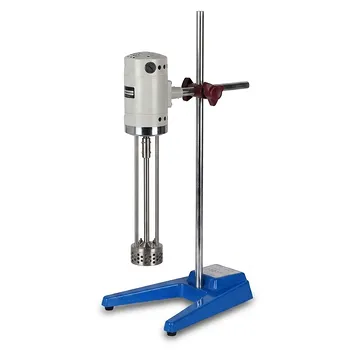
High Shear Laboratory Emulsifier for Mixing and Homogenization
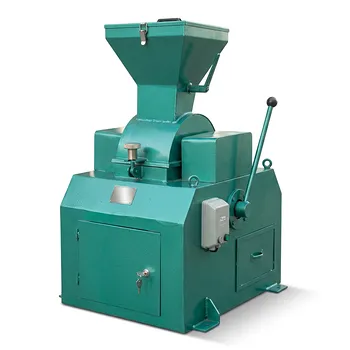
Laboratory Sealed Hammer Blade Crusher Divider for High Hardness Sample Preparation
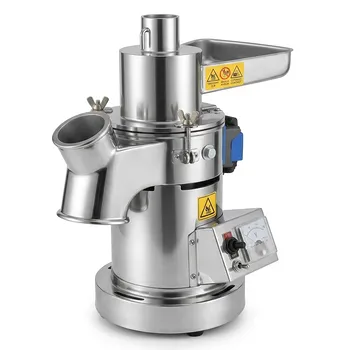
Continuous Feeding Grinder High Efficiency Pulverizer for Lab Sample Preparation
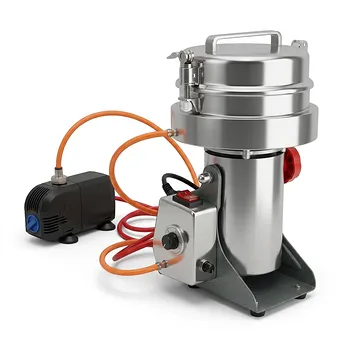
Water Cooled High Speed Grinder with Cryogenic Option for Laboratory Sample Preparation