Why is a high-precision laboratory hydraulic press required for experiments? Ensure Accurate Ceramic Research Results
Updated 5 months ago
A high-precision laboratory hydraulic press is required to isolate residue content as the sole independent variable by ensuring all test specimens have identical initial densities. This precise control eliminates "forming differences" that would otherwise mask the true effects of industrial residues, such as granite powder or gypsum, on the final material performance.
Precise pressure control ensures that differences in ceramic strength or shrinkage are a direct result of the solid waste incorporation rather than inconsistent compaction or manufacturing defects.
Eliminating Experimental Variables
Isolating the Impact of Solid Waste
When evaluating materials like granite powder or gypsum, researchers must ensure the forming process is perfectly repeatable.
A high-precision press applies controlled, uniform uniaxial pressure to ensure that every sample starts with the same packing density, regardless of its chemical composition.
Without this precision, a researcher cannot distinguish between a failure caused by the residue and a failure caused by a poorly compacted green body.
Maintaining Consistent Initial Densities
In experiments involving varying residue proportions, the physical characteristics of the powder change.
A precision press compensates for these variations by applying an exact, constant pressure (such as 35 MPa or 400 kg/cm²) across all samples.
This consistency is the only way to scientifically validate how different levels of solid waste affect flexural or compressive strength after sintering.
Ensuring Structural Integrity and Reliability
Minimizing Internal Density Gradients
Precision equipment ensures that powder particles achieve the highest possible packing density within the mold.
Uniform pressure distribution is critical to eliminating internal voids and stress non-uniformity that can lead to micro-defects.
By minimizing these gradients, the press prevents the final ceramic product from deforming, cracking, or shrinking non-uniformly during the high-temperature sintering process.
Improving Statistical Reliability
In small-sample studies, even minor manufacturing defects can significantly fluctuate the Weibull modulus, which measures material reliability.
A high-precision press reduces these fluctuations, allowing for more accurate predictions of material characteristics and performance.
This leads to a more stable structural foundation, which is especially important when applying secondary features like low thermal expansion coefficient (CTE) coatings.
Understanding the Trade-offs
The Risk of Manual Variability
Standard or manual hydraulic presses often lack the fine-tuned control needed to maintain exact pressure-holding times.
Inconsistency in the loading rate can lead to variations in green strength, making it impossible to compare results between different batches.
Equipment Sensitivity and Mold Friction
While high-precision presses offer superior control, researchers must still account for friction between the powder and the mold walls.
Even with a precision press, failing to use proper lubrication or specialized molds can result in density variations from the top to the bottom of the specimen.
How to Apply This to Your Research
Making the Right Choice for Your Goal
- If your primary focus is determining maximum load-bearing capacity: Use the press to apply a uniformly increasing vertical load to cured mortar cubes until failure to accurately calculate ultimate compressive strength.
- If your primary focus is preventing deformation during sintering: Prioritize a press with accurate pressure-holding systems to ensure the highest packing density and zero internal voids.
- If your primary focus is sensitive electronic applications (e.g., KNBNNO): Ensure the press provides the extreme uniformity required to maintain piezoelectric and pyroelectric sensitivity by preventing micro-cracks.
By utilizing a high-precision press, you transform a simple compaction step into a rigorous, scientifically valid foundation for material innovation.
Summary Table:
| Feature | Importance in Ceramic Research | Impact on Experimental Data |
|---|---|---|
| Precise Pressure Control | Eliminates forming differences as a variable. | Ensures residue content is the sole independent variable. |
| Density Uniformity | Minimizes internal voids and stress gradients. | Prevents cracking, deforming, or shrinking during sintering. |
| Loading Rate Consistency | Maintains repeatable green body strength. | Improves statistical reliability and Weibull modulus. |
| Pressure-Holding | Reaches maximum possible packing density. | Guarantees structural integrity for sensitive applications. |
Elevate Your Material Research with Precision Engineering
At [Brand Name], we provide complete laboratory sample preparation solutions tailored for material science. We specialize in high-performance powder processing and compaction equipment designed to eliminate variables and ensure repeatable excellence in your experiments.
Our extensive product line includes:
- Advanced Mills & Grinders: Planetary ball mills, jet mills, and liquid nitrogen cryogenic grinders.
- Sieving & Mixing: Sieve shakers (vibratory/air-jet) and high-efficiency powder or defoaming mixers.
- Precision Presses: A full spectrum of hydraulic presses including Cold/Warm Isostatic Presses (CIP/WIP), standard lab presses, XRF pellet presses, and vacuum hot presses.
Whether you are evaluating industrial residues or developing high-sensitivity electronic ceramics, our equipment provides the structural foundation your data depends on. Contact us today to discuss your specific application and find the perfect solution for your laboratory!
References
- Kelson Silva de Almeida, José Milton Elias de Matos. Efeito de resíduos de gesso e de granito em produtos da indústria de cerâmica vermelha: revisão bibliográfica. DOI: 10.1590/s1517-707620200001.0893
Mentioned Products
- 6-Ton Small Single-Punch Tablet Press — Laboratory Powder & Granule Tableting Equipment / Tablet Forming Machine
- 5 Ton Single Punch Tablet Press Laboratory Small Batch Production
- Multifunctional High Efficiency High Speed Laboratory Grinder
- Manual Tablet Press with Dual Scale Pressure Gauge for Pharmaceutical Food Chemical Laboratory Sample Preparation
- 6 Ton Variable Frequency Single Punch Tablet Press
People Also Ask
- What is the function of a laboratory press in Cr-Ti alloy evaluation? Quantify Fracture Stress & Strength
- What is the function of a laboratory press in assessing the hydrophobic performance of modified vermiculite fillers?
- What is the core function of a laboratory press in the forming of ceramic filter element green bodies? Maximize Density.
- What is the function of a laboratory press in the preparation of ceramic feed rods? Master Density and Precision
- Why is vacuum sealing and flexible packaging necessary for Aluminum Titanate powders during CIP? Ensure Peak Density

Tech Team · PowderPreparation
Last updated on May 14, 2026
Related Products
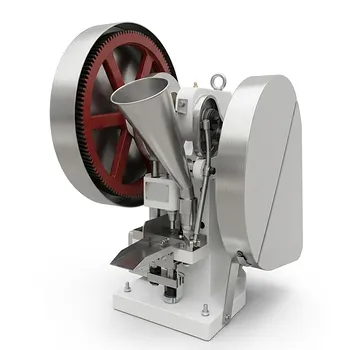
6-Ton Small Single-Punch Tablet Press — Laboratory Powder & Granule Tableting Equipment / Tablet Forming Machine
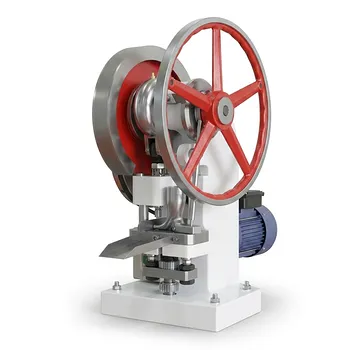
5 Ton Single Punch Tablet Press Laboratory Small Batch Production
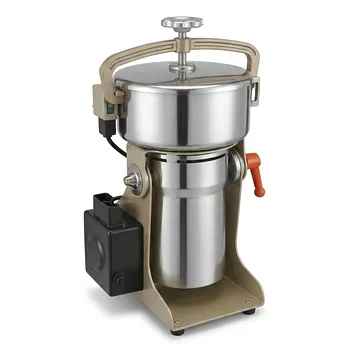
Multifunctional High Efficiency High Speed Laboratory Grinder
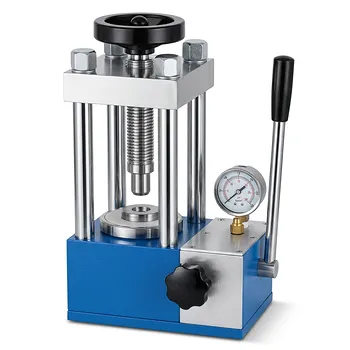
Manual Tablet Press with Dual Scale Pressure Gauge for Pharmaceutical Food Chemical Laboratory Sample Preparation
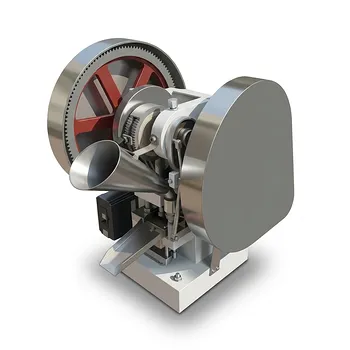
6 Ton Variable Frequency Single Punch Tablet Press
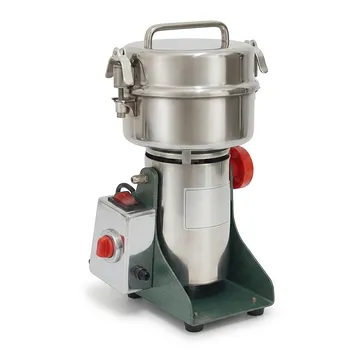
Small High Speed Grinder for Laboratory Sample Preparation
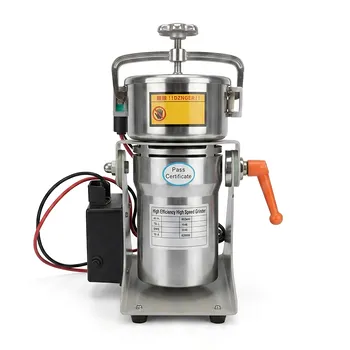
High Efficiency High Speed Grinder Laboratory Mill 1300W 25000rpm
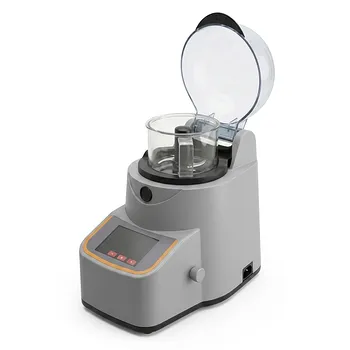
Industrial Knife Mill for Food and Biological Sample Preparation High Speed Laboratory Homogenizer
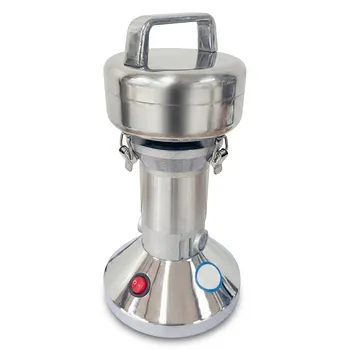
Small Trace Sample High Speed Pulverizer Grinder Laboratory Powder Mill
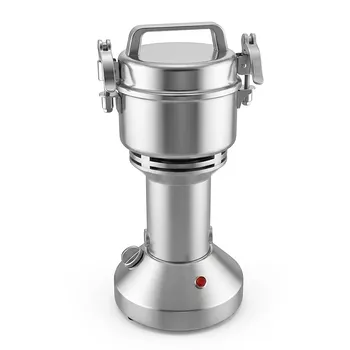
Small High Speed Upright Grinder for Laboratory Sample Preparation
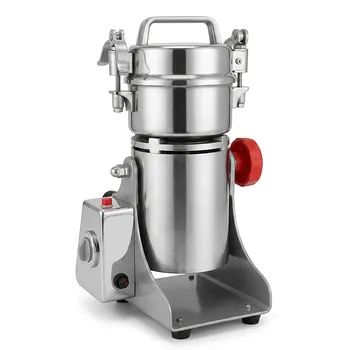
Industrial High Speed Small Sample Pulverizer Swing Type Laboratory Grinder for Powder Processing
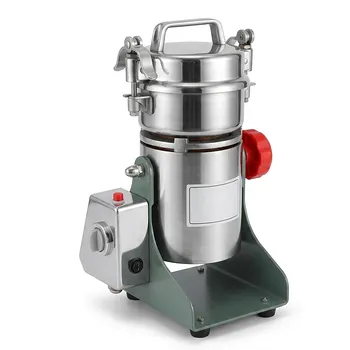
High Speed Swing Type Laboratory Pulverizer for Fine Powder Grinding and Sample Preparation
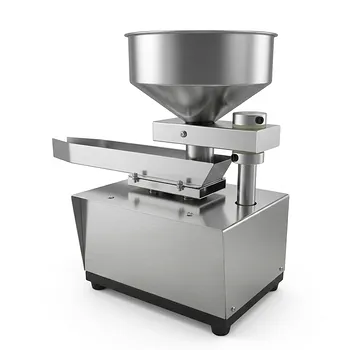
Automatic Vibrating Powder Feeder for Laboratory Material Processing Precision Vibratory Hopper Feeder for Granular and Powder Material Handling Industrial Grade Vibrating Tray Feeder for Consistent Material Sample Preparation
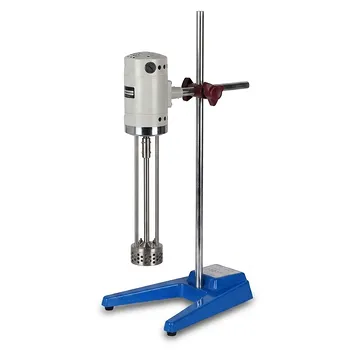
High Shear Laboratory Emulsifier for Mixing and Homogenization
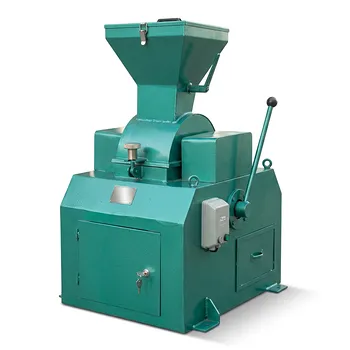
Laboratory Sealed Hammer Blade Crusher Divider for High Hardness Sample Preparation
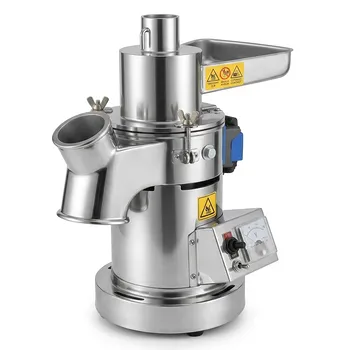
Continuous Feeding Grinder High Efficiency Pulverizer for Lab Sample Preparation
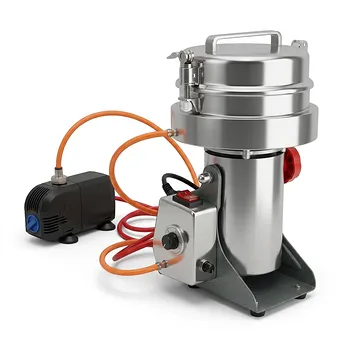
Water Cooled High Speed Grinder with Cryogenic Option for Laboratory Sample Preparation