Why is a high-precision laboratory hydraulic press necessary for AMZ nine-layer ceramics? Ensure Superior Bonding
Updated 4 months ago
Precision pressure application is the cornerstone of structural integrity in laminated ceramics. To form Alumina-Mullite-Zirconia (AMZ) nine-layer symmetrical green bodies, a high-precision laboratory hydraulic press is essential to provide uniform and controlled axial pressure. This precision ensures that layers as thin as 35 to 40 micrometers bond seamlessly, preventing defects like interlaminar peeling or edge cracking during the high-temperature sintering process.
A high-precision hydraulic press is required to eliminate internal density gradients and ensure uniform bonding across multi-layered structures. By maintaining stable, exact pressure, the press transforms loose powders or sheets into a cohesive green body capable of withstanding the stresses of densification.
The Role of Uniform Pressure in Multi-Layer Bonding
Achieving Interlaminar Adhesion
In a nine-layer AMZ laminate, the interface between each layer is a potential point of failure. The hydraulic press applies constant uniaxial pressure to force these layers into intimate contact, enabling them to bond under the influence of binders.
Managing Ultra-Thin Layer Thickness
The specific challenge of AMZ laminates lies in the delicacy of the individual layers, often measuring only 35 to 40 micrometers. High-precision control is necessary to apply enough force to bond these sheets without crushing their microstructural features or causing lateral displacement.
Promoting Particle Rearrangement
Precision loading allows ceramic particles to overcome internal friction and rearrange into a more efficient packing configuration. This process significantly reduces the inter-particle voids and increases the initial relative density of the green body.
Eliminating Internal Density Gradients
Minimizing Non-Uniform Shrinkage
If pressure is applied unevenly, different areas of the green body will reach different densities. These density gradients lead to non-uniform shrinkage during sintering, which is the primary cause of warping and dimensional inaccuracy.
Preventing Interlaminar Peeling
When layers have inconsistent densities, they shrink at different rates during heating. A precision press ensures a uniform green body density, which is critical for preventing the layers from "peeling" apart or delaminating as the material densifies.
Ensuring High Sintering Density
By achieving a high packing density in the green state—often exceeding 85 percent relative density—the hydraulic press creates the necessary physical foundation for atomic diffusion. This ensures the final AMZ ceramic reaches its maximum theoretical density and mechanical strength.
Understanding the Trade-offs and Constraints
The Risk of Excessive Pressure
While high pressure (up to 295 MPa) can reduce voids, exceeding the material's limit can cause "springback" or macro-cracking upon pressure release. Finding the optimal pressure setpoint—typically between 30 and 150 MPa—is a delicate balance between compaction and structural damage.
Binder Sensitivity
The effectiveness of the hydraulic press is highly dependent on the organic binder content within the AMZ mixture. Inconsistent pressure can cause the binder to migrate or pool, leading to localized weak spots that fail during the organic burnout phase.
Mechanical Friction Limits
Even with a high-precision press, friction between the powder and the mold walls can create minor pressure drops. This necessitates the use of precision-machined molds and potentially lubricants to ensure the axial force is distributed as evenly as possible throughout the nine layers.
How to Apply Precision Forming to Your Project
Recommendations for Success
- If your primary focus is structural reliability: Ensure your hydraulic press can maintain a stable dwell time at peak pressure to allow for full particle rearrangement.
- If your primary focus is dimensional precision: Utilize a press with digital pressure monitoring to ensure every sample in a series is compacted under identical conditions to minimize batch variance.
- If your primary focus is thin-film laminates: Prioritize a press with a slow-loading rate capability to prevent sudden air entrapment between the 35-micrometer layers.
By mastering the precise application of axial force, you ensure that the complex architecture of an AMZ laminate survives the transition from a fragile green state to a high-performance technical ceramic.
Summary Table:
| Key Requirement | Benefit for AMZ Laminates | Impact on Final Product |
|---|---|---|
| Uniform Pressure | Seamless bonding of 35-40 μm layers | Prevents interlaminar peeling/cracking |
| Precise Control | Eliminates internal density gradients | Minimizes warping and non-uniform shrinkage |
| High Packing Density | Optimizes particle rearrangement | Maximizes mechanical strength and density |
| Digital Monitoring | Ensures consistent batch-to-batch pressure | Reduces variance in structural reliability |
Elevate Your Ceramic Research with Precision Engineering
Achieving the perfect green body for Alumina-Mullite-Zirconia (AMZ) laminates requires more than just force—it requires absolute precision. At our core, we provide complete laboratory sample preparation solutions for material science, specializing in high-end powder processing and compaction equipment designed to eliminate defects and maximize structural integrity.
Our extensive manufacturing line includes:
- Advanced Hydraulic Presses: From standard lab presses and XRF pellet presses to sophisticated Cold/Warm Isostatic Presses (CIP/WIP), hot presses, and vacuum hot presses.
- Precision Milling & Grinding: Planetary ball mills, jet mills, disc mills, and liquid nitrogen cryogenic grinders for optimal particle size distribution.
- Preparation & Mixing: Jaw/roll crushers, vibratory/air-jet sieve shakers, and high-efficiency powder or defoaming mixers.
Whether you are a researcher focused on ultra-thin film laminates or an industrial developer seeking repeatable results, our equipment provides the stability and control your project demands. Contact us today to find your perfect laboratory solution and ensure your materials transition flawlessly from green state to high-performance ceramic.
References
- Emanuele Bertarelli, R. Contro. A Computational Approach to Design High Reliability Ceramic Laminates. DOI: 10.2174/1874158400802010067
Mentioned Products
- 6-Ton Small Single-Punch Tablet Press — Laboratory Powder & Granule Tableting Equipment / Tablet Forming Machine
- 5 Ton Single Punch Tablet Press Laboratory Small Batch Production
- Multifunctional High Efficiency High Speed Laboratory Grinder
- Manual Tablet Press with Dual Scale Pressure Gauge for Pharmaceutical Food Chemical Laboratory Sample Preparation
- 6 Ton Variable Frequency Single Punch Tablet Press
People Also Ask
- What is the function of a laboratory press in Cr-Ti alloy evaluation? Quantify Fracture Stress & Strength
- What is the function of a laboratory press in assessing the hydrophobic performance of modified vermiculite fillers?
- What is the core function of a laboratory press in the forming of ceramic filter element green bodies? Maximize Density.
- What is the function of a laboratory press in the preparation of ceramic feed rods? Master Density and Precision
- Why is vacuum sealing and flexible packaging necessary for Aluminum Titanate powders during CIP? Ensure Peak Density

Tech Team · PowderPreparation
Last updated on May 14, 2026
Related Products
6-Ton Small Single-Punch Tablet Press — Laboratory Powder & Granule Tableting Equipment / Tablet Forming Machine
5 Ton Single Punch Tablet Press Laboratory Small Batch Production
Multifunctional High Efficiency High Speed Laboratory Grinder
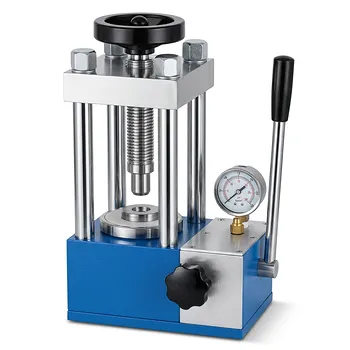
Manual Tablet Press with Dual Scale Pressure Gauge for Pharmaceutical Food Chemical Laboratory Sample Preparation
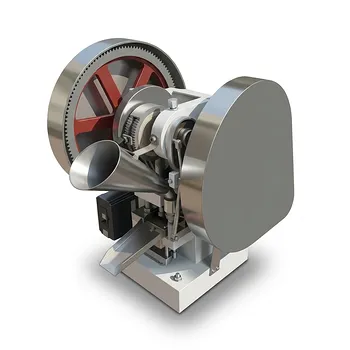
6 Ton Variable Frequency Single Punch Tablet Press
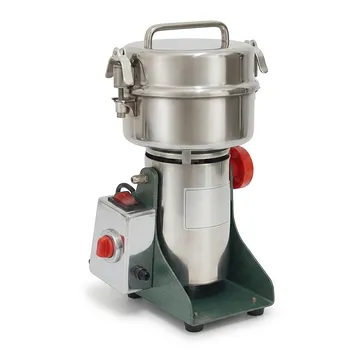
Small High Speed Grinder for Laboratory Sample Preparation
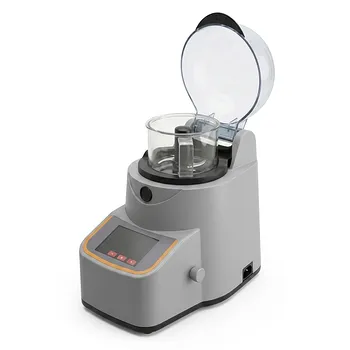
Industrial Knife Mill for Food and Biological Sample Preparation High Speed Laboratory Homogenizer
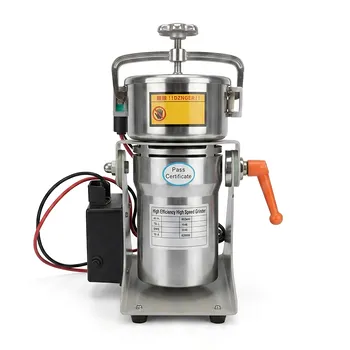
High Efficiency High Speed Grinder Laboratory Mill 1300W 25000rpm
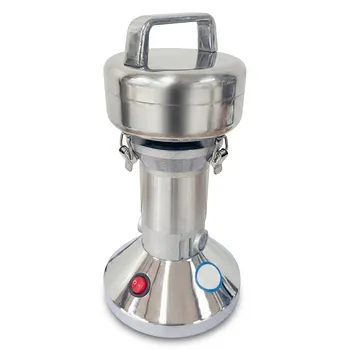
Small Trace Sample High Speed Pulverizer Grinder Laboratory Powder Mill
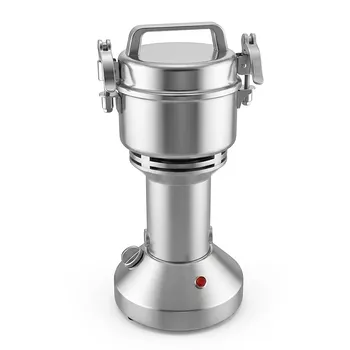
Small High Speed Upright Grinder for Laboratory Sample Preparation
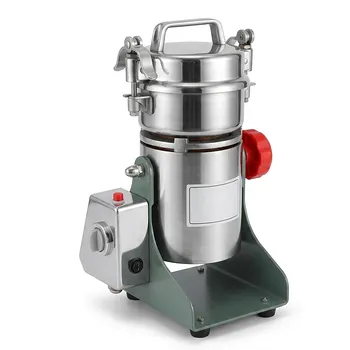
High Speed Swing Type Laboratory Pulverizer for Fine Powder Grinding and Sample Preparation
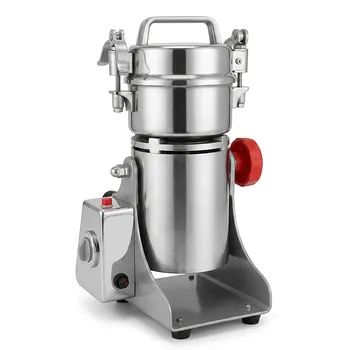
Industrial High Speed Small Sample Pulverizer Swing Type Laboratory Grinder for Powder Processing
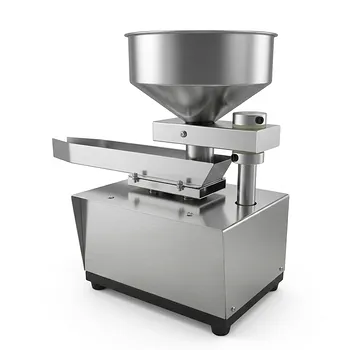
Automatic Vibrating Powder Feeder for Laboratory Material Processing Precision Vibratory Hopper Feeder for Granular and Powder Material Handling Industrial Grade Vibrating Tray Feeder for Consistent Material Sample Preparation
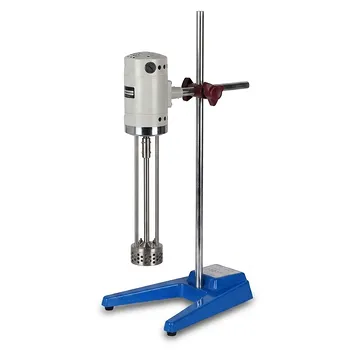
High Shear Laboratory Emulsifier for Mixing and Homogenization
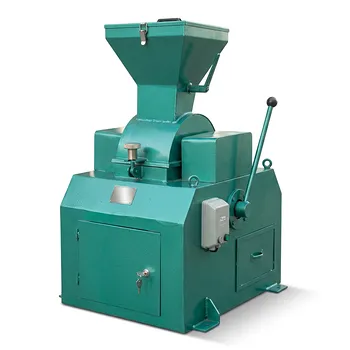
Laboratory Sealed Hammer Blade Crusher Divider for High Hardness Sample Preparation
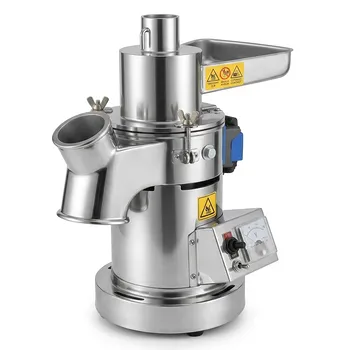
Continuous Feeding Grinder High Efficiency Pulverizer for Lab Sample Preparation
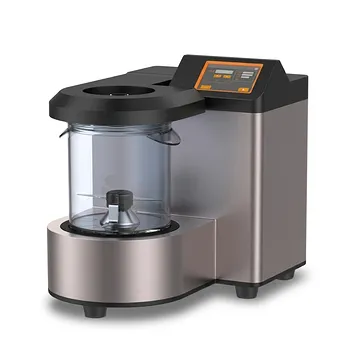
Laboratory Knife Mill for Large Volume Sample Homogenization and Food Preparation