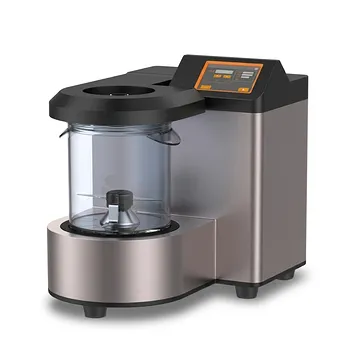
Why is a high-precision lab press necessary for evaluating recycled pellet briquettes? Ensure Data Integrity.
Updated 5 months ago
High-precision laboratory hydraulic presses are indispensable for briquetting research because they provide the exact, adjustable compaction loads required to simulate industrial-scale production. By delivering precise pressures (typically ranging from 50 to 200 kN), these instruments allow researchers to analyze how specific forces influence the bonding between recycled particles, ensuring the final product reaches the necessary mechanical strength without wasting energy.
Core Takeaway: A precision press is the only way to isolate how compaction pressure affects particle bonding and density distribution. By eliminating manufacturing defects and density gradients, researchers can generate reliable data that accurately predicts how briquettes will perform during transportation, storage, and combustion.
Simulating Industrial Briquetting Conditions
Precise Control of Compaction Loads
Industrial briquetting requires specific pressure ranges to transform loose recycled powder into stable solids. A high-precision press allows for adjustable compaction pressures, typically between 50 and 200 kN, to mimic these real-world manufacturing environments.
Analyzing Particle Bonding Forces
The mechanical integrity of a briquette depends on the bonding forces between powder particles. Precise load control enables researchers to identify the exact "tipping point" where particles rearrange and bond, allowing for the optimization of internal structures.
Balancing Strength and Energy Consumption
In industrial settings, excess pressure leads to unnecessary energy costs. Laboratory precision helps determine the minimum pressure required to achieve maximum strength, creating a cost-effective pathway for scaling up production.
Optimizing Physical and Chemical Characteristics
Eliminating Voids and Increasing Bulk Density
Mechanical force is required to eliminate large voids between particles, which significantly increases the bulk density of the material. This compaction is vital for preventing briquettes from breaking during transportation or handling.
Managing Porosity and Combustion
Precise pressure control optimizes internal oxygen permeation pathways. By balancing density with porosity, researchers can fine-tune the relationship between ignition speed and combustion sustainability for energy-dense briquettes.
Softening Natural Binders
When equipped with heating elements, these presses can synchronize high temperatures with pressure to soften natural lignin. This allows the lignin to act as a natural binder, transforming loose biomass into a dense, stable energy carrier without the need for synthetic additives.
Ensuring Data Integrity and Reliability
Eliminating Density Gradients
A major challenge in material testing is the presence of density gradients within a sample. High-precision axial pressure ensures a uniform density distribution, which is critical for obtaining accurate mechanical data.
Enhancing Small-Sample Reliability
Manufacturing defects can cause fluctuations in the Weibull modulus, a measure of material reliability. Precise pressing eliminates these defects, ensuring that fluctuations in test results are due to the material properties themselves rather than the molding process.
Uniform Stress Distribution
Constant and smooth axial pressure results in a uniform stress distribution across the specimen. This level of control is necessary for accurately measuring compressive strength and verifying that recycled materials meet structural safety standards.
Understanding the Trade-offs
Equipment Cost vs. Data Fidelity
While high-precision presses require a larger initial investment, the data they produce is far more reliable than that from manual or low-end systems. Low-precision equipment often introduces internal cracks or density variations, which can lead to false conclusions about a material’s potential.
Pressure Limits and Material Deformation
Applying excessive pressure can sometimes lead to elastic spring-back or internal shearing once the load is released. Researchers must carefully calibrate the press to avoid over-compacting, which can degrade the material's mechanical properties rather than enhance them.
Applying These Insights to Your Evaluation
Making the Right Choice for Your Goal
- If your primary focus is industrial scalability: Use a high-precision press to identify the lowest possible compaction pressure that meets strength standards to minimize future energy costs.
- If your primary focus is material reliability: Prioritize a press that offers smooth axial loading to eliminate density gradients, ensuring your data reflects the true mechanical limits of the recycled powder.
- If your primary focus is energy density (Biomass): Select a press with integrated heating elements to leverage natural binders like lignin, which maximizes bulk density and stability.
Mastering the precision of your compaction process is the definitive step toward transforming recycled waste into a high-performance industrial resource.
Summary Table:
| Key Feature | Benefit for Recycled Pellet Evaluation |
|---|---|
| Adjustable Load (50-200 kN) | Accurately simulates industrial-scale production environments. |
| Uniform Axial Pressure | Eliminates density gradients for reliable mechanical testing. |
| Integrated Heating | Softens natural binders like lignin for energy-dense biomass. |
| Precise Load Control | Determines the minimum pressure needed to maximize strength. |
| Defect Elimination | Increases material reliability and stabilizes the Weibull modulus. |
Transform Recycled Waste into High-Performance Resources
Are you looking to optimize your briquetting research and ensure industrial-grade reliability? At [Your Company Name], we provide complete laboratory sample preparation solutions for material science. We specialize in high-performance powder processing and compaction equipment tailored to your specific research needs.
Our extensive product line includes:
- Advanced Hydraulic Presses: Cold/Warm Isostatic Presses (CIP/WIP), standard lab presses, XRF pellet presses, hot presses, and vacuum hot presses.
- Preparation Equipment: Crushers (jaw/roll), liquid nitrogen cryogenic grinders, and various mills (planetary ball, jet, sand/bead, disc, rotor).
- Analysis & Mixing: Sieve shakers (vibratory/air-jet), powder mixers, and defoaming mixers.
Whether you are refining biomass energy density or testing the structural limits of recycled materials, our equipment delivers the precision you need to eliminate manufacturing defects and generate reliable data.
Ready to elevate your lab's capabilities? Contact our experts today for a tailored solution!
References
- Karthik Manu, Weihong Yang. Maximizing the Recycling of Iron Ore Pellets Fines Using Innovative Organic Binders. DOI: 10.3390/ma16103888
Mentioned Products
- 6-Ton Small Single-Punch Tablet Press — Laboratory Powder & Granule Tableting Equipment / Tablet Forming Machine
- 5 Ton Single Punch Tablet Press Laboratory Small Batch Production
- Multifunctional High Efficiency High Speed Laboratory Grinder
- Manual Tablet Press with Dual Scale Pressure Gauge for Pharmaceutical Food Chemical Laboratory Sample Preparation
- 6 Ton Variable Frequency Single Punch Tablet Press
People Also Ask
- What is the function of a laboratory press in Cr-Ti alloy evaluation? Quantify Fracture Stress & Strength
- What is the function of a laboratory press in assessing the hydrophobic performance of modified vermiculite fillers?
- What is the core function of a laboratory press in the forming of ceramic filter element green bodies? Maximize Density.
- What is the function of a laboratory press in the preparation of ceramic feed rods? Master Density and Precision
- Why is vacuum sealing and flexible packaging necessary for Aluminum Titanate powders during CIP? Ensure Peak Density

Tech Team · PowderPreparation
Last updated on May 14, 2026
Related Products
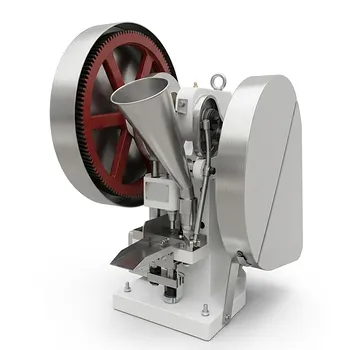
6-Ton Small Single-Punch Tablet Press — Laboratory Powder & Granule Tableting Equipment / Tablet Forming Machine
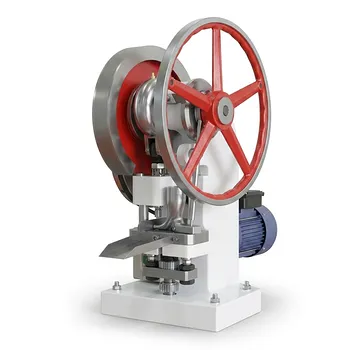
5 Ton Single Punch Tablet Press Laboratory Small Batch Production
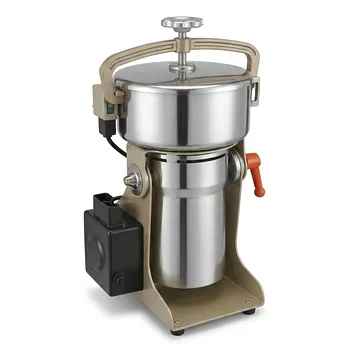
Multifunctional High Efficiency High Speed Laboratory Grinder
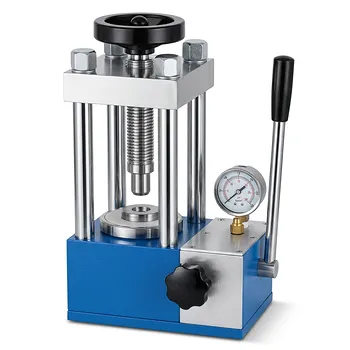
Manual Tablet Press with Dual Scale Pressure Gauge for Pharmaceutical Food Chemical Laboratory Sample Preparation
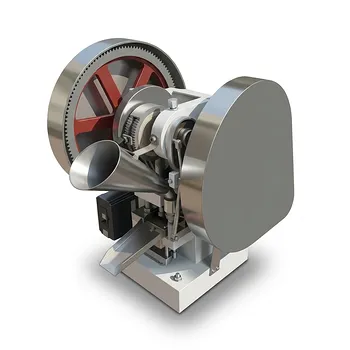
6 Ton Variable Frequency Single Punch Tablet Press
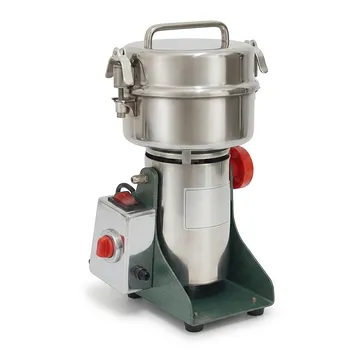
Small High Speed Grinder for Laboratory Sample Preparation
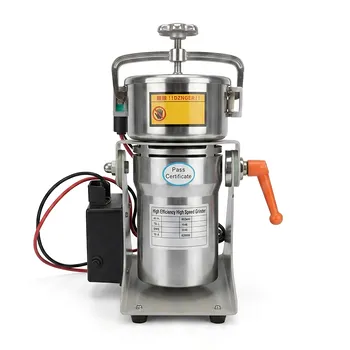
High Efficiency High Speed Grinder Laboratory Mill 1300W 25000rpm
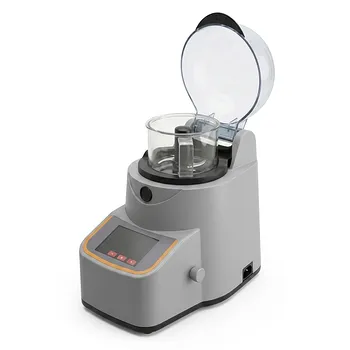
Industrial Knife Mill for Food and Biological Sample Preparation High Speed Laboratory Homogenizer
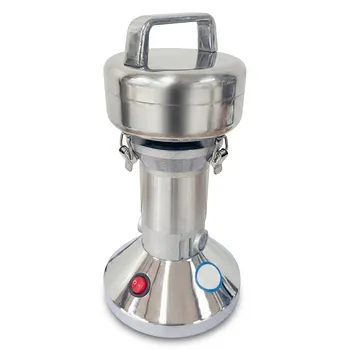
Small Trace Sample High Speed Pulverizer Grinder Laboratory Powder Mill
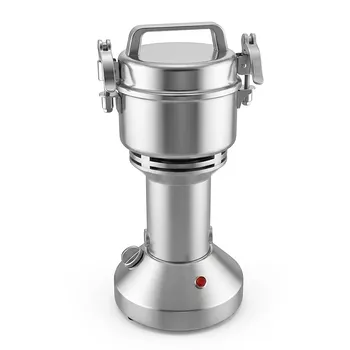
Small High Speed Upright Grinder for Laboratory Sample Preparation
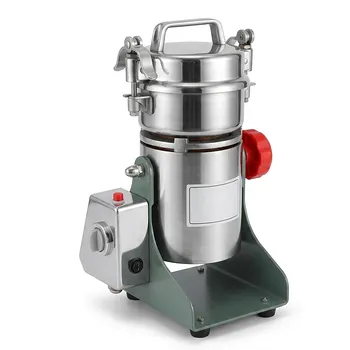
High Speed Swing Type Laboratory Pulverizer for Fine Powder Grinding and Sample Preparation
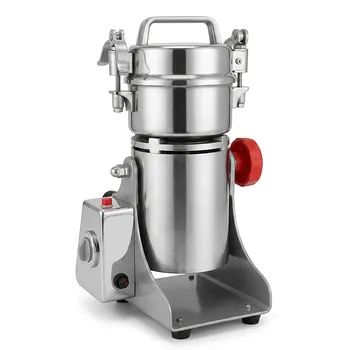
Industrial High Speed Small Sample Pulverizer Swing Type Laboratory Grinder for Powder Processing
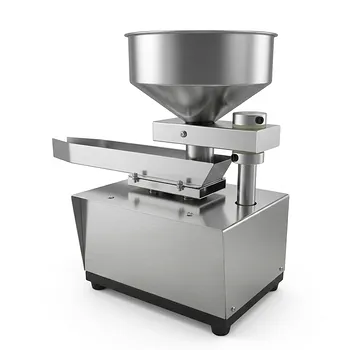
Automatic Vibrating Powder Feeder for Laboratory Material Processing Precision Vibratory Hopper Feeder for Granular and Powder Material Handling Industrial Grade Vibrating Tray Feeder for Consistent Material Sample Preparation
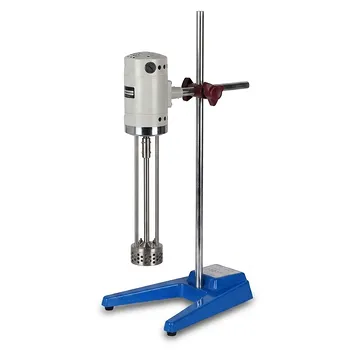
High Shear Laboratory Emulsifier for Mixing and Homogenization
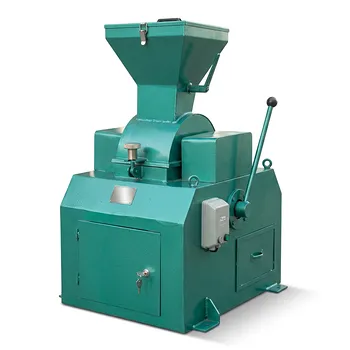
Laboratory Sealed Hammer Blade Crusher Divider for High Hardness Sample Preparation
Continuous Feeding Grinder High Efficiency Pulverizer for Lab Sample Preparation
Water Cooled High Speed Grinder with Cryogenic Option for Laboratory Sample Preparation