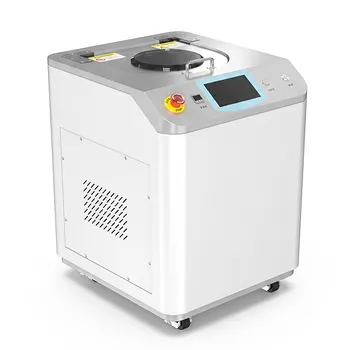
Why is a high-efficiency powder mixer essential for SSC/SDC cathode materials? Optimize TPB and Performance
Updated 5 months ago
High-efficiency powder mixing is essential because it facilitates a uniform microscopic distribution of the electronic conductor (SSC) and ionic conductor (SDC) phases. This homogeneity is the primary driver for maximizing the Triple Phase Boundary (TPB) length, which directly determines the efficiency of oxygen ion and electron transport. Without high-efficiency mixing, the material suffers from phase segregation, leading to poor electrochemical performance and structural defects.
Core Takeaway: Achieving a dense, molecular-level composite network between SSC and SDC is impossible with standard mixing; high-efficiency equipment is required to maximize electrochemical active sites and ensure stable charge transport across the cathode.
Maximizing the Triple Phase Boundary (TPB)
The Role of TPB in Cathode Efficiency
The performance of a composite cathode depends on the points where the electronic conductor (SSC), the ionic conductor (SDC), and the gas phase meet.
These intersections, known as the Triple Phase Boundary, are where the actual electrochemical reactions occur.
A high-efficiency mixer ensures these two phases achieve full contact at the microscopic level, significantly increasing the available TPB length and lowering activation polarization.
Optimizing Transport Pathways
For a cathode to function, oxygen ions must move through the SDC phase while electrons travel through the SSC phase.
High-efficiency mixing creates a dense composite network where these paths are continuous and interconnected.
This prevents "dead zones" where ions or electrons become trapped, thereby ensuring reliable charge transfer impedance measurements and high power density.
Overcoming Material Agglomeration and Segregation
Breaking Down Nano-Powder Clusters
Ceramic components like SSC and SDC, particularly when processed as nano-powders, have a natural tendency to agglomerate.
High-efficiency mixers utilize high-intensity mechanical shearing and centrifugal forces to break these clusters apart.
This process ensures that the powders are not just mixed, but are uniformly dispersed within the composite, preventing the formation of large, inactive clumps.
Mitigating Density and Size Disparity
SSC and SDC may have different physical characteristics, such as particle size or density, which can lead to composition segregation.
A high-performance mixer overcomes these physical differences to achieve thorough homogenization at both macroscopic and microscopic levels.
This prevents "local overheating" or uneven impedance distribution that typically occurs when one phase is concentrated in specific areas of the electrode.
Ensuring Long-Term Structural Integrity
Preventing Defects During Sintering
Uniformity is a core requirement for maintaining a consistent green body density before the material is fired.
Inconsistencies in the powder mix lead to microstructural defects and non-uniform shrinkage during the sintering process.
High-efficiency mixing minimizes these risks, ensuring the final ceramic cathode remains structurally stable and free from cracks or delamination.
Enhancing Chemical Stability
In complex systems where trace dopants are used to optimize ion migration, high-efficiency mixing ensures uniform dopant distribution.
This level of precision is vital for inducing lattice vacancies and leveraging high-entropy effects that enhance the material's stability.
A well-mixed system ensures that the chemical properties of the cathode are consistent across the entire bulk material, rather than varying from point to point.
Understanding the Trade-offs
Equipment Complexity and Cost
High-efficiency mixers require a higher initial capital investment and more rigorous maintenance than standard stirrers. The high shear forces involved can also lead to increased wear and tear on the mixing chambers, potentially introducing trace contaminants if the equipment is not properly lined.
Processing Time vs. Material Degradation
While intensive mixing is necessary, over-processing can lead to particle size reduction beyond the desired range or excessive heat buildup. This heat can sometimes trigger premature reactions or change the surface chemistry of the sensitive SSC/SDC powders, requiring a carefully optimized mixing cycle.
How to Apply This to Your Project
When selecting a mixing strategy for SSC/SDC composite cathodes, your choice should align with your specific performance targets.
- If your primary focus is Maximum Power Density: Prioritize high-shear mixing to maximize TPB length and minimize charge transfer resistance.
- If your primary focus is Batch Consistency: Use industrial-grade high-efficiency mixers with automated controls to prevent phase segregation between large production runs.
- If your primary focus is Reducing Structural Defects: Ensure the mixer includes a defoaming or vacuum function to eliminate air pockets and ensure a high green body density.
Ultimately, the quality of your powder mix defines the ceiling of your cathode's performance; without microscopic uniformity, even the most advanced materials will fail to reach their theoretical potential.
Summary Table:
| Key Requirement | Impact of High-Efficiency Mixing | Benefit to Cathode Performance |
|---|---|---|
| TPB Maximization | Ensures microscopic contact between SSC and SDC phases. | Increases electrochemical active sites and ion transport. |
| Agglomerate Control | Uses high-intensity shear to break down nano-powder clusters. | Prevents inactive clumps and ensures uniform dispersion. |
| Phase Homogeneity | Overcomes density/size disparity between materials. | Eliminates "dead zones" and ensures stable charge transfer. |
| Structural Integrity | Creates consistent green body density before sintering. | Prevents microstructural defects, cracks, and delamination. |
| Chemical Stability | Achieves uniform distribution of dopants and vacancies. | Enhances long-term stability and high-entropy effects. |
Elevate Your Material Research with Precision Processing
Achieving the theoretical potential of SSC/SDC composite cathodes requires more than just high-quality powders—it requires perfect homogeneity. At [Company Name], we provide complete laboratory sample preparation solutions for material science, specializing in the powder processing and compaction equipment essential for advanced energy materials.
Whether you need to maximize Triple Phase Boundary (TPB) length or ensure defect-free sintering, our extensive product line has you covered:
- Advanced Mixing: High-efficiency powder mixers and defoaming mixers for microscopic uniformity.
- Precision Milling: Planetary ball mills, jet mills, and cryogenic grinders to control particle size.
- Compaction Solutions: A full spectrum of hydraulic presses, including Cold/Warm Isostatic Presses (CIP/WIP), vacuum hot presses, and XRF pellet presses for high-density green bodies.
- Sizing & Analysis: Vibratory and air-jet sieve shakers for precise powder classification.
Ready to optimize your cathode performance? Contact our technical team today to discuss how our specialized equipment can enhance your lab's efficiency and material consistency!
References
- Mohammad Fikrey Roslan, Mohamed Saiful Firdaus Hussin. Comparative Study of SSC Cathode Materials for IT-SOFC Applications: Short Review. DOI: 10.64382/mjii.v3i4.73
Mentioned Products
- High Efficiency Vacuum Planetary Centrifugal Mixer and Defoaming Machine for Industrial Material Research and Precise Laboratory Powder Dispersion
- Multi Dimensional Universal Mixer for High Uniformity Powder Blending
- High Speed Laboratory Grinder Efficient Stainless Steel Powder Pulverizer Universal Material Science Mill for Sample Preparation
- High-Speed Simple Disperser for Efficient Mixing, Dispersion, and Emulsification
- V-Type Powder Mixer for Uniform Blending of Dry Powders and Granules
People Also Ask
- Why is a planetary centrifugal mixer recommended for geopolymer slurries? Achieve high-shear, air-free homogenization.
- What core functions does a planetary centrifugal mixer perform? Optimize Hard Carbon Anode Slurry & Degassing
- Why is a planetary centrifugal mixer utilized for wood powder and HPMC? Achieve uniform dispersion & rapid defoaming.
- What role does a planetary centrifugal mixer play in flexible sensor inks? Achieve Nano-Scale Homogenization
- What is the role of a planetary centrifugal mixer in preparing DCPD resin-based matrices? Ensure Flawless Homogeneity

Tech Team · PowderPreparation
Last updated on May 14, 2026
Related Products
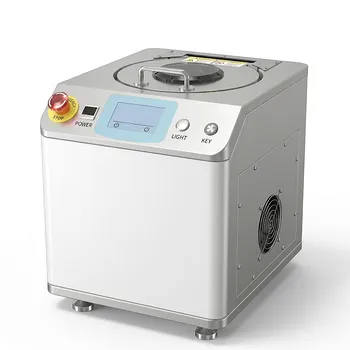
High Efficiency Vacuum Planetary Centrifugal Mixer and Defoaming Machine for Industrial Material Research and Precise Laboratory Powder Dispersion
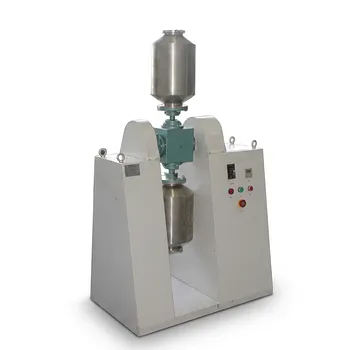
Multi Dimensional Universal Mixer for High Uniformity Powder Blending
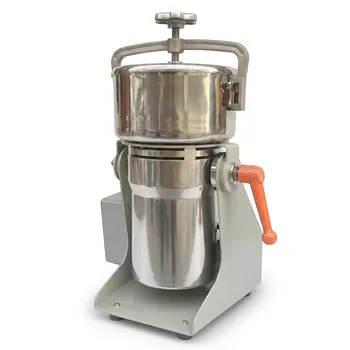
High Speed Laboratory Grinder Efficient Stainless Steel Powder Pulverizer Universal Material Science Mill for Sample Preparation
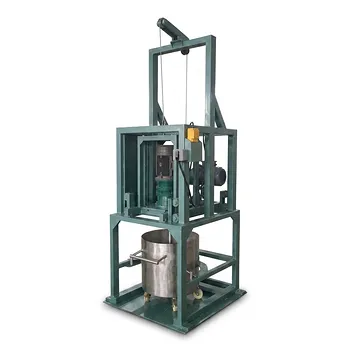
High-Speed Simple Disperser for Efficient Mixing, Dispersion, and Emulsification
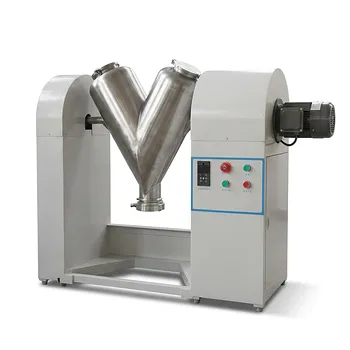
V-Type Powder Mixer for Uniform Blending of Dry Powders and Granules
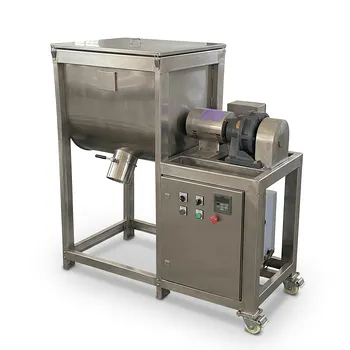
Horizontal Ribbon Mixer for Dry Powder and Slurry Blending
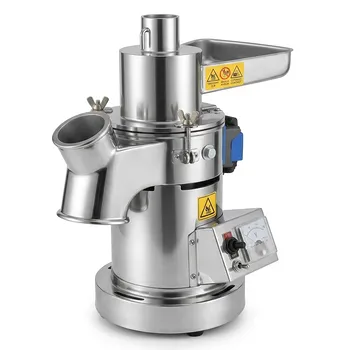
Continuous Feeding Grinder High Efficiency Pulverizer for Lab Sample Preparation
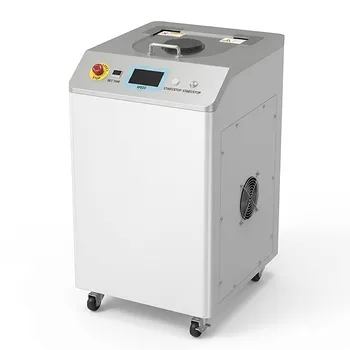
High Viscosity Planetary Centrifugal Vacuum Mixer for Material Defoaming and Uniform Mixing
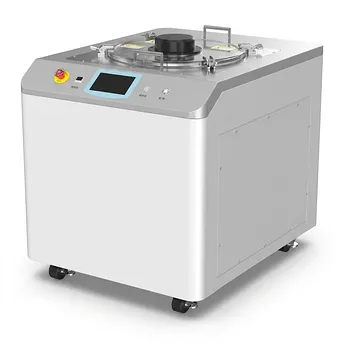
Industrial Planetary Centrifugal Vacuum Defoaming Mixer for High Viscosity Paste and Powder Homogenization
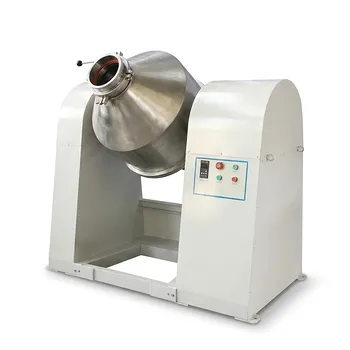
Industrial Double Cone Mixer for Powder Blending and Homogeneous Mixing
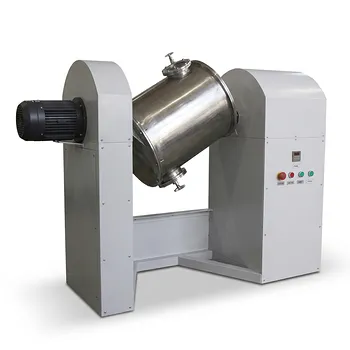
Inclined Mixer for Homogeneous Powder Blending and Grinding
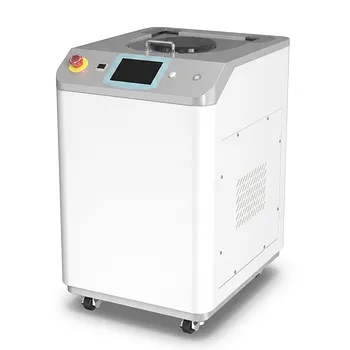
High Viscosity Planetary Centrifugal Mixing and Vacuum Defoaming Machine for Laboratory Material Preparation
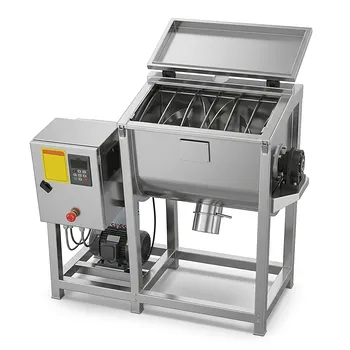
Horizontal Ribbon Mixer for Uniform Powder and Slurry Mixing

Vertical Production Planetary Ball Mill for High Throughput Powder Processing
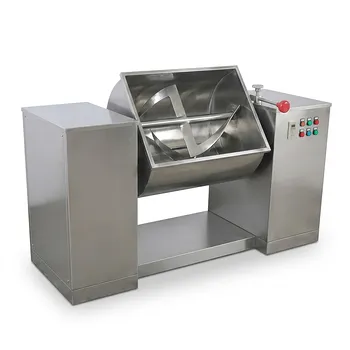
Horizontal Trough Mixer for Uniform Powder and Paste Blending
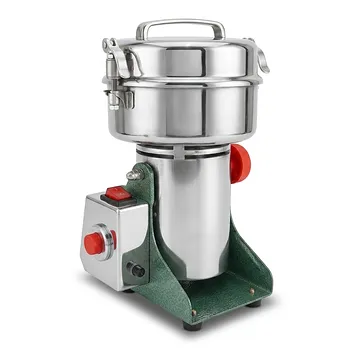
Small High-Speed Laboratory Grinder for Powder Processing
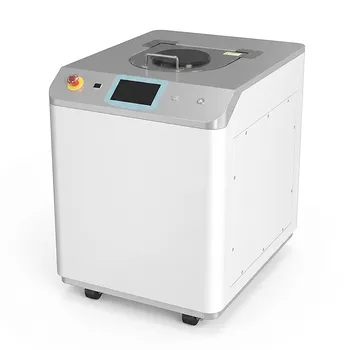
Industrial Planetary Centrifugal Vacuum Defoaming Mixer for High Viscosity Paste and Advanced Material Science
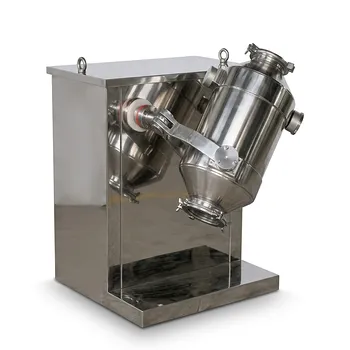
Three-Dimensional Motion Mixer for Laboratory Powder and Granule Blending
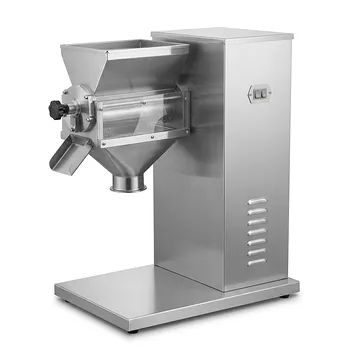
Small Swing Granulator Efficient Powder Granulation for Pharmaceutical Chemical Food Industries