Why is a heavy-duty jaw crusher required for the preparation of pistachio shell bio-fillers? Master Biomass Processing
Updated 4 months ago
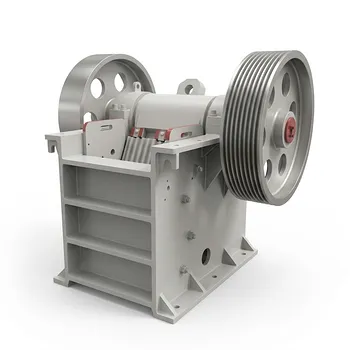
A heavy-duty jaw crusher is essential for pistachio shell processing because it provides the necessary mechanical force to overcome the extreme hardness of the biomass. These machines perform the critical first stage of size reduction, transforming bulky, dense shells into manageable fragments via high-pressure compression between two heavy-duty jaw plates. This initial breakdown is a technical requirement before the material can be fed into fine-grinding or milling equipment to create functional bio-fillers.
The jaw crusher acts as the primary mechanical gateway, utilizing high-pressure compression to shatter the dense cellular structure of pistachio shells. Without this initial stage of coarse reduction, downstream fine-grinding machinery would face excessive wear, frequent jamming, and operational failure.
Overcoming Material Hardness and Density
Managing Structural Integrity
Pistachio shells are naturally designed to protect the seed, resulting in a lignocellulosic structure that is exceptionally hard and dense. Attempting to process these shells directly in fine-milling equipment often leads to mechanical stall or immediate component damage.
The Mechanics of Compression
The jaw crusher utilizes a "nutcracker" motion, applying massive compressive force between a fixed and a reciprocating jaw plate. This specific mechanical action is the most efficient way to fracture brittle, high-density biomass into smaller, workable pieces.
The Role in the Production Pipeline
Pre-processing for Fine Grinding
The jaw crusher serves as the primary reduction stage in the manufacturing process. It reduces macroscopic waste to a specific particle size that is compatible with the intake requirements of secondary milling systems.
Bridging Macroscopic and Microscopic Scales
To create a "functional filler," the biomass must eventually reach a microscopic scale. The jaw crusher facilitates this by performing the heavy lifting of the first volumetric reduction, ensuring the material is prepared for the precision stages of bio-filler production.
Understanding the Trade-offs
Limitations of Single-Stage Reduction
While powerful, a jaw crusher cannot produce the final, fine powder required for bio-fillers on its own. It is designed for coarse reduction only and must always be viewed as one part of a multi-stage system.
Equipment Wear and Maintenance
Processing extremely hard biomass like pistachio shells places significant stress on the jaw plates. Regular inspection and the use of high-wear-resistant alloys for the plates are necessary to maintain consistent throughput and prevent contamination of the filler material.
Optimizing Your Bio-Filler Preparation
Selecting the right approach for your size reduction line depends on your final output requirements and the scale of your operation.
- If your primary focus is equipment longevity: Ensure the jaw crusher is calibrated to produce a discharge size that perfectly matches the optimal feed size of your secondary mill to prevent downstream "slugging."
- If your primary focus is particle uniformity: Utilize a closed-circuit system where oversized fragments from the jaw crusher are re-circulated until they meet the required dimensions for the next processing phase.
- If your primary focus is energy efficiency: Prioritize high-torque, low-speed jaw crushers, as they utilize mechanical advantage more effectively than high-speed impactors when dealing with dense biomass.
By correctly utilizing a heavy-duty jaw crusher as the foundational step, you ensure a reliable and scalable path from raw biomass waste to high-value functional bio-fillers.
Summary Table:
| Feature | Role in Bio-filler Preparation | Benefit to Process |
|---|---|---|
| Mechanical Action | High-pressure compression (Nutcracker motion) | Shatters dense lignocellulosic structures efficiently |
| Processing Stage | Primary coarse reduction | Prepares macroscopic waste for fine-milling systems |
| Equipment Protection | Bridges macroscopic to microscopic scales | Prevents jamming and wear on downstream fine grinders |
| Efficiency Focus | High-torque, low-speed operation | Optimizes energy use when handling high-density biomass |
Elevate Your Material Research with Expert Sample Preparation
Are you looking to transform challenging biomass into high-value functional fillers? At our core, we provide complete laboratory sample preparation solutions for material science, specializing in high-performance powder processing and compaction equipment.
From handling the extreme hardness of pistachio shells with our heavy-duty jaw and roll crushers to achieving microscopic precision with our planetary ball mills, jet mills, and cryogenic grinders, we offer the tools necessary for every stage of your production pipeline. Our extensive product line also includes:
- Size Reduction: Disc mills, rotor mills, and air-jet sieve shakers for precise particle size analysis.
- Mixing & Homogenization: Advanced powder mixers and defoaming mixers.
- Compaction & Pressing: A full spectrum of hydraulic presses, including Cold/Warm Isostatic Presses (CIP/WIP), standard lab presses, and vacuum hot presses.
Whether you are a researcher needing precise sample consistency or a distributor seeking reliable OEM/ODM support and high-quality equipment, we are dedicated to enhancing your operational efficiency and output quality.
Ready to optimize your lab's workflow? Contact us today to discuss your project!
References
- S. Rashia Begum, Mukesh Kumar. Study on pistachio shell filled PLA composites for FDM-based processing. DOI: 10.1038/s41598-025-22006-1
Mentioned Products
- Heavy Duty Industrial Laboratory Jaw Crusher for Primary Sample Preparation and Hard Material Size Reduction
- Heavy Duty Industrial Jaw Crusher for Primary Ore Crushing and High Capacity Mineral Material Size Reduction
- Heavy-Duty Jaw Crusher for Medium-Hard Ore and Industrial Mineral Crushing
- 150×125mm Laboratory Jaw Crusher for Medium and Fine Crushing of Brittle Materials
- 150x250mm Laboratory Jaw Crusher for Medium Hard Material Crushing and Sample Preparation
People Also Ask
- What is the primary function of a laboratory jaw crusher? Master Initial Hard Rock Ore Preparation & Feed Sizing
- What is the primary role of a laboratory jaw crusher in the initial stages of tin and tantalum ore reprocessing? Explained
- What is the role of a laboratory jaw crusher in the initial preparation of silicate-type low-grade copper ore?
- What role does an industrial jaw crusher play in gangue slurry processing? Essential Primary Size Reduction Insights
- What is the function of an industrial jaw crusher in the primary processing of ironstone? Key to Efficient Reduction

Tech Team · PowderPreparation
Last updated on Jun 03, 2026
Related Products
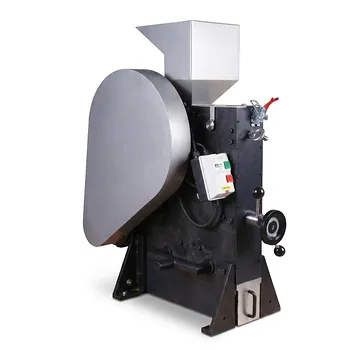
Heavy Duty Industrial Laboratory Jaw Crusher for Primary Sample Preparation and Hard Material Size Reduction
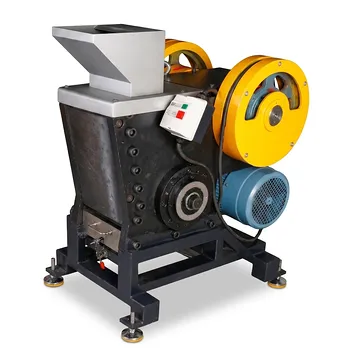
Heavy Duty Industrial Jaw Crusher for Primary Ore Crushing and High Capacity Mineral Material Size Reduction
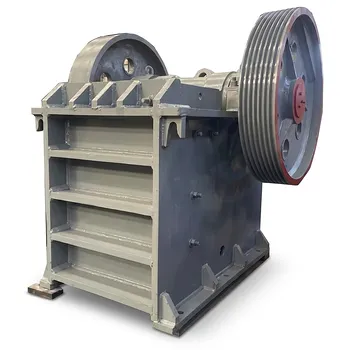
Heavy-Duty Jaw Crusher for Medium-Hard Ore and Industrial Mineral Crushing
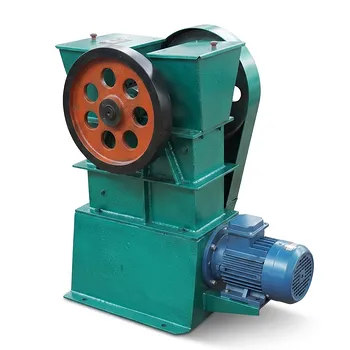
150×125mm Laboratory Jaw Crusher for Medium and Fine Crushing of Brittle Materials
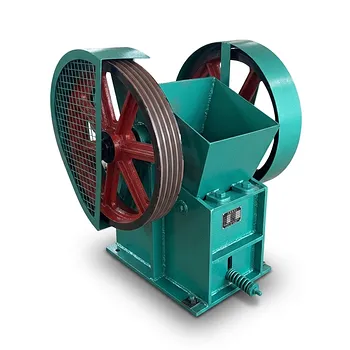
150x250mm Laboratory Jaw Crusher for Medium Hard Material Crushing and Sample Preparation
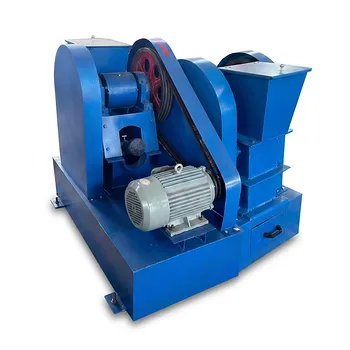
Horizontal Jaw Crusher Medium Hard Material Crushing Laboratory Sample Preparation Equipment
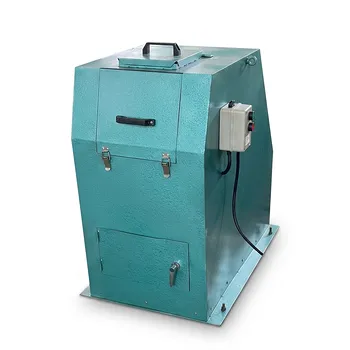
Environmentally Friendly Sealed Laboratory Jaw Crusher for Sample Preparation
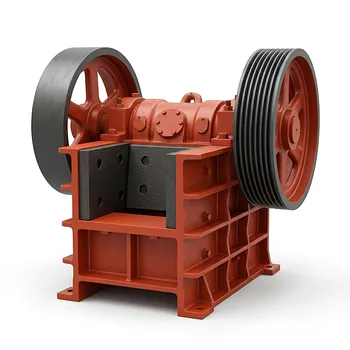
250x400 Jaw Crusher for Primary Crushing of Ores and Bulk Materials
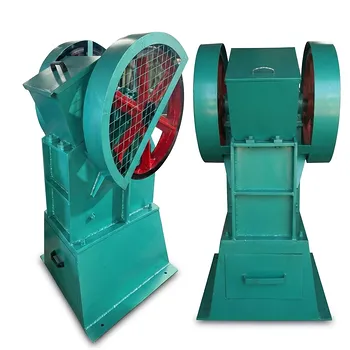
Sealed Jaw Crusher for Laboratory Material Crushing and Sample Preparation
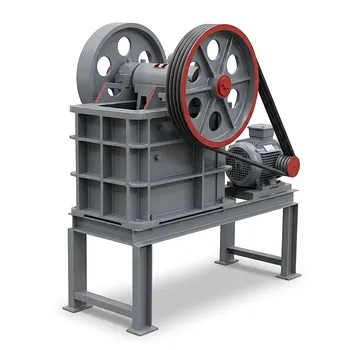
Laboratory Jaw Crusher 200x300mm Opening for Primary Crushing of Ores and Aggregates
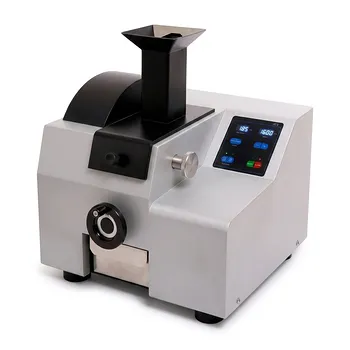
Laboratory Benchtop Jaw Crusher for Hard Brittle Materials Primary Size Reduction and Sample Preparation
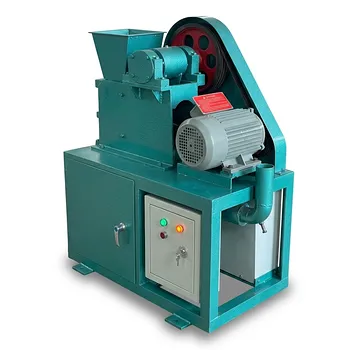
EP-B Type Sealed Jaw Crusher for Laboratory Sample Preparation
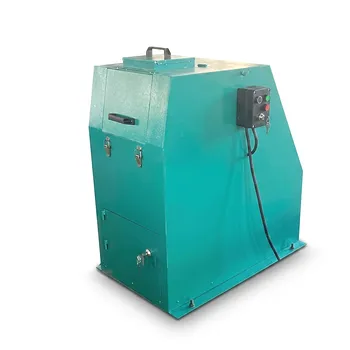
Environmentally Friendly Sealed Jaw Crusher for Laboratory Sample Preparation
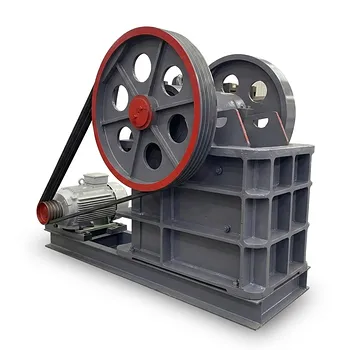
250x400mm Jaw Crusher Medium Crushing Equipment for Mining Mineral Sample Preparation
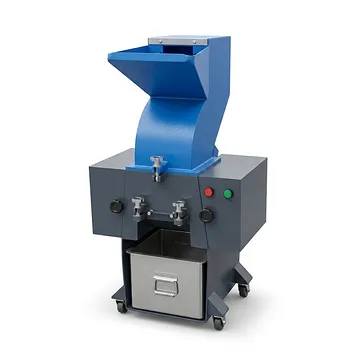
Heavy-Duty Crusher for Laboratory and Industrial Material Size Reduction
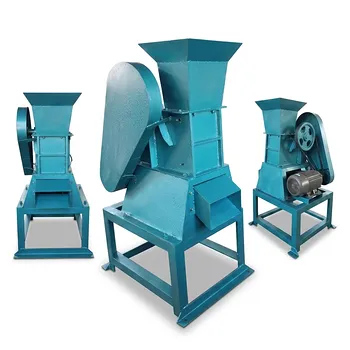
Custom Raised Height Laboratory Jaw Crusher for Precision Sample Preparation in Material Science
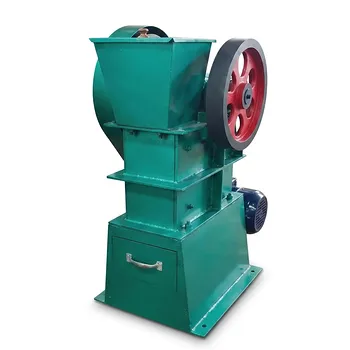
EP Series Small Jaw Crusher for Laboratory Sample Preparation
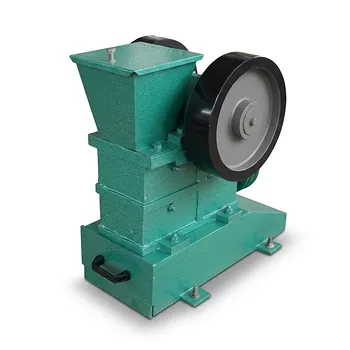
Laboratory Small Jaw Crusher 100x60mm
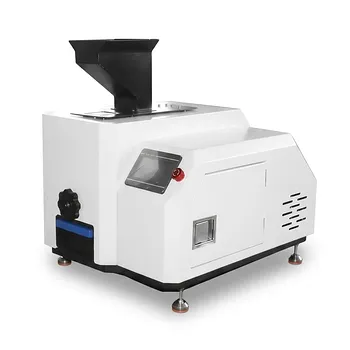
Laboratory Jaw Crusher 2025 Model for Ore and Brittle Material Crushing