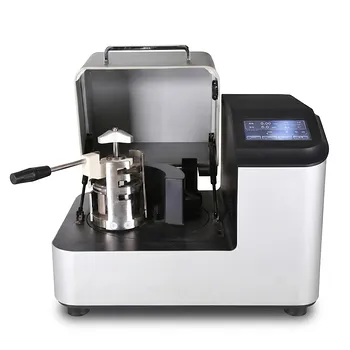
Why is a ceramic disc mill utilized for processing mirror glass particles in artificial stone manufacturing? Pure Color.
Updated 3 months ago
Ceramic disc mills are the preferred solution for processing mirror glass waste in artificial stone production due to their unique ability to provide precise particle grading while eliminating metallic contamination. By utilizing adjustable ceramic discs, these mills ensure that recycled glass particles meet strict size requirements—often calibrated to specific gaps like 0.85 mm—without introducing impurities that would compromise the aesthetic purity of the final stone product.
The ceramic disc mill serves a dual purpose: it acts as a high-precision secondary grinder to achieve specific particle size distributions and functions as a safeguard against color degradation by replacing metal grinding surfaces with inert ceramic materials.
Achieving Precise Particle Grading
The performance of artificial stone depends heavily on the "grading" of its internal aggregates. To achieve a high-density, durable slab, manufacturers must use a specific mix of medium and fine glass particles.
Secondary Fine Grinding Efficiency
Mirror glass typically undergoes an initial crushing stage to reduce its bulk size. The ceramic disc mill is then utilized for secondary fine grinding, transforming these rough fragments into the consistent granular material required for the manufacturing mix.
Precision via Adjustable Disc Gaps
The mill allows for precise disc gap adjustment, which is the distance between the rotating and stationary grinding surfaces. By setting these gaps to specific parameters, such as 0.85 mm, operators can consistently produce the exact particle sizes needed for various artificial stone recipes.
Maintaining Color Purity and Aesthetic Integrity
In the production of high-end artificial stone, color consistency is the primary measure of quality. Mirror glass is often used to provide reflective "sparkle," making it highly sensitive to discoloration.
The Problem with Metallic Impurities
Standard steel or iron grinding equipment wears down over time, shedding microscopic metallic impurities into the glass powder. In the context of artificial stone, these particles can cause "graying" or "spotting," ruining the vibrant, clean look of the finished slab.
Ceramic Discs as a Contamination Barrier
The use of ceramic grinding discs eliminates this risk entirely. Ceramic is an inert material that does not shed dark metallic dust, ensuring that the color purity of the mirror glass—and by extension, the final stone product—remains untainted.
Understanding the Trade-offs and Limitations
While ceramic disc mills are essential for purity, they require specific operational considerations compared to traditional metal mills.
Material Brittleness and Thermal Shock
Ceramic components are exceptionally hard but also brittle. They are highly effective for grinding glass but can be damaged if large, uncrushed debris or foreign objects enter the mill, requiring rigorous pre-sorting of the glass waste.
Maintenance and Alignment
Achieving consistent results requires the precise alignment of the discs. If the gap is not regularly calibrated, the particle grading will drift, which can lead to structural weaknesses or visual inconsistencies in the artificial stone slabs.
How to Apply This to Your Production Line
Choosing the right milling configuration depends on your specific product requirements and the quality of your raw glass waste.
- If your primary focus is high-end aesthetic clarity: Prioritize ceramic discs over all other materials to ensure there is zero risk of metallic "graying" in your white or light-colored stone lines.
- If your primary focus is structural density and packing: Invest in a mill with a digital or highly granular gap adjustment system to allow for the tightest possible control over your particle size distribution.
- If your primary focus is reducing operational downtime: Implement a robust primary crushing and magnetic separation stage before the glass reaches the ceramic mill to protect the discs from impact damage.
The strategic use of ceramic disc milling ensures that mirror glass waste is transformed from a raw byproduct into a high-value, high-purity aggregate that defines the quality of modern artificial stone.
Summary Table:
| Feature | Advantage | Impact on Final Product |
|---|---|---|
| Ceramic Grinding Discs | Zero metallic shedding | Prevents "graying"; maintains aesthetic purity |
| Adjustable Disc Gaps | Micron-level precision | Ensures optimal aggregate grading and density |
| Inert Material | Chemical stability | Prevents reactions during secondary fine grinding |
| Fine Grinding Focus | Consistent particle size | Improves structural integrity of the stone slab |
Achieve Unmatched Material Purity with Our Professional Solutions
Is metallic contamination or inconsistent particle sizing compromising your product quality? At [Our Brand Name], we specialize in providing complete laboratory sample preparation solutions for material science, focusing on precision powder processing and high-performance compaction equipment.
From mirror glass processing to advanced ceramics, our extensive product line is designed to meet the rigorous demands of your production and research:
- Advanced Milling: Ceramic disc mills, planetary ball mills, jet mills, and liquid nitrogen cryogenic grinders.
- Precision Crushing: Robust jaw and roll crushers for primary size reduction.
- Sizing & Mixing: Vibratory/air-jet sieve shakers, powder mixers, and vacuum defoaming mixers.
- Compaction Excellence: A full spectrum of hydraulic presses, including Cold/Warm Isostatic Presses (CIP/WIP), hot presses, and XRF pellet presses.
Ready to optimize your production line? Contact our experts today to discover how our specialized equipment can enhance your material integrity and operational efficiency.
References
- Thaís Leal da Cruz Silva, Carlos Maurício Fontes Vieira. Characterization of Artificial Stone Developed with the Incorporation of Granite and Mirror Wastes in an Epoxy Matrix. DOI: 10.1590/1980-5373-mr-2022-0561
Mentioned Products
- Small Ceramic Structure Laboratory Sand Mill Nanoscale Grinding Dispersion Equipment Seal-less Screen-less Design
- Vertical Nano Bead Mill for Ceramic Materials with Permanent Magnet Motor and High Efficiency Grinding
- Laboratory Disc Mill for Fine Sample Preparation of Hard and Brittle Materials
- Vibratory Disc Mill for Rapid Fine Grinding and High Throughput Sample Preparation of Hard and Brittle Materials
- Laboratory Disc Mill for Ore and Mineral Sample Preparation
People Also Ask
- Why is a sand mill used to process solid carbon-forming agents like PPVA and PER? Enhance Dispersion & Flame Retardancy
- What is the role of laboratory grinding equipment in the preparation of waste glass powder for eco-friendly red bricks?
- Why is grinding equipment necessary for SnO2-Sb2O3 xerogels? Maximize surface area and photocatalytic activity.
- How does laboratory grinding or pulverizing equipment influence eggshell-derived adsorbents? Maximize Surface Area.
- What is the primary role of grinding equipment in BLA preparation? Enhance Reactivity & Material Uniformity

Tech Team · PowderPreparation
Last updated on May 14, 2026
Related Products
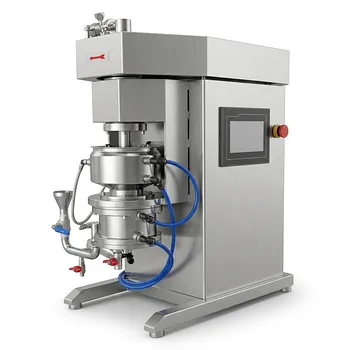
Small Ceramic Structure Laboratory Sand Mill Nanoscale Grinding Dispersion Equipment Seal-less Screen-less Design
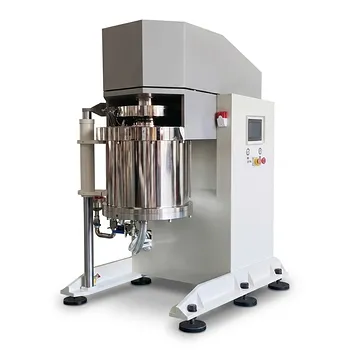
Vertical Nano Bead Mill for Ceramic Materials with Permanent Magnet Motor and High Efficiency Grinding
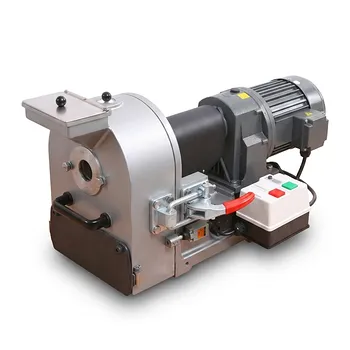
Laboratory Disc Mill for Fine Sample Preparation of Hard and Brittle Materials
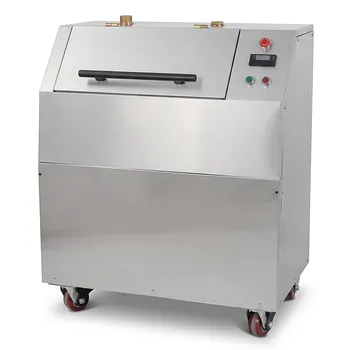
Vibratory Disc Mill for Rapid Fine Grinding and High Throughput Sample Preparation of Hard and Brittle Materials
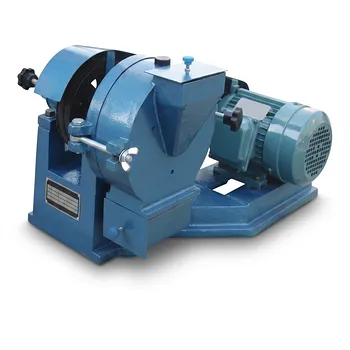
Laboratory Disc Mill for Ore and Mineral Sample Preparation
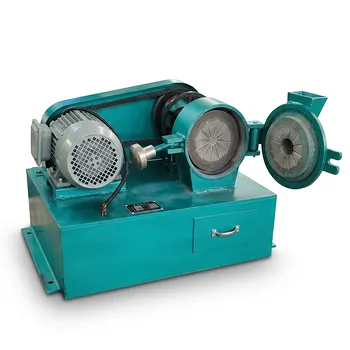
Laboratory Disc Mill Medium Hard Material Grinding Coal Coke Ore Pulverizer
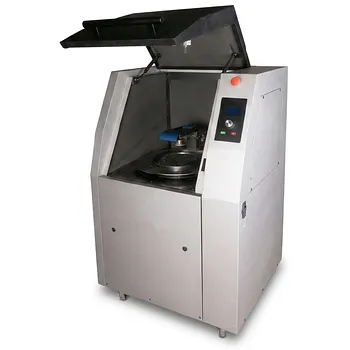
High Speed Vibratory Disc Mill for Spectral Analysis Sample Preparation and Rapid Powder Grinding
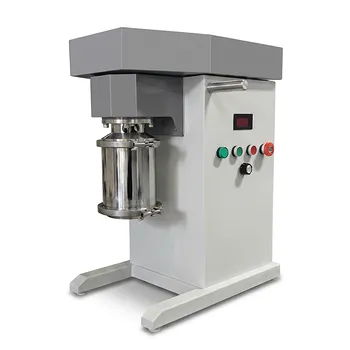
Nano Laboratory Bead Mill Desktop Sub Micron Sand Mill Screenless Seal Less Powder Grinder
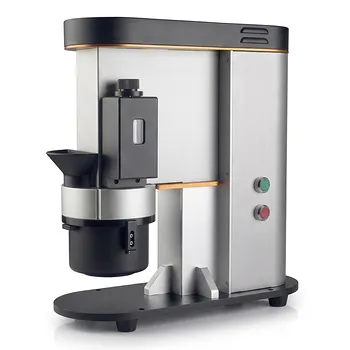
Precision Soil Disc Mill for Laboratory Fine Grinding and Environmental Sample Preparation
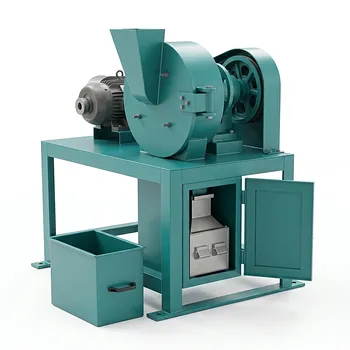
Sealed Disc Pulverizer Customized Model
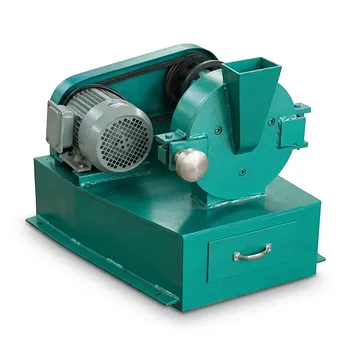
Medium Hardness Material Disc Pulverizer for Coal Ore Sample Preparation
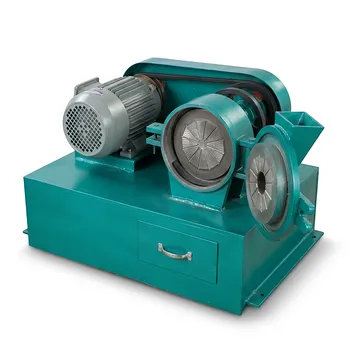
Laboratory Disc Pulverizer for Coal Coke Ore and Medium Hard Materials Sample Preparation
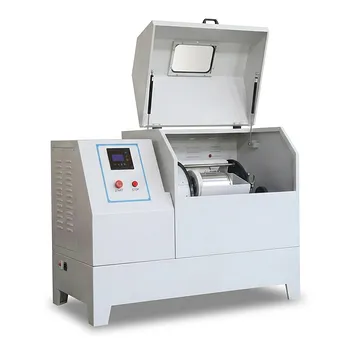
Heavy Duty Horizontal Planetary Ball Mill for Efficient Industrial Grinding and Sample Preparation
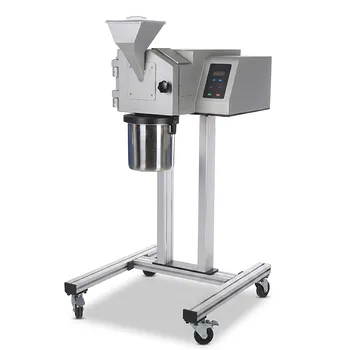
Cross Beater Mill for Brittle Material Grinding and Continuous Fine Crushing Industrial Sample Preparation
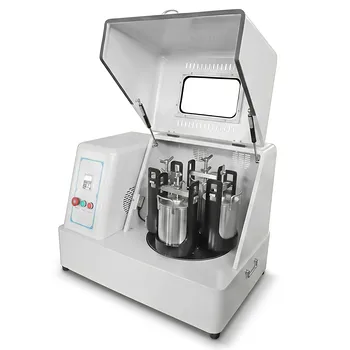
Vertical Square Planetary Ball Mill for Laboratory Sample Preparation and Nanoscale Grinding
Portable Cutting Mill for Laboratory Sample Preparation and RoHS WEEE Compliance Testing
High Energy Planetary Ball Mill for Nano Scale Grinding and Mechanical Alloying