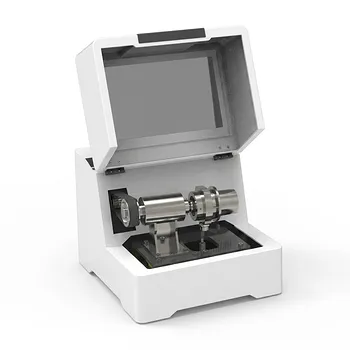
Why is a 3D centrifugal powder mixer preferred for preparing Ti-6Al-4V and carbon nanotube (CNT) composites?
Updated 3 months ago
A 3D centrifugal powder mixer is the superior choice because it generates a multi-dimensional motion path that prevents lightweight carbon nanotubes from floating or layering. This technology ensures that Ti-6Al-4V powder and CNTs, which have vastly different densities, are thoroughly intermixed into a stable, homogeneous composite. By eliminating agglomeration and maintaining the structural integrity of the nanotubes, it provides a high-quality raw material essential for high-performance additive manufacturing.
The primary advantage of a 3D centrifugal mixer lies in its ability to overcome the extreme density gap and Van der Waals forces between Ti-6Al-4V and CNTs. Through complex multi-axis rotation, it achieves a uniform physical distribution that is impossible with traditional two-dimensional mixing methods.
Overcoming Physical Divergence in Composite Mixing
Neutralizing the Density Disparity
Ti-6Al-4V is a relatively heavy metal alloy, while carbon nanotubes (CNTs) are exceptionally lightweight and prone to floating. In traditional mixers, gravity causes these materials to separate, with the heavy titanium settling at the bottom and the CNTs layering on top.
The 3D centrifugal powder mixer utilizes a multi-axis spatial rotation that creates an "infinite path" for the particles. This constant change in orientation prevents the materials from ever reaching a state of equilibrium, forcing the heavy and light particles to interlace regardless of their weight.
Breaking Van der Waals Forces and Agglomeration
Nanomaterials like CNTs naturally tend to clump together due to powerful Van der Waals forces, forming "agglomerates" that weaken the final composite. These clumps prevent the CNTs from reinforcing the titanium matrix effectively.
The simultaneous revolution and rotation of a 3D centrifugal mixer generate intense centrifugal shear forces. These forces are strong enough to pull the CNT clusters apart, ensuring that each individual nanotube is physically distributed throughout the Ti-6Al-4V powder.
Preserving the Structural Integrity of Reinforcements
The Advantage of Non-Contact Mixing
High-performance composites rely on the high-aspect-ratio structure of carbon nanotubes to provide strength and conductivity. Traditional high-energy milling can physically crush or shorten these nanotubes, significantly reducing their effectiveness.
3D centrifugal mixing is often a non-contact method that achieves homogenization through motion rather than impact. This minimizes physical damage to the CNTs, ensuring they retain their structural properties for the subsequent sintering or additive manufacturing stages.
Ensuring Chemical and Microstructural Homogeneity
A uniform physical distribution is the critical prerequisite for a consistent microstructure in the final part. If the CNTs are not perfectly dispersed in the powder stage, the resulting alloy will suffer from local stress concentrations and phase separation.
By achieving high macroscopic homogenization, the 3D mixer ensures that the chemical reactions and atomic diffusion during sintering occur according to the intended stoichiometric ratio. This prevents the formation of unwanted impurity phases and ensures the alloy meets strict aerospace and medical standards.
Understanding the Trade-offs
Equipment Cost and Complexity
The sophisticated multi-axis drive systems required for 3D centrifugal motion are significantly more expensive than standard drum or V-mixers. This represents a higher initial capital investment for production facilities.
Heat Generation and Management
The high-intensity shear forces required to break CNT agglomerates can generate localized friction and heat. In some cases, this requires active cooling or precise timing to prevent the Ti-6Al-4V powder from oxidizing or the CNTs from reacting prematurely with the matrix.
Scalability Constraints
While 3D centrifugal mixers are highly efficient for research and high-value batch production, they often have smaller volume capacities than industrial-scale ribbon blenders. Scaling up to mass production requires multiple units or larger, more complex engineering solutions.
Making the Right Choice for Your Goal
How to Apply This to Your Project
- If your primary focus is maximizing mechanical strength: Use a 3D centrifugal mixer to ensure the CNTs are dispersed individually, creating a seamless reinforcement network within the Ti-6Al-4V matrix.
- If your primary focus is additive manufacturing (3D Printing): Prioritize this mixing method to guarantee "stable raw materials" that flow consistently through the printer nozzle without clogging or segregation.
- If your primary focus is minimizing impurities: Leverage the non-contact nature of 3D mixing to avoid the wear-and-tear debris common in high-energy ball milling.
A 3D centrifugal powder mixer is the definitive tool for transforming mismatched raw materials into the high-quality, homogeneous powders required for advanced titanium composites.
Summary Table:
| Feature | 3D Centrifugal Mixer | Traditional Mixers (Drum/V-Type) |
|---|---|---|
| Motion Path | Multi-axis spatial rotation | Simple 2D rotation/gravity tumble |
| Density Handling | Prevents layering of light CNTs | Heavy Ti-6Al-4V settles at bottom |
| Particle Integrity | High (Non-contact mixing) | Low (Potential impact damage) |
| Dispersion | Breaks Van der Waals clusters | Prone to CNT agglomeration |
| Homogeneity | Superior microscopic uniformity | Macroscopic separation likely |
Elevate Your Material Research with Expert Solutions
Achieving the perfect composite requires precision equipment. We provide complete laboratory sample preparation solutions for material science, specializing in high-performance powder processing and compaction.
Whether you need to disperse nanotubes or prepare metal alloys, our extensive line includes:
- Advanced Mixers: 3D powder mixers and defoaming mixers for perfect homogeneity.
- Milling & Grinding: Planetary ball mills, jet mills, and liquid nitrogen cryogenic grinders.
- Crushing & Sizing: Jaw/roll crushers and vibratory/air-jet sieve shakers.
- Compaction Excellence: A full spectrum of hydraulic presses, including Cold/Warm Isostatic Presses (CIP/WIP), vacuum hot presses, and XRF pellet presses.
Ready to optimize your Ti-6Al-4V and CNT composite production? Contact our technical team today to find the ideal equipment for your laboratory needs.
References
- A. Vevers, A. Kromanis. Additive Manufacturing of Ti-6Al-4V with Carbon Nanotube Composite Material. DOI: 10.2478/lpts-2023-0039
Mentioned Products
- High Viscosity Planetary Centrifugal Vacuum Mixer for Material Defoaming and Uniform Mixing
- Industrial Planetary Centrifugal Vacuum Defoaming Mixer for High Viscosity Paste and Powder Homogenization
- Industrial Planetary Centrifugal Vacuum Defoaming Mixer for High Viscosity Paste and Advanced Material Science
- High Efficiency Vacuum Planetary Centrifugal Mixer and Defoaming Machine for Industrial Material Research and Precise Laboratory Powder Dispersion
- High Viscosity Planetary Centrifugal Mixing and Vacuum Defoaming Machine for Laboratory Material Preparation
People Also Ask
- What core functions does a planetary centrifugal mixer perform? Optimize Hard Carbon Anode Slurry & Degassing
- Why is a planetary centrifugal mixer recommended for geopolymer slurries? Achieve high-shear, air-free homogenization.
- Why is a planetary centrifugal mixer utilized for wood powder and HPMC? Achieve uniform dispersion & rapid defoaming.
- How does a planetary centrifugal mixer address key challenges in Tyr-CDs@EVA optical films? Ensure Optical Clarity.
- What is the role of a planetary centrifugal mixer in UHTC slurry preparation? Achieve Void-Free, High-Viscosity Mixing

Tech Team · PowderPreparation
Last updated on Jun 03, 2026
Related Products
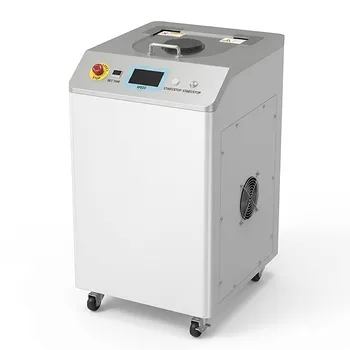
High Viscosity Planetary Centrifugal Vacuum Mixer for Material Defoaming and Uniform Mixing
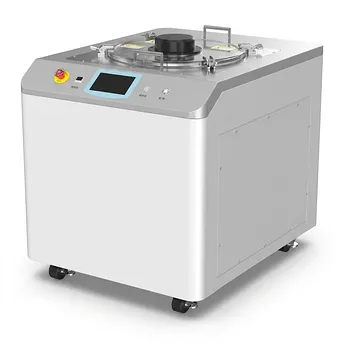
Industrial Planetary Centrifugal Vacuum Defoaming Mixer for High Viscosity Paste and Powder Homogenization
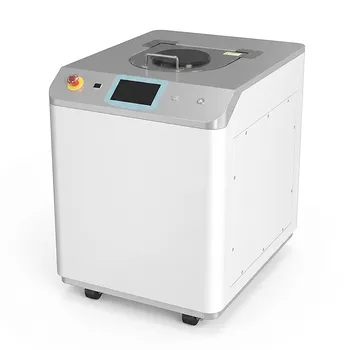
Industrial Planetary Centrifugal Vacuum Defoaming Mixer for High Viscosity Paste and Advanced Material Science
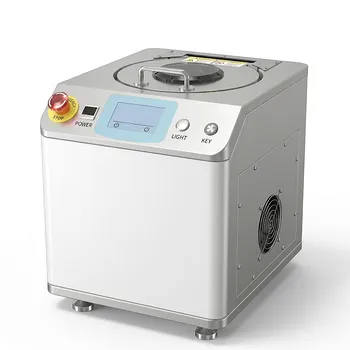
High Efficiency Vacuum Planetary Centrifugal Mixer and Defoaming Machine for Industrial Material Research and Precise Laboratory Powder Dispersion
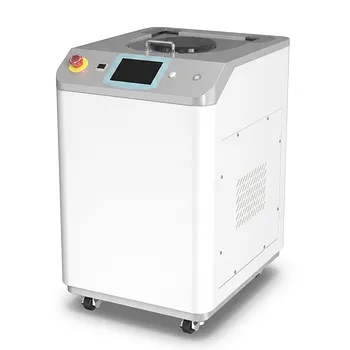
High Viscosity Planetary Centrifugal Mixing and Vacuum Defoaming Machine for Laboratory Material Preparation
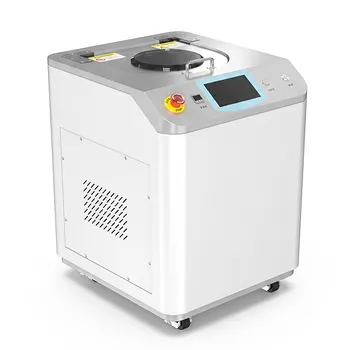
High Speed Vacuum Planetary Centrifugal Mixer and Defoamer for Industrial Paste Processing
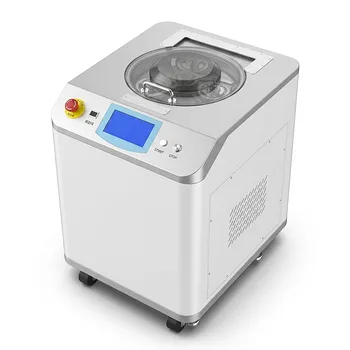
Dual Cup Vacuum Centrifugal Mixer Planetary Paste Defoaming Machine Industrial Material Processor
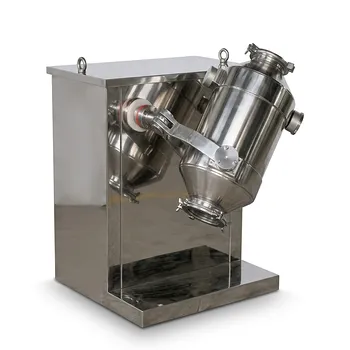
Three-Dimensional Motion Mixer for Laboratory Powder and Granule Blending
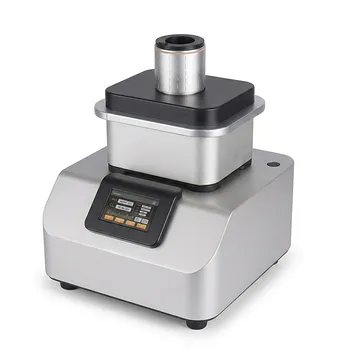
Ultra Centrifugal Mill High Speed Laboratory Grinder for Fibrous and Brittle Sample Preparation
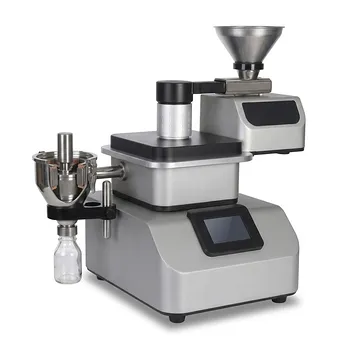
Ultra Centrifugal Mill for Rapid Laboratory Sample Preparation and Fine Powder Grinding
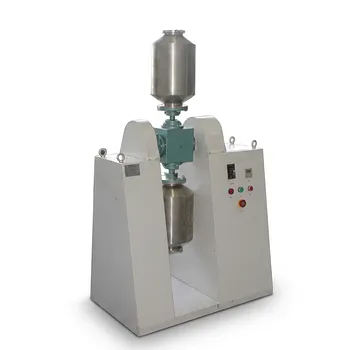
Multi Dimensional Universal Mixer for High Uniformity Powder Blending
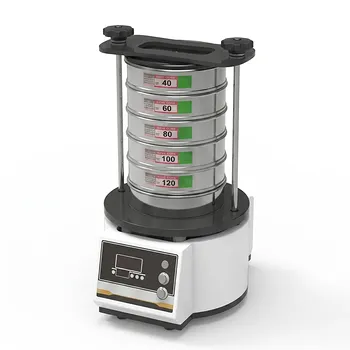
Dry Three Dimensional Vibratory Sieve Shaker
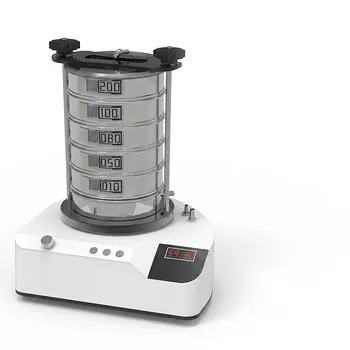
Heavy Duty Dry Three Dimensional Vibratory Sieve Shaker for Particle Separation
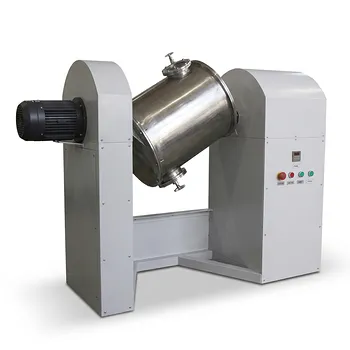
Inclined Mixer for Homogeneous Powder Blending and Grinding
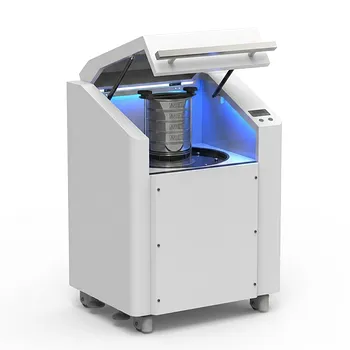
High Frequency Cabinet Type Three-Dimensional Rotary Vibrating Sieve Shaker for Dry Sieving and Particle Classification
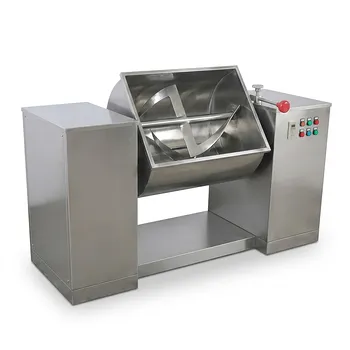
Horizontal Trough Mixer for Uniform Powder and Paste Blending
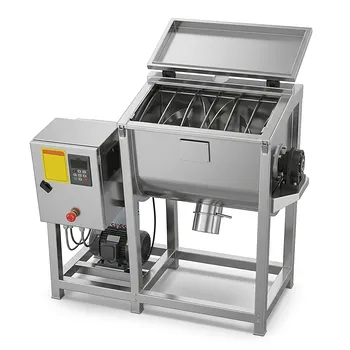
Horizontal Ribbon Mixer for Uniform Powder and Slurry Mixing
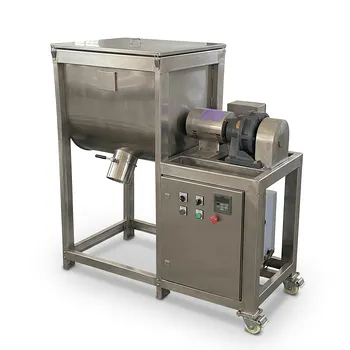
Horizontal Ribbon Mixer for Dry Powder and Slurry Blending
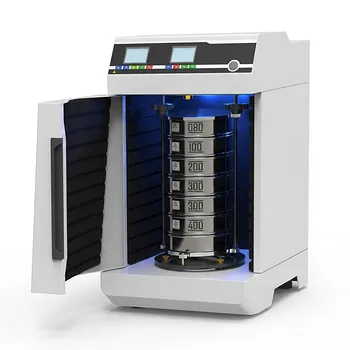
Laboratory Dry and Wet Three Dimensional Vibratory Sieve Shaker for Particle Analysis