Why are zirconia grinding jars and balls typically selected for milling titanium-based natural minerals? - Purity & Power
Updated 4 months ago
Zirconia grinding jars and balls are the industry standard for milling titanium-based minerals because they provide the unique combination of high density, extreme hardness, and superior wear resistance. This allows for the efficient breakdown of hard crystalline structures like rutile and ilmenite into nanoscale particles while ensuring the final powder remains free from significant impurity contamination during long, high-energy milling cycles.
Core Takeaway: Zirconia media is selected to solve the dual challenge of milling efficiency and chemical purity; its high kinetic energy effectively refines hard titanium minerals, while its low wear rate protects the integrity of high-purity materials.
Maximizing Mechanical Energy for Particle Refinement
Overcoming Crystalline Hardness
Titanium-based natural minerals often possess hard crystalline structures that resist traditional grinding methods. Zirconia balls provide the necessary mechanical energy to overcome these internal forces, facilitating effective grain size refinement.
The Role of High Density
The high density of zirconia is a critical factor in its performance. This density translates into increased kinetic energy during high-speed collisions, which is essential for breaking down particle agglomerates and achieving nanoscale dimensions.
Efficiency in High-Energy Milling
Because of their high strength and impact resistance, zirconia components can withstand the rigorous environments of high-energy mechanical milling. This allows for faster processing times without the media fracturing under stress.
Protecting Material Purity and Chemical Stability
Minimizing Wear Debris
During prolonged milling cycles—which can last between 10 to 24 hours—standard media often shed significant debris. Zirconia’s superior wear resistance ensures that the amount of foreign material introduced into the sample is kept to an absolute minimum.
Maintaining Chemical Inertness
Zirconia is chemically inert, meaning it does not react with the titanium-based minerals or the milling environment. This stability is vital for preserving the microwave dielectric characteristics and ionic conductivity of electronic ceramic materials.
Eliminating Exogenous Impurities
In many high-performance applications, such as the production of TiC-composite powders, avoiding "exogenous" or foreign impurities is mandatory. Using zirconia media ensures that any trace wear does not alter the precise chemical composition or phase stability of the final product.
Understanding the Trade-offs
The Cost of Performance
Zirconia is significantly more expensive than alumina or stainless steel media. While it offers superior longevity and purity, the initial capital investment for jars and balls can be a barrier for lower-value mineral processing.
Equipment Requirements
The high mass of zirconia balls requires robust milling machinery with high-torque motors. Using heavy zirconia media in light-duty equipment can lead to premature motor failure or mechanical fatigue of the milling unit.
Material Compatibility
While zirconia is ideal for titanium minerals, it is not universal. If the goal is to produce a material where zirconium contamination is strictly forbidden (at the parts-per-million level), even the low wear rate of zirconia may necessitate alternative, "same-material" media strategies.
How to Apply This to Your Project
Making the Right Choice for Your Goal
To determine if zirconia is the correct selection for your specific milling application, consider the following technical priorities:
- If your primary focus is achieving nanoscale particles: Zirconia is the preferred choice due to its high density and impact strength, which provide the kinetic energy required for extreme refinement.
- If your primary focus is electronic or biomedical purity: Utilize high-purity zirconia to ensure the chemical stability and dielectric performance of materials like TiO2 or titanium alloys.
- If your primary focus is processing TiC or hard composites: Zirconia's extreme hardness prevents the media from being consumed by the abrasive nature of the carbides.
- If your primary focus is cost-sensitive bulk processing: Evaluate if the extended lifespan of zirconia media offsets the high upfront cost compared to more frequent replacements of cheaper materials.
By aligning your media selection with the crystalline hardness of your mineral and your required purity levels, you ensure a consistent, high-performance milling outcome.
Summary Table:
| Key Feature | Technical Benefit | Application Outcome |
|---|---|---|
| High Density | Increased kinetic energy | Efficient refinement to nanoscale particles |
| Extreme Hardness | Resists abrasive crystalline structures | Consistent milling of rutile and ilmenite |
| Wear Resistance | Minimal debris shedding | High-purity powder free from contamination |
| Chemical Inertness | No reaction with samples | Preserved dielectric and ionic properties |
| High Strength | Withstands high-energy impact | Durable performance in long milling cycles |
Elevate Your Material Research with Professional Lab Solutions
Achieving precise particle size and chemical purity is critical for advanced material science. At our facility, we provide complete laboratory sample preparation solutions tailored for researchers and manufacturers specializing in powder processing and compaction.
Our extensive product range is designed to handle the toughest minerals and most sensitive materials:
- Advanced Milling: Planetary ball mills, jet mills, sand/bead mills, and liquid nitrogen cryogenic grinders.
- Preparation & Sizing: Jaw/roll crushers, disc/rotor mills, and vibratory/air-jet sieve shakers.
- Powder Compaction: A full spectrum of hydraulic presses, including Cold/Warm Isostatic Presses (CIP/WIP), vacuum hot presses, and XRF pellet presses.
- Mixing: High-efficiency powder mixers and vacuum defoaming mixers.
Whether you are refining titanium-based minerals or developing new composites, we offer the expertise and equipment to ensure your success. Contact us today to optimize your lab's efficiency!
References
- Akepawit Thanachokchaiwat, Weerachon Phoohinkong. Nanosized Natural Minerals as Sustainable Fillers for Near-Infrared Shielding Coatings: Comparative Study of Rutile, Leucoxene, Ilmenite, and Hydroilmenite. DOI: 10.55003/tjnn10120259
Mentioned Products
- High Energy Omnidirectional Planetary Ball Mill 16L
- Vertical Semi Circular Planetary Ball Mill for Laboratory Precision Grinding
- Heavy Duty Horizontal Planetary Ball Mill for Efficient Industrial Grinding and Sample Preparation
- High Energy Laboratory Planetary Ball Mill for Nano Grinding and Material Science Sample Preparation
- Vertical Square Planetary Ball Mill for Laboratory Sample Preparation and Nanoscale Grinding
People Also Ask
- What role does an omni-directional planetary ball mill play in brass/cobalt antimonide pretreatment? Achieve Nano-Scale Homogeneity.
- What is the role of a high-energy planetary ball mill in Li2ZrO3 and LBS prep? Achieve Superior Electrolyte Density
- What role does a high-energy planetary ball mill play in processing quenched bioactive glass? Achieve Nano-Scale Precision
- What role does a planetary ball mill play in nano-mineral filler prep? Achieve Sub-100nm Precision & Performance
- What role does a high-energy planetary ball mill play in magnesium-based hydrogen storage alloy preparation?

Tech Team · PowderPreparation
Last updated on Jun 03, 2026
Related Products
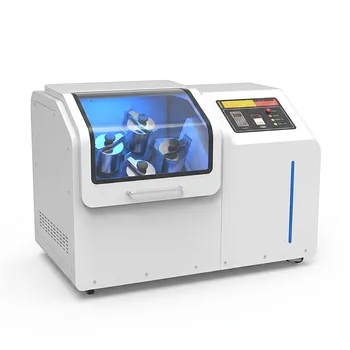
High Energy Omnidirectional Planetary Ball Mill 16L
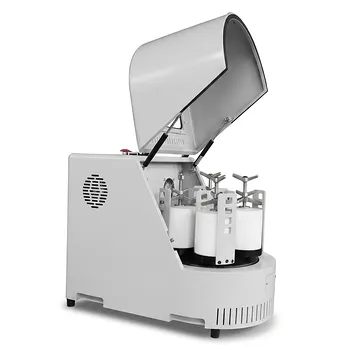
Vertical Semi Circular Planetary Ball Mill for Laboratory Precision Grinding
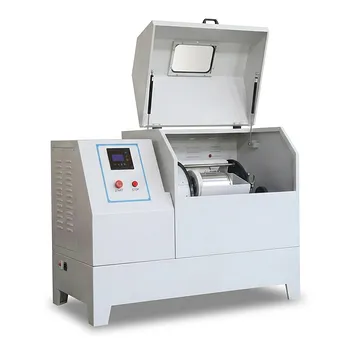
Heavy Duty Horizontal Planetary Ball Mill for Efficient Industrial Grinding and Sample Preparation
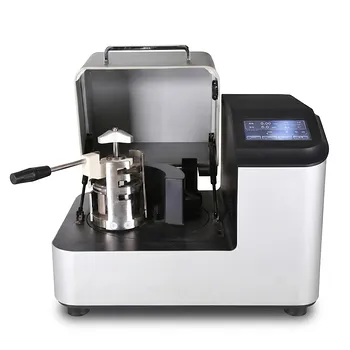
High Energy Laboratory Planetary Ball Mill for Nano Grinding and Material Science Sample Preparation
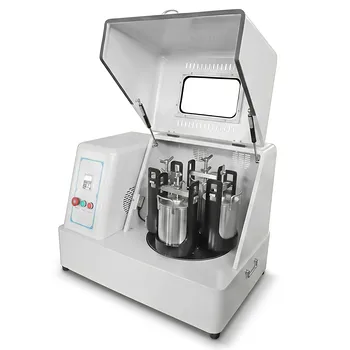
Vertical Square Planetary Ball Mill for Laboratory Sample Preparation and Nanoscale Grinding
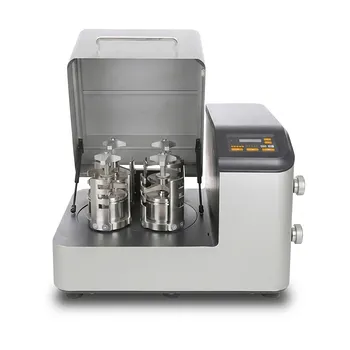
High Energy Planetary Ball Mill for Nano Scale Grinding and Colloidal Mixing in Material Science Research
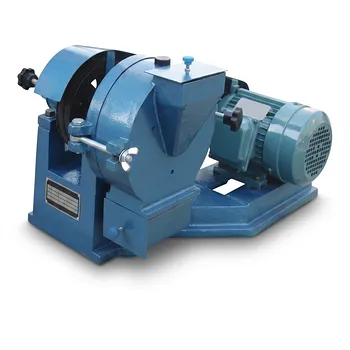
Laboratory Disc Mill for Ore and Mineral Sample Preparation
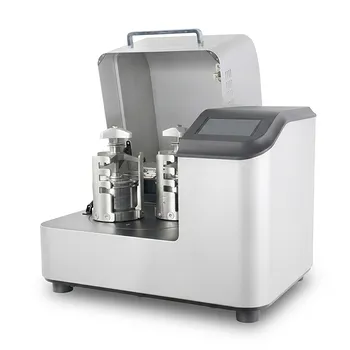
High Energy Planetary Ball Mill for Nano Scale Grinding and Mechanical Alloying
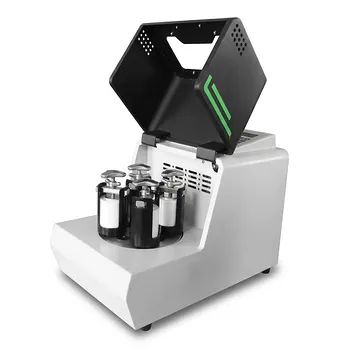
Miniature Planetary Ball Mill with Vacuum Grinding and High Efficiency for Laboratory Sample Preparation
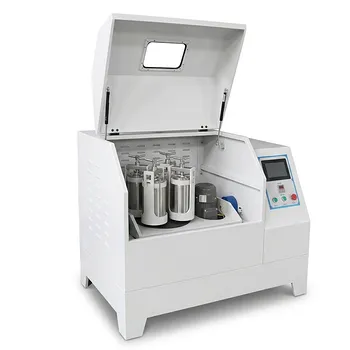
360° Rotating Omnidirectional Laboratory Planetary Ball Mill for Homogeneous Ultra-Fine Grinding and Mixing
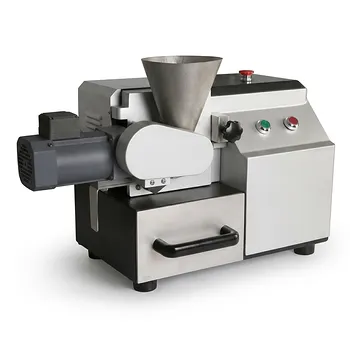
Laboratory Hammer Mill for Coal Quality Analysis and Brittle Mineral Grinding
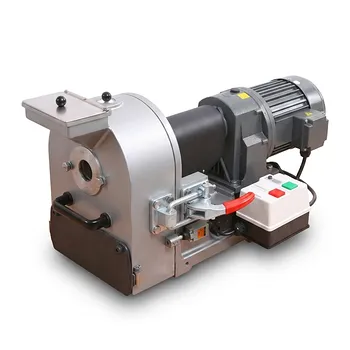
Laboratory Disc Mill for Fine Sample Preparation of Hard and Brittle Materials
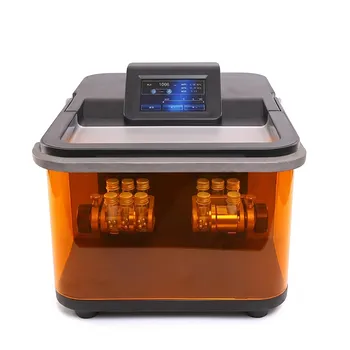
High Throughput Micro Ball Mill for Cryogenic Grinding and Laboratory Cell Disruption
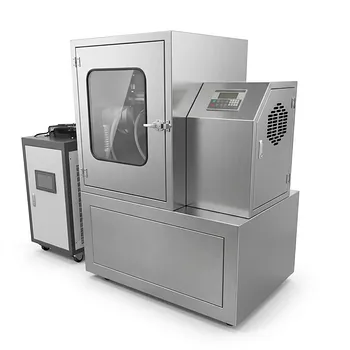
Vibratory Superfine Grinder for Ultra Fine Laboratory Powder Milling
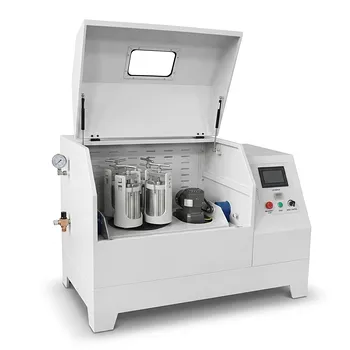
Vertical Production Planetary Ball Mill for High Throughput Powder Processing
High Energy Omnidirectional Planetary Ball Mill 20L