Why are jaw crushers and roll crushers used for lead-zinc slag? Ensure Accurate Chemical Analysis with Multi-Stage Prep
Updated 3 months ago
Effective sample preparation for lead-zinc metallurgical slag requires a multi-stage crushing approach to transform hard, irregular blocks into a uniform, representative powder. Jaw and roll crushers are utilized because they provide the high extrusion and shearing forces necessary to reduce the material’s size while maintaining the integrity of its chemical composition. This process ensures the slag is fine enough—typically below 2mm—to serve as a qualified feed for the ultra-fine grinding and spectral analysis required for precise characterization.
Lead-zinc metallurgical slag is characterized by extreme hardness and irregular fracture patterns, making single-stage crushing insufficient. Utilizing both jaw and roll crushers creates a standardized, representative sample that ensures the accuracy of downstream chemical analysis and protects sensitive laboratory equipment.
Overcoming Material Hardness and Structural Complexity
Managing Needle-Like Fracture Patterns
Lead-zinc smelting slag is notoriously hard and has a tendency to break into needle-like or elongated shapes. These irregular geometries make it difficult for standard single-stage machines to achieve the necessary fineness for chemical testing.
The Power of High Extrusion Forces
A jaw crusher is employed as the primary stage to tackle these large, irregular blocks. It uses powerful mechanical pressure to rapidly reduce the bulk material to a manageable grain size, often moving samples from large blocks down to less than 5mm.
Achieving Secondary Uniformity
Following primary reduction, a roll crusher provides secondary crushing through compression and shearing. This stage is critical because it produces a much more uniform particle size distribution, ensuring the material meets the strict granularity requirements for subsequent grinding.
Ensuring Scientific Accuracy and Representativeness
Maintaining Sample Integrity
For chemical characterization to be valid, the small sample tested must accurately represent the entire batch. Using a multi-stage crushing process allows for effective quartering methods, which ensure the final sub-sample retains the same chemical proportions as the original bulk slag.
Eliminating Particle Size Variance
Variations in particle size can skew the results of phosphate removal efficiency, acid neutralization capacity, and other chemical tests. Standardizing the slag to a uniform size (typically less than 2mm) eliminates these physical variables, allowing researchers to focus solely on the chemical properties.
Enhancing Mineral Liberation
The combination of shearing and extrusion forces helps to liberate different mineral phases within the slag. By breaking the material down systematically, the subsequent ultra-fine grinding can more effectively expose the internal chemical composition for spectral instrumental analysis.
Understanding the Trade-offs and Pitfalls
Equipment Wear and Contamination
The extreme hardness of lead-zinc slag causes significant abrasive wear on the crushing plates and rollers. If the equipment is not made of hardened, high-purity materials, small amounts of iron or other alloys from the crusher itself can contaminate the sample and skew the metallurgical results.
The Risk of Fines Loss
Aggressive crushing can generate significant amounts of dust or "fines." If these fines are lost during the transfer between the jaw crusher and the roll crusher, the chemical representativeness of the sample may be compromised, as certain chemical components may be more concentrated in the finer particles.
Implementing Effective Sample Preparation
To achieve the most accurate characterization of lead-zinc metallurgical slag, your preparation strategy must align with your specific analytical goals.
- If your primary focus is analytical precision: Prioritize the roll crushing stage to ensure a uniform feed of less than 2mm, which allows for consistent ultra-fine grinding.
- If your primary focus is throughput and efficiency: Focus on the jaw crusher’s reduction ratio to ensure the primary feed is small enough to prevent the secondary roll crusher from clogging or over-wearing.
- If your primary focus is mineral liberation studies: Utilize the shearing action of the roll crusher to better expose internal grain boundaries before moving to the final chemical analysis.
By systematically reducing particle size through multi-stage crushing, you establish the essential physical foundation for reliable and reproducible chemical characterization.
Summary Table:
| Equipment Type | Primary Action | Role in Slag Processing | Target Particle Size |
|---|---|---|---|
| Jaw Crusher | High Extrusion Force | Primary reduction of hard, irregular blocks | < 5 mm |
| Roll Crusher | Compression & Shearing | Secondary crushing for size uniformity | < 2 mm |
| Ultra-fine Mill | Impact & Friction | Final preparation for spectral analysis | Micron-level powder |
Optimize Your Metallurgical Analysis with Precision Sample Prep
Achieving accurate chemical characterization of lead-zinc slag starts with the right equipment. At our core, we provide complete laboratory sample preparation solutions for material science, specializing in high-performance powder processing and compaction equipment designed to handle the toughest industrial materials.
Our extensive product line ensures your samples are representative and free from contamination:
- Crushing & Grinding: High-durability jaw and roll crushers, liquid nitrogen cryogenic grinders, and planetary ball, jet, or rotor mills.
- Sizing & Mixing: Vibratory and air-jet sieve shakers, plus advanced powder and defoaming mixers.
- Compaction: A full spectrum of hydraulic presses, including Cold/Warm Isostatic Presses (CIP/WIP), XRF pellet presses, and vacuum hot presses.
Whether you are focusing on mineral liberation or high-throughput chemical testing, our tools are engineered to deliver reliable results. Contact us today to discuss your specific application and find the perfect solution for your lab!
References
- Dragan Radulović, Branislav Ivošević. Reapplication Potential of Historic Pb–Zn Slag with Regard to Zero Waste Principles. DOI: 10.3390/su16020720
Mentioned Products
- Heavy Duty Industrial Jaw Crusher for Primary Ore Crushing and High Capacity Mineral Material Size Reduction
- 150x250mm Laboratory Jaw Crusher for Medium Hard Material Crushing and Sample Preparation
- Heavy-Duty Jaw Crusher for Medium-Hard Ore and Industrial Mineral Crushing
- 150×125mm Laboratory Jaw Crusher for Medium and Fine Crushing of Brittle Materials
- 250x400 Jaw Crusher for Primary Crushing of Ores and Bulk Materials
People Also Ask
- What role does an industrial jaw crusher play in gangue slurry processing? Essential Primary Size Reduction Insights
- What is the function of an industrial jaw crusher in the primary processing of ironstone? Key to Efficient Reduction
- What is the role of industrial crushers and standard test sieves in biomass pyrolysis? Optimize Heat Transfer & Yield
- What is the function of a jaw crusher in reservoir sediment geopolymer synthesis? Primary Size Reduction Explained
- What is the role of jaw or roll crushers in the initial processing of copper ore samples? Essential Prep for Analysis

Tech Team · PowderPreparation
Last updated on Jun 03, 2026
Related Products
Heavy Duty Industrial Jaw Crusher for Primary Ore Crushing and High Capacity Mineral Material Size Reduction
150x250mm Laboratory Jaw Crusher for Medium Hard Material Crushing and Sample Preparation
Heavy-Duty Jaw Crusher for Medium-Hard Ore and Industrial Mineral Crushing
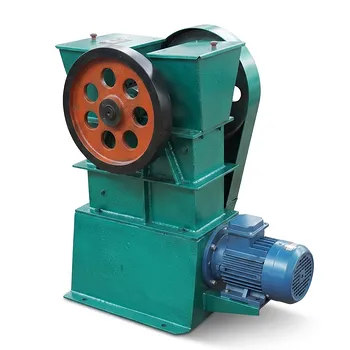
150×125mm Laboratory Jaw Crusher for Medium and Fine Crushing of Brittle Materials
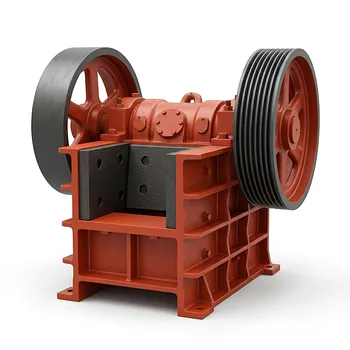
250x400 Jaw Crusher for Primary Crushing of Ores and Bulk Materials
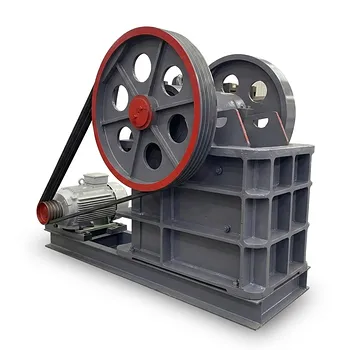
250x400mm Jaw Crusher Medium Crushing Equipment for Mining Mineral Sample Preparation
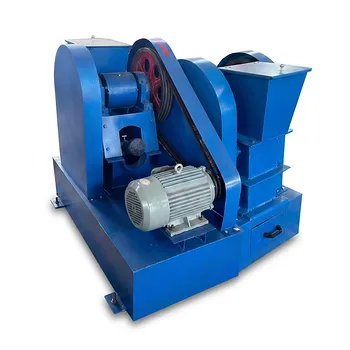
Horizontal Jaw Crusher Medium Hard Material Crushing Laboratory Sample Preparation Equipment
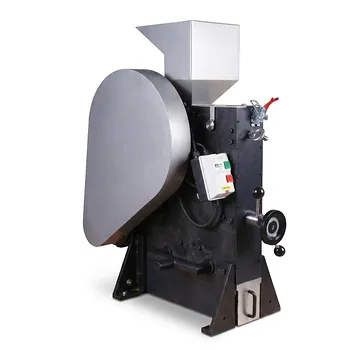
Heavy Duty Industrial Laboratory Jaw Crusher for Primary Sample Preparation and Hard Material Size Reduction
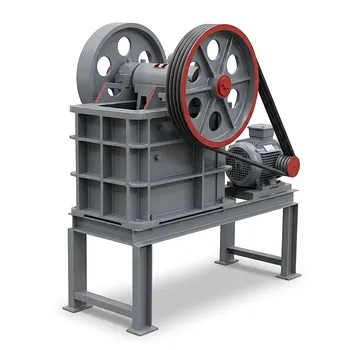
Laboratory Jaw Crusher 200x300mm Opening for Primary Crushing of Ores and Aggregates
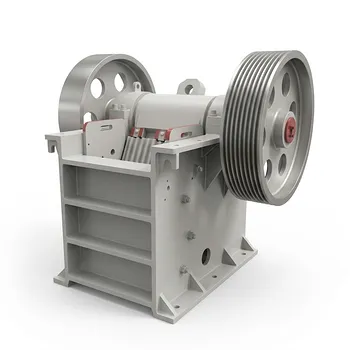
Jaw Crusher with 400x600mm Feed Opening for Primary Rock Crushing in Mining and Construction
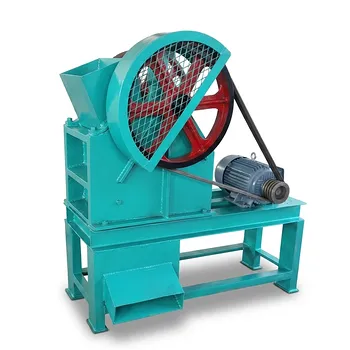
150x250mm Custom Laboratory Jaw Crusher for Coal Ore Mineral Crushing
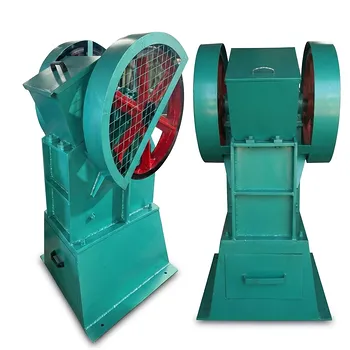
Sealed Jaw Crusher for Laboratory Material Crushing and Sample Preparation
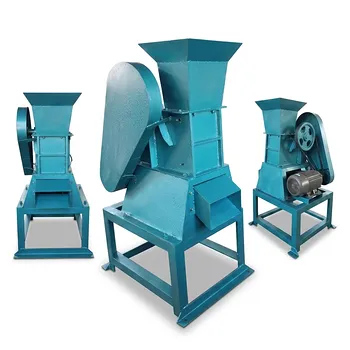
Custom Raised Height Laboratory Jaw Crusher for Precision Sample Preparation in Material Science
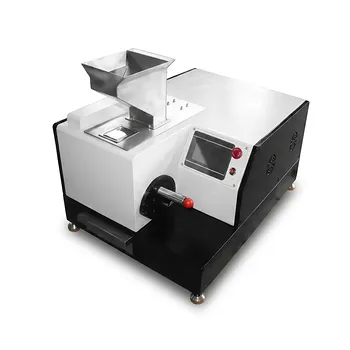
Experimental Jaw Crusher for Laboratory Ore Crushing and Sample Preparation
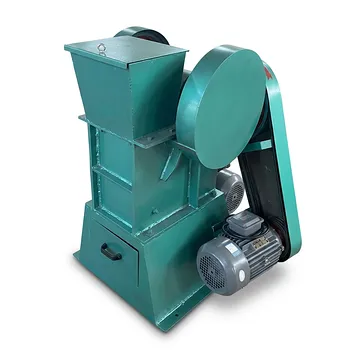
Small Laboratory Jaw Crusher 150x200mm Feed Opening for Sample Preparation and Medium Fine Crushing
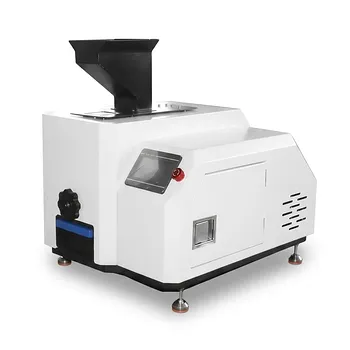
Laboratory Jaw Crusher 2025 Model for Ore and Brittle Material Crushing
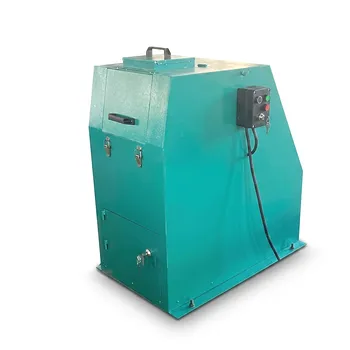
Environmentally Friendly Sealed Jaw Crusher for Laboratory Sample Preparation
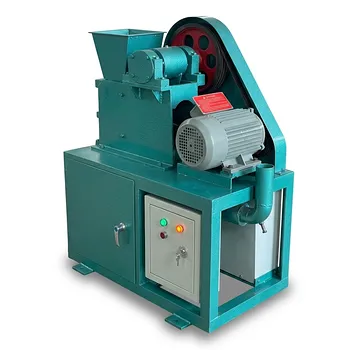
EP-B Type Sealed Jaw Crusher for Laboratory Sample Preparation
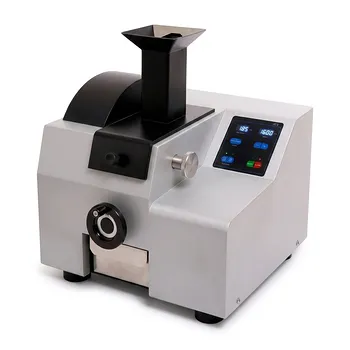
Laboratory Benchtop Jaw Crusher for Hard Brittle Materials Primary Size Reduction and Sample Preparation