Why use high-strength stainless steel for MnO2, Al, & carbon black activation? Boost energy transfer and efficiency.
Updated 3 months ago
High-strength stainless steel is chosen for its superior density and impact resistance, which are essential for driving the high-energy reactions required in mechanical activation. These materials withstand the extreme mechanical stress needed to break the MnO₂ lattice and facilitate the aluminothermic reduction between aluminum and carbon-based mixtures. By providing high kinetic energy through frequent, intense collisions, they ensure the mixture reaches the threshold for self-propagating combustion.
High-strength stainless steel serves as the primary conduit for energy transfer in high-energy ball milling. It provides the necessary impact force to overcome the deformation resistance of powders, ensuring structural breakdown and chemical activation while minimizing contamination.
The Mechanics of Energy Transfer
Overcoming Lattice Energy in MnO₂
Mechanical activation requires a massive influx of energy to disrupt the stable crystal lattice of Manganese Dioxide (MnO₂). High-strength stainless steel media possess the high density required to generate intense kinetic energy during each collision. This energy is transferred directly into the powder, creating defects and increasing the internal energy of the reactants.
Promoting Aluminothermic Reactions
The reaction between aluminum powder and MnO₂ is often self-propagating once a specific activation energy is reached. High-frequency impacts from stainless steel balls facilitate sub-micron level mixing and particle size reduction. This intimate contact at the nanoscale is the physical foundation for the sudden, rapid combustion reactions desired in these processes.
Synergistic Effects with Carbon Black
Carbon black is often integrated into these mixtures to modify the reaction environment or act as a structural component. The intense mechanical stress from hardened steel media ensures that carbon particles are uniformly dispersed within the metallic and oxide matrix. This prevents agglomeration and ensures consistent reaction kinetics across the entire batch.
Material Properties and Durability
Resisting High-Frequency Impact Stress
Planetary ball mills often operate at speeds exceeding 500 rpm, translating to dozens of high-velocity collisions every second. High-strength stainless steel is utilized because it can withstand these cyclic mechanical loads without deforming or fracturing. This structural integrity ensures that the energy of the mill is focused on the powder rather than being absorbed by the deformation of the media.
Minimizing Impurity Introduction
Maintaining the chemical purity of the final product is critical for its subsequent performance. The wear-resistant properties of high-hardness steel minimize the amount of metallic "shavings" introduced during long-term milling. This ensures that the MnO₂-Al-C mixture remains within specified chemical tolerances, preventing unwanted side reactions.
Enhancing Kinetics via Density
The mass of the grinding media directly correlates to the impact velocity and resulting energy density within the jar. Stainless steel provides a favorable mass-to-volume ratio, allowing for a high ball-to-powder weight ratio (often 10:1). This high ratio increases the collision frequency, which significantly shortens the time required to achieve mechanical activation.
Understanding the Trade-offs
The Risk of Iron Contamination
Despite the wear resistance of stainless steel, trace amounts of iron (Fe) and chromium (Cr) may still enter the mixture. While these impurities are often negligible, they can act as dopants that alter the electronic or mechanical properties of the final product. In some aluminum alloy contexts, however, these trace elements may actually form strengthening phases during heat treatment.
Heat Generation and Pressure
The conversion of mechanical energy into chemical activation energy is not 100% efficient; significant energy is lost as heat. High-energy milling in stainless steel jars can lead to rapid temperature spikes inside the chamber. If not managed through intermittent cooling cycles, this heat can trigger premature reactions or increase the internal pressure of the jar to unsafe levels.
How to Apply This to Your Project
Choosing Parameters Based on Goals
To achieve the best results with high-strength stainless steel media, you must align your milling parameters with your specific material objectives.
- If your primary focus is rapid reaction kinetics: Utilize a high ball-to-powder weight ratio (10:1 or higher) and maximum RPM to maximize impact frequency.
- If your primary focus is product purity: Opt for high-hardness, precision-polished stainless steel media and implement shorter milling cycles to minimize abrasive wear.
- If your primary focus is grain refinement: Use smaller diameter balls to increase the total surface area of collision, ensuring more uniform energy distribution throughout the aluminum powder.
The strategic use of high-strength stainless steel media provides the foundational energy required to transform inert powder mixtures into highly reactive, nanostructured materials.
Summary Table:
| Feature | Technical Benefit | Impact on Material Activation |
|---|---|---|
| High Density | Maximizes kinetic energy transfer | Breaks stable $MnO_2$ crystal lattices |
| Impact Resistance | Withstands high-frequency cyclic stress | Enables 500+ RPM high-energy ball milling |
| Wear Resistance | Minimizes metallic impurity pickup | Maintains high chemical purity of the mixture |
| Hardness | Prevents media deformation | Ensures uniform dispersion of Carbon Black |
Elevate Your Material Research with Expert Sample Prep Solutions
Achieving the perfect mechanical activation requires precision equipment. At [Company Name], we provide complete laboratory sample preparation solutions for material science, specializing in high-performance powder processing and compaction equipment.
Whether you need planetary ball mills and high-strength jars for intense energy transfer or advanced Cold/Warm Isostatic Presses (CIP/WIP) for subsequent powder compaction, our extensive line has you covered. Our expertise spans from crushers and jet mills to vacuum hot presses and XRF pellet presses, ensuring your $MnO_2$, aluminum, and carbon black mixtures are processed to the highest standards.
Ready to optimize your lab's efficiency? Contact us today to discuss your project requirements and discover how our specialized tools can accelerate your results!
References
- H.H. Ali, Z.I. Zaki. Mechanical activated self-sustaining combustion synthesis of Mn3AlC magnetic powder from MnO2+Al+C mixture. DOI: 10.1016/j.heliyon.2025.e43364
Mentioned Products
- Small High-Speed Laboratory Grinder for Powder Processing
- High Speed Laboratory Grinder Efficient Stainless Steel Powder Pulverizer Universal Material Science Mill for Sample Preparation
- High Energy Omnidirectional Planetary Ball Mill 16L
- Heavy Duty Horizontal Planetary Ball Mill for Efficient Industrial Grinding and Sample Preparation
- Vertical Square Planetary Ball Mill for Laboratory Sample Preparation and Nanoscale Grinding
People Also Ask
- What role does a laboratory grinder play in the pretreatment of sunflower seed shell-based adsorbents? Boost Efficiency.
- How does a laboratory grinder or mill enhance the adsorption performance of agricultural waste materials? Boost Surface Area
- How does laboratory grinding or pulverizing equipment influence eggshell-derived adsorbents? Maximize Surface Area.
- Why is grinding equipment necessary for SnO2-Sb2O3 xerogels? Maximize surface area and photocatalytic activity.
- What is the primary role of grinding equipment in BLA preparation? Enhance Reactivity & Material Uniformity

Tech Team · PowderPreparation
Last updated on May 14, 2026
Related Products
Small High-Speed Laboratory Grinder for Powder Processing
High Speed Laboratory Grinder Efficient Stainless Steel Powder Pulverizer Universal Material Science Mill for Sample Preparation
High Energy Omnidirectional Planetary Ball Mill 16L
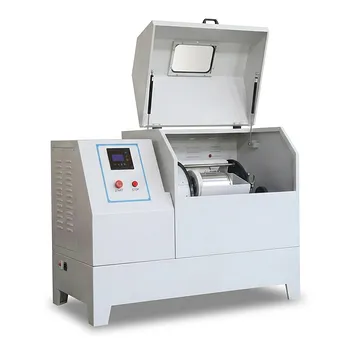
Heavy Duty Horizontal Planetary Ball Mill for Efficient Industrial Grinding and Sample Preparation
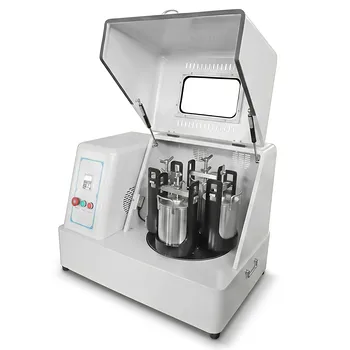
Vertical Square Planetary Ball Mill for Laboratory Sample Preparation and Nanoscale Grinding
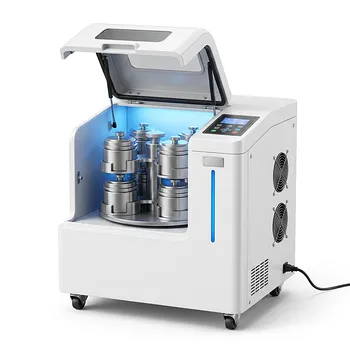
High Energy Omnidirectional Planetary Ball Mill 20L
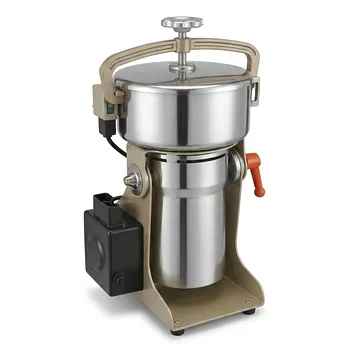
Multifunctional High Efficiency High Speed Laboratory Grinder
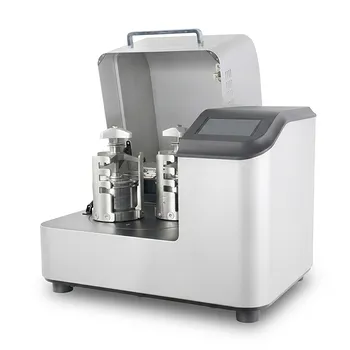
High Energy Planetary Ball Mill for Nano Scale Grinding and Mechanical Alloying
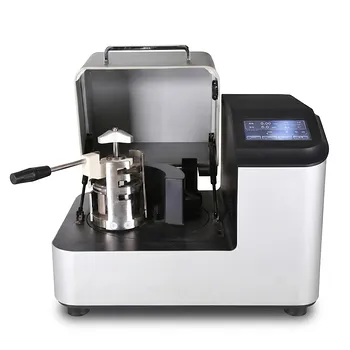
High Energy Laboratory Planetary Ball Mill for Nano Grinding and Material Science Sample Preparation
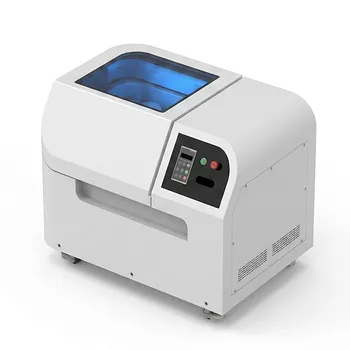
8L Planetary Ball Mill for Laboratory Grinding and Sample Preparation
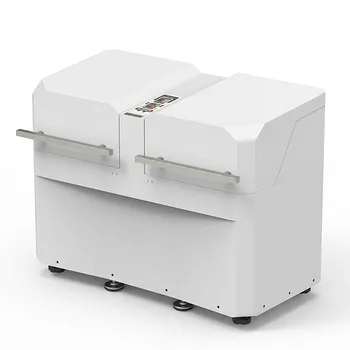
Dual Station Planetary Ball Mill 24L
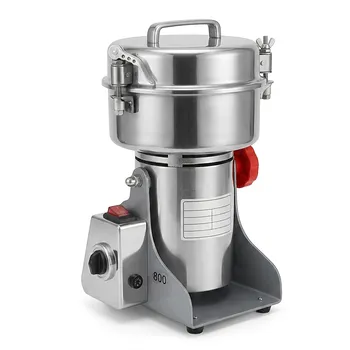
Small High-Speed Laboratory Grinder for Rapid Sample Preparation
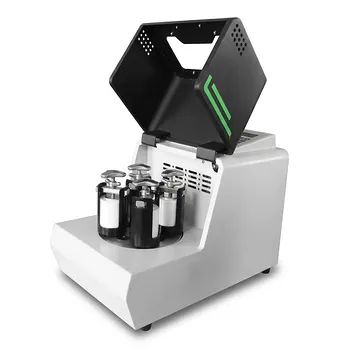
Miniature Planetary Ball Mill with Vacuum Grinding and High Efficiency for Laboratory Sample Preparation
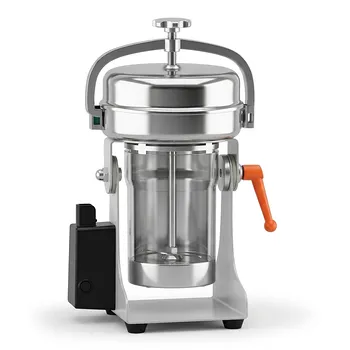
High Efficiency High Speed Grinder 2200W 25000 RPM Laboratory Sample Preparation
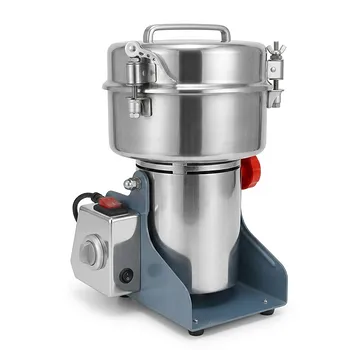
Small High-Speed Grinder for Efficient Laboratory Sample Preparation
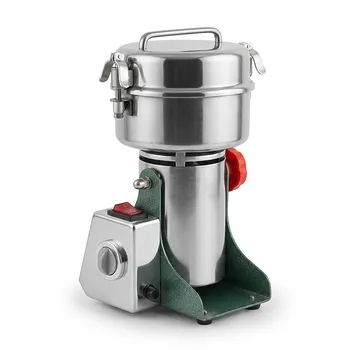
Small High-Speed Swing Grinder for Laboratory Sample Preparation