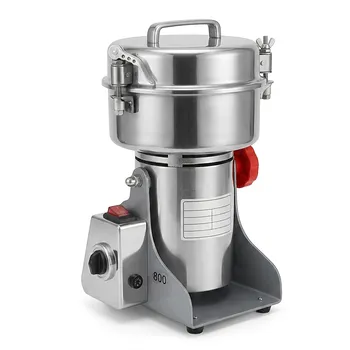
Why are high-purity zirconia grinding balls preferred for milling composite oxide powders? Ensure Nano-Scale Purity
Updated 5 months ago
High-purity zirconia grinding balls are the industry standard for composite oxide milling due to their unique combination of mechanical strength and chemical neutrality. These media provide the high-impact kinetic energy necessary to achieve sub-micron particle sizes while maintaining an extremely low wear rate. This ensures that the final powder remains free from external metallic or mineral contaminants that would otherwise degrade the electrical, optical, or thermal properties of the composite material.
To achieve phase purity and uniform particle distribution in sensitive oxide systems, zirconia media is essential because it eliminates chemical interference while maximizing milling efficiency through high-density mechanical impact.
Maximizing Milling Efficiency through Kinetic Energy
High Density and Impact Force
Zirconia (ZrO2) possesses a high density compared to other ceramic media, which allows it to generate significant kinetic energy during the milling process. This energy is critical for breaking down tough composite oxides and achieving molecular-level uniform mixing at the nanometer scale.
Superior Hardness and Particle Refinement
The extreme hardness of high-purity zirconia enables it to effectively crush hard ceramic powders, such as zirconium diboride or niobium oxide, without the media itself deforming. This results in faster particle size reduction and more consistent results during long-duration ball milling.
Prevention of Secondary Agglomeration
In liquid-phase milling, such as in isopropyl alcohol suspensions, zirconia media provides uniform impact forces. This effectively prevents the secondary agglomeration of ultrafine components, ensuring a highly homogenized mixed slurry.
Preserving Chemical and Phase Purity
Exceptional Wear Resistance
Zirconia is characterized by an extremely low wear rate, meaning very little material from the grinding balls is shed into the powder. This is vital for applications like SOEC electrolytes, where even trace amounts of silicon or aluminum can accumulate at grain boundaries and destroy ionic conductivity.
Chemical Inertness and Stability
High-purity zirconia is chemically inert, ensuring it does not engage in unintended reactions with high-activity components like nano-thermites or copper complexes. This stability maintains the phase purity of the composite, ensuring the final material performs exactly as designed.
The Homogeneous Grinding Principle
In many cases, researchers select zirconia media to follow the homogeneous grinding principle. By using media of the same material as the primary powder (such as Yttria-Stabilized Zirconia), any negligible wear that does occur is chemically identical to the product, further protecting the system's integrity.
Understanding the Trade-offs
High Initial Investment
High-purity zirconia media is significantly more expensive than alumina or steel alternatives. While the low wear rate provides a long service life and better product quality, the initial capital expenditure can be a barrier for lower-value industrial processes.
Sensitivity to Thermal Shock and Impact
Despite their hardness, zirconia balls can be susceptible to thermal shock if subjected to rapid temperature changes. Additionally, while they are tough, they can fracture under extreme high-frequency impacts if the ball-to-powder ratio is not correctly calibrated.
Density Matching Requirements
Because zirconia is dense, it requires more power to agitate the media effectively. If the milling equipment is underpowered, the high weight of the balls may result in stalling or inefficient movement within the mill jar.
Making the Right Choice for Your Goal
When integrating high-purity zirconia media into your workflow, consider the specific requirements of your final application to optimize performance and cost.
- If your primary focus is electrical or ionic conductivity: Use high-purity zirconia to prevent the accumulation of metallic impurities that cause grain boundary degradation in electrolytes.
- If your primary focus is optical clarity in transparent ceramics: Prioritize the lowest wear-rate media available to ensure no foreign particles interfere with light transmission or cause discoloration.
- If your primary focus is energy release in nano-thermites: Rely on the chemical inertness of zirconia to prevent premature reactions or contamination of high-activity oxide components.
- If your primary focus is processing high-hardness ceramic powders: Utilize the high density of zirconia to provide the mechanical impact energy necessary for efficient particle breakdown.
By selecting high-purity zirconia, you ensure that the integrity of your material synthesis remains uncompromised from the first minute of milling to the final refinement.
Summary Table:
| Key Feature | Benefit for Composite Oxides | Target Applications |
|---|---|---|
| High Density | Maximizes kinetic energy for sub-micron refinement | Hard ceramic powders & uniform mixing |
| Low Wear Rate | Maintains extreme chemical and phase purity | SOEC electrolytes & optical ceramics |
| Chemical Inertness | Prevents unintended reactions with active components | Nano-thermites & copper complexes |
| Superior Hardness | Faster crushing without media deformation | Zirconium diboride & niobium oxide |
Elevate Your Material Synthesis with Precision Equipment
Achieving sub-micron perfection requires the right synergy between grinding media and high-performance machinery. We provide complete laboratory sample preparation solutions for material science, specializing in the powder processing and compaction equipment you need to succeed.
Our extensive product lines include:
- Milling & Grinding: High-efficiency planetary ball mills, jet mills, and liquid nitrogen cryogenic grinders tailored for zirconia media use.
- Sizing & Mixing: Vibratory/air-jet sieve shakers, powder mixers, and defoaming mixers.
- Advanced Compaction: A full spectrum of hydraulic presses, including Cold/Warm Isostatic Presses (CIP/WIP), vacuum hot presses, and XRF pellet presses.
Don't let contamination or inefficient milling compromise your research results. Contact us today to optimize your lab workflow and discover how our expertise in powder processing can bring your materials to the next level.
References
- Liudmila Fischer, Wilhelm A. Meulenberg. Impact of the sintering parameters on the microstructural and transport properties of 60 wt% Ce<sub>0.8</sub>Gd<sub>0.2</sub>O<sub>2−<i>δ</i></sub>–40 wt% FeCo<sub>2</sub>O<sub>4</sub> composites. DOI: 10.1039/d3ma01095c
Mentioned Products
- High Energy Laboratory Planetary Ball Mill for Nano Grinding and Material Science Sample Preparation
- Vertical Square Planetary Ball Mill for Laboratory Sample Preparation and Nanoscale Grinding
- 8L Planetary Ball Mill for Laboratory Grinding and Sample Preparation
- High Energy Planetary Ball Mill for Nano Scale Grinding and Mechanical Alloying
- Vertical Semi Circular Planetary Ball Mill for Laboratory Precision Grinding
People Also Ask
- How does the size distribution of steel ball grinding media affect ore grindability? Optimize Energy & Lab Accuracy
- What role does a laboratory ball mill play in the study of chalcopyrite mineral liberation? Key for Recovery Success
- What are the primary functions of a laboratory ball mill or powder mixer when synthesizing multi-component standard reference materials?
- What core function does a laboratory ball mill perform during phosphate ore grinding? Achieve Monomer Dissociation
- What role does a laboratory ball mill serve in the Berry and Bruce modified Bond method? Standardizing Ore Analysis

Tech Team · PowderPreparation
Last updated on May 14, 2026
Related Products

High Energy Laboratory Planetary Ball Mill for Nano Grinding and Material Science Sample Preparation

Vertical Square Planetary Ball Mill for Laboratory Sample Preparation and Nanoscale Grinding
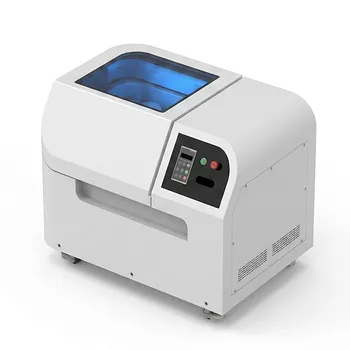
8L Planetary Ball Mill for Laboratory Grinding and Sample Preparation

High Energy Planetary Ball Mill for Nano Scale Grinding and Mechanical Alloying
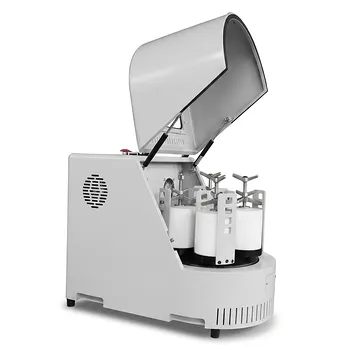
Vertical Semi Circular Planetary Ball Mill for Laboratory Precision Grinding

Miniature Planetary Ball Mill with Vacuum Grinding and High Efficiency for Laboratory Sample Preparation

High Energy Omnidirectional Planetary Ball Mill 20L

Heavy Duty Horizontal Planetary Ball Mill for Efficient Industrial Grinding and Sample Preparation

High Energy Omnidirectional Planetary Ball Mill 16L
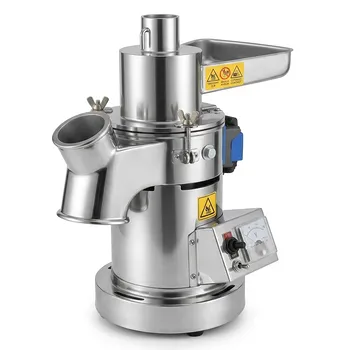
Continuous Feeding Grinder High Efficiency Pulverizer for Lab Sample Preparation

360° Rotating Omnidirectional Laboratory Planetary Ball Mill for Homogeneous Ultra-Fine Grinding and Mixing