Why are high-density stainless steel grinding balls and jars used for VCat? Optimize Catalyst Nanostructuring
Updated 4 months ago
High-density stainless steel grinding balls and jars are used in VCat preparation to provide the massive kinetic energy required for solid-state chemical changes while maintaining material purity. This specific hardware is essential because it facilitates the transition of catalyst components into a nanostructured state through high-frequency, high-impact vibrations that other materials cannot survive or drive effectively.
The choice of stainless steel is driven by the need for a high-density medium that can translate mechanical vibration into "mechanochemical" energy. This process ensures that vanadium-based catalysts achieve atomic-level mixing and structural refinement without the introduction of excessive wear-related impurities.
Maximizing Kinetic Energy Transfer
The Role of High Density
High-density stainless steel balls possess the mass necessary to generate significant momentum during high-frequency vibrations. This kinetic energy is the primary driver for breaking down large catalyst precursors into the micro-nano scale.
Efficient Impact Delivery
The rigidity of stainless steel ensures that energy is not absorbed by the grinding media itself but is instead transferred directly into the reactant powders. This "hard-on-hard" impact is what allows for the deep mixing required for complex vanadium-based reactions.
Overcoming Particle Agglomeration
Vanadium components and additives often form tight flocs or entanglements that resist simple mixing. The high-impact shearing provided by stainless steel balls is necessary to physically disrupt these clusters and ensure a uniform, suspendable particle distribution.
Ensuring Structural and Process Integrity
Resistance to Prolonged Wear
The synthesis of VCat often requires extended grinding periods, sometimes exceeding 9 hours of continuous vibration. The high hardness of stainless steel prevents the balls and jars from degrading rapidly, which protects the catalyst from being contaminated by metallic debris.
Maintaining High-Pressure Environments
During certain stages of mechanical alloying, the grinding jars must maintain strict airtightness under high-pressure atmospheres (e.g., 0.3 MPa). Stainless steel’s mechanical strength allows the jars to withstand these internal pressures without deforming or leaking.
Stability Under High-Speed Rotation
At rotation speeds such as 300 rpm, lower-quality materials would suffer from centrifugal stress and heat. Stainless steel maintains its physical stability and structural integrity, ensuring consistent results across the entire grinding cycle.
Achieving Nanostructuring and Mechanochemistry
Atomic-Level Solid Solution
The high impact energy transfer provided by stainless steel components is crucial for achieving a full atomic-level solid solution. This ensures that the various metal elements in the catalyst are perfectly integrated rather than just physically mixed.
Inducing Mechanochemical Effects
By applying precise mechanical energy to the catalyst powder, stainless steel media induces mechanochemical effects—chemical reactions triggered by mechanical force. This is a critical step in forming the specific crystal structures that give VCat its catalytic properties.
Micro-Nano Scale Refinement
The goal of VCat preparation is often to reach a micro-nano scale to increase surface area. Stainless steel media provides the superior mechanical energy required to reach these dimensions, which are essential for optimized catalytic activity.
Understanding the Trade-offs
The Risk of Trace Impurities
While stainless steel is wear-resistant, it is not wear-proof; over extremely long durations, some iron or chromium ions may enter the mixture. If the specific catalyst application is hyper-sensitive to metallic impurities (such as certain perovskite structures), researchers might pivot to zirconia despite its different density profile.
Density vs. Purity
Stainless steel is often chosen over lighter materials like glass or silver because those materials lack the density to break down tough agglomerates. However, the user must balance the need for high-impact energy with the specific chemical compatibility of the catalyst components and the stainless steel alloy.
How to Apply This to Your Project
Making the Right Choice for Your Goal
- If your primary focus is maximum particle size reduction: Use high-density stainless steel balls to ensure the highest kinetic energy transfer during high-speed rotation.
- If your primary focus is maintaining high-pressure atmospheres: Ensure you use reinforced stainless steel grinding jars capable of maintaining airtight seals under 0.3 MPa or higher.
- If your primary focus is ultra-high purity for sensitive crystal structures: Consider evaluating high-hardness zirconia if the specific vanadium chemistry is negatively impacted by trace iron or chromium.
- If your primary focus is long-duration (9+ hours) synthesis: Prioritize high-hardness stainless steel to minimize media wear and ensure consistent energy application throughout the cycle.
By leveraging the density and durability of stainless steel, you provide the necessary physical environment to transform raw precursors into a high-performance, nanostructured vanadium catalyst.
Summary Table:
| Key Feature | Benefit for VCat Preparation | Technical Specification |
|---|---|---|
| High Density | Maximizes kinetic energy for particle size reduction | Effective for micro-nano scale refinement |
| Mechanical Rigidity | Ensures efficient impact energy transfer to powders | Facilitates mechanochemical reactions |
| Wear Resistance | Minimizes contamination during long cycles | Suitable for 9+ hour grinding sessions |
| Structural Strength | Maintains airtight seals under high pressure | Withstands internal pressures of 0.3 MPa |
| High-Speed Stability | Prevents deformation under centrifugal stress | Reliable performance at 300+ rpm |
Elevate Your Catalyst Synthesis with Professional Lab Solutions
Achieving the perfect nanostructured vanadium catalyst requires precision equipment that can handle high-energy impacts and long-duration processing. At [Company Name], we provide complete laboratory sample preparation solutions for material science, specializing in high-performance powder processing and compaction equipment.
Our extensive product lines are designed to meet the rigorous demands of catalyst research and industrial production:
- Advanced Milling: Planetary ball mills, jet mills, and cryogenic grinders for superior particle refinement.
- Material Processing: High-durability crushers (jaw/roll), sieve shakers, and specialized powder/defoaming mixers.
- Compaction Excellence: A full spectrum of hydraulic presses, including Cold/Warm Isostatic Presses (CIP/WIP), vacuum hot presses, and XRF pellet presses.
Whether you are scaling up VCat production or refining sensitive crystal structures, our expertise ensures you have the right tools for high-purity, high-efficiency results.
Ready to optimize your lab's workflow? Contact our experts today to find the ideal solution for your material science needs!
References
- Atikah Kadri, Xiangdong Yao. Catalytically Enhanced Hydrogen Sorption in Mg-MgH2 by Coupling Vanadium-Based Catalyst and Carbon Nanotubes. DOI: 10.3390/ma8063491
Mentioned Products
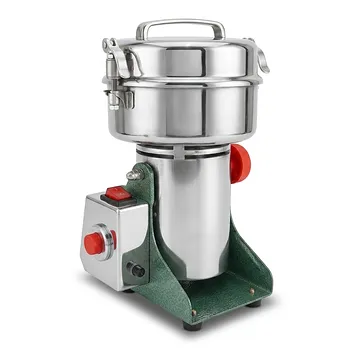
- Small High-Speed Laboratory Grinder for Powder Processing
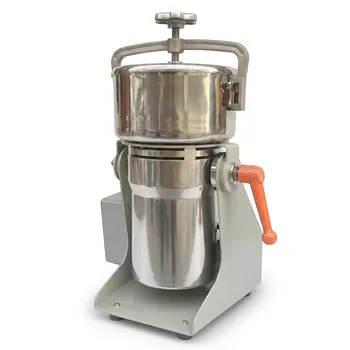
- High Speed Laboratory Grinder Efficient Stainless Steel Powder Pulverizer Universal Material Science Mill for Sample Preparation
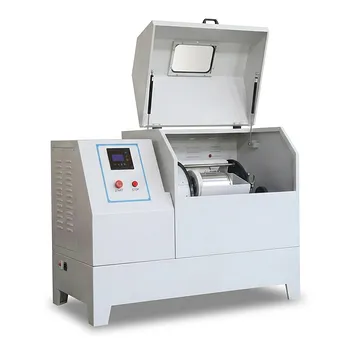
- Heavy Duty Horizontal Planetary Ball Mill for Efficient Industrial Grinding and Sample Preparation
- Vertical Square Planetary Ball Mill for Laboratory Sample Preparation and Nanoscale Grinding
- Dual Station Planetary Ball Mill 24L
People Also Ask
- What role does a laboratory grinder play in the pretreatment of sunflower seed shell-based adsorbents? Boost Efficiency.
- How does a laboratory grinder or mill enhance the adsorption performance of agricultural waste materials? Boost Surface Area
- What is the role of laboratory grinding equipment in the preparation of waste glass powder for eco-friendly red bricks?
- Why is grinding equipment necessary for SnO2-Sb2O3 xerogels? Maximize surface area and photocatalytic activity.
- What is the primary role of grinding equipment in BLA preparation? Enhance Reactivity & Material Uniformity

Tech Team · PowderPreparation
Last updated on Jun 03, 2026
Related Products
Small High-Speed Laboratory Grinder for Powder Processing
High Speed Laboratory Grinder Efficient Stainless Steel Powder Pulverizer Universal Material Science Mill for Sample Preparation
Heavy Duty Horizontal Planetary Ball Mill for Efficient Industrial Grinding and Sample Preparation
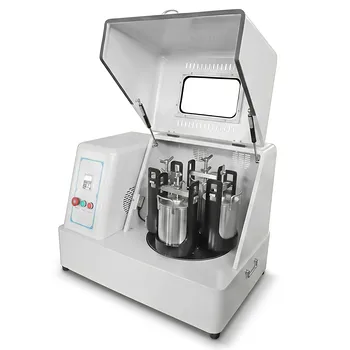
Vertical Square Planetary Ball Mill for Laboratory Sample Preparation and Nanoscale Grinding
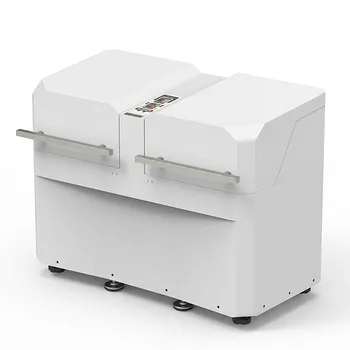
Dual Station Planetary Ball Mill 24L
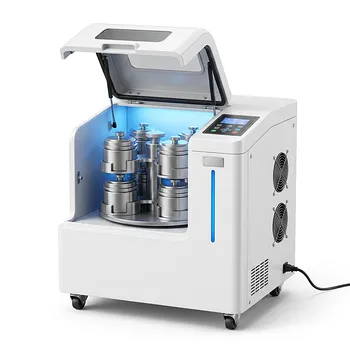
High Energy Omnidirectional Planetary Ball Mill 20L
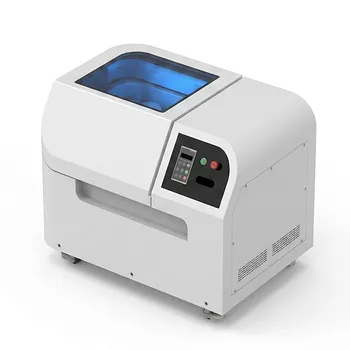
8L Planetary Ball Mill for Laboratory Grinding and Sample Preparation
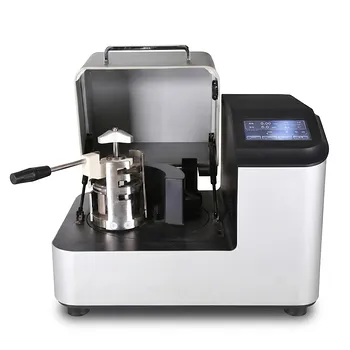
High Energy Laboratory Planetary Ball Mill for Nano Grinding and Material Science Sample Preparation
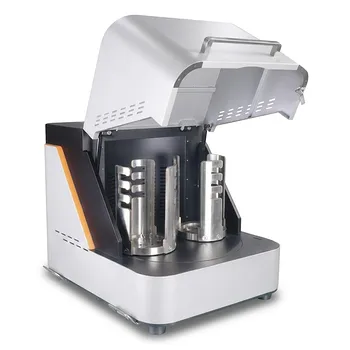
High Energy Laboratory Planetary Ball Mill for Nano Grinding and Colloidal Mixing of Hard and Brittle Materials

High Energy Planetary Ball Mill for Nano Scale Grinding and Mechanical Alloying
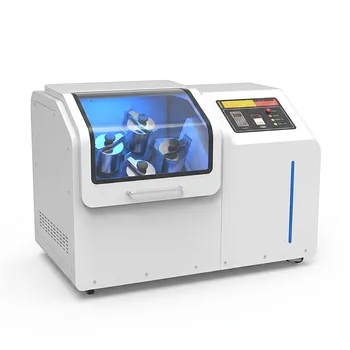
High Energy Omnidirectional Planetary Ball Mill 16L
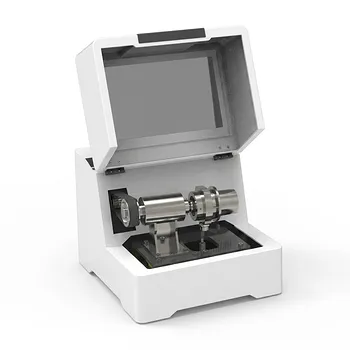
Single Tank High Energy Vibratory Ball Mill for Laboratory Grinding and Mixing
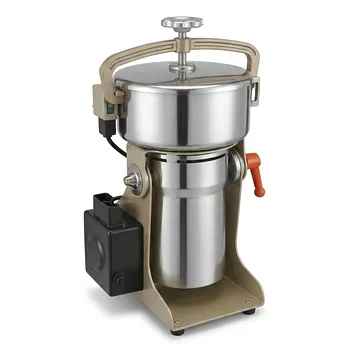
Multifunctional High Efficiency High Speed Laboratory Grinder
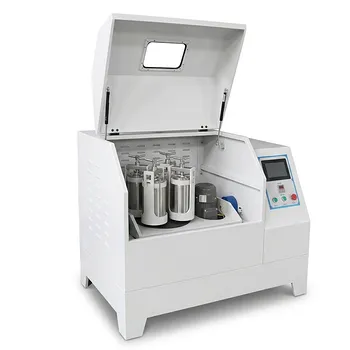
360° Rotating Omnidirectional Laboratory Planetary Ball Mill for Homogeneous Ultra-Fine Grinding and Mixing
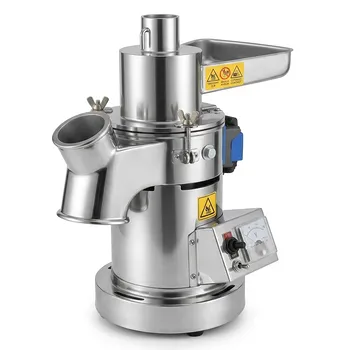
Continuous Feeding Grinder High Efficiency Pulverizer for Lab Sample Preparation
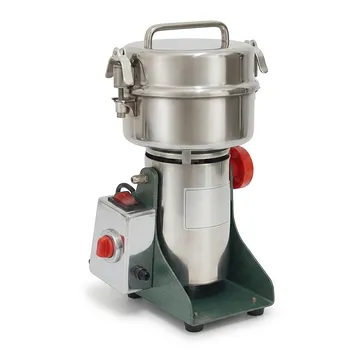
Small High Speed Grinder for Laboratory Sample Preparation
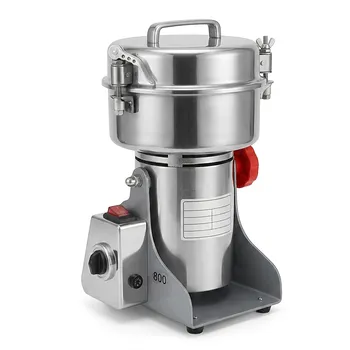
Small High-Speed Laboratory Grinder for Rapid Sample Preparation