Why are automatic agate grinders used for the fine pulverization of minerals like covellite and pyrite? Achieve Purity
Updated 5 months ago
Automatic agate grinders are the industry standard for pulverizing minerals like covellite and pyrite because they eliminate metallic contamination while delivering precise particle size control.
These machines use ultra-hard, chemically inert agate components to grind samples without introducing iron, nickel, or chromium impurities. This preserves the natural surface chemistry of sulfide minerals, which is critical for accurate flotation testing and downstream chemical analysis like XRF or XRD.
The primary value of an automatic agate grinder lies in its ability to achieve a uniform particle size (such as a P80 of 100 micrometers) without altering the mineral’s chemical profile. By avoiding metallic wear-in, researchers ensure that experimental results reflect the true properties of the ore rather than artifacts introduced during preparation.
Preserving Chemical and Surface Integrity
Avoiding Metallic Contamination
Agate is a non-metallic material that prevents the introduction of external elements into the mineral sample. For sulfide minerals like pyrite, even trace amounts of metallic iron from steel grinders can trigger unwanted electrochemical reactions.
This is especially critical for high-precision lithium isotope analysis or trace element detection. Using agate ensures that the final powder accurately reflects the original chemical composition of the source material.
Maintaining Surface Chemistry for Flotation
Flotation experiments rely on specific interactions between chemical collectors and the mineral surface. If a grinder introduces metallic ions, these ions can coat the mineral surfaces and "poison" the flotation response.
Agate ensures the surface remains "clean" and uncontaminated. This allows researchers to study how minerals like covellite truly respond to reagents in a controlled environment.
Precision in Particle Size Distribution
Achieving a Uniform P80
Automatic systems provide consistent, repeatable mechanical force that manual grinding cannot replicate. This level of control is necessary to hit specific targets, such as a P80 of 100 micrometers.
Consistency in particle size is vital for comparative studies. It ensures that differences in flotation recovery or chemical reactivity are due to the mineral properties, not variations in the grinding intensity.
High Hardness and Chemical Inertia
Agate possesses extreme hardness, making it ideal for pulverizing tough minerals, silicates like lepidolite, and residual clays. Its resistance to wear means that very little of the grinding media itself ends up in the sample.
Furthermore, agate's chemical compatibility with silicate matrices makes it the preferred choice for geological samples. It ensures that the mineral phase remains unaltered even during high-energy processing.
Understanding the Trade-offs
Processing Speed vs. Purity
Agate is generally slower at grinding than heavy-duty tungsten carbide or hardened steel options. While it prioritizes purity, processing times may be longer for exceptionally hard batches or large volumes.
Material Fragility
Agate is a natural, ceramic-like material and can be prone to mechanical chipping if handled improperly or subjected to sudden impacts. It requires more careful handling and maintenance compared to robust metallic grinding jars.
Cost Considerations
High-quality agate components are often more expensive than standard steel equivalents. However, the cost is typically justified by the prevention of failed experiments or skewed analytical data caused by contamination.
How to Apply This to Your Project
When preparing mineral samples for advanced analysis, your choice of grinding media should be dictated by your ultimate analytical goal.
- If your primary focus is flotation response studies: Use an automatic agate grinder to ensure that no metallic ions interfere with the collector's attachment to the mineral surface.
- If your primary focus is high-precision isotopic or XRF analysis: Select agate media to eliminate iron, nickel, or chrome background noise that could skew your chemical data.
- If your primary focus is processing residual clays or silicates: Leverage agate’s chemical inertia to ensure the mineral phase remains representative of the original deposit.
By prioritizing agate for fine pulverization, you ensure that your analytical results are a true reflection of the mineral’s inherent properties.
Summary Table:
| Feature | Benefit | Key Application |
|---|---|---|
| Agate Material | Zero metallic contamination (Fe, Ni, Cr) | High-precision XRF, XRD, and isotope analysis |
| Mechanical Precision | Uniform P80 particle size distribution | Consistent flotation testing and reactivity studies |
| Chemical Inertia | Preserves natural mineral surface chemistry | Sulfide mineral research and collector interaction |
| High Hardness | Exceptional wear resistance | Processing tough silicates, lepidolite, and clays |
Elevate Your Material Analysis with Professional Preparation Solutions
Precise research starts with uncontaminated samples. At [Insert Brand Name], we provide complete laboratory sample preparation solutions tailored for material science and geological research. Our specialized equipment ensures your minerals like covellite and pyrite maintain their chemical integrity from raw ore to fine powder.
Our Expert Range Includes:
- Advanced Grinding & Milling: Automatic agate grinders, planetary ball mills, jet mills, and cryogenic grinders for contamination-free processing.
- Crushing & Sizing: High-performance jaw/roll crushers and vibratory/air-jet sieve shakers.
- Powder Compaction: A full spectrum of hydraulic presses, including Cold/Warm Isostatic Presses (CIP/WIP), XRF pellet presses, and vacuum hot presses.
- Precision Mixing: High-efficiency powder mixers and specialized defoaming mixers.
Don't let metallic wear-in compromise your data. Contact our technical team today to find the perfect equipment for your laboratory's specific needs!
References
- Yesica L. Botero, Luís A. Cisternas. New insights related to the flotation of covellite in porphyry ores. DOI: 10.1016/j.mineng.2021.107242
Mentioned Products
- High Efficiency High Speed Grinder Laboratory Mill 1300W 25000rpm
- Multifunctional High Efficiency High Speed Laboratory Grinder
- Small High-Speed Swing Grinder for Laboratory Sample Preparation
- Continuous Feeding Grinder High Efficiency Pulverizer for Lab Sample Preparation
- Small Airflow Ultra-Fine Grinder for Laboratory Sample Preparation
People Also Ask
- What role does a laboratory grinder play in the pretreatment of sunflower seed shell-based adsorbents? Boost Efficiency.
- How does high-speed grinding equipment facilitate the preparation of lignin binders? Optimize Powder for Stronger Bonds
- How does a laboratory grinder or mill enhance the adsorption performance of agricultural waste materials? Boost Surface Area
- Why is grinding equipment necessary for SnO2-Sb2O3 xerogels? Maximize surface area and photocatalytic activity.
- How does laboratory grinding or pulverizing equipment influence eggshell-derived adsorbents? Maximize Surface Area.

Tech Team · PowderPreparation
Last updated on May 14, 2026
Related Products
High Efficiency High Speed Grinder Laboratory Mill 1300W 25000rpm
Multifunctional High Efficiency High Speed Laboratory Grinder
Small High-Speed Swing Grinder for Laboratory Sample Preparation
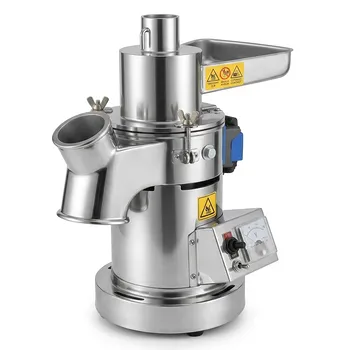
Continuous Feeding Grinder High Efficiency Pulverizer for Lab Sample Preparation
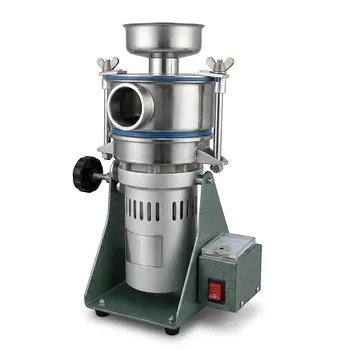
Small Airflow Ultra-Fine Grinder for Laboratory Sample Preparation
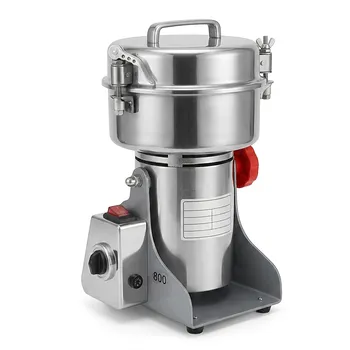
Small High-Speed Laboratory Grinder for Rapid Sample Preparation
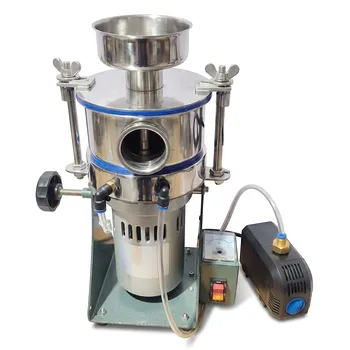
Water Cooled Airflow Ultra Fine Grinder for Low Temperature Material Processing
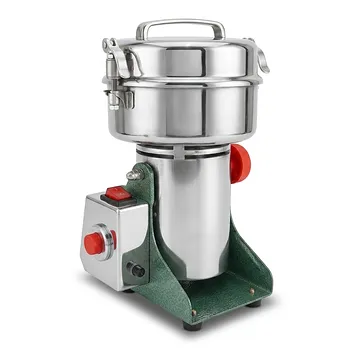
Small High-Speed Laboratory Grinder for Powder Processing
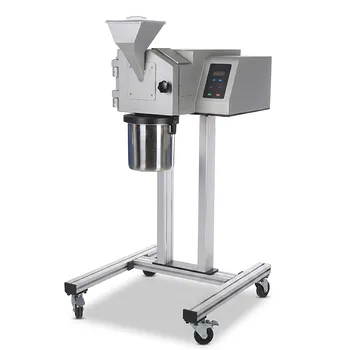
Cross Beater Mill for Brittle Material Grinding and Continuous Fine Crushing Industrial Sample Preparation
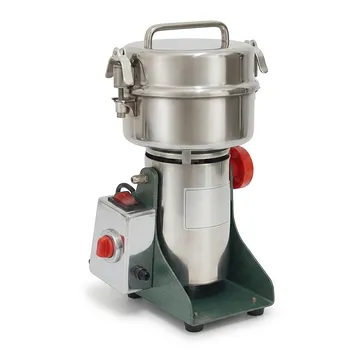
Small High Speed Grinder for Laboratory Sample Preparation
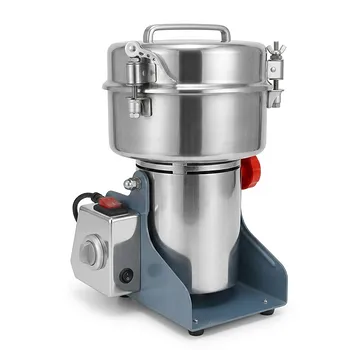
Small High-Speed Grinder for Efficient Laboratory Sample Preparation
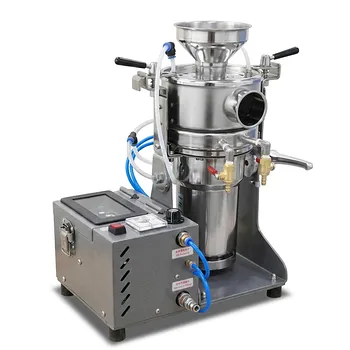
Water Cooled Pulse Jet Ultrafine Grinder
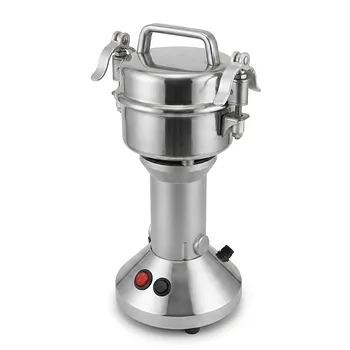
Continuous Feeding Grinding Mill for Dry Fibrous Tough and Hard Materials in Laboratory and Small Production
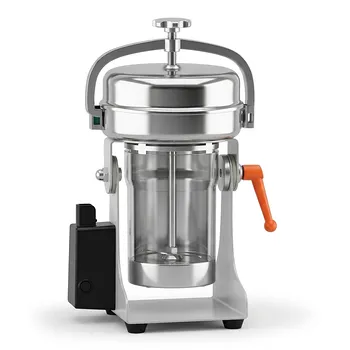
High Efficiency High Speed Grinder 2200W 25000 RPM Laboratory Sample Preparation
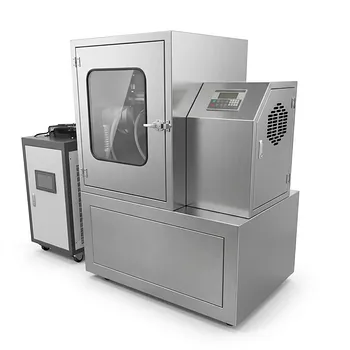
Vibratory Superfine Grinder for Ultra Fine Laboratory Powder Milling
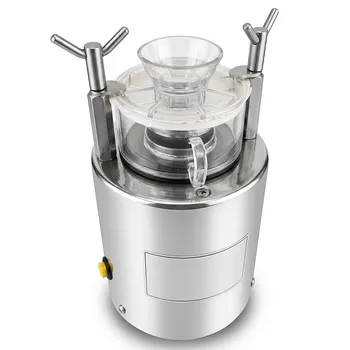
Laboratory Desktop Ultra Fine Powder Grinder High Speed Micronizing Pulverizer
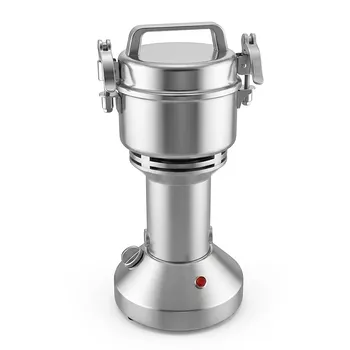
Small High Speed Upright Grinder for Laboratory Sample Preparation
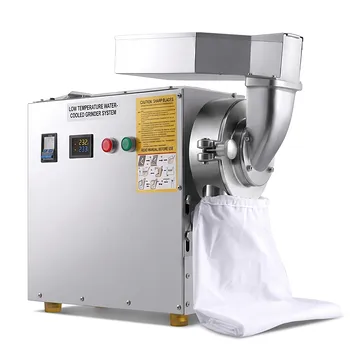
Low Temperature Water Cooled Continuous Feed Grinder Two Stage Coarse and Fine Grinding System
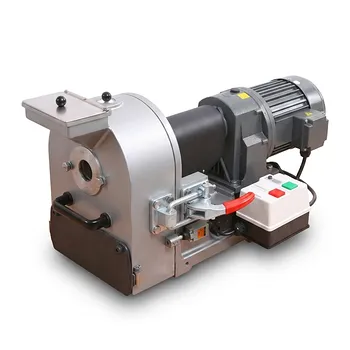
Laboratory Disc Mill for Fine Sample Preparation of Hard and Brittle Materials