Why are alumina grinding jars and balls selected for ZTA powder grinding? Ensure High Purity & Material Integrity
Updated 5 months ago
The selection of alumina grinding media for Zirconia Toughened Alumina (ZTA) is driven primarily by the "homogenous grinding principle." By matching the media to the alumina matrix, manufacturers ensure that any inevitable wear debris remains chemically consistent with the base material, preventing the introduction of foreign impurities that would degrade the ceramic's final mechanical properties.
To maintain the strict chemical purity and phase stability of ZTA ceramics, grinding media must match the material's matrix. Using high-purity alumina jars and balls ensures that wear particles are integrated into the composite rather than acting as performance-sapping contaminants.
The Principle of Chemical Compatibility
Matching the Matrix Composition
Zirconia Toughened Alumina is a composite material where alumina (Al2O3) serves as the primary matrix. Selecting alumina grinding jars and balls ensures that the grinding environment is chemically identical to the bulk of the material being processed.
Controlling Material Purity
High-energy ball milling involves intense mechanical collisions that cause inevitable micro-wear of the grinding media. When the media is made of the same high-purity alumina as the powder matrix, this wear debris does not introduce heterogeneous elements that could alter the chemical profile of the ceramic.
Avoiding Foreign Contamination
The introduction of foreign chemical species during the milling stage can create "soft spots" or unintended phases during the high-temperature sintering process. Using alumina media eliminates the risk of cross-contamination from metallic or secondary ceramic sources.
Maintaining Mechanical and Physical Performance
Preserving Phase Purity
ZTA relies on a precise balance between the alumina matrix and the dispersed zirconia phase to achieve its high toughness. Introducing trace impurities from non-matching grinding media can disrupt this phase balance, leading to a decrease in the material's final mechanical strength and fracture toughness.
Ensuring Sintering Stability
Impurities introduced during grinding can act as unwanted fluxing agents or grain-growth inhibitors during sintering. By using alumina media, the chemical purity of the powder is preserved, ensuring that the ceramic densifies uniformly and achieves its intended microstructural properties.
Integration of Wear Debris
Because the wear particles are chemically identical to the alumina matrix, they are seamlessly incorporated into the composite during the final firing. This prevents the debris from acting as a defect or a point of structural weakness in the finished ceramic part.
Understanding the Trade-offs
Wear Resistance vs. Grinding Efficiency
While alumina is excellent for maintaining purity in an alumina-based matrix, it has a lower density and hardness compared to zirconia media. This means alumina media may require longer milling times to achieve the same level of powder refinement that denser media would provide.
The Cost of Purity
Using high-purity alumina components often involves a trade-off in media longevity. Because alumina is less wear-resistant than zirconia, the jars and balls may need more frequent replacement to prevent the accumulation of excessive wear-related volume changes in the slurry.
Alternative Media Selection
In some specialized ZTA preparations, zirconia media is used because the composite already contains a zirconia phase. While this also follows the "compositional match" logic, it can shift the zirconia-to-alumina ratio if the wear rate is not strictly monitored and accounted for in the initial recipe.
Making the Right Choice for Your Goal
How to Apply This to Your Project
When preparing high-performance ceramic powders, your choice of grinding media should align with your final performance requirements and budget.
- If your primary focus is absolute chemical purity: Use high-purity alumina jars and balls to ensure that no foreign elements are introduced into the alumina matrix.
- If your primary focus is reducing processing time: Consider high-density zirconia media, but you must calibrate your formula to account for the additional zirconia introduced by media wear.
- If your primary focus is cost-effectiveness in ZTA production: Alumina media is generally the standard choice, as it provides the best balance between material compatibility and lower initial procurement costs.
By prioritizing chemical homogeneity during the grinding stage, you secure the structural integrity and performance reliability of the final sintered ceramic.
Summary Table:
| Feature | Alumina Grinding Media (for ZTA) | Benefit to Final Ceramic |
|---|---|---|
| Material Matrix | Matches the Alumina (Al₂O₃) base | Ensures chemical homogeneity |
| Contamination | No foreign elements introduced | Prevents "soft spots" and phase instability |
| Wear Debris | Integrated into the composite matrix | Maintains structural integrity after sintering |
| Sintering Impact | No unintended fluxing agents | Uniform densification and grain growth |
| Cost Profile | Economical procurement | Cost-effective for standard ZTA production |
Achieve Unmatched Purity in Your Material Research
At our core, we provide complete laboratory sample preparation solutions tailored for material science. We specialize in high-performance powder processing and compaction equipment designed to meet the rigorous standards of advanced ceramics like ZTA.
Whether you need precision grinding media (alumina, zirconia), high-energy mills (planetary ball, jet, or rotor), or advanced compaction tools like Cold/Warm Isostatic Presses (CIP/WIP) and vacuum hot presses, we have the expertise to optimize your workflow. Our equipment ensures that your materials maintain their chemical purity and mechanical excellence from powder to final part.
Ready to elevate your ceramic processing? Contact our technical team today for expert guidance and customized equipment solutions.
References
- Anne Caroline de Paula Nascimento, Cosme Roberto Moreira Silva. Effect of Addition of Previously-Synthesized Ce-TZP/Al2O3 Submicrometric Powder on the Properties of Al2O3-Based Ceramics. DOI: 10.1590/1980-5373-mr-2021-0510
Mentioned Products
- Small High-Speed Laboratory Grinder for Powder Processing
- Universal Laboratory Pulverizer Grinder for Small Batch Powder Processing and Material Science Research
- Vertical Production Planetary Ball Mill for High Throughput Powder Processing
- High Energy Omnidirectional Planetary Ball Mill 16L
- High Energy Laboratory Planetary Ball Mill for Nano Grinding and Material Science Sample Preparation
People Also Ask
- What role does a laboratory grinder play in the pretreatment of sunflower seed shell-based adsorbents? Boost Efficiency.
- How does a laboratory grinder or mill enhance the adsorption performance of agricultural waste materials? Boost Surface Area
- What is the role of laboratory grinding equipment in the preparation of waste glass powder for eco-friendly red bricks?
- Why is grinding equipment necessary for SnO2-Sb2O3 xerogels? Maximize surface area and photocatalytic activity.
- What is the primary role of grinding equipment in BLA preparation? Enhance Reactivity & Material Uniformity

Tech Team · PowderPreparation
Last updated on May 14, 2026
Related Products
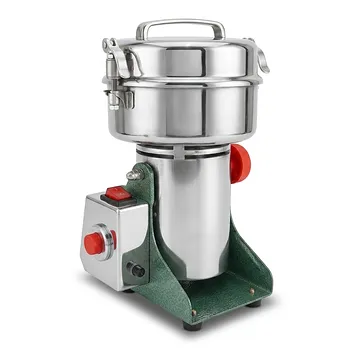
Small High-Speed Laboratory Grinder for Powder Processing
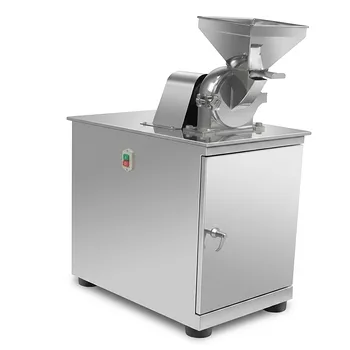
Universal Laboratory Pulverizer Grinder for Small Batch Powder Processing and Material Science Research

Vertical Production Planetary Ball Mill for High Throughput Powder Processing

High Energy Omnidirectional Planetary Ball Mill 16L

High Energy Laboratory Planetary Ball Mill for Nano Grinding and Material Science Sample Preparation
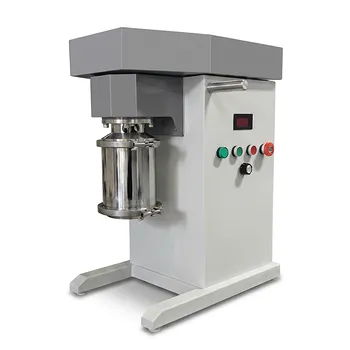
Nano Laboratory Bead Mill Desktop Sub Micron Sand Mill Screenless Seal Less Powder Grinder

High Energy Planetary Ball Mill for Nano Scale Grinding and Mechanical Alloying
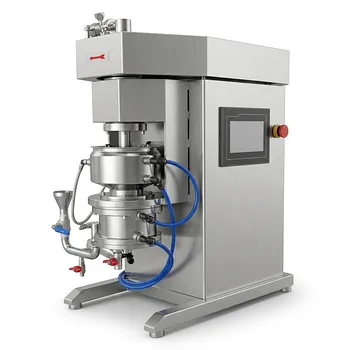
Small Ceramic Structure Laboratory Sand Mill Nanoscale Grinding Dispersion Equipment Seal-less Screen-less Design
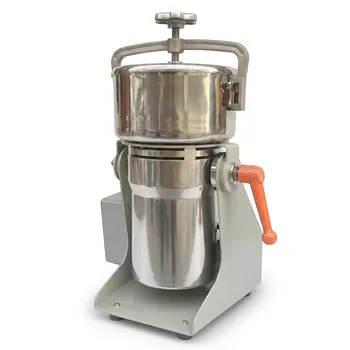
High Speed Laboratory Grinder Efficient Stainless Steel Powder Pulverizer Universal Material Science Mill for Sample Preparation
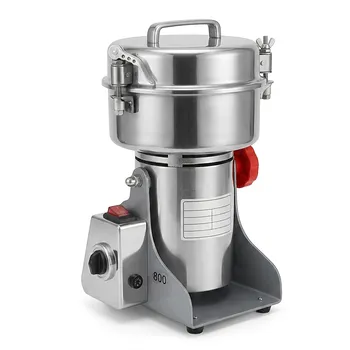
Small High-Speed Laboratory Grinder for Rapid Sample Preparation

Miniature Planetary Ball Mill with Vacuum Grinding and High Efficiency for Laboratory Sample Preparation
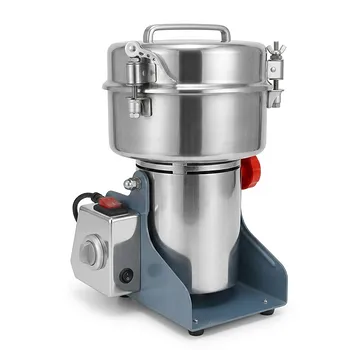
Small High-Speed Grinder for Efficient Laboratory Sample Preparation
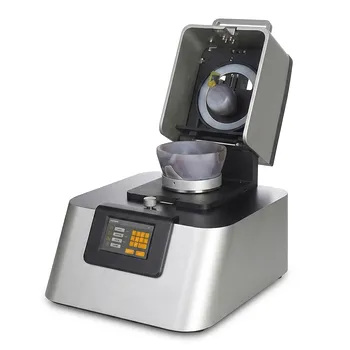
Laboratory Mortar Grinder for Sample Preparation and Cryogenic Powder Homogenization
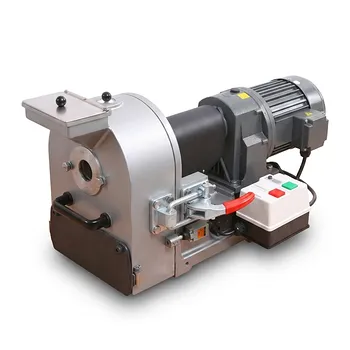
Laboratory Disc Mill for Fine Sample Preparation of Hard and Brittle Materials
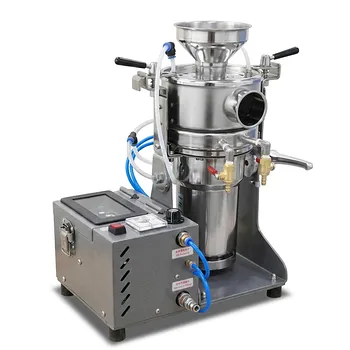
Water Cooled Pulse Jet Ultrafine Grinder
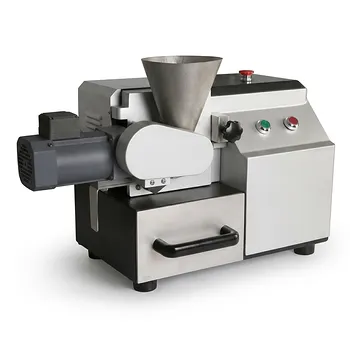
Laboratory Hammer Mill for Coal Quality Analysis and Brittle Mineral Grinding
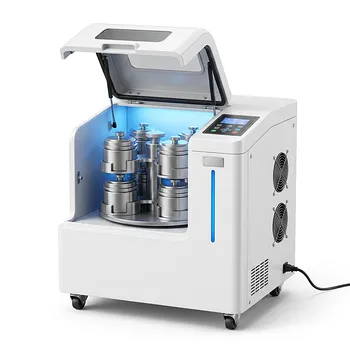
High Energy Omnidirectional Planetary Ball Mill 20L