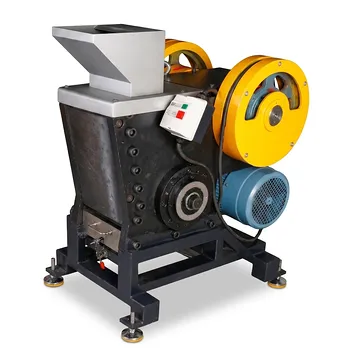
What roles do industrial crushers and pulverizers play in ceramic filter preparation? Master Particle Size Control
Updated 4 months ago
Industrial crushers and pulverizers serve as the critical first stage in composite ceramic filter production by mechanically reducing raw materials into precise particle sizes. This process transforms bulk materials like coconut shells or raw clay into micron-level powders or uniform granules, significantly increasing their specific surface area. This physical transformation is essential for ensuring chemical reactivity, uniform mixing, and structural integrity during subsequent sintering and extrusion phases.
Core Takeaway: Crushers and pulverizers provide the foundational "comminution" necessary to control particle size distribution, which directly dictates the filtration efficiency, mechanical strength, and manufacturing stability of the final ceramic element.
Maximizing Material Reactivity and Surface Area
The Transition from Macro to Micro Structure
Industrial crushers utilize impact forces to break large raw materials, such as coconut shells, into manageable sizes. High-speed pulverizers then take these smaller pieces and grind them to the micron level, creating the physical foundation required for ultra-fine grinding.
Enhancing Chemical and Interfacial Affinity
Reducing particle size exponentially increases the specific surface area, which is vital for composite materials. In natural particle-reinforced composites, this increased surface area facilitates better dispersion and a stronger interfacial affinity between the particles and the resin matrix.
Accelerating Sintering and Densification
Refined powders exhibit higher reactivity, which significantly enhances the densification rate during the sintering process. This control over average particle size and grain distribution directly influences the final ceramic material's hardness and mechanical strength.
Ensuring Process Stability and Material Purity
Standardizing Morphology for Extrusion
In the production of 3D printing filaments or extruded filters, cutting crushers are used to create uniform granules (typically 4 x 4 mm). This standardized granular morphology is a prerequisite for stable feeding into extruders, ensuring consistent flow and diameter uniformity.
Facilitating Purification and Plasticity
For clay-based ceramic filters, crushing raw clay into fine particles improves the efficiency of water-washing purification. Fine grinding allows the clay to be fully suspended, enabling impurities to settle out and resulting in a raw material with higher purity and improved plasticity.
Reducing Structural Defects
Controlled preparation through crushing and subsequent sieving ensures homogeneity during the mixing phase. By eliminating oversized particles and ensuring a tight particle size distribution, manufacturers can significantly reduce molding defects and achieve high structural density.
Understanding the Trade-offs and Limitations
Energy Consumption vs. Particle Refinement
The energy required for comminution increases exponentially as particle sizes move from the millimeter to the micron scale. Manufacturers must balance the need for extreme fineness with the diminishing returns of energy costs and equipment wear.
Risk of Material Contamination
Mechanical crushing introduces the risk of media wear, where small amounts of the crusher's grinding components (such as steel or ceramic) can contaminate the raw material. This can alter the chemical profile of the filter element and affect its performance in sensitive applications.
Managing Particle Size Distribution (PSD)
While crushers reduce size, they often produce a wide particle size distribution rather than a single uniform size. Without precise grading or sieving equipment, an overly broad PSD can lead to inconsistent pore structures in the final filter element.
How to Apply This to Your Project
Making the Right Choice for Your Goal
The selection of crushing and pulverizing equipment depends entirely on your material properties and your final manufacturing method.
- If your primary focus is filtration precision: Prioritize high-speed pulverizers and planetary ball mills to achieve a micron-level powder that ensures a tight, consistent pore structure.
- If your primary focus is extrusion stability: Utilize industrial-grade cutting crushers to produce uniform 4x4mm granules that prevent "surging" or flow inconsistencies in the extruder.
- If your primary focus is mechanical strength: Focus on the comminution of powders to increase surface area, which optimizes the densification and grain growth during the final sintering stage.
- If your primary focus is raw material purity: Use jaw or roll crushers to pre-process raw clay, maximizing the surface area for more effective downstream purification and washing.
By mastering the mechanical reduction of raw materials, you establish the precise control over particle morphology that is necessary for high-performance ceramic filtration.
Summary Table:
| Preparation Phase | Key Equipment | Primary Impact on Final Filter |
|---|---|---|
| Primary Reduction | Jaw / Roll Crushers | Standardizes feed size and ensures extrusion stability. |
| Micron Pulverization | Planetary / Jet Mills | Increases specific surface area and chemical reactivity. |
| Particle Grading | Sieve Shakers | Controls pore structure and ensures filtration precision. |
| Purification | Cutting Crushers | Facilitates impurity removal and improves clay plasticity. |
| Structural Density | Pulverizers | Enhances densification rate during the sintering process. |
Elevate Your Material Preparation with Precision Equipment
Achieving the perfect composite ceramic filter element starts with superior raw material preparation. At [Company Name], we provide complete laboratory sample preparation solutions for material science, specializing in high-performance powder processing and compaction equipment.
Whether you are refining coconut shells for activated carbon or processing high-purity clay, our extensive product lines are designed to meet your strictest tolerances:
- Size Reduction: Jaw and roll crushers, liquid nitrogen cryogenic grinders, and high-energy mills (planetary ball, jet, sand/bead, disc, and rotor).
- Classification & Mixing: Vibratory and air-jet sieve shakers for precise PSD control, plus advanced powder and defoaming mixers.
- Advanced Compaction: A full spectrum of hydraulic presses, including Cold/Warm Isostatic Presses (CIP/WIP), XRF pellet presses, and vacuum hot presses for high-density sintering.
Ready to optimize your production workflow? Our experts are here to help you select the ideal equipment for your specific material challenges.
Contact Us Today to Request a Quote
References
- Adedayo Deborah Adeyinka-Aderanti, Johnson Olumuyiwa Agunsoye. Effect of Process Parameters on the Properties of Clay-Based Composite Filter for Water Purification. DOI: 10.52968/72017829
Mentioned Products
- Medium Hardness Material Disc Pulverizer for Coal Ore Sample Preparation
- Laboratory Disc Pulverizer for Coal Coke Ore and Medium Hard Materials Sample Preparation
- Laboratory Sealed Hammer Blade Crusher Divider for High Hardness Sample Preparation
- High Speed Small Laboratory Crusher for Dry Material Sample Preparation
- Continuous Feeding Grinder High Efficiency Pulverizer for Lab Sample Preparation
People Also Ask
- Why is a lab pulverizer necessary for XRF ore analysis? Ensure Accurate & Homogeneous Results
- Why are high-efficiency pulverizers necessary for the further refinement of copper ore? Optimize Energy & Accuracy
- What is the primary function of a laboratory disc mill for oyster shells? Boost Reactivity & Analytical Precision
- What is the function of a laboratory pulverizer in Boerhavia diffusa-based adsorbent prep? Maximize Surface Area
- Why are grinding consumables made of zirconia used for high-purity chemical samples? Ensure Pure Sample Prep & Efficiency

Tech Team · PowderPreparation
Last updated on Jun 03, 2026
Related Products
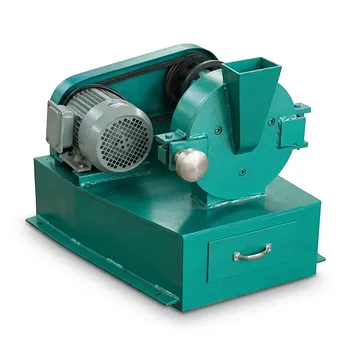
Medium Hardness Material Disc Pulverizer for Coal Ore Sample Preparation
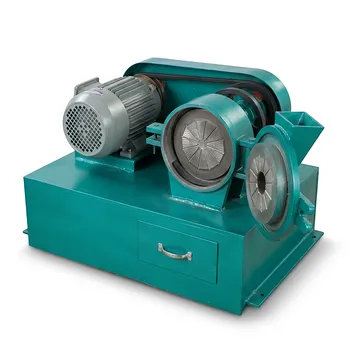
Laboratory Disc Pulverizer for Coal Coke Ore and Medium Hard Materials Sample Preparation
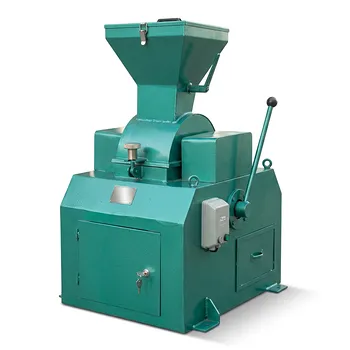
Laboratory Sealed Hammer Blade Crusher Divider for High Hardness Sample Preparation
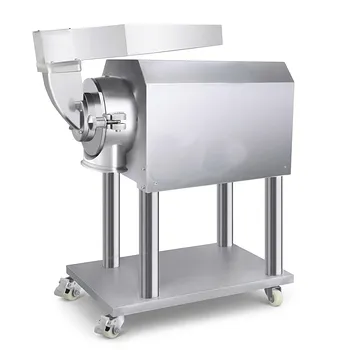
High Speed Small Laboratory Crusher for Dry Material Sample Preparation
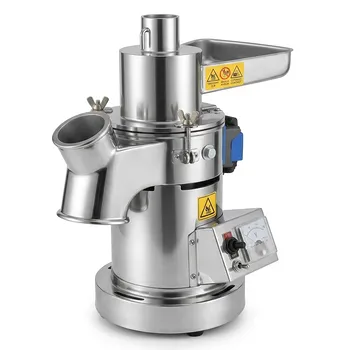
Continuous Feeding Grinder High Efficiency Pulverizer for Lab Sample Preparation
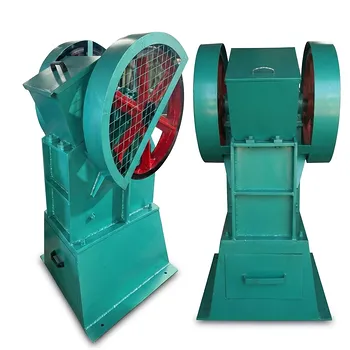
Sealed Jaw Crusher for Laboratory Material Crushing and Sample Preparation
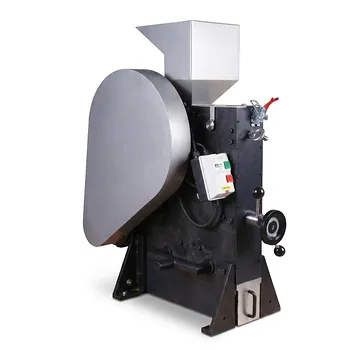
Heavy Duty Industrial Laboratory Jaw Crusher for Primary Sample Preparation and Hard Material Size Reduction
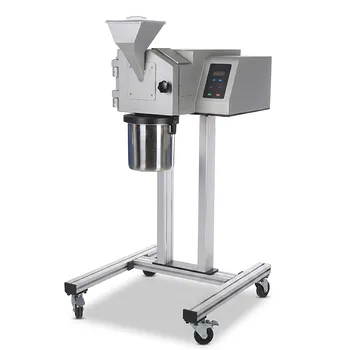
Cross Beater Mill for Brittle Material Grinding and Continuous Fine Crushing Industrial Sample Preparation
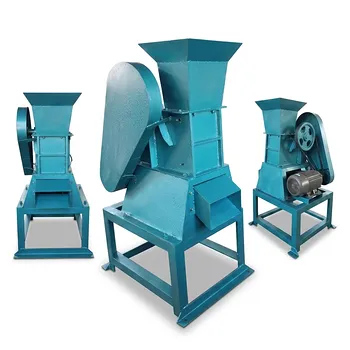
Custom Raised Height Laboratory Jaw Crusher for Precision Sample Preparation in Material Science
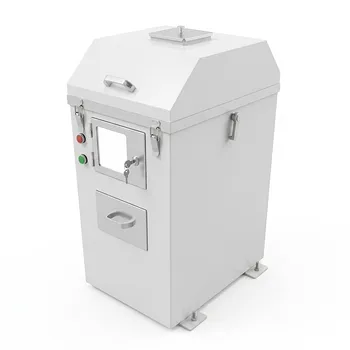
Sealed Double Roll Crusher for Laboratory Sample Preparation of Medium Hardness Materials
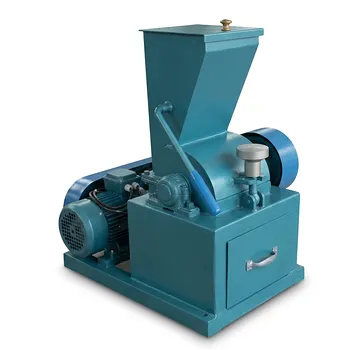
Small Hammer Crusher for Brittle Material Crushing in Mining Metallurgy and Lab Sample Preparation
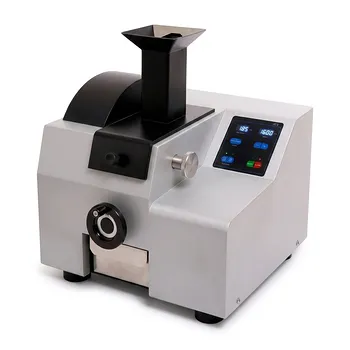
Laboratory Benchtop Jaw Crusher for Hard Brittle Materials Primary Size Reduction and Sample Preparation
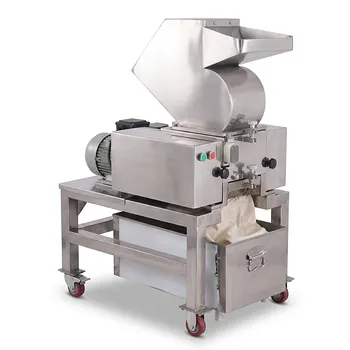
Stainless Steel Coarse Crusher for Pharmaceutical Food and Plastic Material Processing
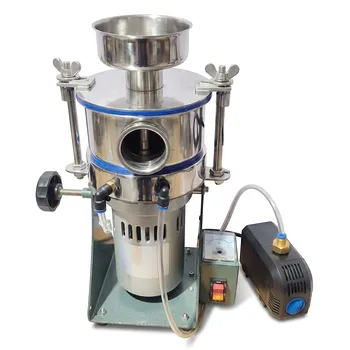
Water Cooled Airflow Ultra Fine Grinder for Low Temperature Material Processing
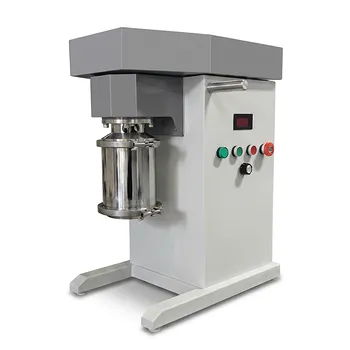
Nano Laboratory Bead Mill Desktop Sub Micron Sand Mill Screenless Seal Less Powder Grinder
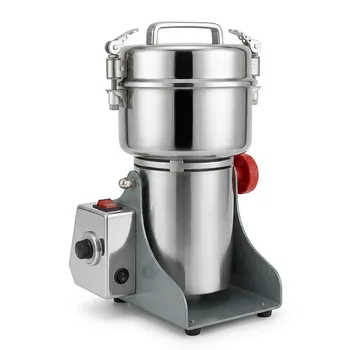
Versatile Industrial Crusher for Laboratory Crushing and Material Processing
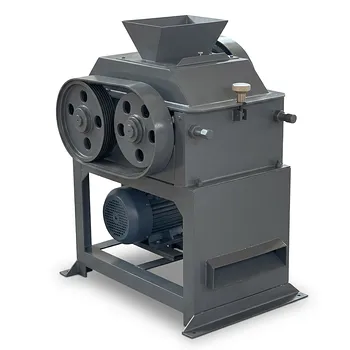
Sealed Laboratory Double Roll Crusher for Coal, Mineral, Ore Sample Preparation
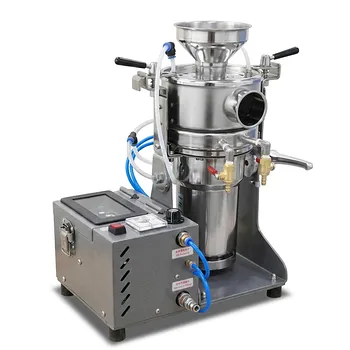
Water Cooled Pulse Jet Ultrafine Grinder
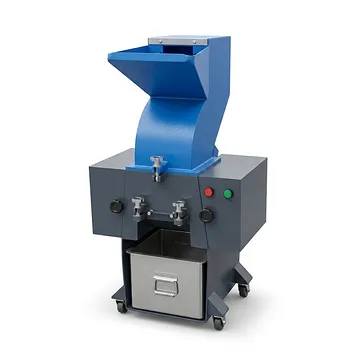
Heavy-Duty Crusher for Laboratory and Industrial Material Size Reduction