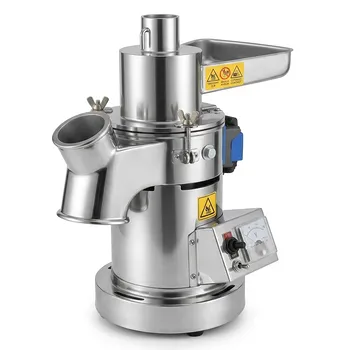
What roles do high-energy powder mixing and in-situ fibrillation play in dry electrode manufacturing? Optimize Performance
Updated 4 months ago
High-energy powder mixing and in-situ fibrillation equipment are the critical mechanical drivers that replace chemical solvents in dry electrode production. High-energy mixing ensures a precise distribution of active materials and conductive agents within a binder matrix. In-situ fibrillation then applies mechanical shear to transform that binder—typically PTFE—into a microscopic "web" that provides the electrode's structural integrity and adhesion.
These technologies transition battery manufacturing from a liquid-based coating process to a solid-state mechanical assembly. This shift allows for thicker electrodes and higher energy density while significantly reducing the manufacturing footprint by eliminating drying ovens.
The Essential Function of High-Energy Powder Mixing
Achieving Uniform Component Distribution
The primary goal of this equipment is to blend the active material and conductive agents into a perfectly uniform dry powder. High-energy mixing prevents "clumping," ensuring that conductive paths are established consistently throughout the entire volume of the electrode.
Preparing the Binder for Transformation
This stage distributes the PTFE binder granules evenly among the other powders. Proper distribution is vital because the subsequent fibrillation process depends on the binder being present at every contact point within the mixture.
The Transformative Power of In-Situ Fibrillation
Creating a Three-Dimensional Fiber Network
Specialized equipment applies mechanical shear to the dry mixture, forcing the PTFE granules to elongate into microscopic fibers. This "in-situ" transformation creates a 3D scaffold that physically traps and secures the active material particles without using liquid adhesives.
Structural Binding and Current Collector Adhesion
The resulting fiber network acts as a structural glue that maintains the electrode's shape as a self-supporting film. This network also facilitates the physical bond between the active material and the current collector during the final manufacturing phases.
Understanding the Trade-offs and Technical Challenges
Precision Control of Shear Forces
Excessive shear can "over-fibrillate" the binder, leading to a brittle electrode that may crack during handling or battery cycling. Conversely, insufficient shear results in poor mechanical strength and high internal resistance due to a lack of contact between active materials.
Limits of Material Compatibility
Currently, this process is heavily reliant on PTFE, which may not be compatible with every battery chemistry. Finding alternative binders that fibrillate under similar conditions is an ongoing challenge for the industry.
Implementing Dry Electrode Equipment in Your Process
To successfully integrate these technologies, you must align equipment capabilities with your specific production targets.
- If your primary focus is increasing energy density: Prioritize in-situ fibrillation equipment that supports ultra-thick electrode layers, as this process removes the physical limitations of solvent evaporation.
- If your primary focus is reducing operational costs: Focus on high-energy mixing efficiency to ensure a "first-pass" uniform blend, minimizing the energy and time required for downstream processing.
- If your primary focus is environmental compliance: Use the elimination of toxic solvents and energy-heavy drying ovens as the core metric for calculating your facility's reduced carbon footprint.
Mastering the mechanical interaction between powder mixing and fiber formation is the definitive step toward a more sustainable and high-performance battery future.
Summary Table:
| Process Step | Primary Function | Key Outcome |
|---|---|---|
| High-Energy Mixing | Distributes active materials, conductive agents, and binder | Homogeneous dry powder blend |
| In-Situ Fibrillation | Applies mechanical shear to elongate PTFE binder | 3D fiber scaffold for structural integrity |
| Post-Processing | Eliminates solvent drying ovens | Thicker electrodes and reduced carbon footprint |
Revolutionize Your Battery Manufacturing with Advanced Powder Solutions
Transitioning to solvent-free dry electrode production requires precision equipment that masters mechanical shear and material uniformity. We provide complete laboratory sample preparation solutions for material science, specializing in the powder processing and compaction technology needed to drive this innovation.
Our extensive product lineup is designed to support your R&D and production targets:
- Precision Mixing & Milling: High-energy powder mixers, planetary ball mills, jet mills, and cryogenic grinders for perfect binder distribution.
- Advanced Compaction: A full spectrum of hydraulic presses, including Cold/Warm Isostatic Presses (CIP/WIP), vacuum hot presses, and standard lab presses for electrode forming.
- Material Preparation: Industrial-grade crushers, sieve shakers, and defoaming mixers to ensure material purity and consistency.
Enhance your energy density and reduce operational costs with our expert-engineered solutions. Contact our technical team today to find the right equipment for your process!
References
- Patrick S. Grant, Denis Cumming. Roadmap on Li-ion battery manufacturing research. DOI: 10.1088/2515-7655/ac8e30
Mentioned Products
- High Efficiency Vacuum Planetary Centrifugal Mixer and Defoaming Machine for Industrial Material Research and Precise Laboratory Powder Dispersion
- Multi Dimensional Universal Mixer for High Uniformity Powder Blending
- Industrial Planetary Centrifugal Vacuum Defoaming Mixer for High Viscosity Paste and Powder Homogenization
- V-Type Powder Mixer for Uniform Blending of Dry Powders and Granules
- Inclined Mixer for Homogeneous Powder Blending and Grinding
People Also Ask
- Why is a planetary centrifugal mixer recommended for geopolymer slurries? Achieve high-shear, air-free homogenization.
- What core functions does a planetary centrifugal mixer perform? Optimize Hard Carbon Anode Slurry & Degassing
- Why is a planetary centrifugal mixer utilized for wood powder and HPMC? Achieve uniform dispersion & rapid defoaming.
- What role does a planetary centrifugal mixer play in flexible sensor inks? Achieve Nano-Scale Homogenization
- What is the role of a planetary centrifugal mixer in preparing DCPD resin-based matrices? Ensure Flawless Homogeneity

Tech Team · PowderPreparation
Last updated on Jun 03, 2026
Related Products
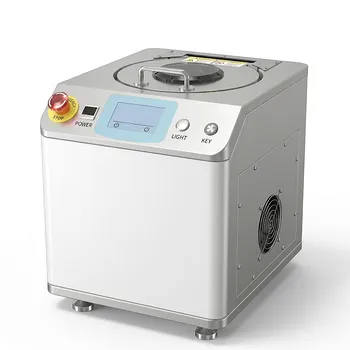
High Efficiency Vacuum Planetary Centrifugal Mixer and Defoaming Machine for Industrial Material Research and Precise Laboratory Powder Dispersion
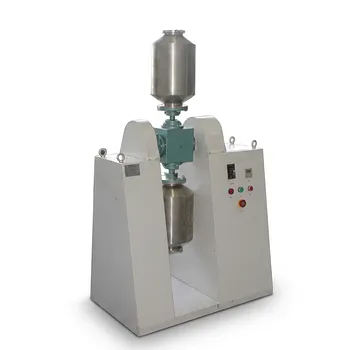
Multi Dimensional Universal Mixer for High Uniformity Powder Blending
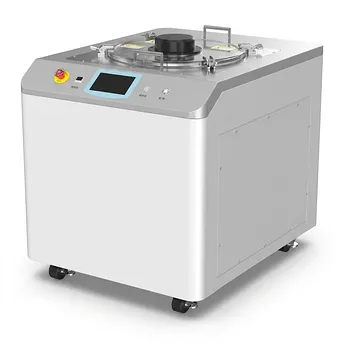
Industrial Planetary Centrifugal Vacuum Defoaming Mixer for High Viscosity Paste and Powder Homogenization
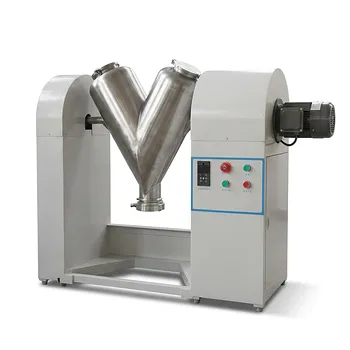
V-Type Powder Mixer for Uniform Blending of Dry Powders and Granules
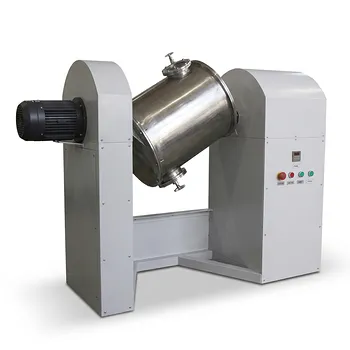
Inclined Mixer for Homogeneous Powder Blending and Grinding
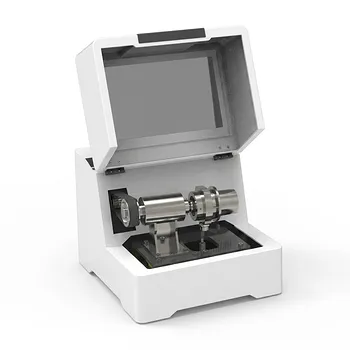
Single Tank High Energy Vibratory Ball Mill for Laboratory Grinding and Mixing
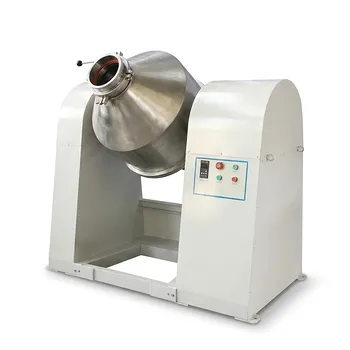
Industrial Double Cone Mixer for Powder Blending and Homogeneous Mixing
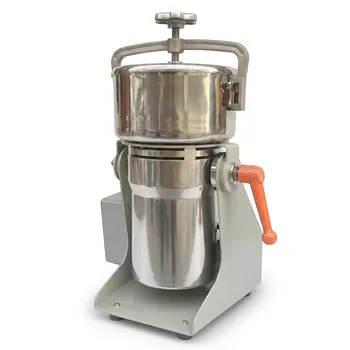
High Speed Laboratory Grinder Efficient Stainless Steel Powder Pulverizer Universal Material Science Mill for Sample Preparation
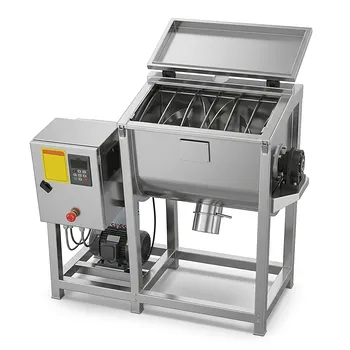
Horizontal Ribbon Mixer for Uniform Powder and Slurry Mixing
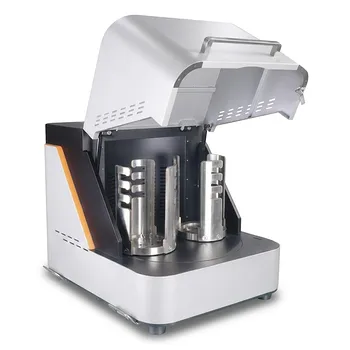
High Energy Laboratory Planetary Ball Mill for Nano Grinding and Colloidal Mixing of Hard and Brittle Materials
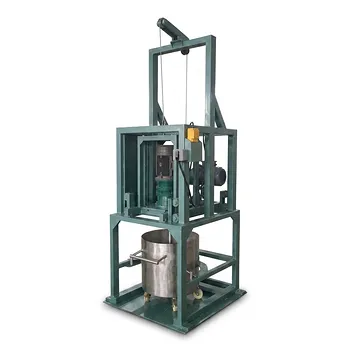
High-Speed Simple Disperser for Efficient Mixing, Dispersion, and Emulsification
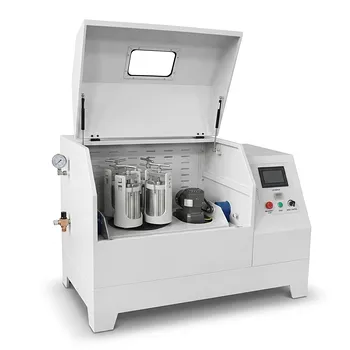
Vertical Production Planetary Ball Mill for High Throughput Powder Processing
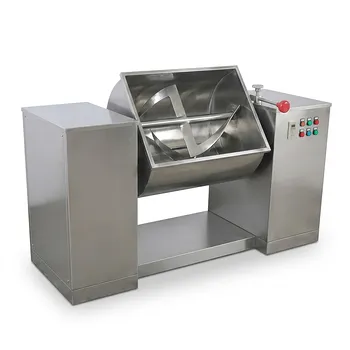
Horizontal Trough Mixer for Uniform Powder and Paste Blending
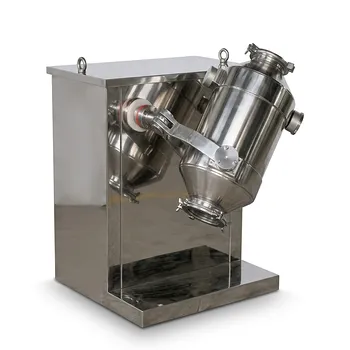
Three-Dimensional Motion Mixer for Laboratory Powder and Granule Blending
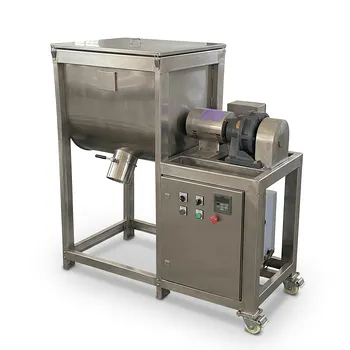
Horizontal Ribbon Mixer for Dry Powder and Slurry Blending
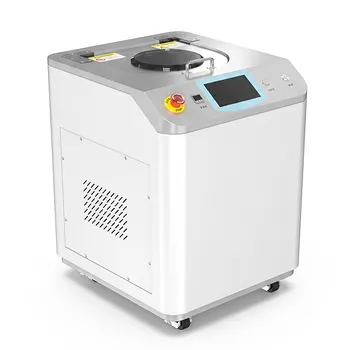
High Speed Vacuum Planetary Centrifugal Mixer and Defoamer for Industrial Paste Processing
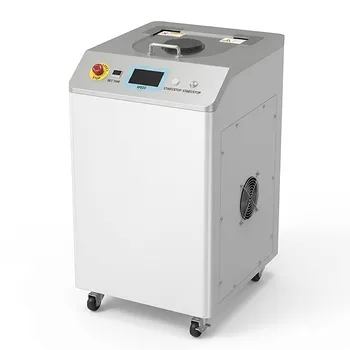
High Viscosity Planetary Centrifugal Vacuum Mixer for Material Defoaming and Uniform Mixing
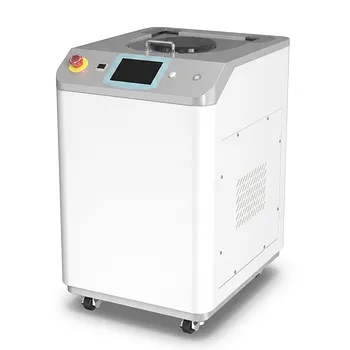
High Viscosity Planetary Centrifugal Mixing and Vacuum Defoaming Machine for Laboratory Material Preparation
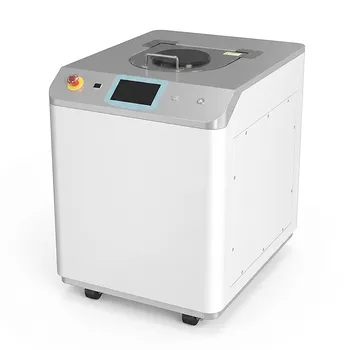
Industrial Planetary Centrifugal Vacuum Defoaming Mixer for High Viscosity Paste and Advanced Material Science