What role does mechanical crushing equipment play in the preparation of wheat straw biosorbents? Maximize Adsorption
Updated 5 months ago
Mechanical crushing equipment serves as the essential catalyst for physical activation in biosorbent production. It transforms raw wheat straw into a high-surface-area fine powder, a process that exponentially increases the number of available binding sites for pollutant removal. This mechanical reduction is fundamental to maximizing both the chemical adsorption and physical entrapment capabilities of the resulting biosorbent.
Mechanical crushing is not merely a preparation step; it is a structural optimization process that directly dictates the efficiency of wheat straw biosorbents by maximizing the interface between the biomass and target pollutants.
The Physical Transformation of Wheat Straw
Increasing Specific Surface Area
The primary role of crushing equipment is to reduce the macro-structure of straw into micron-sized particles. This drastic increase in specific surface area per unit of mass allows for significantly greater contact between the biomass and the contaminated solution.
Exposing Active Binding Sites
The raw outer layer of wheat straw often acts as a barrier to efficient adsorption. Mechanical grinding breaks these physical boundaries, revealing the internal lignocellulosic matrix where the majority of active binding sites are located.
Enhancing Adsorption Mechanisms
Improving Mechanical Entrapment
Finer powders created by crushing equipment provide more intricate pathways for fluid to navigate. This physical structure enhances the mechanical entrapment of pollutants, catching molecules within the porous network of the powder.
Boosting Chemical Adsorption Capacity
By increasing the accessibility of internal functional groups, crushing ensures that chemical interactions occur more rapidly. This is particularly vital for the removal of complex pollutants like Methylene Blue dye, which require direct access to chemical docking sites on the straw’s surface.
Understanding the Trade-offs
Particle Size vs. Energy Consumption
While ultra-fine grinding maximizes surface area, it also significantly increases energy consumption and operational costs. Producers must balance the performance gains of smaller particles against the diminishing returns of excessive processing.
Hydraulic Conductivity and Clogging
In practical applications like filtration columns, extremely fine powders can lead to high pressure drops or clogging. Achieving the "ideal" grind requires considering how the biosorbent will be deployed in a real-world aqueous environment.
Applying This to Your Biosorbent Project
Choosing the right degree of mechanical processing depends entirely on your specific filtration requirements and economic constraints.
- If your primary focus is Maximum Removal Efficiency: Prioritize high-intensity grinding to produce the finest powder possible, maximizing the exposure of all potential active binding sites.
- If your primary focus is System Flow Rate: Optimize for a larger, more uniform particle size to prevent clogging and maintain high hydraulic conductivity in flow-through systems.
- If your primary focus is Industrial Scalability: Implement a multi-stage crushing process that balances energy input with the specific surface area requirements of your target pollutant.
By strategically leveraging mechanical crushing equipment, you turn agricultural waste into a high-performance tool for environmental remediation.
Summary Table:
| Key Parameter | Impact of Mechanical Crushing | Benefit for Biosorbents |
|---|---|---|
| Surface Area | Drastic increase via micronization | Maximizes contact between biomass and pollutants |
| Structural Matrix | Breaks outer straw barriers | Reveals internal lignocellulosic active binding sites |
| Adsorption Speed | Increases accessibility of functional groups | Accelerates chemical docking for dyes and toxins |
| Physical Structure | Creates intricate porous pathways | Enhances mechanical entrapment within the network |
| Process Balance | Controls particle size distribution | Optimizes trade-off between efficiency and flow rate |
Optimize Your Biosorbent Research with Precision Sample Prep
Achieving the perfect particle size is critical for maximizing the efficiency of your wheat straw biosorbents. Whether you are aiming for high-intensity grinding to expose active sites or uniform sizing for filtration columns, our equipment provides the control you need.
Our Expertise in Material Science: At [Company Name], we provide complete laboratory sample preparation solutions. We specialize in high-performance powder processing and compaction equipment designed for rigorous research environments. Our product lines include:
- Size Reduction: Jaw/roll crushers and high-energy mills (planetary ball, jet, disc, and rotor mills).
- Specialized Grinding: Liquid nitrogen cryogenic grinders for heat-sensitive biomass.
- Classification: Sieve shakers (vibratory/air-jet) with precision test sieves.
- Mixing & Pelleting: Powder mixers, defoaming mixers, and a full spectrum of hydraulic presses (Standard, CIP/WIP, XRF, and Vacuum Hot Presses).
Ready to elevate your environmental remediation projects?
Contact our technical team today to find the ideal crushing and milling solution for your material processing needs.
References
- Sheetal Kumari, Manoj Chandra Garg. Introducing machine learning model to response surface methodology for biosorption of methylene blue dye using Triticum aestivum biomass. DOI: 10.1038/s41598-023-35645-z
Mentioned Products
- 250x400mm Jaw Crusher Medium Crushing Equipment for Mining Mineral Sample Preparation
- Horizontal Jaw Crusher Medium Hard Material Crushing Laboratory Sample Preparation Equipment
- Versatile Industrial Crusher for Laboratory Crushing and Material Processing
- Horizontal Double Roll Crusher for Medium Fine Crushing of Coal Limestone and Ores
- Heightened Customized Laboratory Double Roll Crusher for Coal Ore Rock Crushing
People Also Ask
- What is the role of jaw or roll crushers in the initial processing of copper ore samples? Essential Prep for Analysis
- What is the function of a jaw crusher in reservoir sediment geopolymer synthesis? Primary Size Reduction Explained
- What is the primary function of a jaw crusher in RAC raw materials? Efficient Resource Recovery & Sample Preparation
- What is the primary role of a laboratory jaw crusher in the initial stages of tin and tantalum ore reprocessing? Explained
- What is the role of a laboratory jaw crusher in the initial preparation of silicate-type low-grade copper ore?

Tech Team · PowderPreparation
Last updated on May 14, 2026
Related Products
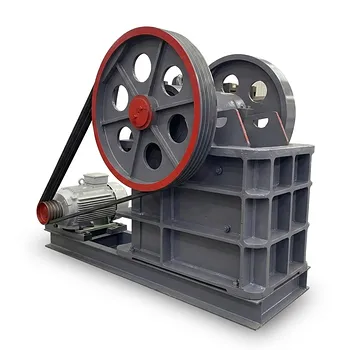
250x400mm Jaw Crusher Medium Crushing Equipment for Mining Mineral Sample Preparation
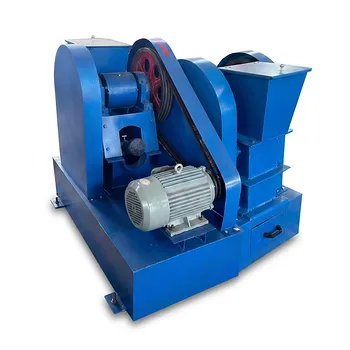
Horizontal Jaw Crusher Medium Hard Material Crushing Laboratory Sample Preparation Equipment
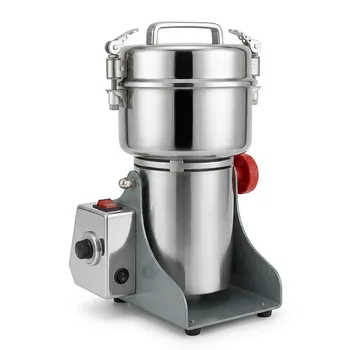
Versatile Industrial Crusher for Laboratory Crushing and Material Processing
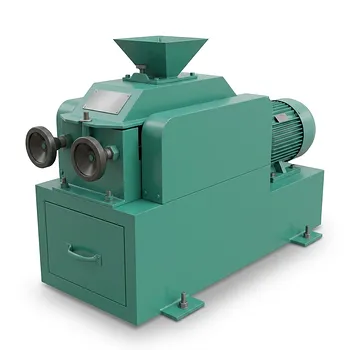
Horizontal Double Roll Crusher for Medium Fine Crushing of Coal Limestone and Ores
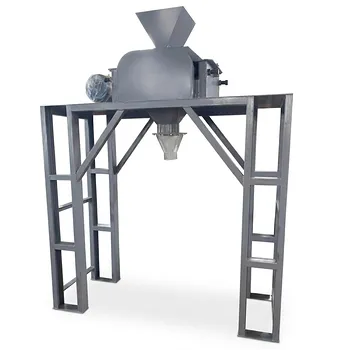
Heightened Customized Laboratory Double Roll Crusher for Coal Ore Rock Crushing
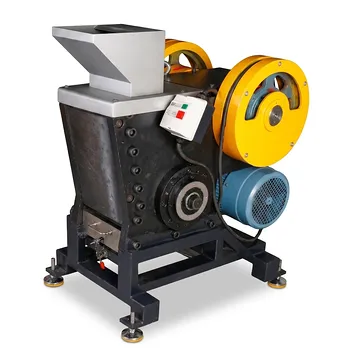
Heavy Duty Industrial Jaw Crusher for Primary Ore Crushing and High Capacity Mineral Material Size Reduction
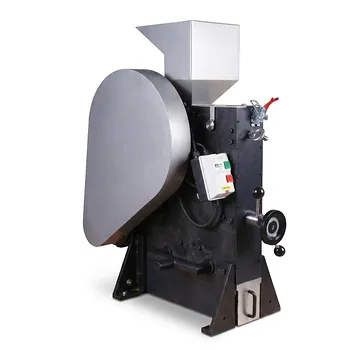
Heavy Duty Industrial Laboratory Jaw Crusher for Primary Sample Preparation and Hard Material Size Reduction
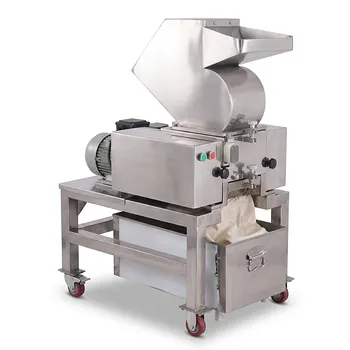
Stainless Steel Coarse Crusher for Pharmaceutical Food and Plastic Material Processing
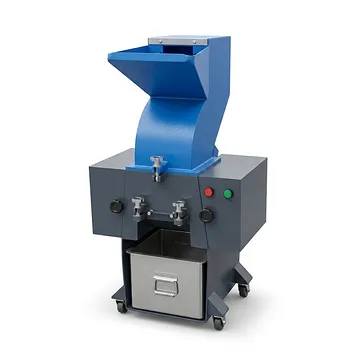
Heavy-Duty Crusher for Laboratory and Industrial Material Size Reduction
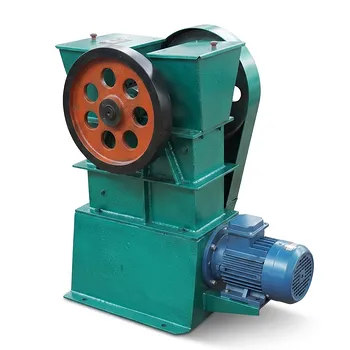
150×125mm Laboratory Jaw Crusher for Medium and Fine Crushing of Brittle Materials
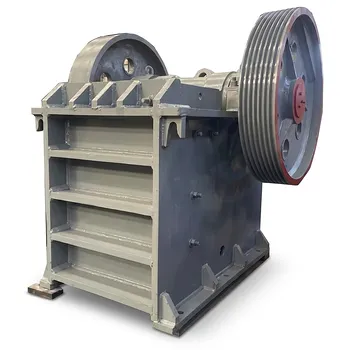
Heavy-Duty Jaw Crusher for Medium-Hard Ore and Industrial Mineral Crushing
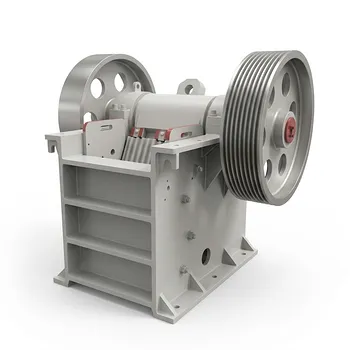
Jaw Crusher with 400x600mm Feed Opening for Primary Rock Crushing in Mining and Construction
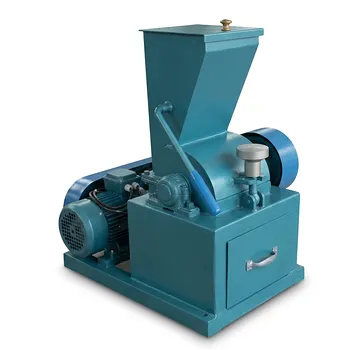
Small Hammer Crusher for Brittle Material Crushing in Mining Metallurgy and Lab Sample Preparation
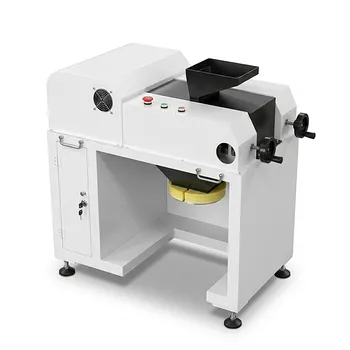
Precision Toothed Roll Crusher for Laboratory Coal and Mineral Sample Preparation
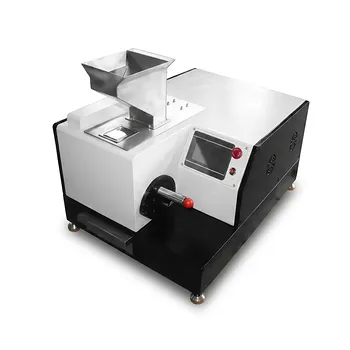
Experimental Jaw Crusher for Laboratory Ore Crushing and Sample Preparation
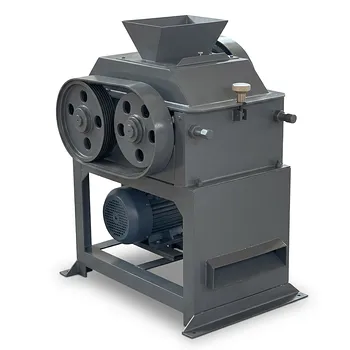
Sealed Laboratory Double Roll Crusher for Coal, Mineral, Ore Sample Preparation
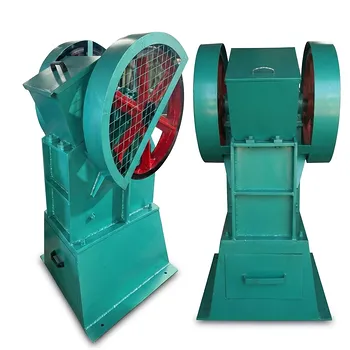
Sealed Jaw Crusher for Laboratory Material Crushing and Sample Preparation
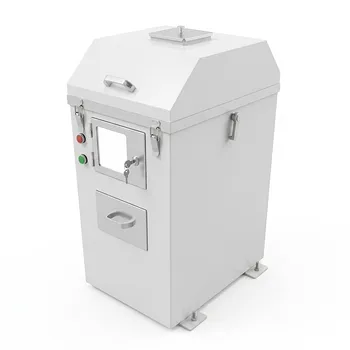
Sealed Double Roll Crusher for Laboratory Sample Preparation of Medium Hardness Materials
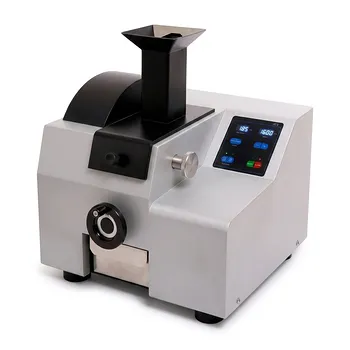
Laboratory Benchtop Jaw Crusher for Hard Brittle Materials Primary Size Reduction and Sample Preparation