What role does a micronizing mill play in Li6/16Sr7/16Ta3/4Hf1/4O3 electrolyte prep? Ensure Phase Purity & Homogeneity
Updated 5 months ago
The micronizing mill is the primary tool for achieving the microscopic homogeneity required to synthesize high-purity electrolytes. It utilizes high-frequency mechanical shearing and grinding to refine pre-calcined powders into a sub-micron state. This process ensures that lithium, strontium, tantalum, and hafnium components are perfectly distributed, which is essential for forming a single-phase perovskite structure during subsequent high-temperature sintering.
The core role of a micronizing mill is to transform heterogeneous raw materials into a uniform, high-surface-area precursor. This eliminates impurity phases and ensures the final Li6/16Sr7/16Ta3/4Hf1/4O3 electrolyte achieves its theoretical ionic conductivity.
Achieving Microscopic Homogeneity
Overcoming Multi-Component Complexity
The synthesis of Li6/16Sr7/16Ta3/4Hf1/4O3 (LSTH) involves four distinct metallic elements with varying atomic weights and chemical properties. A micronizing mill uses intense mechanical energy to force these components into intimate contact. This prevents the "clumping" of individual oxides, which would otherwise lead to localized chemical imbalances.
Increasing Specific Surface Area
By reducing particles to a sub-micron or ultra-fine scale, the mill significantly increases the specific surface area of the powder. Larger surface areas provide more contact points between the reactant particles. This increased contact is the driving force behind the interfacial diffusion required for efficient solid-state reactions.
Breaking Down Crystal Lattices
The high-frequency vibration and impact of grinding media, such as stainless steel or ceramic balls, can mechanically activate the precursors. This process begins to break down the crystal lattices of the raw materials before they even enter the furnace. This mechanical energy lowers the thermal energy threshold required for the perovskite phase to form.
Enabling Phase Purity in Perovskites
Preventing Impurity Phase Segregation
Without sufficient milling, secondary phases or "impurities" often emerge during the sintering process. These impurities act as barriers to lithium-ion transport, significantly degrading the performance of the electrolyte. The homogeneity provided by the micronizing mill ensures that the reaction path leads directly to the desired single-phase perovskite.
Facilitating Rapid Solid-State Kinetics
Because the particles are extremely fine and well-mixed, the diffusion distances for ions during sintering are minimized. This allows for the fast synthesis of the target phase, often at lower temperatures or shorter dwell times than would be possible with hand-mixed powders.
Preparing for Accurate Characterization
In addition to synthesis, micronizing is critical for the post-synthesis analysis of the electrolyte. Refining the powder eliminates "preferred orientation" effects during X-ray diffraction (XRD) testing. This ensures that the data used to verify the perovskite structure is statistically representative and accurate.
Understanding the Trade-offs
Risk of Material Contamination
The high-energy nature of micronizing mills introduces the risk of wear-induced contamination from the grinding media or the mill jar. If stainless steel media is used, iron or chromium may leach into the electrolyte, potentially altering its electrochemical properties. Using high-purity zirconia or alumina media is often necessary to mitigate this risk.
Thermal Heat Generation
High-frequency mechanical shearing generates significant heat within the milling chamber. For sensitive lithium-based precursors, excessive heat can lead to the volatilization of lithium or unwanted side reactions. To manage this, many processes utilize wet milling with aids like ethanol or methanol to dissipate heat and prevent particle agglomeration.
Amorphization of Precursors
While breaking down lattices is beneficial for reactivity, over-milling can lead to excessive amorphization, where the long-range order of the crystal is lost. This can sometimes make the subsequent sintering behavior unpredictable. Balancing milling time and energy is crucial to achieving the "sweet spot" of high reactivity without total structural degradation.
Applying This to Your Electrolyte Project
Recommendations for Process Optimization
Selecting the right milling parameters is vital for the successful preparation of LSTH perovskites. The choice depends on whether your priority is phase purity, speed, or material throughput.
- If your primary focus is phase purity: Utilize wet milling with an analytical-grade solvent (like ethanol) and high-purity zirconia media to prevent contamination and ensure sub-micron uniformity.
- If your primary focus is rapid synthesis: Employ high-frequency vibratory milling (at 30 Hz or higher) to maximize mechanical activation and induce interfacial diffusion before sintering.
- If your primary focus is accurate characterization: Ensure the sample is milled until it is an ultra-fine powder to eliminate preferred orientation and obtain high-quality XRD patterns for Rietveld refinement.
The micronizing mill serves as the bridge between raw chemical components and a high-performance, single-phase solid-state electrolyte.
Summary Table:
| Key Role | Technical Mechanism | Impact on Electrolyte Quality |
|---|---|---|
| Microscopic Homogeneity | High-frequency mechanical shearing | Ensures single-phase perovskite structure |
| Surface Area Enhancement | Ultra-fine particle reduction | Increases interfacial diffusion & ionic conductivity |
| Mechanical Activation | Crystal lattice breakdown | Lowers sintering temperature & reaction time |
| Phase Purity | Eliminating chemical imbalances | Prevents impurity phases that block ion transport |
Elevate Your Material Research with Precision Powder Solutions
Achieving the perfect perovskite structure for Li6/16Sr7/16Ta3/4Hf1/4O3 electrolytes requires more than just mixing—it requires precise mechanical control. At [Your Brand Name], we provide complete laboratory sample preparation solutions tailored for material science and solid-state battery research.
From refining precursors to final compaction, our specialized equipment ensures your materials meet theoretical performance standards:
- Advanced Milling: Our range includes high-energy planetary ball mills, jet mills, and rotor mills for sub-micron homogeneity.
- Sample Preparation: Precision crushers (jaw/roll), liquid nitrogen cryogenic grinders, and vibratory sieve shakers for consistent particle size distribution.
- Compaction Excellence: A full spectrum of hydraulic presses, including Cold/Warm Isostatic Presses (CIP/WIP), vacuum hot presses, and standard lab presses for high-density pellet formation.
- Mixing Solutions: Specialized powder and defoaming mixers to eliminate localized chemical imbalances.
Ready to optimize your electrolyte synthesis? Contact our technical experts today to find the ideal equipment for your laboratory's specific needs.
References
- Danyi Sun, Kevin Huang. Synthesis and Characterization of Impurity‐Free Li<sub>6/16</sub>Sr<sub>7/16</sub>Ta<sub>3/4</sub>Hf<sub>1/4</sub>O<sub>3</sub> Perovskite as a Solid‐State Lithium‐Ion Conductor. DOI: 10.1002/ente.202201455
Mentioned Products
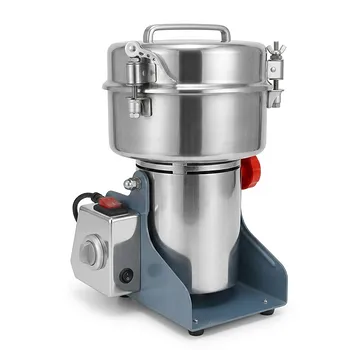
- Laboratory Desktop Ultra Fine Powder Grinder High Speed Micronizing Pulverizer
- Water Cooled Pulse Jet Ultrafine Grinder
- High Throughput Micro Ball Mill for Cryogenic Grinding and Laboratory Cell Disruption
- Nano Laboratory Bead Mill Desktop Sub Micron Sand Mill Screenless Seal Less Powder Grinder
- Laboratory Micro Vibration Grinding Mill for Trace Sample Preparation
People Also Ask
- What role does a laboratory grinder play in the pretreatment of sunflower seed shell-based adsorbents? Boost Efficiency.
- How does a laboratory grinder or mill enhance the adsorption performance of agricultural waste materials? Boost Surface Area
- What is the function of a laboratory high-speed pulverizer in the preparation of eggshell powder? Essential Pretreatment
- Why is high-efficiency ultra-fine grinding required for Portland cement before XRD? Get Accurate Rietveld Results
- What is the function of a laboratory pulverizer in Boerhavia diffusa-based adsorbent prep? Maximize Surface Area

Tech Team · PowderPreparation
Last updated on May 14, 2026
Related Products
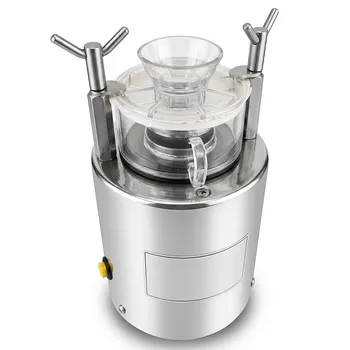
Laboratory Desktop Ultra Fine Powder Grinder High Speed Micronizing Pulverizer
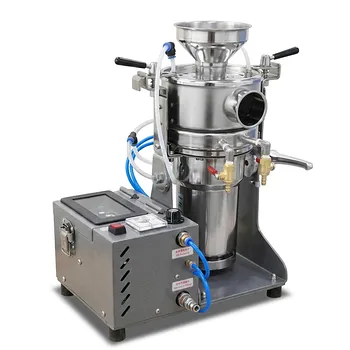
Water Cooled Pulse Jet Ultrafine Grinder
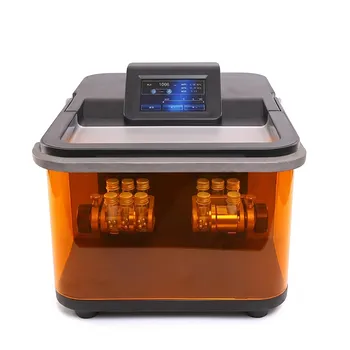
High Throughput Micro Ball Mill for Cryogenic Grinding and Laboratory Cell Disruption
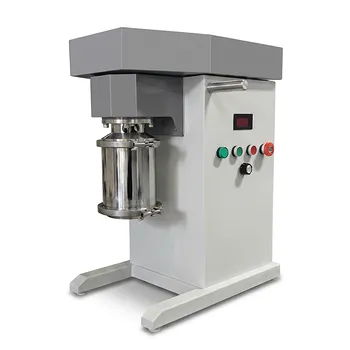
Nano Laboratory Bead Mill Desktop Sub Micron Sand Mill Screenless Seal Less Powder Grinder
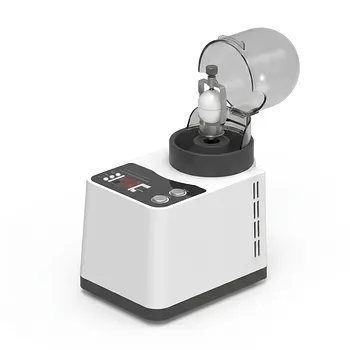
Laboratory Micro Vibration Grinding Mill for Trace Sample Preparation
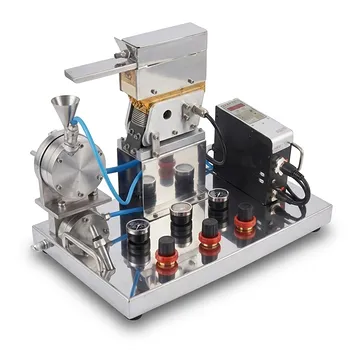
Benchtop Micro Air Jet Mill for Ultrafine Grinding of High Value Powders
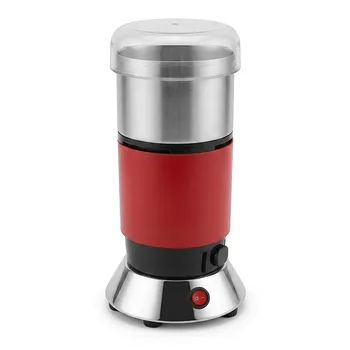
Micro Solid Sample Grinder High Speed Pulverizer for Laboratory Small Batch Grinding
Mass Production Nano Sand Mill for Industrial Nanomaterial Grinding and Dispersion
Small Ceramic Structure Laboratory Sand Mill Nanoscale Grinding Dispersion Equipment Seal-less Screen-less Design
Laboratory Small Horizontal Sand Mill for Nano Materials Wet Grinding

High Energy Planetary Ball Mill for Nano Scale Grinding and Mechanical Alloying
Small Laboratory Colloid Mill for Ultra-Fine Wet Grinding and Emulsification

Miniature Planetary Ball Mill with Vacuum Grinding and High Efficiency for Laboratory Sample Preparation

Vertical Square Planetary Ball Mill for Laboratory Sample Preparation and Nanoscale Grinding
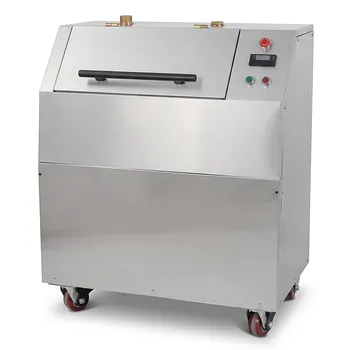
Vibratory Disc Mill for Rapid Fine Grinding and High Throughput Sample Preparation of Hard and Brittle Materials
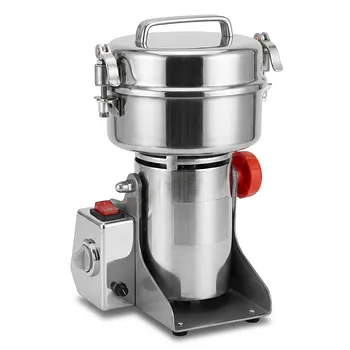
High Speed Laboratory Powder Grinder Small Batch Sample Preparation Mill
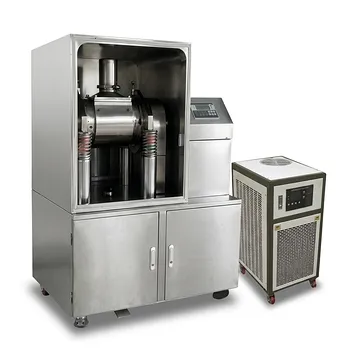
Small Vibrating Ultrafine Grinder for Traditional Chinese Medicine
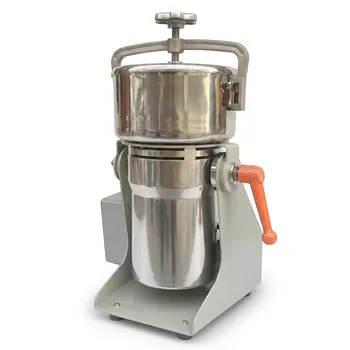
High Speed Laboratory Grinder Efficient Stainless Steel Powder Pulverizer Universal Material Science Mill for Sample Preparation
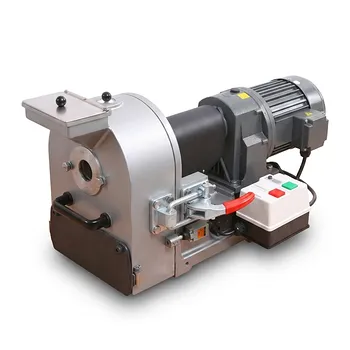
Laboratory Disc Mill for Fine Sample Preparation of Hard and Brittle Materials