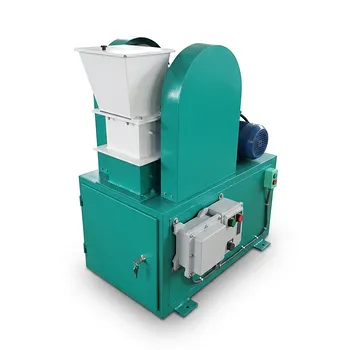
What role does a laboratory jaw crusher play in the preliminary preparation of barium silicate glass powder?
Updated 4 months ago
In the preparation of barium silicate glass powder, the laboratory jaw crusher serves as the primary tool for coarse size reduction. It transforms centimeter-sized raw glass frit into a manageable feed material with a particle size of less than 1000 micrometers. This critical first step ensures the material is sufficiently reduced for subsequent fine-grinding processes, such as ball milling, while maintaining a uniform particle size distribution.
Core Takeaway: The laboratory jaw crusher bridges the gap between raw, bulk glass frit and fine powder by providing a controlled, initial reduction to sub-millimeter levels, which is essential for efficient downstream milling and chemical purity.
The Mechanics of Primary Crushing in Glass Processing
Compressive Fracture and Size Control
A laboratory jaw crusher operates by utilizing mechanical compression within a V-shaped chamber. One jaw remains stationary while the other moves cyclically, crushing the glass frit against the fixed plate until the fragments are small enough to pass through the bottom opening.
Precision Adjustment of the Discharge Gap
The gap between the internal jaw plates is adjustable, allowing researchers to precisely control the final output size. For barium silicate glass, this gap is typically tuned to ensure the centimeter-sized frit is broken down repeatedly until it reaches the target sub-1000 micrometer threshold.
Achieving Particle Size Uniformity
By reducing large, irregular glass blocks into a consistent aggregate, the jaw crusher ensures sample representativeness. This uniformity is vital for the stability of the entire grinding circuit, preventing "over-sized" particles from entering and potentially damaging or slowing down fine-grinding equipment.
Why Preliminary Crushing is Essential for Barium Silicate
Optimizing the Downstream Milling Circuit
Ball mills and other fine-grinding tools are highly efficient at processing small particles but are often ineffective at breaking down large, centimeter-sized chunks. The jaw crusher performs the "heavy lifting," providing an appropriately sized feed that maximizes the efficiency and speed of the subsequent fine-milling stages.
Safeguarding Chemical Purity
Barium silicate glass often requires high levels of purity for specialized applications. Laboratory jaw crushers used for this purpose often feature controlled material selection for the crushing components (such as tungsten carbide or high-purity alumina) to minimize the introduction of metallic impurities during the fracture process.
Ensuring Continuity of the Grinding Process
Without a preliminary crushing stage, the transition from raw material to fine powder becomes erratic. The jaw crusher provides a stable and repeatable starting point, ensuring that the final barium silicate powder meets the strict particle size requirements needed for chemical analysis or industrial application.
Understanding the Trade-offs
Limitations in Minimum Particle Size
While a jaw crusher is excellent for coarse reduction, it cannot produce the ultra-fine powders (micron or sub-micron range) required for final glass applications. It is strictly a pre-treatment tool, and attempting to force it to produce finer material can lead to equipment wear or material contamination.
Risk of Metallic Contamination
If standard steel jaw plates are used, there is a significant risk of iron contamination leaching into the barium silicate glass. Users must weigh the cost of specialized jaw materials against the purity requirements of their specific glass formulation.
Noise and Dust Generation
The crushing of brittle glass frit generates significant noise and fine dust. This necessitates the use of safety enclosures or dust extraction systems to protect the laboratory environment and ensure the health of the operator.
How to Apply This to Your Project
Recommendations for Equipment Use
- If your primary focus is high chemical purity: Select jaw plates made from tungsten carbide or zirconia to prevent iron or chrome contamination from standard steel.
- If your primary focus is high throughput efficiency: Ensure the jaw crusher gap is set slightly above the maximum feed size requirement of your ball mill to prevent clogging and excessive wear.
- If your primary focus is particle size uniformity: Process the glass frit in multiple passes, gradually narrowing the jaw gap to achieve a tighter size distribution.
By integrating a laboratory jaw crusher as a foundational step, you ensure a highly controlled, efficient, and pure pathway from raw glass frit to refined barium silicate powder.
Summary Table:
| Feature | Function & Impact |
|---|---|
| Primary Goal | Coarse reduction of centimeter-sized frit to <1000 µm |
| Downstream Value | Protects fine-milling tools and optimizes grinding speed |
| Purity Control | Tungsten carbide/alumina jaws prevent iron contamination |
| Size Uniformity | Adjustable discharge gap ensures stable feed for ball mills |
Optimize Your Glass Powder Preparation Today
Achieve uncompromising purity and precise particle size control with our specialized laboratory equipment. At [Your Brand Name], we provide complete laboratory sample preparation solutions for material science, specializing in advanced powder processing and compaction.
From our high-performance laboratory jaw and roll crushers to planetary ball mills, jet mills, and liquid nitrogen cryogenic grinders, we offer the tools necessary to transform raw materials into high-quality powders. For your final processing needs, we also manufacture a full spectrum of Cold/Warm Isostatic Presses (CIP/WIP), vacuum hot presses, and XRF pellet presses.
Whether you are a researcher focused on chemical purity or a distributor looking for reliable OEM/ODM support, our team is ready to enhance your workflow.
Contact our experts for a tailored solution!
References
- Boris Agea‐Blanco, Ralf Müller. Sintering and Foaming of Barium Silicate Glass Powder Compacts. DOI: 10.3389/fmats.2016.00045
Mentioned Products
- 150×125mm Laboratory Jaw Crusher for Medium and Fine Crushing of Brittle Materials
- 150x250mm Laboratory Jaw Crusher for Medium Hard Material Crushing and Sample Preparation
- Laboratory Jaw Crusher 200x300mm Opening for Primary Crushing of Ores and Aggregates
- Laboratory Small Jaw Crusher 100x60mm
- Small Laboratory Jaw Crusher 150x200mm Feed Opening for Sample Preparation and Medium Fine Crushing
People Also Ask
- What is the primary function of a laboratory jaw crusher? Master Initial Hard Rock Ore Preparation & Feed Sizing
- What is the role of a laboratory jaw crusher in the initial preparation of silicate-type low-grade copper ore?
- What is the primary role of a laboratory jaw crusher in the initial stages of tin and tantalum ore reprocessing? Explained
- Why is a laboratory jaw crusher necessary for processing biomass materials? Essential Prep for Material Science
- What is the primary function of a laboratory jaw crusher in the pretreatment process of galena ore? Initial Prep Guide

Tech Team · PowderPreparation
Last updated on Jun 03, 2026
Related Products
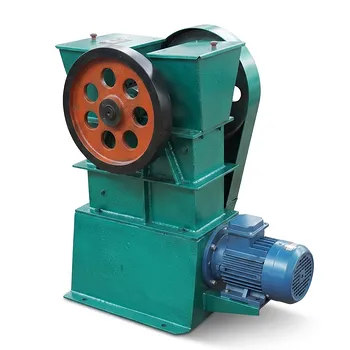
150×125mm Laboratory Jaw Crusher for Medium and Fine Crushing of Brittle Materials
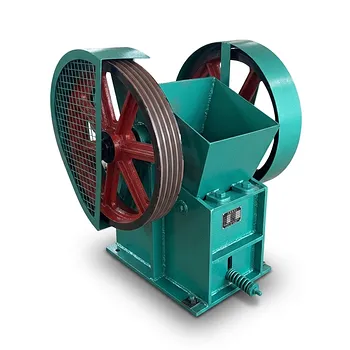
150x250mm Laboratory Jaw Crusher for Medium Hard Material Crushing and Sample Preparation
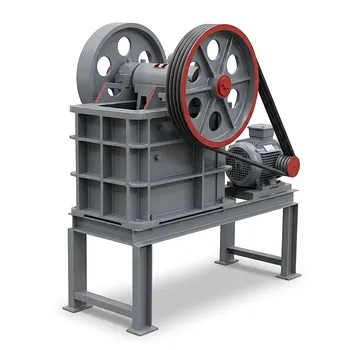
Laboratory Jaw Crusher 200x300mm Opening for Primary Crushing of Ores and Aggregates
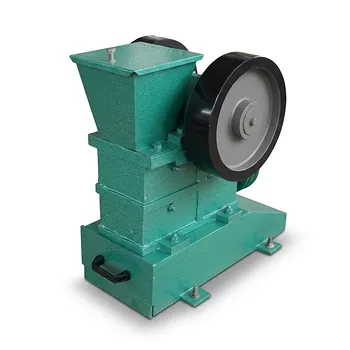
Laboratory Small Jaw Crusher 100x60mm
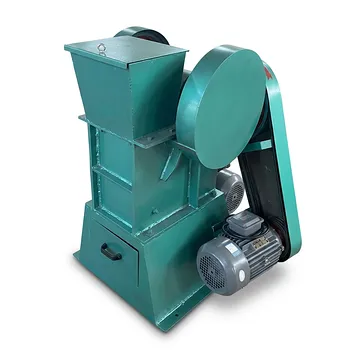
Small Laboratory Jaw Crusher 150x200mm Feed Opening for Sample Preparation and Medium Fine Crushing
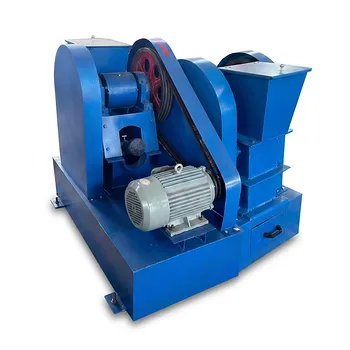
Horizontal Jaw Crusher Medium Hard Material Crushing Laboratory Sample Preparation Equipment
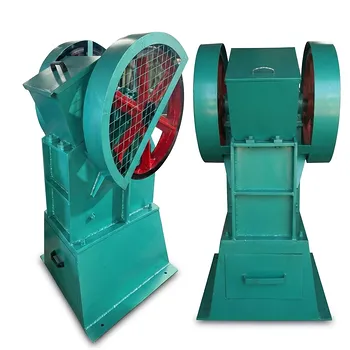
Sealed Jaw Crusher for Laboratory Material Crushing and Sample Preparation
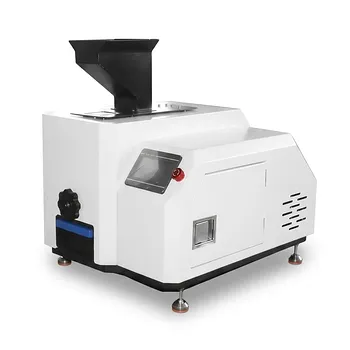
Laboratory Jaw Crusher 2025 Model for Ore and Brittle Material Crushing
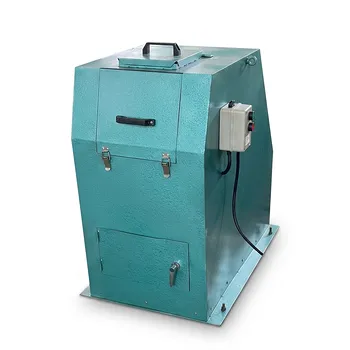
Environmentally Friendly Sealed Laboratory Jaw Crusher for Sample Preparation
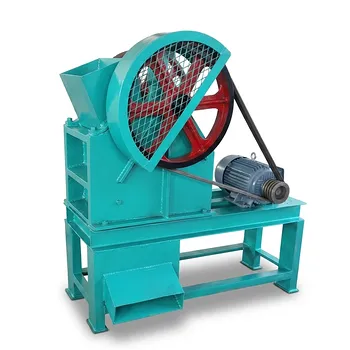
150x250mm Custom Laboratory Jaw Crusher for Coal Ore Mineral Crushing
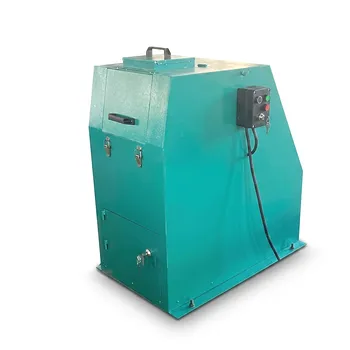
Environmentally Friendly Sealed Jaw Crusher for Laboratory Sample Preparation
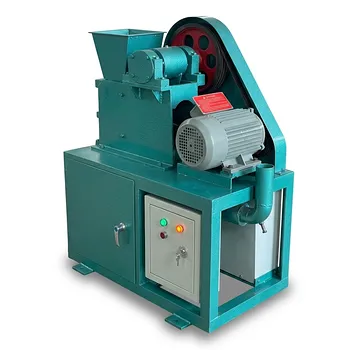
EP-B Type Sealed Jaw Crusher for Laboratory Sample Preparation
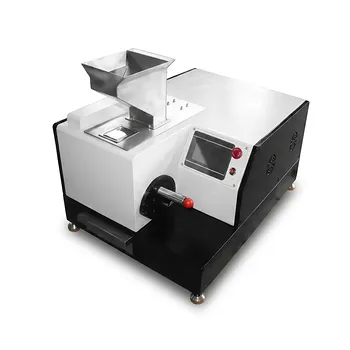
Experimental Jaw Crusher for Laboratory Ore Crushing and Sample Preparation
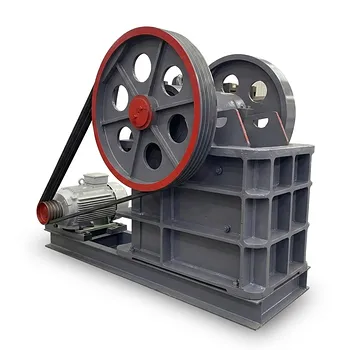
250x400mm Jaw Crusher Medium Crushing Equipment for Mining Mineral Sample Preparation
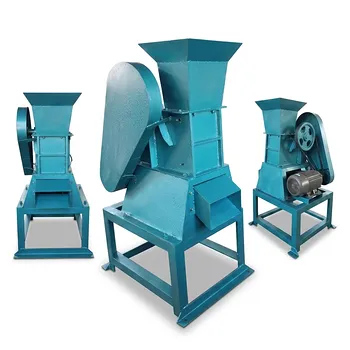
Custom Raised Height Laboratory Jaw Crusher for Precision Sample Preparation in Material Science
Small Laboratory Jaw Crusher 125x100mm Feed Opening for Sample Preparation
Heavy Duty Industrial Laboratory Jaw Crusher for Primary Sample Preparation and Hard Material Size Reduction
EP Series Small Jaw Crusher for Laboratory Sample Preparation
Laboratory Benchtop Jaw Crusher for Hard Brittle Materials Primary Size Reduction and Sample Preparation