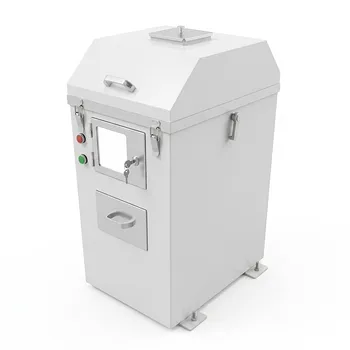
What role do small-scale crushers play in the preparation of reclaimed asphalt pavement (RAP)? Enhance RAP Consistency
Updated 4 months ago
Small-scale crushers serve as the critical first link in the reclaimed asphalt pavement (RAP) supply chain by reducing large, irregular asphalt chunks into standardized particle sizes. This pre-treatment step typically breaks material down to a range between 1.5 inches and 2 inches, ensuring that subsequent sieving tests are accurate and the final mixture maintains a uniform gradation. By transforming bulk waste into a discrete, granulated state, these crushers provide the necessary physical foundation for RAP to be reused effectively in new pavement or concrete matrices.
Small-scale crushing is an essential pre-treatment process that restores bulk asphalt waste to a discrete particle state. This standardization is vital for ensuring predictable mechanical properties and material uniformity in recycled construction projects.
Optimizing Material Gradation and Uniformity
Achieving Precise Particle Size Distribution
The primary role of the crusher is to reduce oversized asphalt blocks into a specific size range, often targeting 1.5 to 2 inches. This reduction is necessary to ensure that the material can be effectively handled by downstream processing equipment and integrated into new mixtures.
Ensuring Accuracy in Laboratory Testing
By reducing the material to a consistent size, small-scale crushers allow for accurate sieving tests. Without this step, large chunks would skew gradation results, leading to errors in the design of the asphalt mix and compromising the structural integrity of the final product.
Enhancing Mixture Consistency
Uniformity is the hallmark of high-quality RAP. Crushers help eliminate the variability inherent in stripped pavement, ensuring that the recycled aggregates blend seamlessly with fresh materials to create a stable, predictable skeletal structure.
Restoring Physical Properties through Dissociation
Structural Dissociation of Waste Asphalt
Crushing and milling equipment works to dissociate the original pavement structure. This process breaks the bonds of the old compacted mixture, returning the asphalt and aggregate to a discrete, flowable state that behaves like a raw material rather than a solid waste block.
Facilitating Fine Aggregate Replacement
When processed correctly, RAP can serve as a fine aggregate replacement for sand in concrete and other matrices. Achieving a maximum particle size—sometimes as fine as 4.75mm—is made possible by adjusting the crushing gap on industrial jaw crushers to meet specific drainage or structural requirements.
Controlling Aggregate Shape and Quality
Beyond mere size reduction, the crushing process influences the geometric characteristics of the particles. Operators can adjust the discharge opening size to control the shape of the aggregates, which is crucial for achieving the proper interlocking mechanism in a new pavement layer.
Understanding the Trade-offs and Pitfalls
The Risk of Excessive Fines
One of the most significant risks in small-scale crushing is over-processing the material. If the crushing gap is too tight or the material is cycled too many times, it can create an excess of "fines" (dust-like particles) that negatively impact the binder-to-aggregate ratio in the final mix.
Equipment Wear and Maintenance
Asphalt is naturally abrasive, and reclaimed pavement often contains contaminants like road salt or debris. This leads to high wear rates on crusher jaws and liners, requiring a disciplined maintenance schedule to prevent downtime and ensure consistent output size.
Balancing Throughput and Precision
There is often a tension between the need for high-volume processing and the need for precision. While larger industrial crushers prioritize speed, small-scale crushers are valued for their ability to provide the precise pre-treatment required for standardized testing and high-spec applications.
How to Apply This to Your Project
When integrating small-scale crushing into your RAP processing workflow, your approach should depend on the final application of the material.
- If your primary focus is Standardized Laboratory Testing: Use the crusher to reduce all material to a 1.5 to 2-inch range to ensure sieving accuracy and repeatable results.
- If your primary focus is Fine Aggregate Replacement: Adjust the crushing gap to a tighter setting, such as 4.75mm, to maximize the production of sand-sized particles suitable for concrete matrices.
- If your primary focus is Structural Pavement Stability: Prioritize the adjustment of the discharge opening to produce angular aggregates that will integrate effectively with fresh binder and stone.
By mastering the pre-treatment phase, you transform discarded asphalt from a waste product into a high-value, sustainable engineering asset.
Summary Table:
| Key Role | Primary Benefit | Target Particle Size |
|---|---|---|
| Pre-treatment | Ensures accurate lab sieving & testing | 1.5 - 2 inches |
| Structural Dissociation | Restores waste to flowable, discrete states | Adjustable |
| Fine Aggregate Prep | Enables sand replacement in concrete/matrices | ≤ 4.75 mm |
| Gradation Control | Optimizes skeletal structure & stability | Uniform Distribution |
| Shape Management | Controls particle geometry for interlocking | Variable Gap Settings |
Elevate Your Material Recovery with Precision Sample Prep
Transform your reclaimed asphalt pavement research with industry-leading laboratory equipment. As specialists in complete laboratory sample preparation solutions for material science, we provide the high-performance tools necessary to turn waste into high-value assets.
Our extensive product line is engineered for durability and precision, featuring:
- Crushers & Mills: Heavy-duty jaw and roll crushers, planetary ball mills, and jet mills for precise size reduction.
- Classification: Sieve shakers (vibratory/air-jet) and high-quality test sieves to ensure perfect gradation.
- Processing & Compaction: Advanced powder mixers, defoaming mixers, and a full spectrum of hydraulic presses, including CIP/WIP and Vacuum Hot Presses.
Whether you are aiming for precise laboratory testing or scaling up fine aggregate replacement, our equipment delivers the reliability your projects demand. Contact our technical experts today to find the perfect crushing and compaction solution for your material science needs!
References
- Diyanti, Sri Indah Setiyaningsih. Performance Analysis of Recycled Asphalt Material Foundation Layer and Top Foundation Layer Reviewed from Primary Displacement. DOI: 10.29303/jppipa.v10i11.9182
Mentioned Products
- Small Laboratory Jaw Crusher 150x200mm Feed Opening for Sample Preparation and Medium Fine Crushing
- EP Series Small Jaw Crusher for Laboratory Sample Preparation
- Laboratory Small Jaw Crusher 100x60mm
- Small Laboratory Jaw Crusher 125x100mm Feed Opening for Sample Preparation
- 150×125mm Laboratory Jaw Crusher for Medium and Fine Crushing of Brittle Materials
People Also Ask
- What is the primary role of a laboratory jaw crusher in the initial stages of tin and tantalum ore reprocessing? Explained
- What is the role of a laboratory jaw crusher in the initial preparation of silicate-type low-grade copper ore?
- What is the primary function of a laboratory jaw crusher? Master Initial Hard Rock Ore Preparation & Feed Sizing
- What is the primary function of a laboratory jaw crusher when processing low-grade copper ore? Expert Guide
- Why is a laboratory jaw crusher necessary for processing biomass materials? Essential Prep for Material Science

Tech Team · PowderPreparation
Last updated on Jun 03, 2026
Related Products
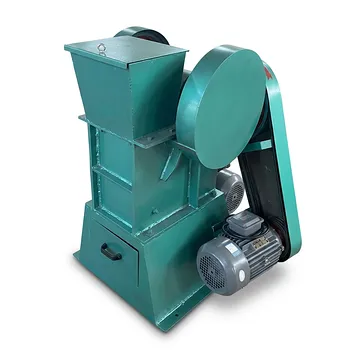
Small Laboratory Jaw Crusher 150x200mm Feed Opening for Sample Preparation and Medium Fine Crushing
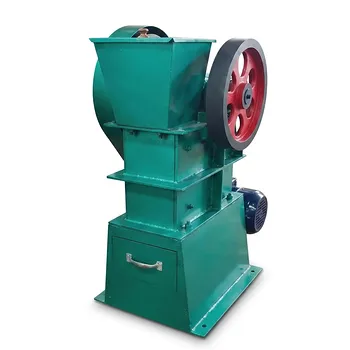
EP Series Small Jaw Crusher for Laboratory Sample Preparation
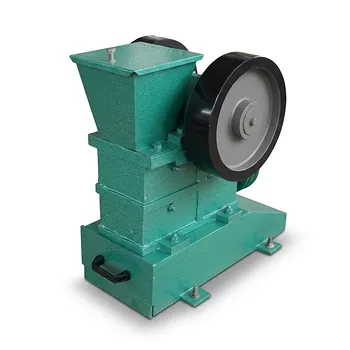
Laboratory Small Jaw Crusher 100x60mm
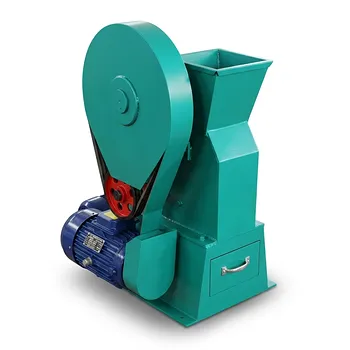
Small Laboratory Jaw Crusher 125x100mm Feed Opening for Sample Preparation
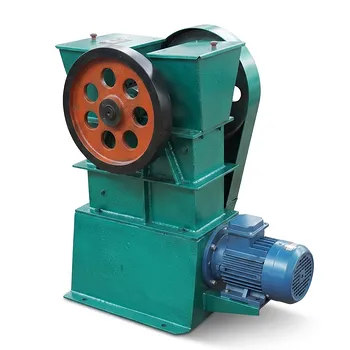
150×125mm Laboratory Jaw Crusher for Medium and Fine Crushing of Brittle Materials
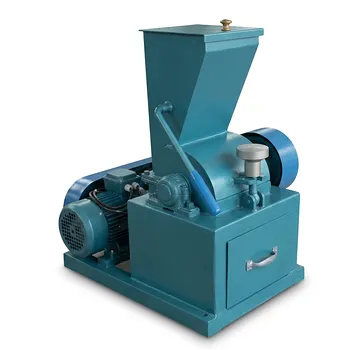
Small Hammer Crusher for Brittle Material Crushing in Mining Metallurgy and Lab Sample Preparation
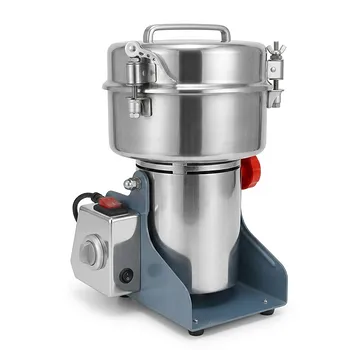
Small High-Speed Grinder for Efficient Laboratory Sample Preparation
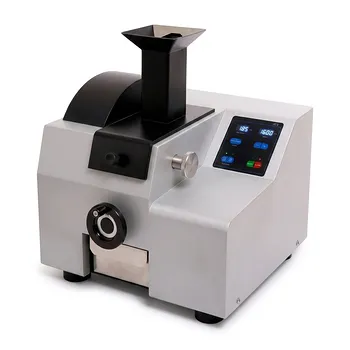
Laboratory Benchtop Jaw Crusher for Hard Brittle Materials Primary Size Reduction and Sample Preparation
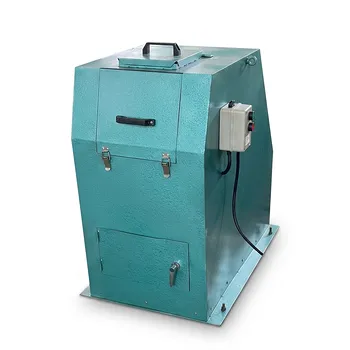
Environmentally Friendly Sealed Laboratory Jaw Crusher for Sample Preparation
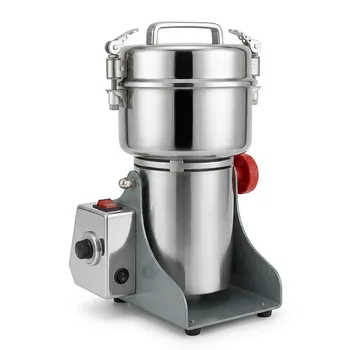
Versatile Industrial Crusher for Laboratory Crushing and Material Processing
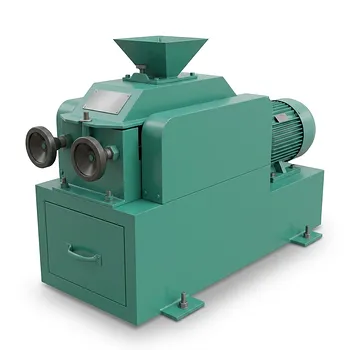
Horizontal Double Roll Crusher for Medium Fine Crushing of Coal Limestone and Ores
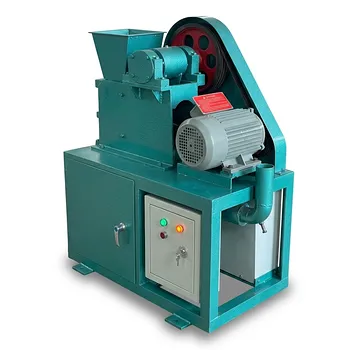
EP-B Type Sealed Jaw Crusher for Laboratory Sample Preparation
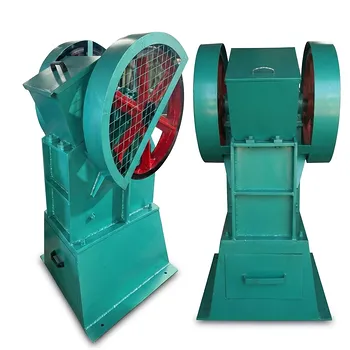
Sealed Jaw Crusher for Laboratory Material Crushing and Sample Preparation