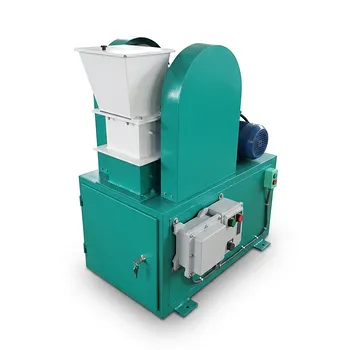
What role do jaw crushers and hammer mills play in CBA pretreatment for geopolymer? Enhance Your Material Reactivity
Updated 5 months ago
Jaw crushers and hammer mills serve as the essential two-stage mechanical pretreatment system for Coal Bottom Ash (CBA) in geopolymer production. They transform bulky, irregular waste aggregates into a fine, reactive powder suitable for chemical activation. This sequential reduction is critical because it ensures the material achieves the high surface area and uniform particle size necessary for the geopolymerization process to occur efficiently.
The pretreatment of CBA relies on a primary-to-secondary reduction strategy where jaw crushers provide bulk fragmentation and hammer mills perform fine grinding. This multi-stage approach is the prerequisite for transforming inert ash into a chemically active precursor for geopolymer binders.
The Mechanics of Primary Size Reduction
Initial Fragmentation with Jaw Crushers
The jaw crusher acts as the primary gatekeeper in the pretreatment workflow, handling raw CBA directly from the source. It utilizes powerful mechanical compression and shearing forces to break down large, irregular lumps of bottom ash into manageable granules.
Establishing a Feedstock Foundation
By converting large blocks of waste into smaller, uniform stones, the jaw crusher ensures the material can be processed by downstream equipment. This step is vital for maintaining a consistent material flow and preventing clogs in more sensitive secondary grinders.
Enhancing Processing Efficiency
Preliminary crushing significantly reduces the energy load on subsequent milling stages. By providing a "pre-treated" material with a moderate particle size, the jaw crusher allows the entire production line to operate with higher throughput and less mechanical stress.
Achieving Final Particle Reactivity
Secondary Grinding via Hammer Mills
Once the CBA is reduced to granules, the hammer mill takes over to perform fine grinding. This equipment uses high-speed impacts to pulverize the granules into the fine powder required for geopolymer synthesis.
Optimizing Surface Area for Activation
Geopolymerization is a surface-dependent chemical reaction that requires high reactivity. Hammer mills increase the total surface area of the CBA particles, allowing alkaline activators to penetrate the material more effectively and create stronger chemical bonds.
Preparation for Final Sieving
The fine output from the hammer mill is typically the final mechanical step before the material is sieved for specific gradations. This ensures that the CBA meets the exact laboratory or industrial specifications needed for high-performance geopolymer bricks or concrete.
Understanding the Trade-offs and Pitfalls
Equipment Wear and Abrasiveness
Coal Bottom Ash is inherently abrasive, which can lead to rapid wear on the internal plates of jaw crushers and the hammers in mills. Frequent maintenance and the use of high-strength alloy components are necessary to prevent downtime and maintain consistent particle output.
Energy Consumption vs. Fineness
There is a diminishing return on energy when grinding CBA to extreme fineness. While finer particles increase reactivity, the energy required to reach those levels can significantly raise the carbon footprint and cost of the final geopolymer product.
Moisture Content Interference
CBA often retains moisture from storage or cooling processes, which can cause "caking" inside hammer mills. If the ash is too wet during the pretreatment stage, it can reduce grinding efficiency and lead to uneven particle size distribution.
Applying Pretreatment to Your Production Goals
Recommendations for Implementation
To achieve the best results in geopolymer production, the pretreatment strategy must be aligned with the intended application of the final material.
- If your primary focus is Maximum Compressive Strength: Prioritize an extended secondary grinding stage in the hammer mill to ensure the highest possible surface area for chemical bonding.
- If your primary focus is High-Volume Throughput: Optimize the jaw crusher settings to produce the largest possible uniform grain size that the hammer mill can still process efficiently.
- If your primary focus is Cost-Efficiency: Implement a closed-circuit sieving system after the hammer mill to recirculate over-sized particles, reducing the need for excessive primary crushing.
Properly calibrated mechanical pretreatment is the most effective way to unlock the hidden cementitious potential of coal waste for sustainable construction.
Summary Table:
| Pretreatment Stage | Equipment | Mechanical Action | Primary Outcome |
|---|---|---|---|
| Primary Reduction | Jaw Crusher | Compression & Shearing | Fragments large lumps into manageable granules |
| Secondary Grinding | Hammer Mill | High-speed Impact | Pulverizes granules into fine, reactive powder |
| Final Processing | Sieve Shaker | Vibratory/Air-jet | Ensures precise particle size distribution |
Elevate Your Material Research with Precision Pretreatment Solutions
Unlocking the full potential of Coal Bottom Ash (CBA) requires more than just crushing—it requires a calibrated approach to particle size and reactivity. At [Company Name], we provide complete laboratory sample preparation solutions for material science, specializing in heavy-duty powder processing and compaction equipment.
Our extensive product lines are designed to handle the most abrasive materials, ensuring your research moves from waste to high-performance geopolymer binders with efficiency:
- Size Reduction: Heavy-duty Jaw and Roll Crushers, Liquid Nitrogen Cryogenic Grinders, and advanced Milling systems (Planetary Ball, Jet, Sand, Disc, and Rotor mills).
- Classification: Precision Sieve Shakers (Vibratory/Air-jet) and a full range of test sieves.
- Mixing: High-efficiency Powder Mixers and Defoaming Mixers.
- Compaction: A full spectrum of Hydraulic Presses, including Cold/Warm Isostatic Presses (CIP/WIP), XRF Pellet Presses, and Vacuum Hot Presses.
Ready to optimize your geopolymer production? Contact our technical experts today to find the ideal equipment configuration for your lab's specific needs!
References
- Sungil Hong, Hyo Kim. Effects of Microwave Energy on Fast Compressive Strength Development of Coal Bottom Ash-Based Geopolymers. DOI: 10.1038/s41598-019-52160-2
Mentioned Products
- 150x250mm Custom Laboratory Jaw Crusher for Coal Ore Mineral Crushing
- Small Laboratory Jaw Crusher 125x100mm Feed Opening for Sample Preparation
- 150x250mm Laboratory Jaw Crusher for Medium Hard Material Crushing and Sample Preparation
- Heavy Duty Industrial Jaw Crusher for Primary Ore Crushing and High Capacity Mineral Material Size Reduction
- 150×125mm Laboratory Jaw Crusher for Medium and Fine Crushing of Brittle Materials
People Also Ask
- What is the primary function of a laboratory jaw crusher? Master Initial Hard Rock Ore Preparation & Feed Sizing
- What is the role of a laboratory jaw crusher in the initial preparation of silicate-type low-grade copper ore?
- What is the primary role of a laboratory jaw crusher in the initial stages of tin and tantalum ore reprocessing? Explained
- What is the primary function of a laboratory jaw crusher when processing low-grade copper ore? Expert Guide
- What is the primary function of a laboratory jaw crusher in the pretreatment process of galena ore? Initial Prep Guide

Tech Team · PowderPreparation
Last updated on May 14, 2026
Related Products
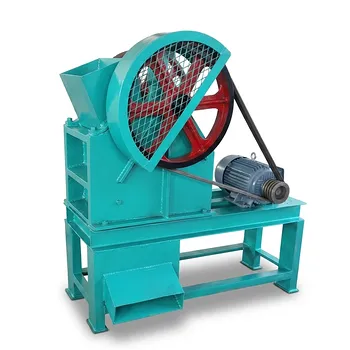
150x250mm Custom Laboratory Jaw Crusher for Coal Ore Mineral Crushing
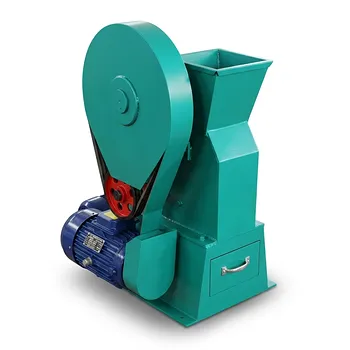
Small Laboratory Jaw Crusher 125x100mm Feed Opening for Sample Preparation
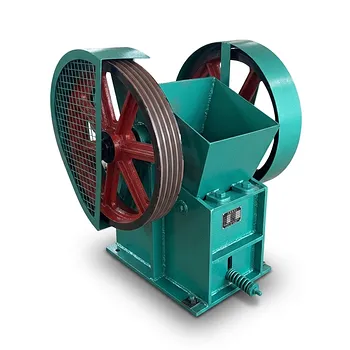
150x250mm Laboratory Jaw Crusher for Medium Hard Material Crushing and Sample Preparation
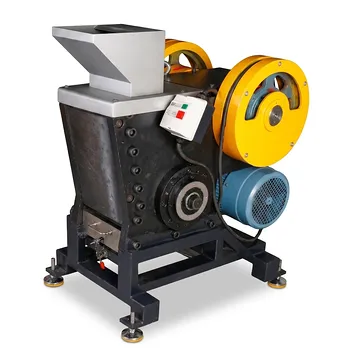
Heavy Duty Industrial Jaw Crusher for Primary Ore Crushing and High Capacity Mineral Material Size Reduction
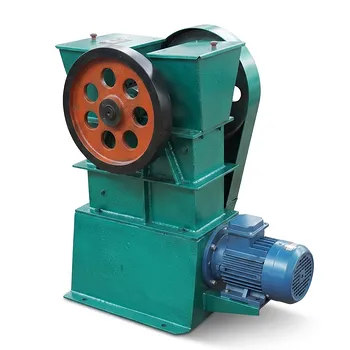
150×125mm Laboratory Jaw Crusher for Medium and Fine Crushing of Brittle Materials
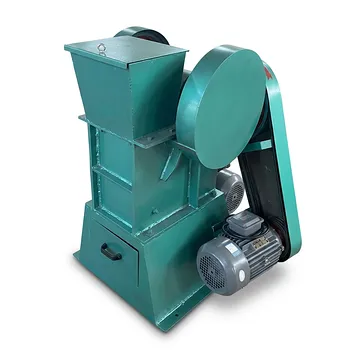
Small Laboratory Jaw Crusher 150x200mm Feed Opening for Sample Preparation and Medium Fine Crushing
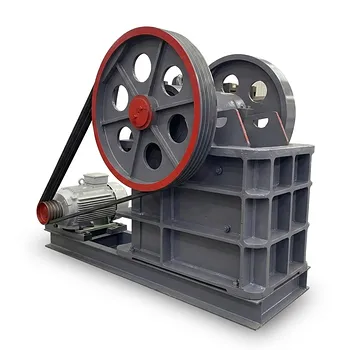
250x400mm Jaw Crusher Medium Crushing Equipment for Mining Mineral Sample Preparation
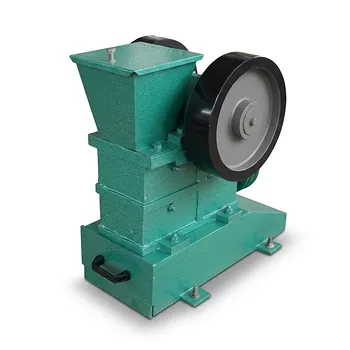
Laboratory Small Jaw Crusher 100x60mm
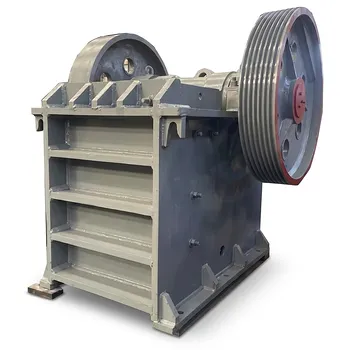
Heavy-Duty Jaw Crusher for Medium-Hard Ore and Industrial Mineral Crushing
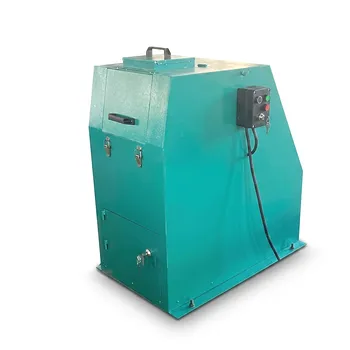
Environmentally Friendly Sealed Jaw Crusher for Laboratory Sample Preparation
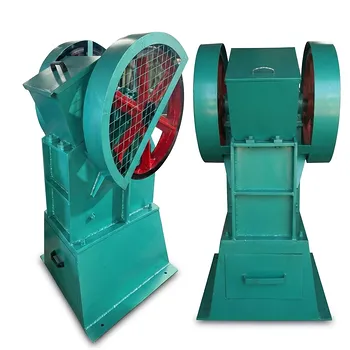
Sealed Jaw Crusher for Laboratory Material Crushing and Sample Preparation
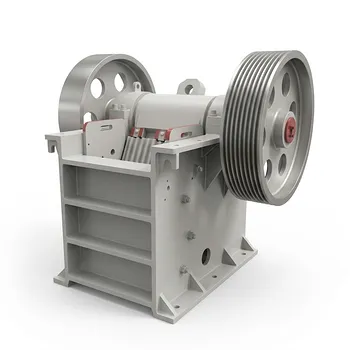
Jaw Crusher with 400x600mm Feed Opening for Primary Rock Crushing in Mining and Construction
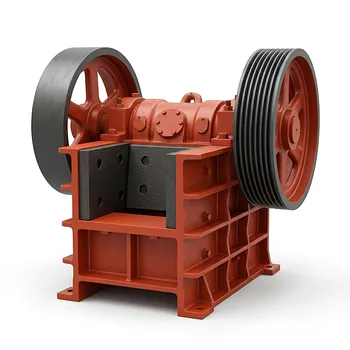
250x400 Jaw Crusher for Primary Crushing of Ores and Bulk Materials
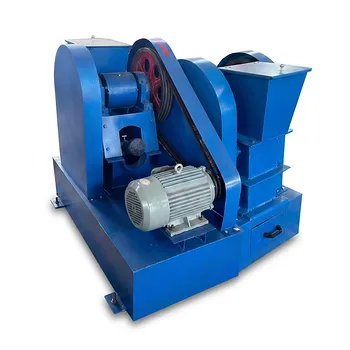
Horizontal Jaw Crusher Medium Hard Material Crushing Laboratory Sample Preparation Equipment
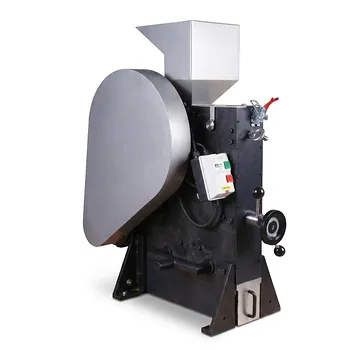
Heavy Duty Industrial Laboratory Jaw Crusher for Primary Sample Preparation and Hard Material Size Reduction
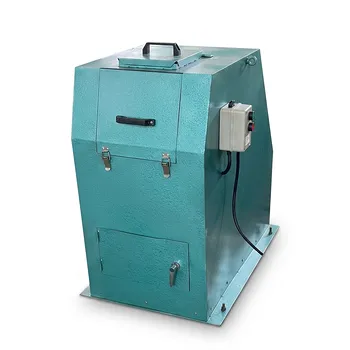
Environmentally Friendly Sealed Laboratory Jaw Crusher for Sample Preparation
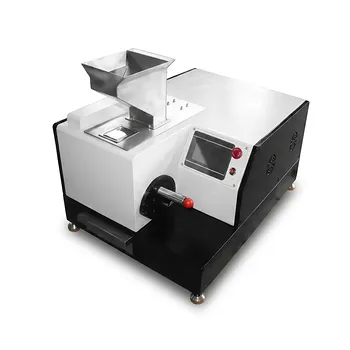
Experimental Jaw Crusher for Laboratory Ore Crushing and Sample Preparation
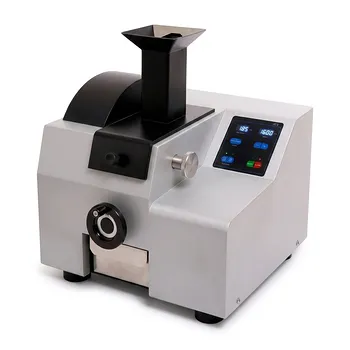
Laboratory Benchtop Jaw Crusher for Hard Brittle Materials Primary Size Reduction and Sample Preparation
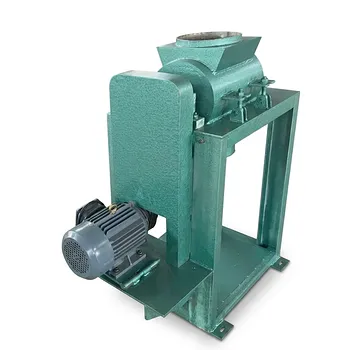
Customized Sealed Laboratory Hammer Crusher for Coal and Medium Hardness Sample Preparation