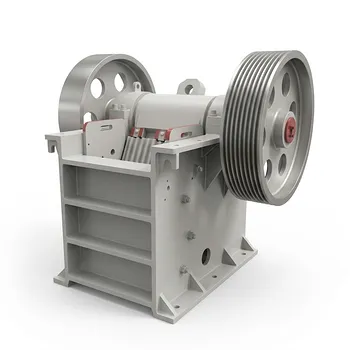
What role do industrial crushers play in nodulizer alloy preparation? Control Particle Size for Stable Mg Recovery
Updated 4 months ago
Industrial crushers transform bulk master alloys into precisely sized particles to control the volatile reaction of magnesium during ductile iron production. By pulverizing large casting alloys—such as Copper-Magnesium (Cu-Mg)—into specific size ranges, these machines ensure a predictable dissolution rate. This mechanical preparation is critical for maintaining the consistent metallurgical environment required to form spherical graphite nuclei.
Core Takeaway: Industrial crushers bridge the gap between bulk alloy production and precise ladle treatment, providing the particle size control necessary to stabilize magnesium recovery and ensure the structural integrity of ductile iron.
The Role of Size Reduction in Nodularization
Achieving Precise Particle Distributions
Industrial crushers are used to pulverize bulk casting alloys into specific particle size ranges required for ladle additions. This precision is not merely for ease of handling; it directly influences the kinetics of the chemical reaction when the alloy contacts molten iron.
Maximizing Magnesium Recovery
Controlled particle sizes ensure a stable dissolution rate, which is paramount when dealing with magnesium-bearing alloys. Consistent sizing prevents the alloy from reacting too violently or floating to the surface, thereby maximizing magnesium recovery and ensuring a uniform distribution throughout the melt.
Supporting Graphite Nuclei Formation
By maintaining a consistent dissolution environment, crushing equipment indirectly facilitates the formation of spherical graphite nuclei. This process, known as nodularization, is what gives ductile iron its unique mechanical properties, such as high strength and ductility.
Mechanical Mechanisms in Alloy Processing
Jaw Crushers for Primary Reduction
In the initial stage of processing, industrial jaw crushers utilize powerful mechanical pressure to reduce large blocks of raw alloy or ore. Similar to their use in iron ore processing, they break down materials that are 6 inches or larger into manageable feed sizes for secondary equipment.
Roll Crushers for Uniform Grading
Roll crushers are often employed when a more uniform particle size is required with minimal "fines" (excessively small dust particles). These machines use rotating cylinders to nip and compress the alloy, producing a standardized grain size that meets the tight specifications of modern foundries.
Transforming Waste into Resources
Beyond primary alloy production, these crushers play a role in resource recycling within the broader industrial ecosystem. Just as they convert concrete slabs into recycled aggregate, they can be used to process internal foundry returns or scrap alloys into usable charge materials.
Understanding the Trade-offs and Pitfalls
The Risk of Excessive Fines
One major pitfall in alloy crushing is the creation of excessive fines or dust. Particles that are too small react almost instantly with molten iron, causing "magnesium flare" and resulting in poor recovery rates and potential safety hazards.
Equipment Wear and Contamination
Crushing high-hardness master alloys places significant mechanical stress on jaw plates and rollers. If the equipment is not properly maintained or if the wrong liner material is used, there is a risk of cross-contamination, where wear particles from the crusher enter the alloy and degrade the purity of the ductile iron.
Balancing Throughput and Precision
While increasing the crushing ratio improves the standardization of the sample, it can also slow down production. Facilities must balance the need for high-volume output with the technical requirement for a narrow particle size distribution to ensure the alloy performs reliably in the ladle.
How to Apply This to Your Process
Making the Right Choice for Your Goal
To optimize your nodulizer preparation, consider the specific requirements of your foundry's treatment method.
- If your primary focus is consistent magnesium recovery: Prioritize roll crushers or secondary screening to ensure a narrow particle size distribution and eliminate volatile fines.
- If your primary focus is processing bulk master alloy ingots: Utilize a heavy-duty jaw crusher as the primary reduction stage to efficiently break down large castings before final sizing.
- If your primary focus is sustainable material recycling: Implement a multi-stage crushing circuit to transform internal scrap and slag into standardized aggregates for re-use or external sale.
Precise mechanical crushing is the foundation of predictable metallurgy, turning raw alloys into the calibrated tools required for high-quality ductile iron.
Summary Table:
| Equipment Type | Primary Role in Alloy Processing | Key Benefit for Ductile Iron |
|---|---|---|
| Jaw Crusher | Primary reduction of large master alloy ingots | Breaks down bulk material into manageable feed sizes |
| Roll Crusher | Secondary crushing for uniform grain sizing | Produces consistent particles with minimal volatile fines |
| Sieve Shaker | Classification and particle size distribution | Ensures a narrow size range for predictable dissolution |
| Powder Mixer | Homogenization of various alloy components | Guarantees uniform chemical distribution in the melt |
Optimize Your Material Preparation with Expert Solutions
Achieving precise metallurgical results starts with superior sample preparation. At [Brand Name], we provide complete laboratory and pilot-scale solutions for material science, specializing in high-performance powder processing and compaction equipment.
Our extensive range includes:
- Crushers & Mills: Heavy-duty jaw and roll crushers, planetary ball mills, jet mills, and cryogenic grinders for precise size reduction.
- Sizing & Mixing: Vibratory sieve shakers and high-efficiency powder/defoaming mixers for uniform alloy distribution.
- Compaction Technology: A full spectrum of hydraulic presses, including Cold/Warm Isostatic Presses (CIP/WIP), XRF pellet presses, and vacuum hot presses.
Whether you are refining nodulizer alloys or developing advanced ceramics, our equipment ensures the purity, consistency, and reliability your process demands. We offer robust support for researchers and distributors, including OEM/ODM capabilities.
Ready to enhance your lab's efficiency? Contact us today to find the perfect equipment for your workflow!
References
- D. M. Stefanescu, Ramón Suárez. Recent Developments in Understanding Nucleation and Crystallization of Spheroidal Graphite in Iron-Carbon-Silicon Alloys. DOI: 10.3390/met10020221
Mentioned Products
- Horizontal Jaw Crusher Medium Hard Material Crushing Laboratory Sample Preparation Equipment
- 150×125mm Laboratory Jaw Crusher for Medium and Fine Crushing of Brittle Materials
- Sealed Jaw Crusher for Laboratory Material Crushing and Sample Preparation
- 150x250mm Laboratory Jaw Crusher for Medium Hard Material Crushing and Sample Preparation
- 250x400 Jaw Crusher for Primary Crushing of Ores and Bulk Materials
People Also Ask
- What is the primary role of a laboratory jaw crusher in the initial stages of tin and tantalum ore reprocessing? Explained
- What is the primary function of a laboratory jaw crusher? Master Initial Hard Rock Ore Preparation & Feed Sizing
- What is the role of a laboratory jaw crusher in the initial preparation of silicate-type low-grade copper ore?
- Why is a laboratory jaw crusher necessary for processing biomass materials? Essential Prep for Material Science
- What is the primary function of a laboratory jaw crusher in the pretreatment process of galena ore? Initial Prep Guide

Tech Team · PowderPreparation
Last updated on Jun 03, 2026
Related Products
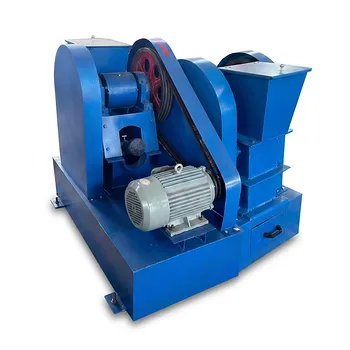
Horizontal Jaw Crusher Medium Hard Material Crushing Laboratory Sample Preparation Equipment
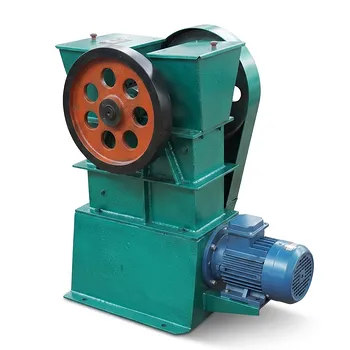
150×125mm Laboratory Jaw Crusher for Medium and Fine Crushing of Brittle Materials
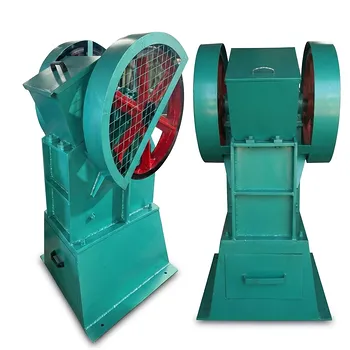
Sealed Jaw Crusher for Laboratory Material Crushing and Sample Preparation
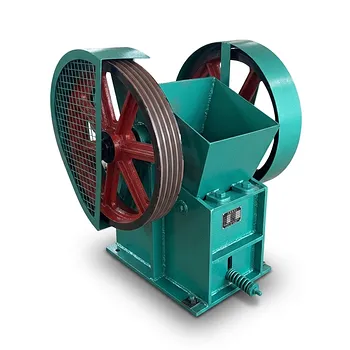
150x250mm Laboratory Jaw Crusher for Medium Hard Material Crushing and Sample Preparation
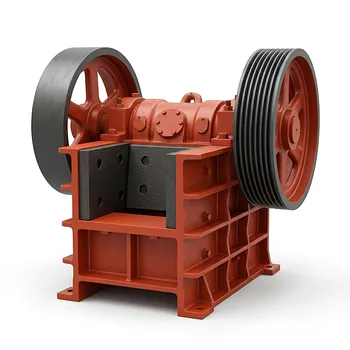
250x400 Jaw Crusher for Primary Crushing of Ores and Bulk Materials
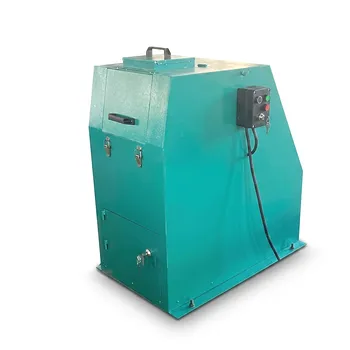
Environmentally Friendly Sealed Jaw Crusher for Laboratory Sample Preparation
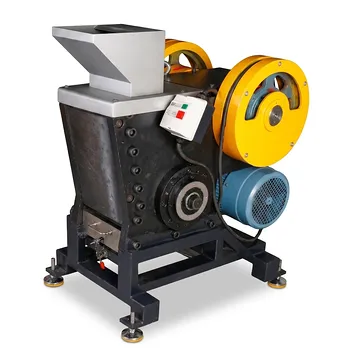
Heavy Duty Industrial Jaw Crusher for Primary Ore Crushing and High Capacity Mineral Material Size Reduction
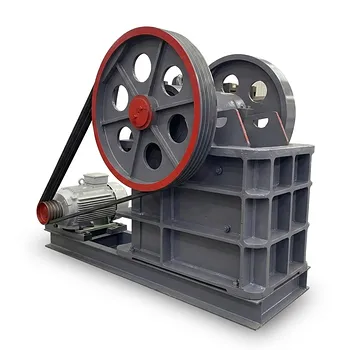
250x400mm Jaw Crusher Medium Crushing Equipment for Mining Mineral Sample Preparation
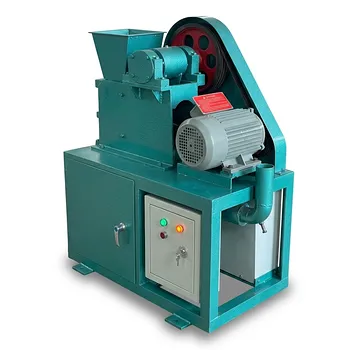
EP-B Type Sealed Jaw Crusher for Laboratory Sample Preparation
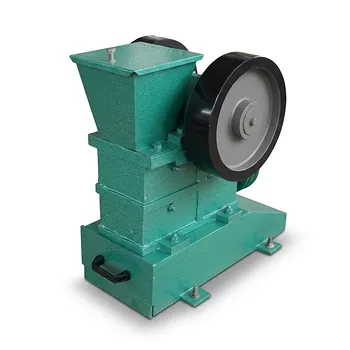
Laboratory Small Jaw Crusher 100x60mm
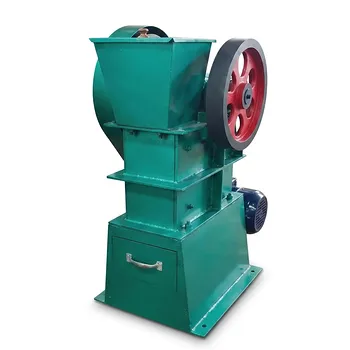
EP Series Small Jaw Crusher for Laboratory Sample Preparation
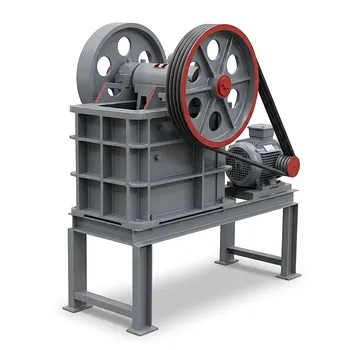
Laboratory Jaw Crusher 200x300mm Opening for Primary Crushing of Ores and Aggregates
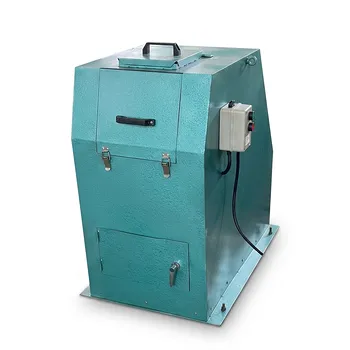
Environmentally Friendly Sealed Laboratory Jaw Crusher for Sample Preparation
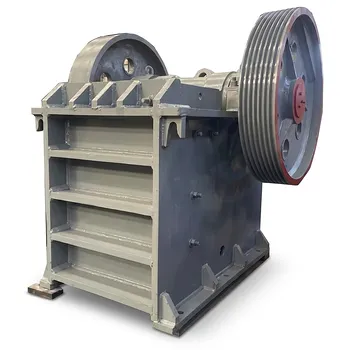
Heavy-Duty Jaw Crusher for Medium-Hard Ore and Industrial Mineral Crushing
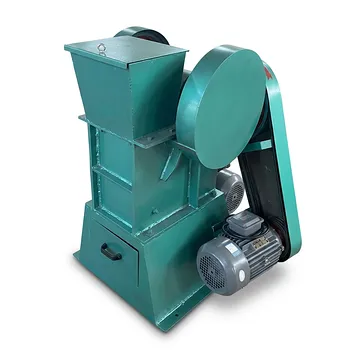
Small Laboratory Jaw Crusher 150x200mm Feed Opening for Sample Preparation and Medium Fine Crushing
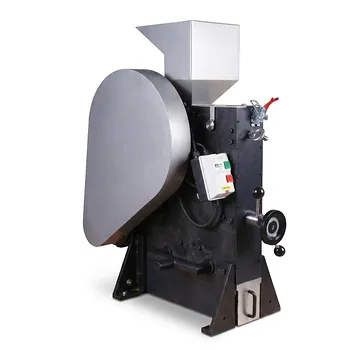
Heavy Duty Industrial Laboratory Jaw Crusher for Primary Sample Preparation and Hard Material Size Reduction
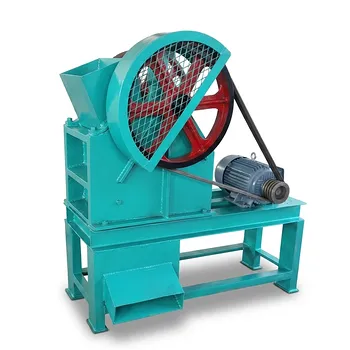
150x250mm Custom Laboratory Jaw Crusher for Coal Ore Mineral Crushing
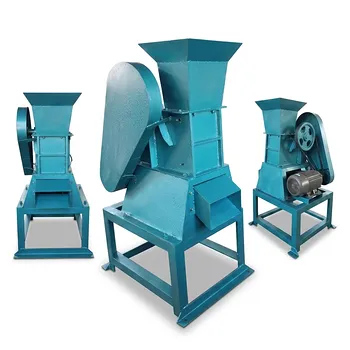
Custom Raised Height Laboratory Jaw Crusher for Precision Sample Preparation in Material Science
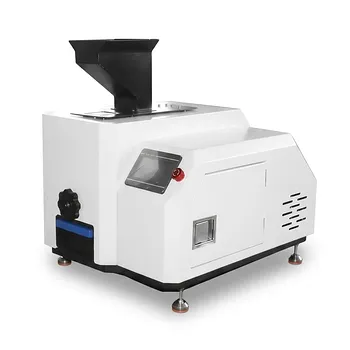
Laboratory Jaw Crusher 2025 Model for Ore and Brittle Material Crushing