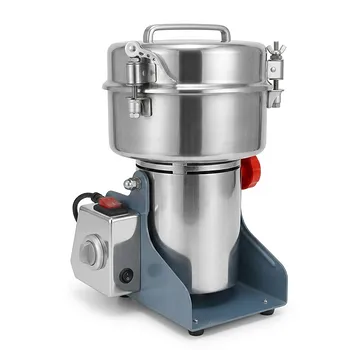
What role do high-precision pulverizers play in coal biochemical conversion? Boost Methane Yield & Research Accuracy
Updated 4 months ago
High-precision pulverizers are the critical engine for increasing methane yield by transforming bulk coal into ultra-fine powders. This mechanical processing dramatically expands the specific surface area of the coal, providing the necessary interface for microbial flora to efficiently attach to, erode, and degrade complex macromolecular structures.
High-precision pulverization acts as a vital physical pre-treatment that removes the structural barriers of coal. By maximizing the available surface area, these tools enable rapid enzymatic access and significantly higher methane conversion rates during anaerobic fermentation.
Expanding the Bio-Reaction Interface
The Geometry of Microbial Attachment
Microbial flora require physical contact with the substrate to initiate the biochemical conversion of coal into gas. High-precision pulverizers break down bulk coal into ultra-fine particles, which exponentially increases the number of available attachment sites for these microorganisms.
Accelerating Enzymatic Erosion
The complex macromolecular structure of coal is naturally resistant to biological breakdown. By increasing the specific surface area, pulverization makes these structures more susceptible to erosion by extracellular enzymes, leading to faster degradation.
Improving Methane Conversion Rates
The primary goal of biochemical conversion research is to maximize the final yield of methane. The increased reaction interface provided by ultra-fine powders directly correlates to a significant improvement in both the rate and the total efficiency of gas production.
Precision and Analytical Consistency
Standardizing Particle Size
In laboratory settings, achieving a specific particle size—often fine enough to pass through a 212-micron sieve—is critical for experimental validity. This level of precision ensures that chemical reactions occur rapidly and completely during the determination of moisture, volatile matter, and ash content.
Facilitating Uniform Heat and Mass Transfer
Beyond biological conversion, finely pulverized materials allow for more uniform heat transfer during processes like pyrolysis. This uniformity is essential for maintaining the quality and stability of the resulting products, such as biochar or synthetic gases.
Ensuring Experimental Repeatability
High-precision equipment eliminates the variability found in manual or low-grade grinding. By producing a consistent, homogeneous powder, researchers can ensure that their gas production data is reliable and repeatable across different samples.
Understanding the Trade-offs
Energy Consumption vs. Yield Gains
While ultra-fine grinding increases gas production efficiency, it requires significant mechanical energy. Researchers must balance the energy cost of high-precision pulverization against the economic value of the increased methane yield.
The Risk of Particle Agglomeration
Grinding coal too finely can sometimes lead to "clumping" or agglomeration due to increased surface energy. If particles stick together, the effective surface area may actually decrease, hindering microbial access and defeating the purpose of the pulverization.
Material Alteration and Heat Sensitivity
High-speed impact and shearing forces generate localized heat during the grinding process. If not carefully controlled, this heat can prematurely alter the coal’s chemical properties or drive off volatile components before the research begins.
Applying Pulverization to Your Research Goals
How to Apply This to Your Project
To optimize your biochemical conversion process, your choice of pulverization strategy should align with your specific research or production objectives.
- If your primary focus is Maximizing Methane Yield: Utilize high-speed impact pulverizers to achieve the highest possible specific surface area for microbial colonization.
- If your primary focus is Analytical Accuracy: Ensure your equipment can consistently reach a standardized particle size, such as 212 microns, to guarantee complete chemical reactions during testing.
- If your primary focus is Process Scalability: Focus on the balance between grinding fineness and energy consumption to ensure the conversion process remains economically viable at a larger scale.
By strategically leveraging high-precision pulverization, you transform coal from a rigid mineral into a highly accessible substrate for efficient biological gas production.
Summary Table:
| Key Role | Impact on Coal Conversion | Laboratory Benefit |
|---|---|---|
| Surface Area Expansion | Increases microbial attachment sites | Significantly higher methane conversion rates |
| Enzymatic Access | Removes structural barriers of coal | Faster degradation of macromolecular structures |
| Particle Standardization | Achieves consistent <212-micron size | Ensures experimental repeatability and validity |
| Heat & Mass Transfer | Enables uniform pyrolysis/reaction | Maintains stability of biochar and synthetic gases |
| Physical Pre-treatment | Accelerates biochemical erosion | Optimizes reaction kinetics for higher efficiency |
Elevate Your Material Science Research with Precision Preparation
To achieve maximum methane yield and analytical consistency in coal biochemical conversion, high-quality sample preparation is non-negotiable. At [Your Brand Name], we provide complete laboratory sample preparation solutions designed for the most demanding material science applications.
Whether you need to standardize coal particles to a 212-micron sieve specification or require ultra-fine grinding for microbial colonization, our specialized equipment ensures reliable, repeatable results:
- Advanced Milling: Planetary ball mills, jet mills, and rotor mills for achieving high specific surface areas.
- Crushing & Sieving: Jaw/roll crushers and vibratory sieve shakers for precise particle size control.
- Sample Compaction: A full spectrum of hydraulic presses, including Cold Isostatic Presses (CIP) and hot presses for material stability studies.
- Mixing Solutions: Powder and defoaming mixers to ensure homogeneous sample distribution.
Ready to transform your coal samples into high-performance substrates? Contact our experts today to find the perfect pulverization and compaction solution for your laboratory.
References
- Liu Zhu, Yi Liu. Substrate Composition Effects on the Microbial Enhancement of Biogenic Methane Production from Coal. DOI: 10.3390/su17114953
Mentioned Products
- Laboratory Desktop Ultra Fine Powder Grinder High Speed Micronizing Pulverizer
- Air Guided Ultrafine Pulverizer High Speed Laboratory Powder Grinder for Chemical and Material Processing
- High Speed Swing Type Laboratory Pulverizer for Fine Powder Grinding and Sample Preparation
- Micro Solid Sample Grinder High Speed Pulverizer for Laboratory Small Batch Grinding
- Continuous Feeding Grinder High Efficiency Pulverizer for Lab Sample Preparation
People Also Ask
- What role does a laboratory grinder play in the pretreatment of sunflower seed shell-based adsorbents? Boost Efficiency.
- How does a laboratory grinder or mill enhance the adsorption performance of agricultural waste materials? Boost Surface Area
- What is the function of a laboratory high-speed pulverizer in the preparation of eggshell powder? Essential Pretreatment
- Why is high-efficiency ultra-fine grinding required for Portland cement before XRD? Get Accurate Rietveld Results
- What is the function of a laboratory pulverizer in Boerhavia diffusa-based adsorbent prep? Maximize Surface Area

Tech Team · PowderPreparation
Last updated on Jun 03, 2026
Related Products
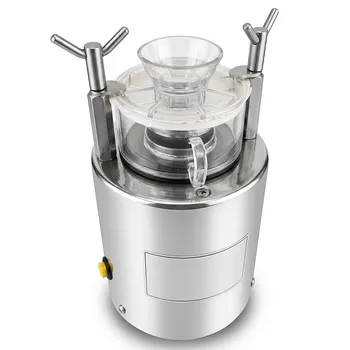
Laboratory Desktop Ultra Fine Powder Grinder High Speed Micronizing Pulverizer
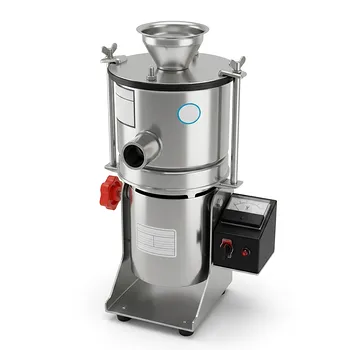
Air Guided Ultrafine Pulverizer High Speed Laboratory Powder Grinder for Chemical and Material Processing
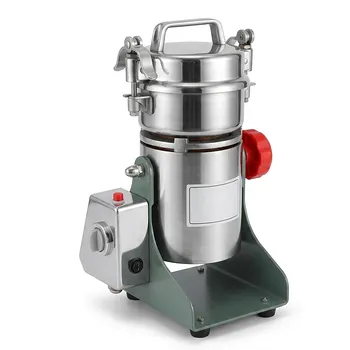
High Speed Swing Type Laboratory Pulverizer for Fine Powder Grinding and Sample Preparation
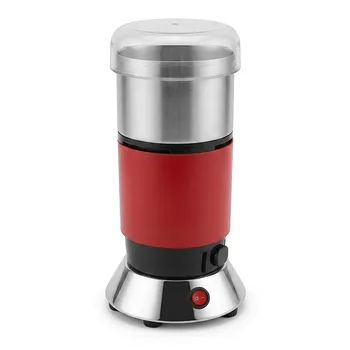
Micro Solid Sample Grinder High Speed Pulverizer for Laboratory Small Batch Grinding
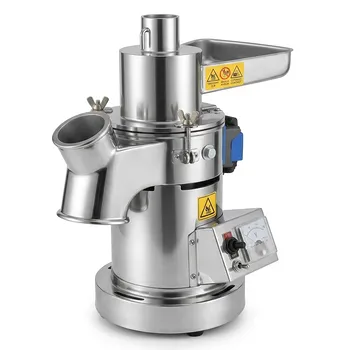
Continuous Feeding Grinder High Efficiency Pulverizer for Lab Sample Preparation
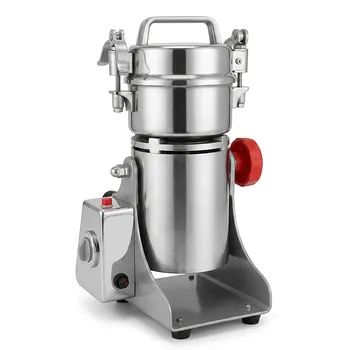
Industrial High Speed Small Sample Pulverizer Swing Type Laboratory Grinder for Powder Processing
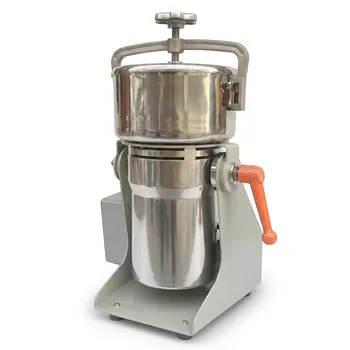
High Speed Laboratory Grinder Efficient Stainless Steel Powder Pulverizer Universal Material Science Mill for Sample Preparation
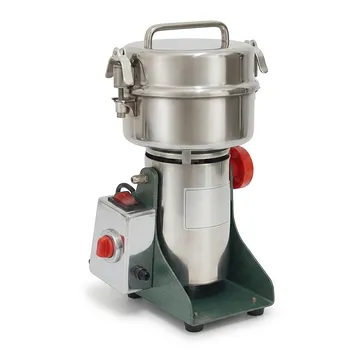
Small High Speed Grinder for Laboratory Sample Preparation
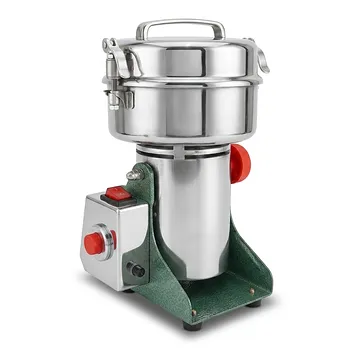
Small High-Speed Laboratory Grinder for Powder Processing
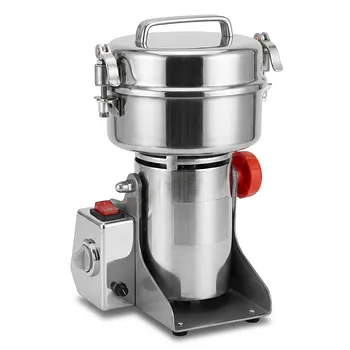
High Speed Laboratory Powder Grinder Small Batch Sample Preparation Mill
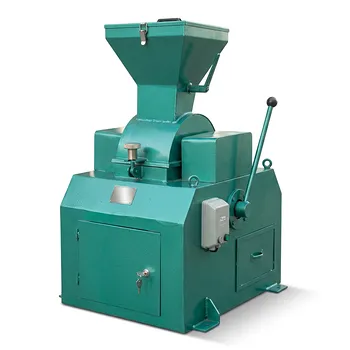
Laboratory Sealed Hammer Blade Crusher Divider for High Hardness Sample Preparation
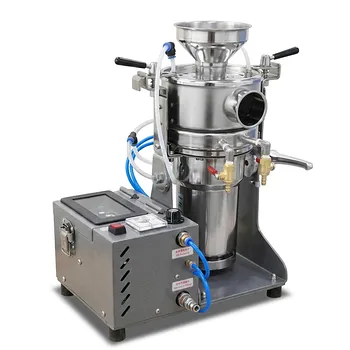
Water Cooled Pulse Jet Ultrafine Grinder
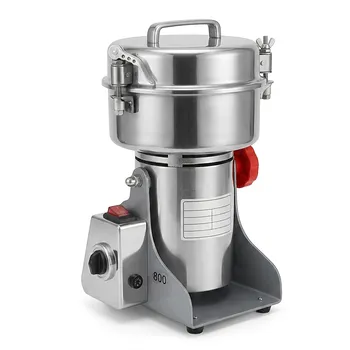
Small High-Speed Laboratory Grinder for Rapid Sample Preparation
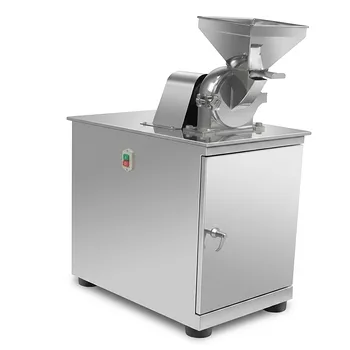
Universal Laboratory Pulverizer Grinder for Small Batch Powder Processing and Material Science Research
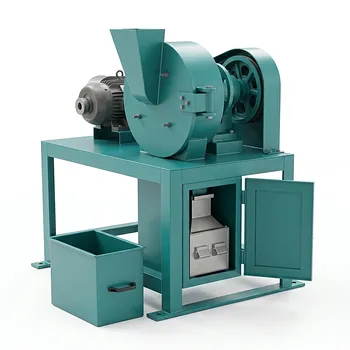
Sealed Disc Pulverizer Customized Model
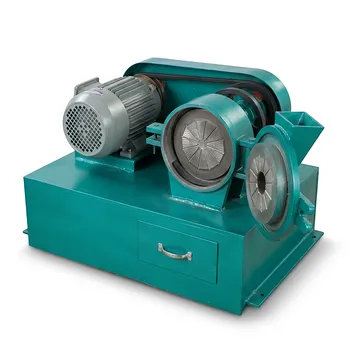
Laboratory Disc Pulverizer for Coal Coke Ore and Medium Hard Materials Sample Preparation
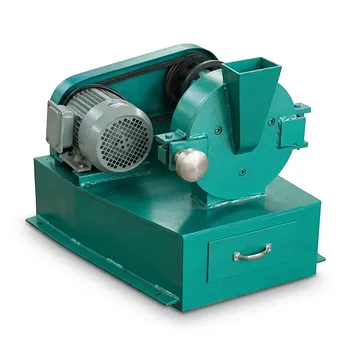
Medium Hardness Material Disc Pulverizer for Coal Ore Sample Preparation
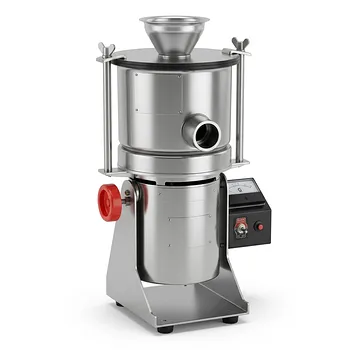
Laboratory Ultrafine Impact and Airflow Grinder for Precise Particle Size Control
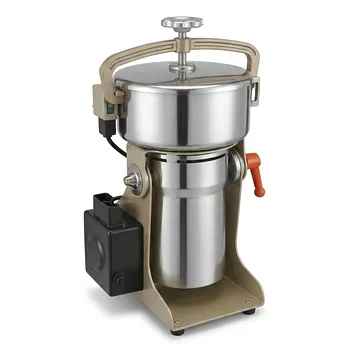
Multifunctional High Efficiency High Speed Laboratory Grinder