What is the specific mixing process for nanomaterial RHA concrete? Master 2-Stage Lab Mixing for Uniformity
Updated 5 months ago
The specific mixing process for nanomaterial-integrated Rice Husk Ash (RHA) concrete is a precision-timed, multi-stage sequence. It begins with a 2-minute dry mixing phase of aggregates, cement, and rice husk ash to establish initial uniformity, followed by a 5-minute wet mixing stage after the introduction of a carbon nanotube suspension. This transition from dry blending to extended wet agitation is critical for disrupting particle clumps and ensuring a dense microscopic network.
To achieve a uniform distribution of nanomaterials, the laboratory mixer must transition from a dry blend of micro-scale powders to an extended wet agitation phase. This specific two-stage process prevents the local accumulation of particles, ensuring that both Rice Husk Ash and carbon nanotubes form a stable, interconnected structure at the microscopic scale.
The Two-Stage Mixing Protocol
The Initial Dry Mixing Phase
The process starts with the 2-minute dry mixing of the aggregates, cement, and rice husk ash (RHA). This stage uses mechanical shear forces to ensure that the ultra-fine RHA particles are evenly distributed among the larger cement and aggregate grains before any liquid is introduced.
The Extended Wet Mixing Phase
Once the dry materials are blended, the carbon nanotube suspension is added to the mixer. The wet mixing stage lasts for exactly 5 minutes, providing the necessary duration and energy to disperse the nanomaterials throughout the paste without allowing them to re-agglomerate.
Controlled Agitation and Speed
During the wet stage, maintaining a constant low rotation speed is essential for the gradual introduction of water and admixtures. This controlled agitation ensures that nano-scale materials and micro-scale powders are evenly integrated into the matrix, establishing a stable pathway for structural integrity.
Achieving Microscopic Uniformity
Leveraging the Micro-Filler Effect
Rice Husk Ash acts as a high-performance micro-filler due to its fine particle size and pozzolanic properties. The specific mixing duration ensures these particles fill the voids between cement grains, creating a more compact and less permeable concrete matrix.
Preventing Nanomaterial Agglomeration
Nanomaterials like carbon nanotubes have a natural tendency to clump together due to van der Waals forces. The 5-minute wet mixing window is specifically calibrated to break these clusters apart, ensuring the nanotubes form a dense, reinforcing network rather than localized weak points.
Establishing Conductive and Structural Pathways
Proper dispersion allows the nanomaterials to bridge the gaps within the cementitious matrix. This results in a stable conductive pathway (useful for sensing applications) and a significant increase in the scientific data reliability for strength testing at various replacement ratios.
Common Pitfalls to Avoid
Insufficient Mixing Duration
Reducing the mixing time below the recommended 7-minute total (2 dry, 5 wet) often leads to local accumulation of nanomaterials. These "clumps" create stress concentrations that can significantly reduce the compressive strength and durability of the final concrete.
Incorrect Component Sequencing
Adding the carbon nanotube suspension before the dry components are fully blended can result in uneven hydration. If the RHA is not pre-mixed with the cement, it may absorb water too rapidly or unevenly, preventing the nanotubes from dispersing correctly throughout the paste.
High-Speed Agitation Risks
While shear is necessary, excessive rotation speeds can generate unwanted heat or trap air bubbles within the mix. A controlled, low-speed approach is preferred to maintain the stability of the suspension and ensure the chemical integrity of the RHA-cement bond.
How to Apply This to Your Project
Recommendations Based on Your Objectives
- If your primary focus is Maximizing Compressive Strength: Adhere strictly to the 5-minute wet mixing stage to ensure the RHA fully leverages the micro-filler effect within the cement paste.
- If your primary focus is Sensor Integration or Conductivity: Ensure the carbon nanotube suspension is introduced gradually during the wet phase to establish a continuous, non-broken network of particles.
- If your primary focus is Testing High RHA Replacement Ratios: Utilize controlled mixing frequencies to prevent the agglomeration of ultra-fine powders, which becomes more difficult as RHA content increases.
By following this rigorous multi-stage mixing protocol, you ensure that your Rice Husk Ash concrete achieves the microscopic density and nanomaterial dispersion required for high-performance engineering.
Summary Table:
| Mixing Phase | Duration | Primary Action | Key Objective |
|---|---|---|---|
| Dry Mixing | 2 Minutes | Blending aggregates, cement, and Rice Husk Ash (RHA) | Establish initial powder uniformity and distribution |
| Wet Mixing | 5 Minutes | Introduction of carbon nanotube (CNT) suspension | Disrupt particle clumps and create dense microscopic networks |
| Agitation | Continuous | Controlled low-speed rotation | Maintain suspension stability and prevent air entrapment |
Optimize Your Material Research with Precision Equipment
Achieving microscopic uniformity in nanomaterial-integrated concrete requires more than just a protocol—it requires high-precision instrumentation. [Company Name] provides complete laboratory sample preparation solutions for material science, specializing in advanced powder processing and compaction equipment.
Our extensive product lines are engineered to meet the rigorous demands of modern research:
- Powder Processing: Achieve ultra-fine dispersion with our planetary ball mills, jet mills, and rotor mills.
- Sieving & Mixing: Ensure consistent particle size distribution with our vibratory sieve shakers and high-efficiency powder or defoaming mixers.
- Compaction & Pressing: Fabricate high-density samples using our full spectrum of hydraulic presses, including Cold/Warm Isostatic Presses (CIP/WIP), vacuum hot presses, and XRF pellet presses.
Whether you are maximizing compressive strength or developing conductive sensors, our equipment ensures your scientific data is reliable and reproducible.
Ready to elevate your laboratory capabilities? Contact us today to find the perfect solution for your project!
References
- Yi Jing, Yong Jin. Durability and environmental evaluation of rice husk ash sustainable concrete containing carbon nanotubes. DOI: 10.1038/s41598-025-88927-z
Mentioned Products
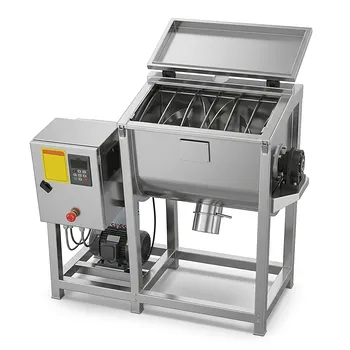
- Horizontal Ribbon Mixer for Uniform Powder and Slurry Mixing
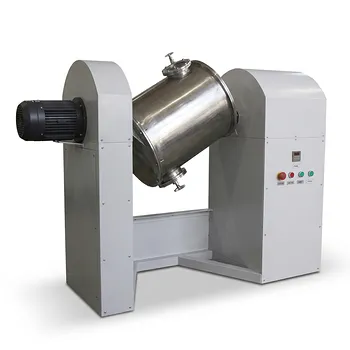
- Inclined Mixer for Homogeneous Powder Blending and Grinding
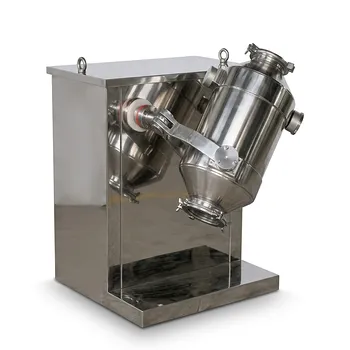
- Three-Dimensional Motion Mixer for Laboratory Powder and Granule Blending
- High Viscosity Planetary Centrifugal Mixing and Vacuum Defoaming Machine for Laboratory Material Preparation
- Laboratory Mortar Grinder for Sample Preparation and Cryogenic Powder Homogenization
People Also Ask
- How does the fill level of a horizontal mixer influence the selection of the stirring mechanism? Optimize Your Design
- What is the technical significance of radial clearance in horizontal mixers? Boost Homogeneity & Reduce Dead Zones.
- What is the function of additives like cellulose or wax in lab mixers? Enhance Pellet Integrity and Strength
- How does a laboratory mixer ensure the final performance of lead-zinc metallurgical slag-based mortar? Best Practices
- How does a laboratory mixer facilitate mixing PE wax and bentonite? Master Shear Force for Superior Material Properties

Tech Team · PowderPreparation
Last updated on May 14, 2026
Related Products
Horizontal Ribbon Mixer for Uniform Powder and Slurry Mixing
Inclined Mixer for Homogeneous Powder Blending and Grinding
Three-Dimensional Motion Mixer for Laboratory Powder and Granule Blending
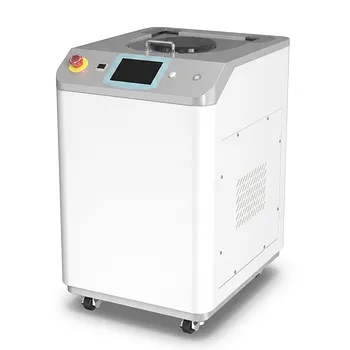
High Viscosity Planetary Centrifugal Mixing and Vacuum Defoaming Machine for Laboratory Material Preparation
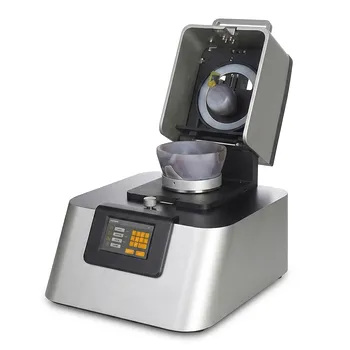
Laboratory Mortar Grinder for Sample Preparation and Cryogenic Powder Homogenization
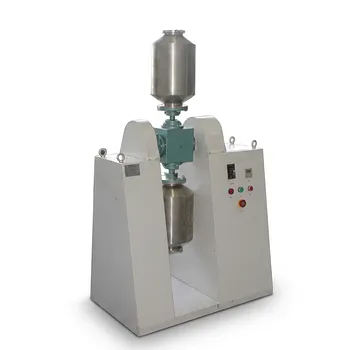
Multi Dimensional Universal Mixer for High Uniformity Powder Blending
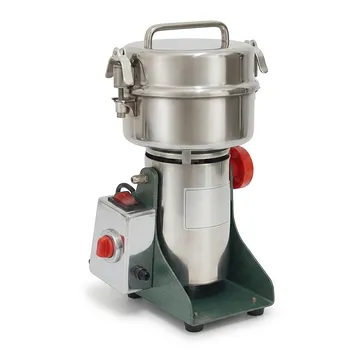
Small High Speed Grinder for Laboratory Sample Preparation
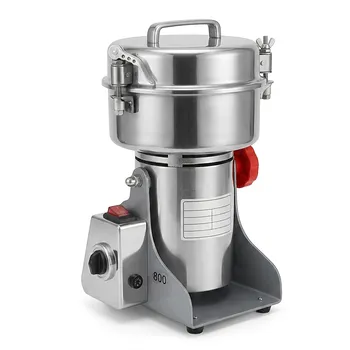
Small High-Speed Laboratory Grinder for Rapid Sample Preparation
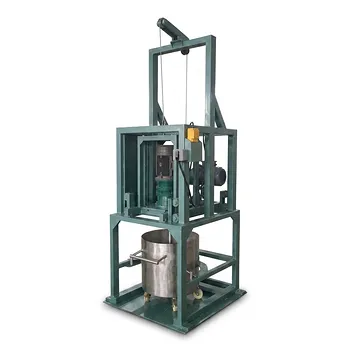
High-Speed Simple Disperser for Efficient Mixing, Dispersion, and Emulsification
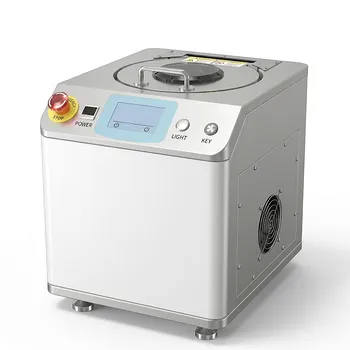
High Efficiency Vacuum Planetary Centrifugal Mixer and Defoaming Machine for Industrial Material Research and Precise Laboratory Powder Dispersion
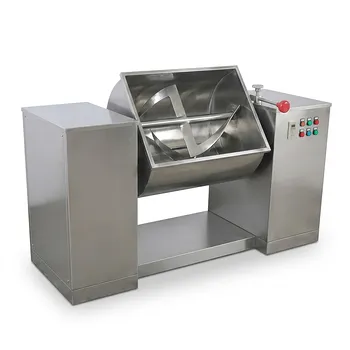
Horizontal Trough Mixer for Uniform Powder and Paste Blending
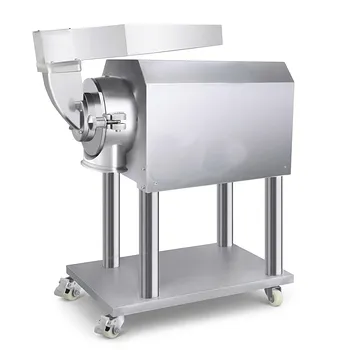
High Speed Small Laboratory Crusher for Dry Material Sample Preparation
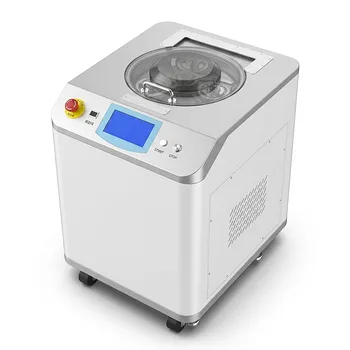
Dual Cup Vacuum Centrifugal Mixer Planetary Paste Defoaming Machine Industrial Material Processor
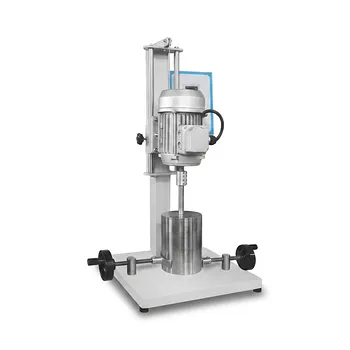
Laboratory Basket Sand Mill for Wet Grinding and Dispersion of Viscous Slurries
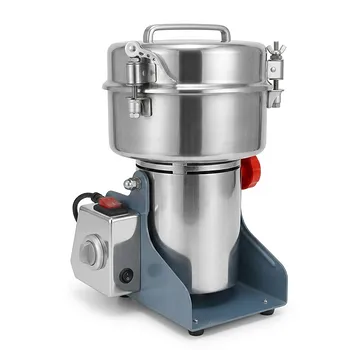
Small High-Speed Grinder for Efficient Laboratory Sample Preparation
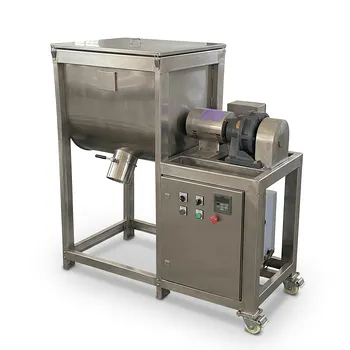
Horizontal Ribbon Mixer for Dry Powder and Slurry Blending
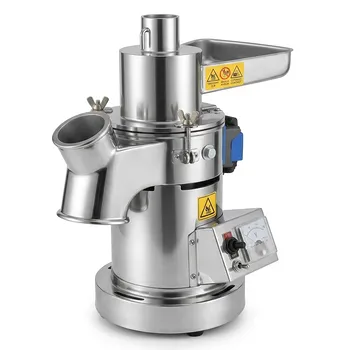
Continuous Feeding Grinder High Efficiency Pulverizer for Lab Sample Preparation
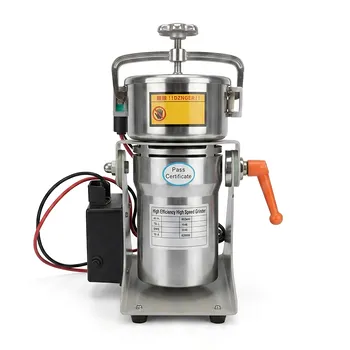
High Efficiency High Speed Grinder Laboratory Mill 1300W 25000rpm
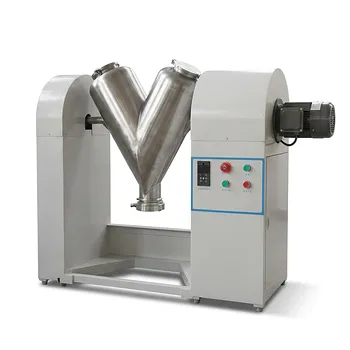
V-Type Powder Mixer for Uniform Blending of Dry Powders and Granules