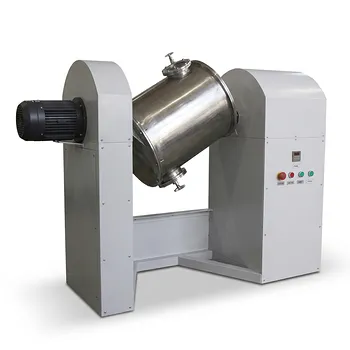
What is the role of high-precision stirring equipment during the sol stage of biomaterial prep? Achieve Molecular Homogeneity
Updated 3 months ago
High-precision stirring equipment is the foundational tool for ensuring molecular-level homogeneity and reaction consistency during the sol stage. In organic-inorganic hybrid biomaterial preparation, this equipment uses controlled shear forces to achieve uniform dispersion of metal alkoxide precursors and heat-sensitive organic additives. By maintaining a stable environment, it directly regulates the kinetics of hydrolysis and polycondensation, which determines the final material’s biological activity.
High-precision stirring serves as the bridge between raw chemical precursors and a functional hybrid matrix. It ensures that organic and inorganic components are integrated at the molecular level, preventing localized reaction imbalances that would otherwise compromise the material's integrity.
Achieving Molecular-Level Dispersion
Uniform Distribution of Precursors
High-precision stirring equipment utilizes specific rotation speeds to disperse metal alkoxide precursors within hydroalcoholic solutions. This ensures that every part of the solution has an identical concentration of reactants before the chemical transformation begins.
Facilitating Consistent Chemical Reactions
The equipment provides the mechanical energy necessary to facilitate hydrolysis and polycondensation reactions at a uniform rate. Without this precision, the timing of these reactions would vary throughout the mixture, leading to structural defects in the resulting gel.
Embedding Heat-Sensitive Organics
For biomaterials incorporating plant extracts or drugs, high-precision stirring allows for these heat-sensitive organic molecules to be uniformly embedded into the inorganic matrix. This level of control is essential for protecting the biological activity of the organic components during the synthesis process.
Controlling Structural and Chemical Integrity
Preventing Localized Fluctuations
Consistent mechanical force prevents pH fluctuations and local concentration gradients that often occur when adding reactants. By avoiding these "hot spots," the equipment ensures that the chemical stoichiometry remains stable throughout the entire volume of the sol.
Mechanical Dissociation and Surface Interaction
In hybrid systems like nanofibers, high-speed stirring provides the shear force required to break down bulk materials into nanometer-sized fibers. This mechanical action allows organic molecules to interact more effectively with the surface of the inorganic components, creating a more stable hybrid suspension.
Regulating Particle Morphology
The precision of the stirring speed directly influences the particle morphology and size distribution of the final nanopowders. By controlling the fluid dynamics, researchers can dictate how the polymer chains grow and interact, leading to a more predictable end product.
Understanding the Trade-offs and Pitfalls
The Risk of Over-Shearing
While high shear forces are necessary for dispersion, excessive mechanical energy can degrade delicate organic molecules or shear apart forming polymer chains prematurely. Finding the balance between "enough force to mix" and "too much force to damage" is a critical technical challenge.
Heat Generation from Mechanical Friction
High-speed stirring naturally generates frictional heat, which can be detrimental to the very heat-sensitive drugs the process aims to protect. High-precision equipment must often be paired with temperature-controlled jackets to mitigate this side effect.
Scalability Constraints
Processes optimized with high-precision laboratory stirrers may encounter non-linear behavior when scaled to industrial volumes. What works at 500 RPM in a one-liter beaker may require entirely different blade geometries and power inputs in a large-scale reactor to achieve the same molecular uniformity.
Making the Right Choice for Your Goal
How to Apply This to Your Project
- If your primary focus is biological drug delivery: Prioritize stirring equipment with integrated temperature sensors and low-shear, high-efficiency impellers to protect sensitive organic extracts.
- If your primary focus is structural nanopowder precision: Utilize high-speed, programmable stirrers that can maintain exact RPMs to control chemical stoichiometry and particle morphology.
- If your primary focus is hybrid nanofiber synthesis: Select equipment capable of generating high-intensity mechanical shear to ensure the physical dissociation of bulk gels into nanometer-scale primordial fibers.
By mastering the mechanical variables of the sol stage, you transform a simple mixture into a sophisticated, high-performance hybrid biomaterial.
Summary Table:
| Key Role | Impact on Biomaterial Preparation |
|---|---|
| Molecular Dispersion | Ensures uniform distribution of metal alkoxide precursors and organic additives. |
| Reaction Regulation | Controls the kinetics of hydrolysis and polycondensation to prevent structural defects. |
| Thermal Protection | Minimizes localized hot spots to protect heat-sensitive drugs and plant extracts. |
| Morphology Control | Dictates particle size distribution and polymer chain growth via precise fluid dynamics. |
| Shear Management | Balances mechanical energy to dissociate fibers without degrading delicate organic molecules. |
Elevate Your Material Synthesis with Precision Equipment
Achieving molecular-level consistency in organic-inorganic hybrids requires more than just basic mixing—it demands professional-grade precision. At [Company Name], we provide complete laboratory sample preparation solutions tailored for material science and biomedical research.
Our specialized range includes:
- Advanced Mixing Solutions: High-precision powder mixers and vacuum defoaming mixers for air-free, homogeneous dispersions.
- Size Reduction & Analysis: Planetary ball mills, jet mills, and vibratory sieve shakers to control particle morphology.
- Compaction Excellence: A full spectrum of hydraulic presses, including Cold/Warm Isostatic Presses (CIP/WIP), XRF pellet presses, and vacuum hot presses.
Whether you are developing drug-delivery matrices or high-strength scaffolds, our equipment ensures repeatable, high-performance results. Contact our technical experts today to find the perfect solution for your powder processing and compaction needs!
References
- Federico Barrino. Hybrid Organic–Inorganic Materials Prepared by Sol–Gel and Sol–Gel-Coating Method for Biomedical Use: Study and Synthetic Review of Synthesis and Properties. DOI: 10.3390/coatings14040425
Mentioned Products
- High Efficiency Vacuum Planetary Centrifugal Mixer and Defoaming Machine for Industrial Material Research and Precise Laboratory Powder Dispersion
- Small High-Speed Laboratory Grinder for Powder Processing
- Small High-Speed Laboratory Grinder for Rapid Sample Preparation
- Multi Dimensional Universal Mixer for High Uniformity Powder Blending
- Multifunctional High Efficiency High Speed Laboratory Grinder
People Also Ask
- Why is a planetary centrifugal mixer recommended for geopolymer slurries? Achieve high-shear, air-free homogenization.
- What core functions does a planetary centrifugal mixer perform? Optimize Hard Carbon Anode Slurry & Degassing
- Why is a planetary centrifugal mixer utilized for wood powder and HPMC? Achieve uniform dispersion & rapid defoaming.
- What role does a planetary centrifugal mixer play in flexible sensor inks? Achieve Nano-Scale Homogenization
- What is the role of a planetary centrifugal mixer in preparing DCPD resin-based matrices? Ensure Flawless Homogeneity

Tech Team · PowderPreparation
Last updated on Jun 03, 2026
Related Products
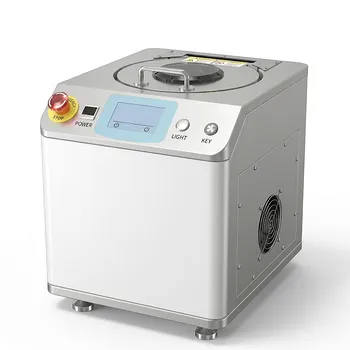
High Efficiency Vacuum Planetary Centrifugal Mixer and Defoaming Machine for Industrial Material Research and Precise Laboratory Powder Dispersion
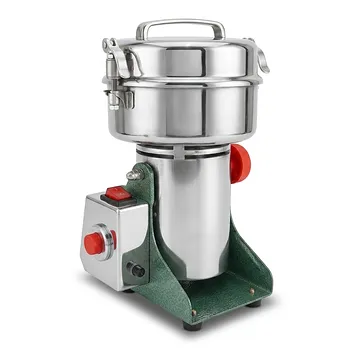
Small High-Speed Laboratory Grinder for Powder Processing
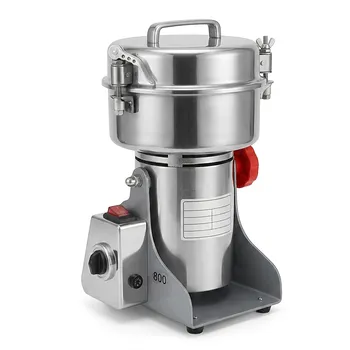
Small High-Speed Laboratory Grinder for Rapid Sample Preparation
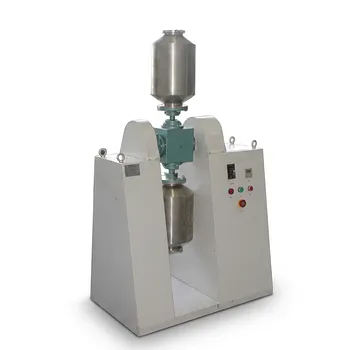
Multi Dimensional Universal Mixer for High Uniformity Powder Blending
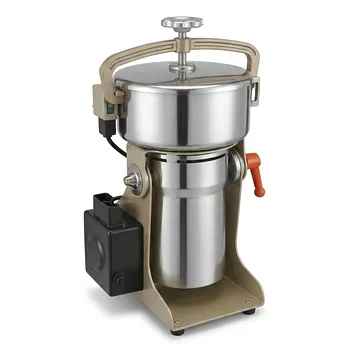
Multifunctional High Efficiency High Speed Laboratory Grinder
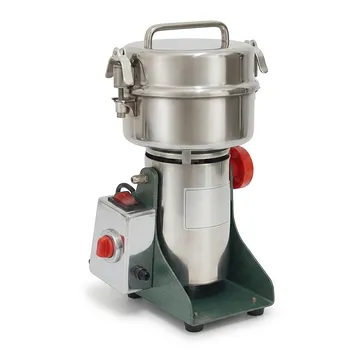
Small High Speed Grinder for Laboratory Sample Preparation
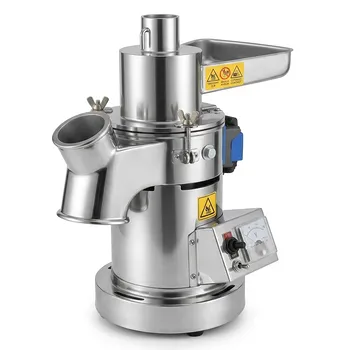
Continuous Feeding Grinder High Efficiency Pulverizer for Lab Sample Preparation
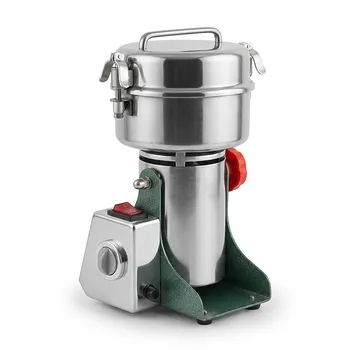
Small High-Speed Swing Grinder for Laboratory Sample Preparation
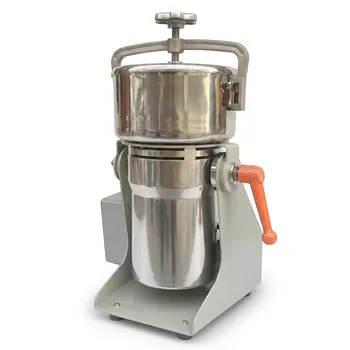
High Speed Laboratory Grinder Efficient Stainless Steel Powder Pulverizer Universal Material Science Mill for Sample Preparation
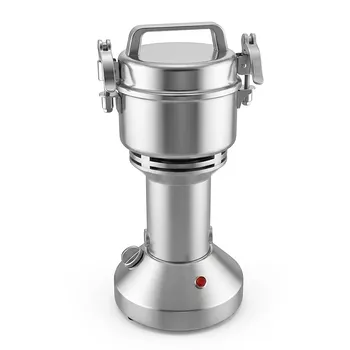
Small High Speed Upright Grinder for Laboratory Sample Preparation
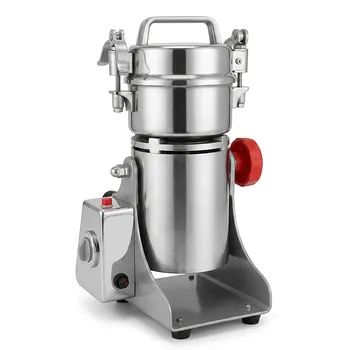
Industrial High Speed Small Sample Pulverizer Swing Type Laboratory Grinder for Powder Processing
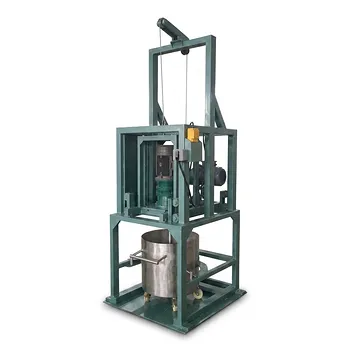
High-Speed Simple Disperser for Efficient Mixing, Dispersion, and Emulsification
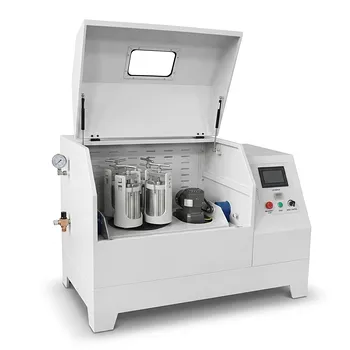
Vertical Production Planetary Ball Mill for High Throughput Powder Processing
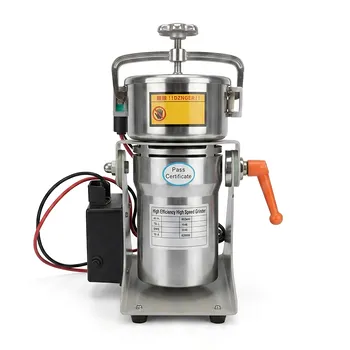
High Efficiency High Speed Grinder Laboratory Mill 1300W 25000rpm
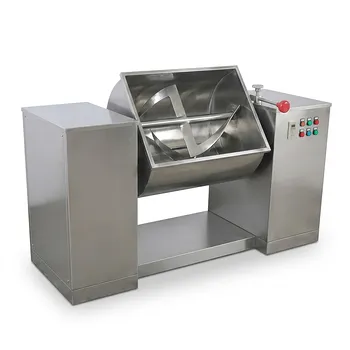
Horizontal Trough Mixer for Uniform Powder and Paste Blending
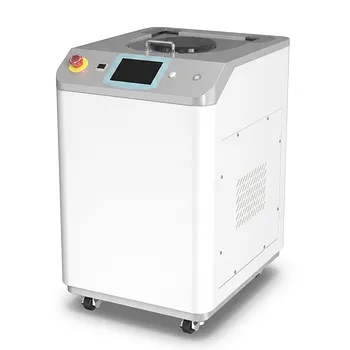
High Viscosity Planetary Centrifugal Mixing and Vacuum Defoaming Machine for Laboratory Material Preparation
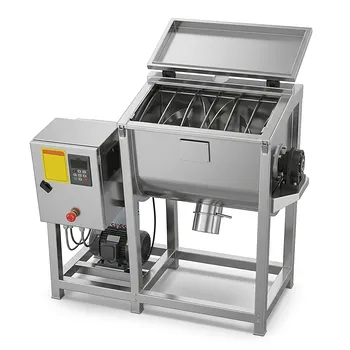
Horizontal Ribbon Mixer for Uniform Powder and Slurry Mixing
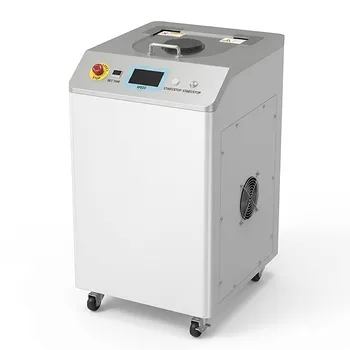
High Viscosity Planetary Centrifugal Vacuum Mixer for Material Defoaming and Uniform Mixing
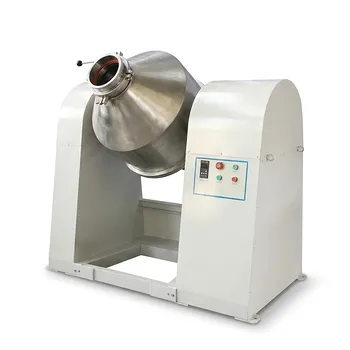
Industrial Double Cone Mixer for Powder Blending and Homogeneous Mixing