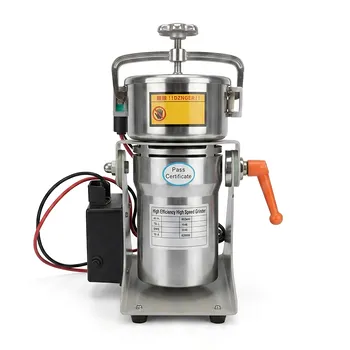
What is the role of high-energy pulverizers in the preparation of PKSA and RHA for geopolymer concrete? Boost Reactivity
Updated 4 months ago
High-energy pulverizers are the essential mechanical bridge between raw agricultural waste and high-performance cementitious materials. By subjecting Palm Kernel Shell Ash (PKSA) and Rice Husk Ash (RHA) to intensive grinding, these machines transform low-reactivity powders into highly reactive precursors capable of forming robust geopolymer bonds.
The primary role of high-energy pulverizers is to maximize the chemical reactivity of PKSA and RHA by drastically increasing their specific surface area and reducing particle size to the micron level. This mechanical activation ensures rapid dissolution and thorough geopolymerization when the ashes interact with alkaline activators.
Enhancing Physical Properties Through Deep Grinding
Particle Size Reduction to the Micron Level
Industrial-grade pulverizers break down the complex, porous structures of raw PKSA and RHA. This reduction to the micron level is critical for achieving a dense, non-porous microstructure in the final geopolymer concrete.
Maximizing Specific Surface Area
As the pulverizer reduces particle size, the total specific surface area available for chemical interaction increases exponentially. This increased surface area provides significantly more contact points for the alkaline solution to initiate the binding process.
Improving Material Homogeneity
Deep grinding ensures that the ash particles reach a uniform size distribution. This physical consistency prevents localized weaknesses in the concrete and ensures a predictable setting time during construction.
Optimizing Chemical Reactivity and Dissolution
Accelerating the Geopolymerization Reaction
The grinding process acts as a form of mechanical activation for the silica and alumina within the ash. It ensures that the precursor powders react completely with the activator, preventing unreacted "islands" of ash that could compromise structural integrity.
Improving Dissolution in Alkaline Activators
For Rice Husk Ash specifically, fine grinding improves the dissolution rate in potassium hydroxide (KOH) or sodium hydroxide solutions. Efficient dissolution is vital for synthesizing the alkali-activated solution required to form the geopolymer binder.
Enhancing Chemical Bio-availability
By stripping away inert outer layers of the ash particles, pulverizers expose the reactive internal silica. This makes the chemical components more "available" for the alkaline activator, leading to a more efficient and faster chemical synthesis.
Understanding the Trade-offs
Energy Consumption vs. Reactivity Gains
High-energy pulverization is an energy-intensive process that increases the carbon footprint of the preparation phase. Engineers must balance the duration of grinding with the required reactivity to ensure the project remains sustainable and cost-effective.
Material Handling and Dust Control
Reducing PKSA and RHA to micron-level powders creates significant dust hazards and material handling challenges. Specialized storage and transport systems are required to manage these ultra-fine particles without loss or environmental contamination.
Diminishing Returns of Over-Grinding
There is a technical limit where further grinding no longer improves performance and may cause particle agglomeration. In some cases, over-processed powders can clump together, actually reducing the effective surface area and hindering the reaction.
Applying Pulverization to Your Project
To achieve the best results with PKSA and RHA in geopolymer concrete, the grinding strategy must align with the specific performance requirements of the application.
- If your primary focus is maximizing compressive strength: Prioritize high-energy pulverization to achieve the smallest possible particle size, which creates a denser and more interconnected molecular matrix.
- If your primary focus is rapid setting and early strength: Use extended grinding times to maximize specific surface area, which accelerates the initial dissolution and reaction speed.
- If your primary focus is economic viability: Calibrate the pulverizer to reach the minimum reactive threshold required for your mix design, avoiding the high costs of over-processing.
Mechanical activation via high-energy pulverization is the definitive factor in transforming agricultural by-products into reliable, high-strength industrial binders.
Summary Table:
| Key Role | Impact on PKSA/RHA | Resulting Benefit |
|---|---|---|
| Particle Size Reduction | Breaks structures down to micron levels | Creates a dense, non-porous concrete microstructure |
| Surface Area Expansion | Increases contact points for activators | Accelerates dissolution and geopolymerization |
| Mechanical Activation | Strips inert layers to expose internal silica | Enhances chemical bio-availability and bond strength |
| Material Homogenization | Ensures uniform particle distribution | Prevents localized weaknesses and ensures stability |
Optimize Your Geopolymer Research with Precision Milling
Achieving the perfect micron-level particle size is critical for high-performance PKSA and RHA binders. We provide complete laboratory sample preparation solutions for material science, specializing in advanced powder processing and compaction equipment.
Our extensive line of high-energy mills—including planetary ball mills, jet mills, and disc mills—is engineered to provide the mechanical activation your research demands. From initial crushing to fine grinding and final powder mixing, we help you transform agricultural waste into high-strength industrial materials.
Ready to enhance your material reactivity? Contact our experts today to discuss how our laboratory presses and milling solutions can accelerate your project’s success.
References
- Mohd Na’im Abdullah, Tamer A. Sebaey. Thermal Properties and Drying Shrinkage Performance of Palm Kernel Shell Ash and Rice Husk Ash-Based Geopolymer Concrete. DOI: 10.3390/ma17061298
Mentioned Products
- Continuous Feeding Grinder High Efficiency Pulverizer for Lab Sample Preparation
- Air Guided Ultrafine Pulverizer High Speed Laboratory Powder Grinder for Chemical and Material Processing
- Airflow Ultrafine Pulverizer for Laboratory Ultra-fine Grinding
- Small Trace Sample High Speed Pulverizer Grinder Laboratory Powder Mill
- High Speed Swing Type Laboratory Pulverizer for Fine Powder Grinding and Sample Preparation
People Also Ask
- Why must soil samples be ground before XRD or XRF analysis? Ensure Precision & Homogeneity in Lab Results
- What is the function of a laboratory blender for mixed fuels? Achieving Microscopic Uniformity for Accurate Analysis
- What is the function of a laboratory pulverizer in Boerhavia diffusa-based adsorbent prep? Maximize Surface Area
- What are the technical advantages of using a high-speed laboratory pulverizer for grinding tablets into powders? 20K RPM
- What is the function of laboratory-scale pulverizing equipment in bio-adsorptive film prep? Maximize Surface Area

Tech Team · PowderPreparation
Last updated on Jun 03, 2026
Related Products
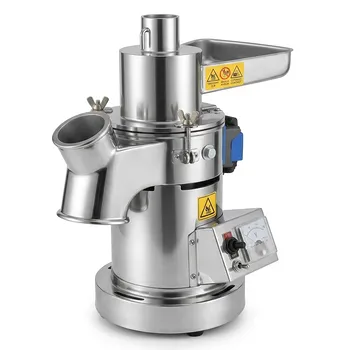
Continuous Feeding Grinder High Efficiency Pulverizer for Lab Sample Preparation
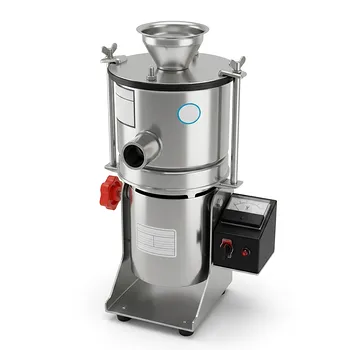
Air Guided Ultrafine Pulverizer High Speed Laboratory Powder Grinder for Chemical and Material Processing
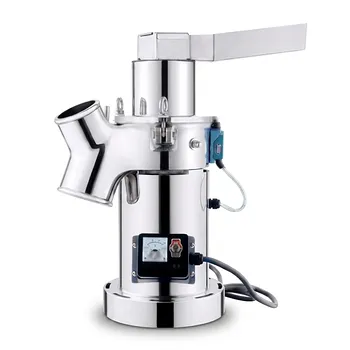
Airflow Ultrafine Pulverizer for Laboratory Ultra-fine Grinding
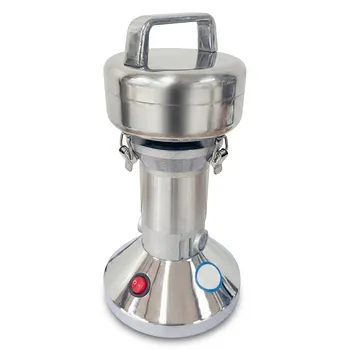
Small Trace Sample High Speed Pulverizer Grinder Laboratory Powder Mill
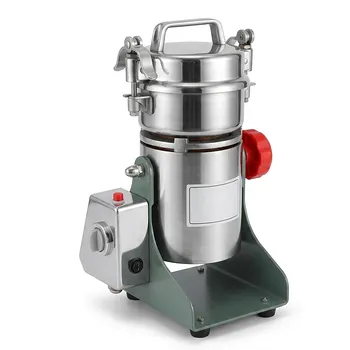
High Speed Swing Type Laboratory Pulverizer for Fine Powder Grinding and Sample Preparation
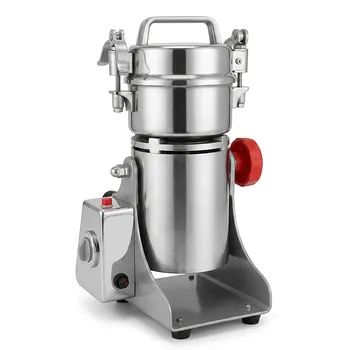
Industrial High Speed Small Sample Pulverizer Swing Type Laboratory Grinder for Powder Processing
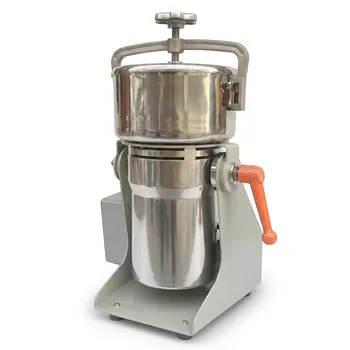
High Speed Laboratory Grinder Efficient Stainless Steel Powder Pulverizer Universal Material Science Mill for Sample Preparation
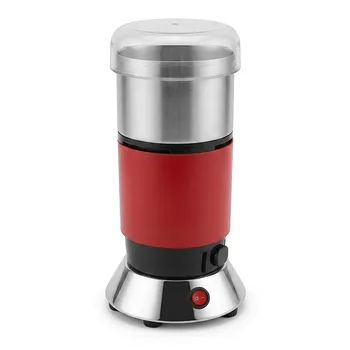
Micro Solid Sample Grinder High Speed Pulverizer for Laboratory Small Batch Grinding
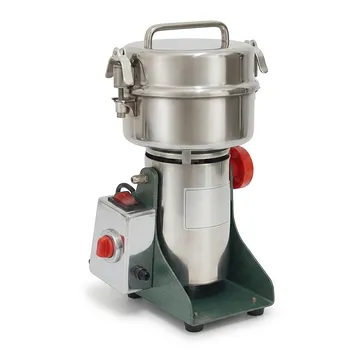
Small High Speed Grinder for Laboratory Sample Preparation
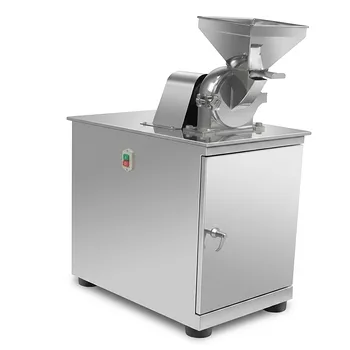
Universal Laboratory Pulverizer Grinder for Small Batch Powder Processing and Material Science Research
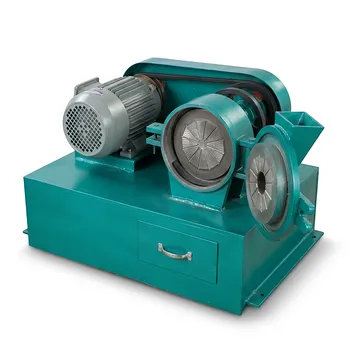
Laboratory Disc Pulverizer for Coal Coke Ore and Medium Hard Materials Sample Preparation
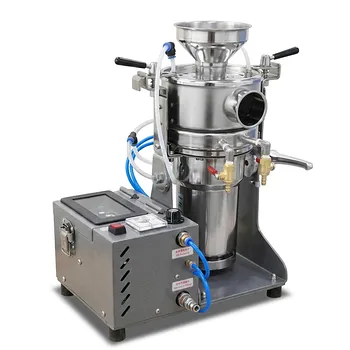
Water Cooled Pulse Jet Ultrafine Grinder
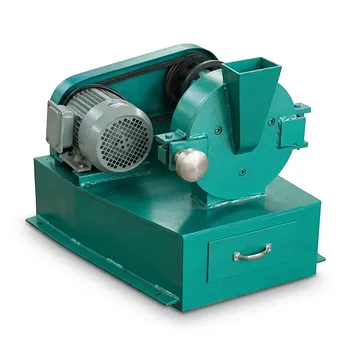
Medium Hardness Material Disc Pulverizer for Coal Ore Sample Preparation
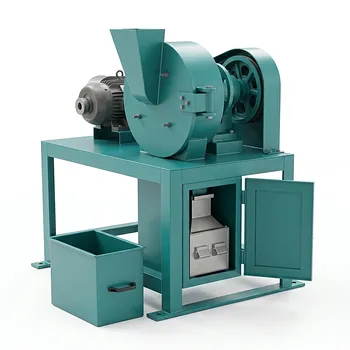
Sealed Disc Pulverizer Customized Model
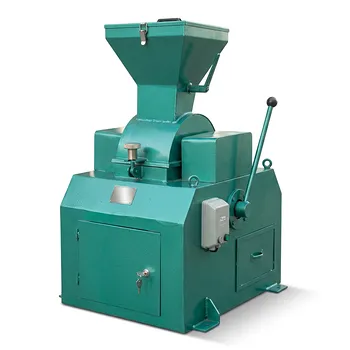
Laboratory Sealed Hammer Blade Crusher Divider for High Hardness Sample Preparation

High Energy Omnidirectional Planetary Ball Mill 16L

Vertical Square Planetary Ball Mill for Laboratory Sample Preparation and Nanoscale Grinding
High Efficiency High Speed Grinder 2200W 25000 RPM Laboratory Sample Preparation
Laboratory Hammer Mill for Coal Quality Analysis and Brittle Mineral Grinding