What is the role of an industrial Z-blade mixer in Ti-Al nanopowder prep? Achieve Micro-Level Homogenization.
Updated 5 months ago
The industrial Z-blade mixer is the critical mechanical engine for achieving micro-level homogenization between Ti-Al nanopowders and polymer binders. By utilizing intense shearing and kneading actions, it ensures that high-filling-rate nanopowders are uniformly distributed within the binder matrix. This process establishes the essential rheological foundation required for downstream applications like extrusion and 3D printing, while operating under an inert gas shield to protect the material’s chemical integrity.
Core Takeaway: The Z-blade mixer acts as a bridge between raw elemental components and a processable feedstock, providing the high-shear force necessary to eliminate composition inhomogeneity while maintaining a controlled environment to prevent oxidation.
Achieving Homogeneity Through High-Shear Action
Breaking Down Nanopowder Agglomerates
Nanopowders naturally tend to clump or agglomerate due to high surface energy. The Z-blade mixer uses counter-rotating blades to apply intense mechanical shearing, which physically forces these particles apart and coats them in the polymer binder.
Ensuring High-Filling-Rate Integration
Producing high-quality Ti-Al intermetallics requires a dense concentration of powder within the polymer matrix. The kneading action of the Z-blade design allows for the successful integration of these high-filling-rate powders, creating a consistent, workable paste.
Creating the Rheological Foundation
The quality of the final 3D printing filament or injection molding feedstock depends on its flow characteristics. A Z-blade mixer ensures that the viscosity is uniform throughout the batch, which is a fundamental requirement for stable extrusion processes.
Atmospheric Control and Material Integrity
Argon-Shielded Mixing Environments
Ti-Al nanopowders are highly reactive and prone to oxidation when exposed to air. Industrial Z-blade mixers are often designed to operate in an argon-protected environment, which preserves the purity of the metallic components during the high-energy mixing phase.
Preventing Compositional Segregation
In-situ alloying during subsequent manufacturing stages requires a perfect distribution of titanium and aluminum. Continuous, long-term mixing—sometimes lasting up to 24 hours—prevents segregation, ensuring a stable dual-phase microstructure in the final sintered part.
Mitigation of Micro-Level Defects
Compositional inhomogeneity introduced during the mixing phase cannot be corrected later in the production cycle. By achieving micro-level uniformity, the Z-blade mixer prevents defects that would otherwise compromise the structural integrity of the intermetallic component.
Safety and Operational Standards
Containment of Fine Particulates
The enclosed design of industrial mixers is a critical safety feature. It prevents fine Al and Ti particles from becoming airborne, significantly reducing inhalation risks and the potential for dust explosions in the facility.
Process Consistency Over Time
Industrial-grade mixers are built for extended operational cycles, which are often necessary to reach the desired level of micro-level distribution. This reliability ensures that every batch of feedstock meets the same rigorous technical specifications.
Understanding the Trade-offs
Heat Generation During Mixing
The intense shearing action required to mix nanopowders generates significant internal heat. If not managed through cooling jackets, this temperature rise can prematurely degrade the polymer binder or alter its viscosity.
Cleaning and Cross-Contamination
Z-blade mixers feature complex internal geometries that can be difficult to clean thoroughly. For facilities switching between different alloy compositions, this creates a risk of cross-contamination that can compromise the performance of the Ti-Al intermetallic.
How to Apply This to Your Project
Optimizing Your Mixing Strategy
Effective preparation of Ti-Al nanopowder mixtures requires balancing mechanical force with material sensitivity.
- If your primary focus is 3D printing filament quality: Prioritize mixers with precise temperature control to ensure the polymer binder maintains its specific rheological properties for extrusion.
- If your primary focus is material purity and oxidation control: Ensure the mixer is equipped with a high-integrity vacuum or argon-purging system to protect the active Ti-Al surfaces.
- If your primary focus is large-scale production reliability: Invest in an enclosed, automated Z-blade system that minimizes operator exposure to fine particulates while allowing for 24-hour continuous homogenization.
Mastering the high-shear mixing phase is the most critical step in transforming raw nanopowders into high-performance industrial components.
Summary Table:
| Key Feature | Functional Role | Impact on Material Quality |
|---|---|---|
| High-Shear Action | Breaks down nanopowder agglomerates | Ensures uniform particle distribution |
| Kneading Mechanism | Integrates high-filling-rate powders | Creates stable rheology for 3D printing/extrusion |
| Argon Shielding | Provides an inert gas environment | Prevents oxidation of reactive Ti-Al particles |
| Enclosed Design | Contains fine particulates | Enhances safety and prevents dust explosions |
| Cooling Jackets | Manages internal heat generation | Protects polymer binders from thermal degradation |
Elevate Your Material Homogenization with Our Expert Solutions
Achieving the perfect Ti-Al intermetallic mixture requires more than just equipment; it requires precision and the right mechanical environment. At [Insert Brand Name], we provide complete laboratory sample preparation solutions tailored for advanced material science research and industrial production.
Whether you are developing high-performance 3D printing feedstocks or specialized alloy components, our specialized equipment ensures your materials maintain their chemical integrity and structural uniformity. Our extensive lineup includes:
- Powder Processing: High-efficiency powder mixers, defoaming mixers, and advanced mills (planetary ball, jet, and cryogenic grinders).
- Particle Sizing: Vibratory and air-jet sieve shakers for precise quality control.
- Advanced Compaction: A full spectrum of hydraulic presses, including Cold/Warm Isostatic Presses (CIP/WIP), hot presses, and vacuum hot presses for superior density.
Ready to optimize your feedstock quality and production efficiency? Our experts are here to help you select the ideal configuration for your specific powder processing needs.
Contact Us Today to Discuss Your Project
References
- Vladimir Promakhov, М. И. Лернер. 3D Printing Using Ti-Al Nanopowders: Mechanisms of Structure Formation. DOI: 10.3390/met12101737
Mentioned Products
- Multi Dimensional Universal Mixer for High Uniformity Powder Blending
- Inclined Mixer for Homogeneous Powder Blending and Grinding
- Industrial Double Cone Mixer for Powder Blending and Homogeneous Mixing
- Horizontal Ribbon Mixer for Uniform Powder and Slurry Mixing
- Horizontal Ribbon Mixer for Dry Powder and Slurry Blending
People Also Ask
- What is the role of a multi-dimensional powder mixer in the preparation of Ce-TZP ceramics? Optimize Homogenization
- What is the importance of using a high-efficiency powder mixer when preparing sand and soil mixtures? Accurate Results.
- What is the role of a powder mixer in SiC mechanical seal ring production? Ensure Homogeneity and Structural Integrity
- Why is high-uniformity powder mixing essential for antibacterial ceramic glazes? Ensure Consistent Bioactive Protection
- How do powder mixers and additives influence ZTA ceramics? Optimize microstructure for superior toughness and density

Tech Team · PowderPreparation
Last updated on May 14, 2026
Related Products
Multi Dimensional Universal Mixer for High Uniformity Powder Blending
Inclined Mixer for Homogeneous Powder Blending and Grinding
Industrial Double Cone Mixer for Powder Blending and Homogeneous Mixing
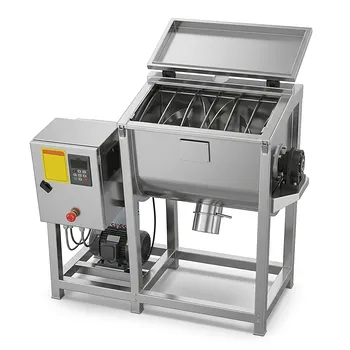
Horizontal Ribbon Mixer for Uniform Powder and Slurry Mixing
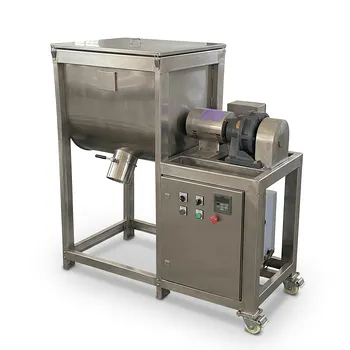
Horizontal Ribbon Mixer for Dry Powder and Slurry Blending
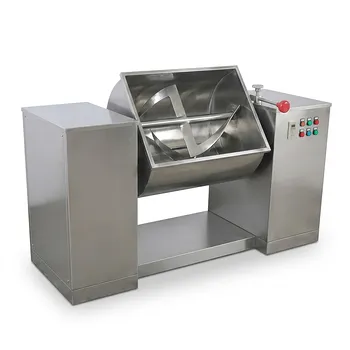
Horizontal Trough Mixer for Uniform Powder and Paste Blending
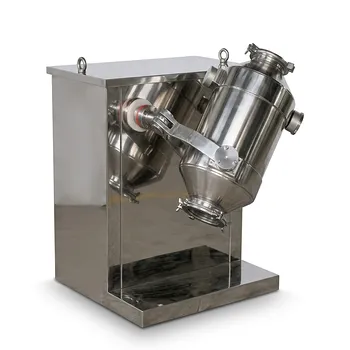
Three-Dimensional Motion Mixer for Laboratory Powder and Granule Blending
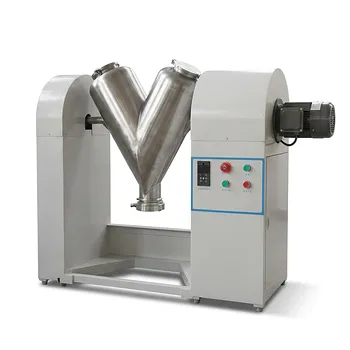
V-Type Powder Mixer for Uniform Blending of Dry Powders and Granules
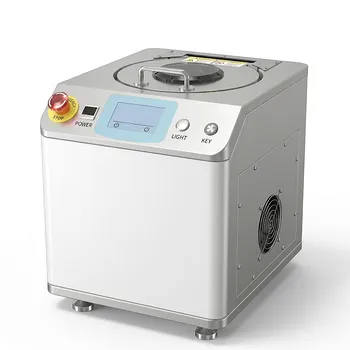
High Efficiency Vacuum Planetary Centrifugal Mixer and Defoaming Machine for Industrial Material Research and Precise Laboratory Powder Dispersion
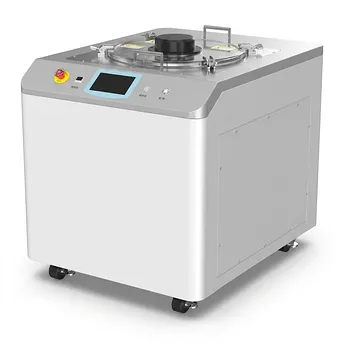
Industrial Planetary Centrifugal Vacuum Defoaming Mixer for High Viscosity Paste and Powder Homogenization
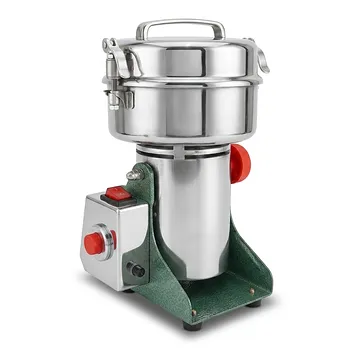
Small High-Speed Laboratory Grinder for Powder Processing
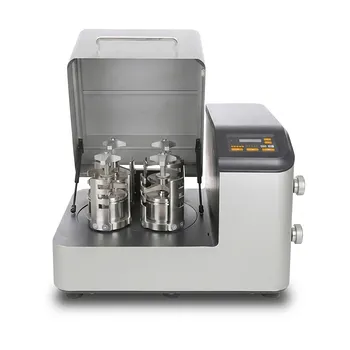
High Energy Planetary Ball Mill for Nano Scale Grinding and Colloidal Mixing in Material Science Research
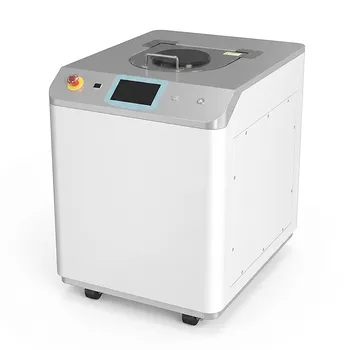
Industrial Planetary Centrifugal Vacuum Defoaming Mixer for High Viscosity Paste and Advanced Material Science
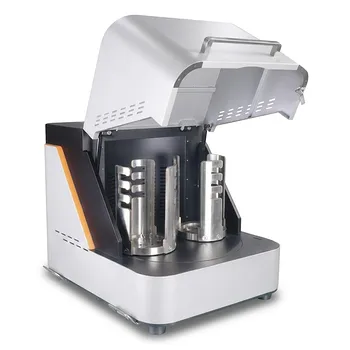
High Energy Laboratory Planetary Ball Mill for Nano Grinding and Colloidal Mixing of Hard and Brittle Materials