What is the role of a precision laboratory press in FT-IR ceramic analysis? Achieve Optical Clarity & Precise Data
Updated 4 months ago
The precision laboratory press is the essential tool for converting opaque ceramic powders into optically transparent pellets. By applying stable, uniform high pressure to a mixture of ancient ceramic powder and potassium bromide (KBr), the press induces plastic deformation and intermolecular bonding. This physical transformation allows infrared beams to penetrate the sample with minimal scattering, enabling the FT-IR spectrometer to capture the delicate chemical signatures of clay mineral structures.
Core Takeaway: A laboratory press serves as the bridge between raw archaeological samples and readable data by using high pressure to create a "glass-like" optical window. Without this precise compression, light scattering would obscure the spectral peaks required to understand a ceramic's thermal history and mineral composition.
Achieving Optical Transparency through Plastic Deformation
The Role of Stable High Pressure
A precision laboratory press applies several tons of force—often up to 5 t/cm²—to a specialized die containing the sample. This intense, uniform pressure is necessary to overcome the surface tension and resistance of solid particles.
Inducing Intermolecular Bonding
Under extreme pressure, the KBr matrix and ceramic particles undergo plastic deformation. This process eliminates internal voids and forces the particles to bond through intermolecular forces, resulting in a solid, ultra-thin disc.
Creating the "Optical Window"
The end result of this compression is a pellet with high optical transparency. This transparency is a physical prerequisite for transmission spectroscopy, as it allows the infrared beam to pass through the material rather than reflecting off its surface.
Maximizing Signal Quality in FT-IR Analysis
Reducing Infrared Light Scattering
In their powdered state, ceramic minerals scatter infrared light in all directions, leading to "noise" and lost data. The press ensures the pellet is flat, thin, and uniform, which significantly reduces scattering loss and improves the signal-to-noise ratio.
Capturing Trace Chemical Signatures
Ancient ceramics are complex; they contain specific functional group vibrations such as Si-O-Al and OH bonds. A high-quality pellet allows the spectrometer to detect these subtle peaks, which reflect how the clay minerals were transformed by heat during the original firing process.
Ensuring Uniform Beam Penetration
Precision presses provide the stability needed to create pellets of consistent thickness. This uniformity ensures that the infrared beam penetrates the sample evenly, providing a qualitative assessment of the material’s molecular structure that is both accurate and reproducible.
Understanding the Trade-offs and Pitfalls
The Risk of Inconsistent Pressure
If the pressure applied by the press is uneven or insufficient, the pellet may remain cloudy or opaque. This leads to poor light transmission and "ghost peaks" that can result in the misidentification of the ceramic's mineral components.
Managing Sample Concentration
Adding too much ceramic powder to the KBr mixture can prevent the pellet from fusing properly, regardless of the pressure used. Conversely, too little sample will result in a signal that is too weak to distinguish from background atmospheric interference.
The Impact of Atmospheric Moisture
Potassium Bromide is hygroscopic, meaning it absorbs moisture from the air. If the pressing process is too slow or performed in high humidity, the resulting pellet will show a large "water peak" in the spectra, potentially masking the critical hydroxyl (OH) bond data of the clay.
How to Optimize Your Pellet Preparation
Making the Right Choice for Your Research Goal
When preparing ancient ceramic samples for FT-IR analysis, your approach to using the laboratory press should align with your specific analytical objectives.
- If your primary focus is identifying firing temperatures: Ensure maximum transparency by using high-hardness alloy dies to capture the subtle shifts in clay mineral dehydration peaks.
- If your primary focus is comparative mineralogy: Standardize your pressure settings (e.g., 8–10 tons) and pressing duration to ensure that pellet thickness remains constant across all samples in your study.
- If your primary focus is analyzing fragile or rare artifacts: Use a micro-die and a precision hydraulic press to produce smaller pellets, reducing the amount of original ceramic material required for a successful test.
By mastering the mechanics of the laboratory press, researchers can transform raw archaeological fragments into clear molecular data, unlocking the technological secrets of ancient potters.
Summary Table:
| Key Press Function | Physical Mechanism | Analytical Benefit |
|---|---|---|
| High Pressure (5 t/cm²) | Induces plastic deformation | Creates a transparent "optical window" |
| Uniform Compression | Eliminates internal voids | Reduces infrared light scattering & noise |
| Stable Force Output | Ensures consistent disc thickness | Improves reproducibility of spectral peaks |
| Precision Tooling | Minimizes sample requirements | Ideal for analyzing rare or fragile artifacts |
Elevate Your Material Analysis with Precision Sample Prep
Are you struggling with cloudy pellets or inconsistent FT-IR signals? Contact our specialists today to discover how our advanced laboratory solutions can transform your research workflow.
At [Company Name], we provide complete laboratory sample preparation solutions for material science, specializing in high-performance powder processing and compaction equipment. Whether you are analyzing ancient ceramics or developing advanced composites, our extensive line ensures your samples meet the highest analytical standards:
- Hydraulic Presses: A full spectrum including Standard Lab Presses, XRF Pellet Presses, Hot Presses, Vacuum Hot Presses, and Cold/Warm Isostatic Presses (CIP/WIP).
- Powder Processing: High-efficiency crushers (jaw/roll), liquid nitrogen cryogenic grinders, and versatile mills (planetary ball, jet, sand/bead, disc, and rotor).
- Sieving & Mixing: Vibratory and air-jet sieve shakers, alongside specialized powder and defoaming mixers.
Let us help you achieve perfect optical transparency—Reach out now!
References
- Ki Suk Park, Sabine Reinhold. Pyrometamorphic process of ceramic composite materials in pottery production in the Bronze/Iron Age of the Northern Caucasus (Russia). DOI: 10.1038/s41598-019-47228-y
Mentioned Products
- 6-Ton Small Single-Punch Tablet Press — Laboratory Powder & Granule Tableting Equipment / Tablet Forming Machine
- Custom Raised Height Laboratory Jaw Crusher for Precision Sample Preparation in Material Science
- Manual Tablet Press with Dual Scale Pressure Gauge for Pharmaceutical Food Chemical Laboratory Sample Preparation
- 5 Ton Single Punch Tablet Press Laboratory Small Batch Production
- Automatic Vibrating Powder Feeder for Laboratory Material Processing Precision Vibratory Hopper Feeder for Granular and Powder Material Handling Industrial Grade Vibrating Tray Feeder for Consistent Material Sample Preparation
People Also Ask
- What is the function of a laboratory press in Cr-Ti alloy evaluation? Quantify Fracture Stress & Strength
- What is the function of a laboratory press in assessing the hydrophobic performance of modified vermiculite fillers?
- What is the core function of a laboratory press in the forming of ceramic filter element green bodies? Maximize Density.
- What is the function of a laboratory press in the preparation of ceramic feed rods? Master Density and Precision
- Why is vacuum sealing and flexible packaging necessary for Aluminum Titanate powders during CIP? Ensure Peak Density

Tech Team · PowderPreparation
Last updated on May 14, 2026
Related Products
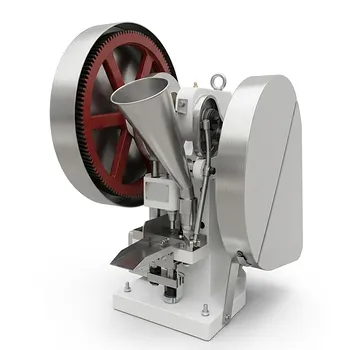
6-Ton Small Single-Punch Tablet Press — Laboratory Powder & Granule Tableting Equipment / Tablet Forming Machine
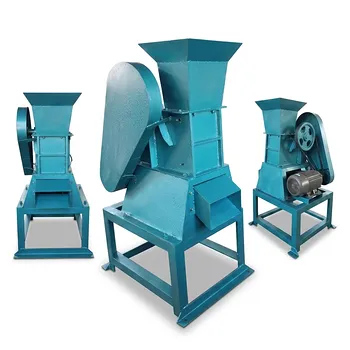
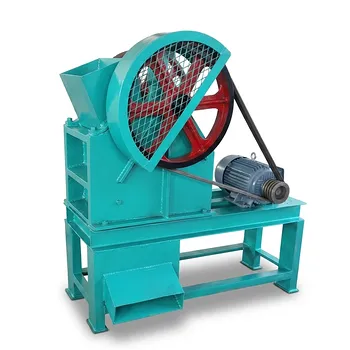
Custom Raised Height Laboratory Jaw Crusher for Precision Sample Preparation in Material Science
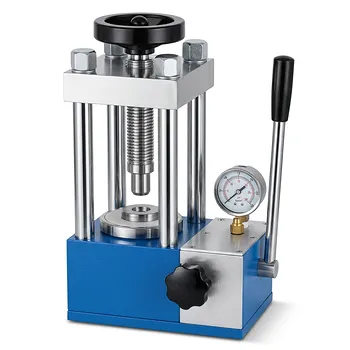
Manual Tablet Press with Dual Scale Pressure Gauge for Pharmaceutical Food Chemical Laboratory Sample Preparation
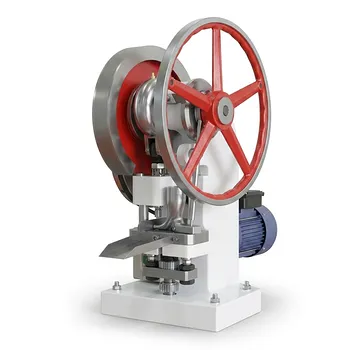
5 Ton Single Punch Tablet Press Laboratory Small Batch Production
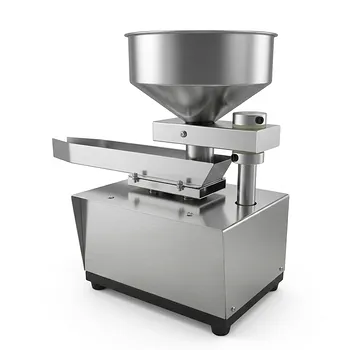
Automatic Vibrating Powder Feeder for Laboratory Material Processing Precision Vibratory Hopper Feeder for Granular and Powder Material Handling Industrial Grade Vibrating Tray Feeder for Consistent Material Sample Preparation
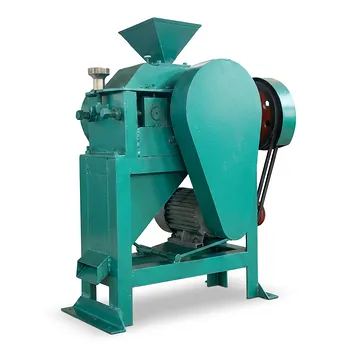
Laboratory Sealed Double Roll Crusher for Coal Ore Rock and Medium Hardness Materials Sample Preparation
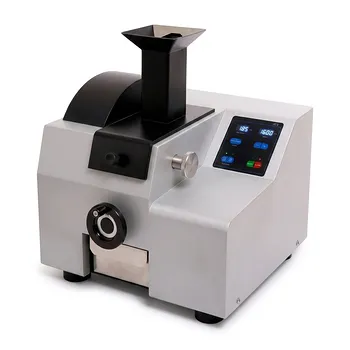
Laboratory Benchtop Jaw Crusher for Hard Brittle Materials Primary Size Reduction and Sample Preparation
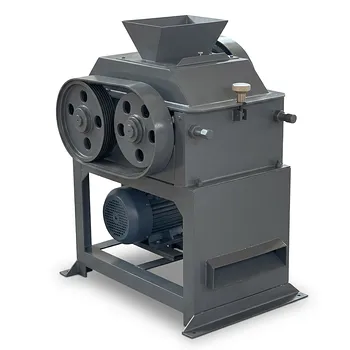
Sealed Laboratory Double Roll Crusher for Coal, Mineral, Ore Sample Preparation
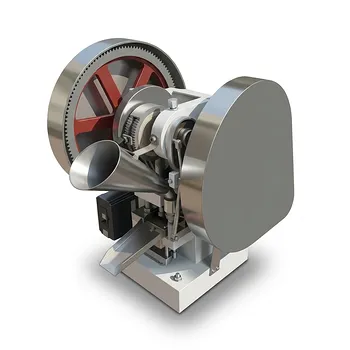
6 Ton Variable Frequency Single Punch Tablet Press