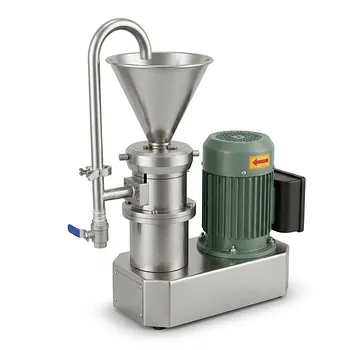
What is the role of a planetary ball mill in Nb-doped TiO2 synthesis? Achieve Uniform Doping and Nano-Scale Refinement
Updated 5 months ago
A planetary ball mill serves as a high-energy mixing and refinement reactor essential for integrating niobium into a titanium dioxide matrix. By utilizing intense impact and shear forces, the equipment ensures that niobium dopants are uniformly distributed at a molecular level within an isopropanol medium. This process transforms raw precursors into a highly reactive, homogeneous composite powder ready for thermal processing.
The planetary ball mill is the primary tool for overcoming the physical and chemical barriers to uniform doping in Nb-doped TiO2 synthesis. It combines particle size reduction with forced homogenization to create a precursor state that is impossible to achieve through manual mixing or low-energy methods.
The Role of Mechanical Energy in Dopant Integration
High-Energy Impact and Shear Forces
The planetary ball mill operates through high-speed rotation and revolution, creating centrifugal forces that propel grinding media against the powder. These impact and shear forces provide the mechanical energy necessary to break down the titanium dioxide and niobium pentoxide precursors. This mechanical action is far more aggressive than traditional milling, allowing for rapid processing.
Refinement to the Nanometer Scale
A critical function of the mill is the intense fragmentation of particles. In Nb-doped TiO2 synthesis, the process refines large-particle oxides down to the nanometer scale, significantly increasing the specific surface area. This increased surface area provides more active sites, which are vital for the chemical reactions that occur during subsequent calcination.
Achieving Chemical and Structural Homogeneity
Uniform Precursor Distribution
The high-frequency rotation ensures that the niobium dopant is dispersed evenly throughout the titanium dioxide matrix. This prevents component segregation, a common issue when dealing with materials of different densities or particle sizes. A uniform distribution is the prerequisite for forming a stable, single-phase material during high-temperature treatment.
Mechanochemical Pre-conditioning
Beyond simple mixing, the planetary ball mill provides enough energy to begin breaking Ti-O bonds within the lattice. This mechanochemical effect can lower the macroscopic temperature required for dopant incorporation. It essentially "pre-activates" the powder, facilitating the transition from a simple physical mixture to a supersaturated solid solution.
Understanding the Trade-offs and Limitations
Risk of Material Contamination
The high-energy nature of the process means that the grinding jars and balls are subject to wear. In sensitive synthesis like Nb-doped TiO2, impurity pickup from stainless steel or ceramic grinding media can alter the electrical or photocatalytic properties of the final product. Selecting compatible materials, such as zirconia or alumina, is often necessary to maintain purity.
Thermal Effects and Agglomeration
While the mill operates at low macroscopic temperatures, the localized friction at the point of impact can generate significant heat. If not managed, this can lead to unwanted phase transformations or the "cold welding" of particles. In wet milling, the choice of medium (like isopropanol) helps dissipate this heat, but excessive milling time can still lead to particle agglomeration.
How to Apply This to Your Synthesis Goal
Choosing the Right Parameters
- If your primary focus is Maximum Phase Purity: Use lower rotation speeds over longer durations with high-purity zirconia media to minimize contamination.
- If your primary focus is Nanoscale Particle Size: Prioritize high-energy settings and a high ball-to-powder ratio to maximize the frequency of impacts.
- If your primary focus is Rapid Prototyping: Utilize high-speed wet milling to achieve a homogeneous precursor mixture in the shortest possible timeframe.
The planetary ball mill is the definitive tool for ensuring that niobium is not just present, but structurally integrated into the titanium dioxide lattice for optimal material performance.
Summary Table:
| Process Phase | Mechanism | Benefit for Nb-doped TiO2 |
|---|---|---|
| Size Reduction | High-energy impact/shear | Refinement to nanometer scale and high surface area |
| Homogenization | Centrifugal rotation | Uniform molecular distribution; prevents Nb segregation |
| Activation | Mechanochemical energy | Breaks Ti-O bonds to facilitate solid solution formation |
| Thermal Control | Wet milling (Isopropanol) | Dissipates friction heat and prevents particle welding |
Elevate Your Material Synthesis with Precision Equipment
Achieving the perfect niobium distribution in a titanium dioxide matrix requires more than just mixing—it requires precision engineering. At [Brand Name], we provide complete laboratory sample preparation solutions for material science, specializing in advanced powder processing and compaction equipment.
Whether you are refining precursors with our high-energy planetary ball mills, jet mills, and rotor mills, or seeking the perfect final form using our Cold/Warm Isostatic Presses (CIP/WIP) and vacuum hot presses, our equipment is designed to meet the rigorous demands of modern research. From initial crushing to final pelletizing for XRF, we offer the tools you need for consistent, high-purity results.
Ready to optimize your Nb-doped TiO2 synthesis? Contact our technical team today to find the right solution for your lab!
References
- Xiaodong Liu, Robert Freer. High Power Factor Nb-Doped TiO<sub>2</sub> Thermoelectric Thick Films: Toward Atomic Scale Defect Engineering of Crystallographic Shear Structures. DOI: 10.1021/acsami.2c16587
Mentioned Products
- Vertical Square Planetary Ball Mill for Laboratory Sample Preparation and Nanoscale Grinding
- Vertical Production Planetary Ball Mill for High Throughput Powder Processing
- High Energy Laboratory Planetary Ball Mill for Nano Grinding and Material Science Sample Preparation
- Vertical Semi Circular Planetary Ball Mill for Laboratory Precision Grinding
- High Energy Planetary Ball Mill for Nano Scale Grinding and Mechanical Alloying
People Also Ask
- What is the function of a planetary ball mill in wollastonite ceramic prep? Achieve Molecular Homogenization & Reactivity
- How does a planetary ball mill contribute to the homogenization of trace elements? Achieve Sub-Micron Uniformity
- Why grind lime-pozzolan specimens for TG/DTA for 3 mins? Master sample prep for high-precision thermal analysis.
- What role does a planetary ball mill play in the synthesis of Li6PS5Cl (LPSCl)? Unlock High Ionic Conductivity
- What role does a planetary ball mill play in KNTO ceramic refinement? Optimize Homogeneity & Reactivity

Tech Team · PowderPreparation
Last updated on May 14, 2026
Related Products
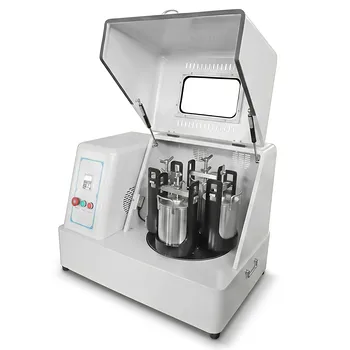
Vertical Square Planetary Ball Mill for Laboratory Sample Preparation and Nanoscale Grinding
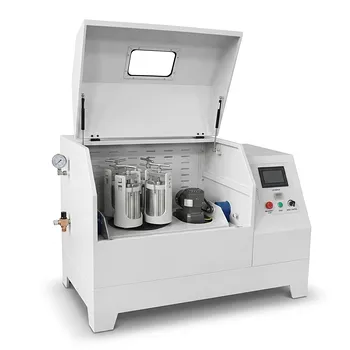
Vertical Production Planetary Ball Mill for High Throughput Powder Processing
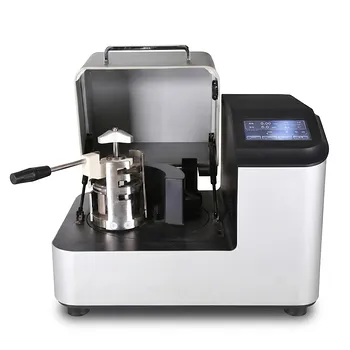
High Energy Laboratory Planetary Ball Mill for Nano Grinding and Material Science Sample Preparation
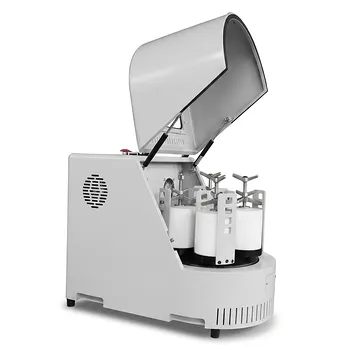
Vertical Semi Circular Planetary Ball Mill for Laboratory Precision Grinding

High Energy Planetary Ball Mill for Nano Scale Grinding and Mechanical Alloying
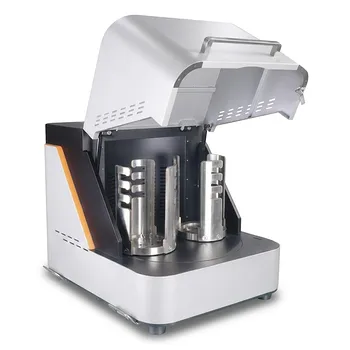
High Energy Laboratory Planetary Ball Mill for Nano Grinding and Colloidal Mixing of Hard and Brittle Materials
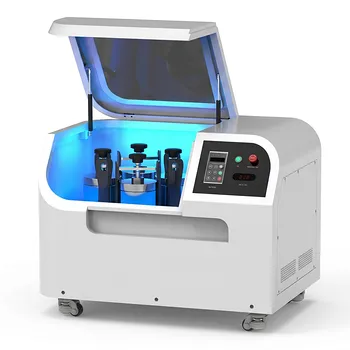
Planetary Ball Mill 12L
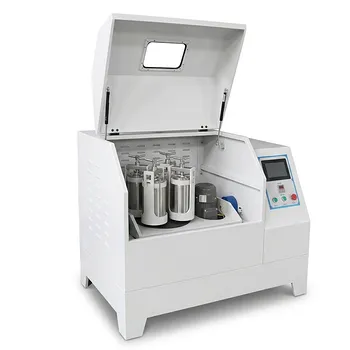
360° Rotating Omnidirectional Laboratory Planetary Ball Mill for Homogeneous Ultra-Fine Grinding and Mixing
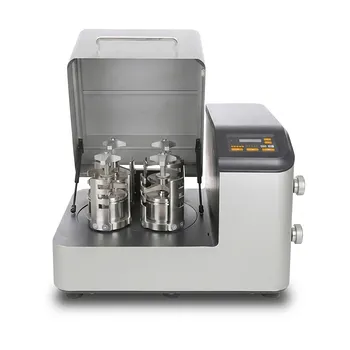
High Energy Planetary Ball Mill for Nano Scale Grinding and Colloidal Mixing in Material Science Research
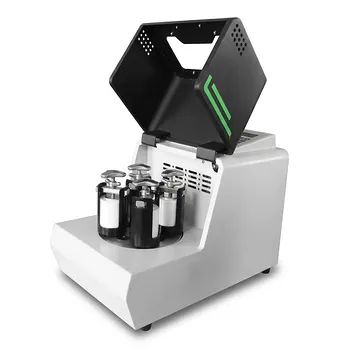
Miniature Planetary Ball Mill with Vacuum Grinding and High Efficiency for Laboratory Sample Preparation
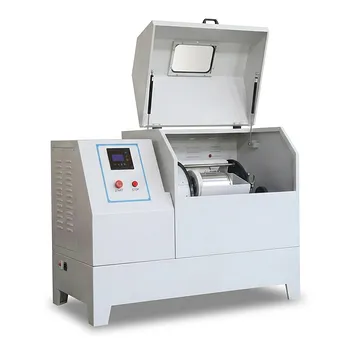
Heavy Duty Horizontal Planetary Ball Mill for Efficient Industrial Grinding and Sample Preparation
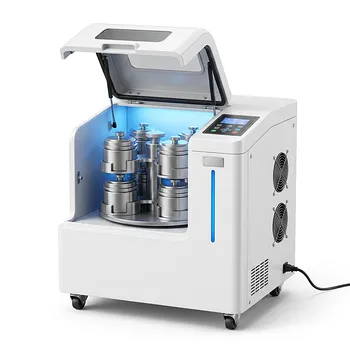
High Energy Omnidirectional Planetary Ball Mill 20L
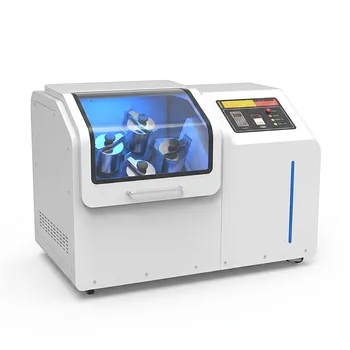
High Energy Omnidirectional Planetary Ball Mill 16L
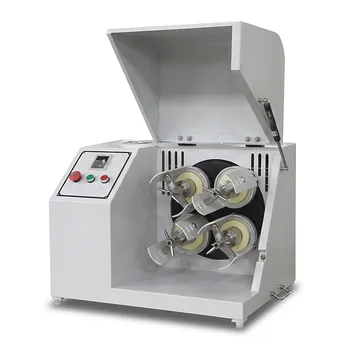
Horizontal Light Duty Planetary Ball Mill for Laboratory Sample Preparation
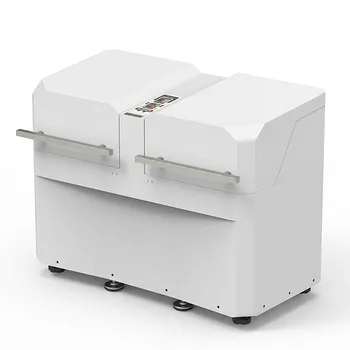
Dual Station Planetary Ball Mill 24L
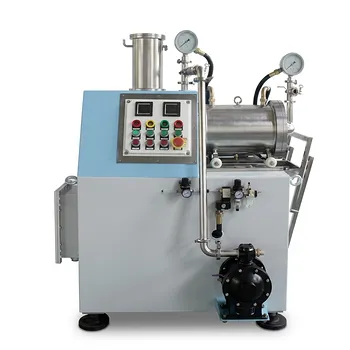
Horizontal Bead Mill for Nanoscale Grinding and Advanced Material Powder Processing
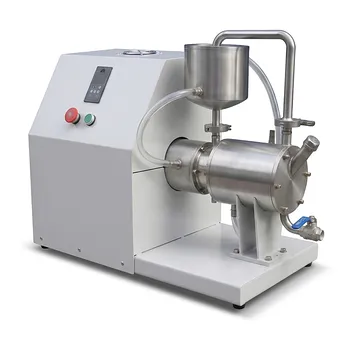
Laboratory Small Horizontal Sand Mill for Nano Materials Wet Grinding
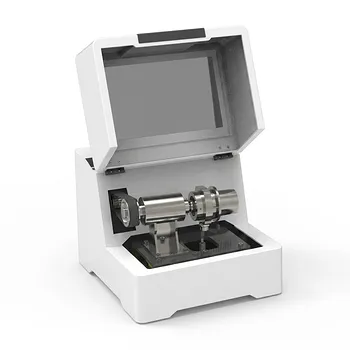
Single Tank High Energy Vibratory Ball Mill for Laboratory Grinding and Mixing
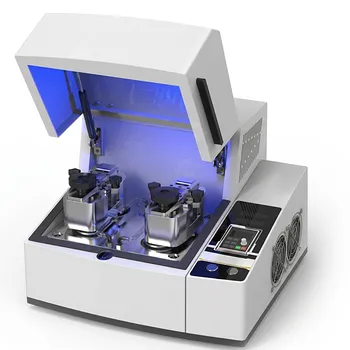
Laboratory Nano High Energy Ball Mill Ultrafine Grinding Mechanical Alloying