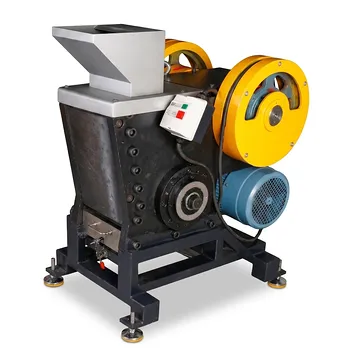
What is the role of a laboratory-scale jaw crusher in the preparation of raw diatomaceous earth? Optimize Your Process
Updated 4 months ago
The laboratory-scale jaw crusher serves as the critical first stage in the comminution circuit for raw diatomaceous earth. It performs the initial coarse reduction of large ore lumps down to a uniform particle size of approximately 2mm. This step is essential to stabilize the material before it undergoes drying and fine milling.
The primary role of the jaw crusher is to provide a consistent, 2mm base material from raw diatomaceous earth ore. This preliminary size reduction ensures that subsequent drying and fine-milling stages operate with maximum stability and efficiency.
The Mechanics of Primary Size Reduction
Compression-Based Comminution
The jaw crusher utilizes a V-shaped chamber formed by a fixed jaw and a moving jaw. By applying cyclic compression forces, the equipment fractures large chunks of raw diatomaceous earth into manageable fragments.
Precision Size Control
For diatomaceous earth, the equipment is typically adjusted to reduce the ore to a particle size of approximately 2mm. This specific output is necessary to transition the raw mineral from its "as-mined" state to a standardized laboratory feed.
Maintaining Feed Stability
By precisely controlling the discharge size, the jaw crusher ensures a uniform particle size distribution. This consistency is vital for maintaining the continuity of the entire powder processing chain in a laboratory environment.
Impact on Downstream Processing
Optimizing Drying and Fine Milling
Raw diatomaceous earth often requires moisture removal and further pulverization. A uniform 2mm feed allows for even heat distribution during drying and prevents the clogging or overloading of fine-milling equipment.
Simulating Industrial Conditions
Using a laboratory-scale jaw crusher allows researchers to replicate industrial-scale primary crushing. This ensures that laboratory results regarding material behavior and flow have significant reference value for engineering applications.
Minimizing Inefficiency
Starting with a standardized coarse material reduces the energy load on secondary grinders. It prevents the overproduction of ultrafine particles at an early stage, which can complicate the classification and separation of the diatomaceous fossils.
Understanding the Trade-offs
The Limitation of Coarse Crushing
A jaw crusher is strictly a primary reduction tool and cannot produce the fine powders often required for final diatomite products. It is designed for volume reduction, not for achieving the final micron-level particle sizes.
Dust Generation and Material Loss
While effective at crushing, the process can generate airborne dust, especially with dry diatomaceous earth. In a laboratory setting, this requires adequate ventilation or containment to prevent material loss and ensure operator safety.
Maintenance of Jaw Plates
Diatomaceous earth can be abrasive. Over time, the jaw plates will wear, which can lead to shifts in the discharge size and potential contamination of the sample if the plates are not made of high-quality, wear-resistant materials.
Optimizing Your Material Preparation
Choosing the right parameters for your jaw crusher depends on the specific goals of your diatomaceous earth study.
- If your primary focus is process scale-up: Use the jaw crusher to simulate the exact feed size distribution of your industrial primary stage to ensure valid pilot-scale data.
- If your primary focus is material purity: Ensure the jaw plates are made of hardened steel or tungsten carbide to prevent metallic contamination during the high-pressure compression phase.
- If your primary focus is experimental stability: Prioritize a strict 2mm output to guarantee that subsequent drying and milling stages remain consistent across all samples.
Properly utilized, the laboratory jaw crusher transforms heterogeneous raw ore into a standardized technical material ready for advanced analysis.
Summary Table:
| Aspect | Role in Diatomaceous Earth Preparation | Key Benefit |
|---|---|---|
| Primary Stage | Coarse reduction of raw ore lumps | Stabilizes material for downstream processing |
| Size Control | Achieves uniform ~2mm particle size | Ensures even heat distribution during drying |
| Efficiency | Prepares consistent feed for fine mills | Prevents equipment overloading and clogging |
| Simulation | Replicates industrial-scale crushing | Provides reliable data for engineering scale-up |
| Maintenance | Utilizes wear-resistant jaw plates | Minimizes sample contamination from abrasives |
Elevate Your Material Research with Precision Sample Preparation
Achieving consistent results in material science starts with superior sample preparation. At [Our Brand], we provide complete laboratory solutions specialized in powder processing and compaction. Whether you are performing primary reduction of raw minerals or fine-tuning ultrafine powders, our equipment ensures maximum stability and purity.
Our extensive product line includes:
- Crushing & Grinding: High-performance jaw and roll crushers, planetary ball mills, jet mills, and liquid nitrogen cryogenic grinders.
- Sizing & Mixing: Vibratory and air-jet sieve shakers, powder mixers, and high-efficiency defoaming mixers.
- Compaction Solutions: A full spectrum of hydraulic presses, including Cold/Warm Isostatic Presses (CIP/WIP), XRF pellet presses, and vacuum hot presses.
Ready to optimize your laboratory workflow? Contact our technical experts today to discuss your specific application and find the perfect equipment for your material processing needs!
References
- Songül Henteş, Ali Arda Işıkber. Insecticidal efficacy of local diatomaceous earth compositions with different particle sizes against stored grain pests. DOI: 10.16970/entoted.1518849
Mentioned Products
- 150×125mm Laboratory Jaw Crusher for Medium and Fine Crushing of Brittle Materials
- Laboratory Jaw Crusher 200x300mm Opening for Primary Crushing of Ores and Aggregates
- 150x250mm Laboratory Jaw Crusher for Medium Hard Material Crushing and Sample Preparation
- Small Laboratory Jaw Crusher 150x200mm Feed Opening for Sample Preparation and Medium Fine Crushing
- Laboratory Small Jaw Crusher 100x60mm
People Also Ask
- What is the primary function of a laboratory jaw crusher? Master Initial Hard Rock Ore Preparation & Feed Sizing
- What is the role of a laboratory jaw crusher in the initial preparation of silicate-type low-grade copper ore?
- What is the primary role of a laboratory jaw crusher in the initial stages of tin and tantalum ore reprocessing? Explained
- Why is a laboratory jaw crusher necessary for processing biomass materials? Essential Prep for Material Science
- What is the primary function of a laboratory jaw crusher in the pretreatment process of galena ore? Initial Prep Guide

Tech Team · PowderPreparation
Last updated on Jun 03, 2026
Related Products
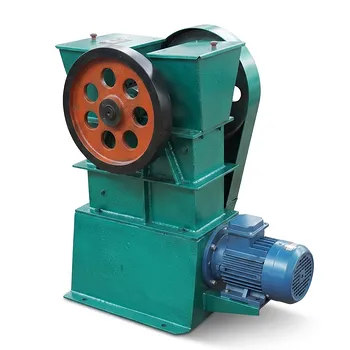
150×125mm Laboratory Jaw Crusher for Medium and Fine Crushing of Brittle Materials
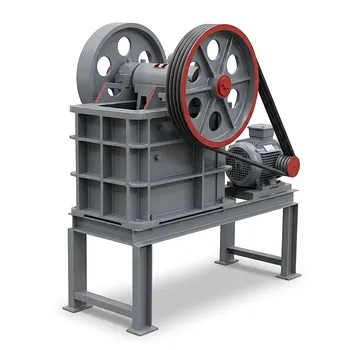
Laboratory Jaw Crusher 200x300mm Opening for Primary Crushing of Ores and Aggregates
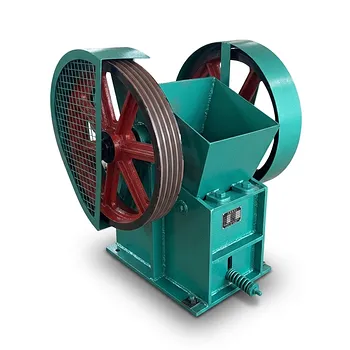
150x250mm Laboratory Jaw Crusher for Medium Hard Material Crushing and Sample Preparation
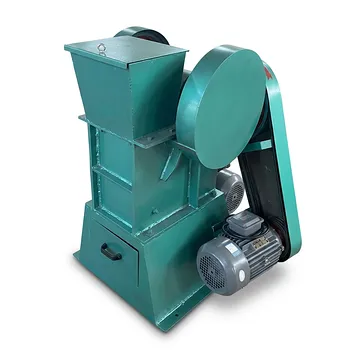
Small Laboratory Jaw Crusher 150x200mm Feed Opening for Sample Preparation and Medium Fine Crushing
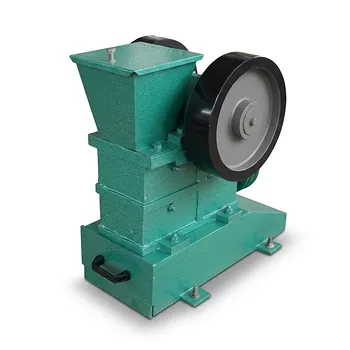
Laboratory Small Jaw Crusher 100x60mm
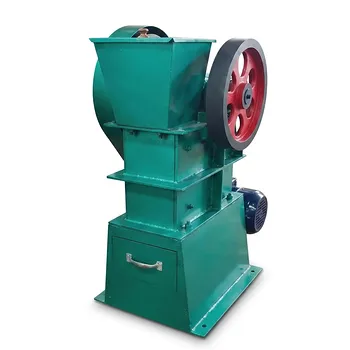
EP Series Small Jaw Crusher for Laboratory Sample Preparation
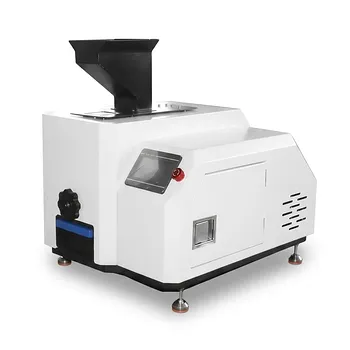
Laboratory Jaw Crusher 2025 Model for Ore and Brittle Material Crushing
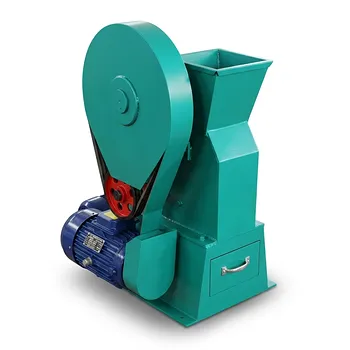
Small Laboratory Jaw Crusher 125x100mm Feed Opening for Sample Preparation
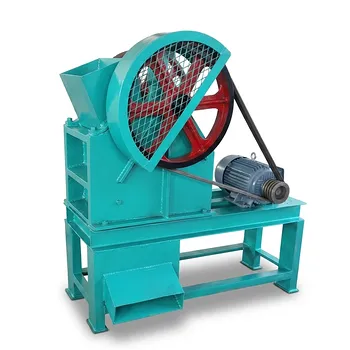
150x250mm Custom Laboratory Jaw Crusher for Coal Ore Mineral Crushing
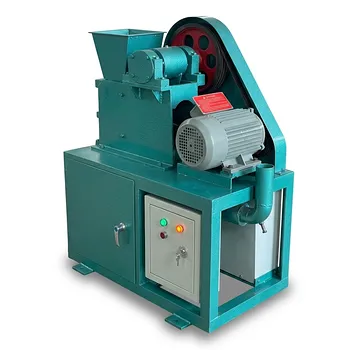
EP-B Type Sealed Jaw Crusher for Laboratory Sample Preparation
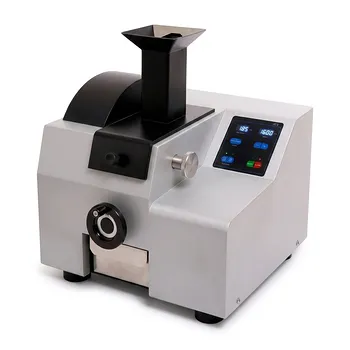
Laboratory Benchtop Jaw Crusher for Hard Brittle Materials Primary Size Reduction and Sample Preparation
Environmentally Friendly Sealed Laboratory Jaw Crusher for Sample Preparation
Experimental Jaw Crusher for Laboratory Ore Crushing and Sample Preparation
Horizontal Jaw Crusher Medium Hard Material Crushing Laboratory Sample Preparation Equipment
Sealed Jaw Crusher for Laboratory Material Crushing and Sample Preparation
Heavy Duty Industrial Laboratory Jaw Crusher for Primary Sample Preparation and Hard Material Size Reduction
Environmentally Friendly Sealed Jaw Crusher for Laboratory Sample Preparation
250x400mm Jaw Crusher Medium Crushing Equipment for Mining Mineral Sample Preparation
Custom Raised Height Laboratory Jaw Crusher for Precision Sample Preparation in Material Science