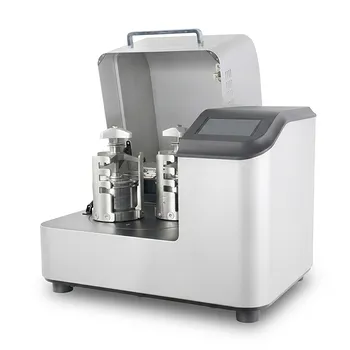
Why use lab grinders for eggshell water filtration? Maximize surface area and reactivity for superior purification.
Updated 5 months ago
The mechanical reduction of eggshells is a critical pre-processing step in water treatment engineering. By utilizing laboratory grinding equipment or crushers, you transform raw waste into a high-performance filtration medium. The core objective is to maximize the specific surface area of the material, which facilitates rapid chemical interactions between the calcium carbonate ($CaCO_3$) and the water stream, effectively accelerating pH neutralization and contaminant adsorption.
The primary purpose of grinding eggshells is to break down their macrostructure to increase specific surface area. This physical transformation is essential for accelerating reaction kinetics, exposing active sites for adsorption, and ensuring a uniform material consistency for effective filtration.
Maximizing Chemical Reactivity through Surface Area
Accelerating Neutralization Kinetics
The calcium carbonate ($CaCO_3$) within eggshells acts as a natural buffering agent. By pulverizing the shells into uniform granules, you increase the contact area between the material and the water flow. This enables the neutralization reaction kinetics to proceed much faster, allowing the system to raise the pH of acidic water efficiently.
Facilitating Thermal and Chemical Transformation
In many advanced filtration applications, eggshell powder undergoes subsequent thermal treatment. Grinding provides the necessary physical form for these high-temperature chemical transformations. A higher surface area ensures that heat and chemical reagents penetrate the material evenly, leading to a more consistent final product.
Removal of Internal Membranes
Raw eggshells contain internal organic membranes that can interfere with certain chemical processes. Using high-energy crushers with specific technical parameters, such as adjustable blade spacing, allows for the mechanical separation of these membranes. This step is foundational for producing ultra-fine powders required for high-reactivity applications.
Achieving Structural and Physical Uniformity
Precision Particle Size Control
Laboratory grinders allow for the selection of specific particle size ranges, such as 0.8–1.0 mm, depending on the filtration needs. Consistency in grain size prevents "channeling" in filtration beds, where water takes the path of least resistance. Uniformity ensures that the entire volume of the filter media is utilized effectively.
Optimizing Matrix Integration
When eggshell powder is used as a reinforcement phase in composite filters or ceramic elements, uniform dispersion is vital. Mechanical refining to micron-sized powder allows the eggshells to mix thoroughly with binders or zeolites. This creates a dense, consistent structural foundation that guarantees reliable filtration performance over time.
Matching Natural Aggregates
In some specialized paving or fixed-bed applications, eggshell powder serves as a fine aggregate. The grinding process ensures the particle size distribution matches that of natural sand. This mechanical alignment allows the powder to be uniformly distributed within cementitious or resin-based systems without compromising structural integrity.
Improving Adsorption Efficiency
Increasing Available Active Sites
For the removal of heavy metals, such as lead ions, the effectiveness of the adsorbent depends on the number of available active sites. Grinding breaks down large particles that would otherwise sequester these sites internally. By exposing the internal pore structure, the mechanical process significantly optimizes the total adsorption capacity.
Enhancing Waste Resource Utilization
Transforming bulk waste into a fine powder is the first step in high-value resource recovery. Mechanical force reduces the raw material to a state where it can be precisely sieved and graded. This pre-processing is the technical foundation for converting a waste product into a functional technical material.
Understanding the Trade-offs of Mechanical Processing
Energy Consumption vs. Reactivity
While finer powders offer higher reactivity, the energy required for ultra-fine grinding increases exponentially. Engineers must balance the kinetic benefits of a smaller particle size against the operational costs of high-energy milling. Over-processing can also lead to excessive "fines" that may clog filtration systems.
Material Loss and Dust Management
The use of high-speed mechanical pulverizers generates significant amounts of dust and fine particulates. This not only represents a loss of raw material but also requires robust dust collection systems to maintain laboratory safety. Without proper containment, the finest (and often most reactive) particles can be lost to the environment.
Potential for Thermal Degradation
High-shear grinding can generate localized heat, which may prematurely alter the organic components of the eggshell. If the goal is to maintain the integrity of the internal protein matrix for specific biological applications, cooling measures or slower grinding speeds must be implemented to prevent thermal damage during the crushing phase.
Making the Right Choice for Your Goal
How to Apply This to Your Project
- If your primary focus is pH correction: Prioritize grinding to a fine granular state (0.5mm-1.0mm) to maximize the surface area for $CaCO_3$ interaction while maintaining high flow rates.
- If your primary focus is heavy metal adsorption: Focus on producing an ultra-fine micronized powder to expose the maximum number of internal active sites.
- If your primary focus is ceramic filter production: Ensure rigorous sieving after grinding to achieve a uniform particle size that will bond consistently with binders and zeolites.
- If your primary focus is waste-to-resource scaling: Utilize industrial-grade shear grinders to process bulk volumes efficiently before secondary refining.
By precisely controlling the mechanical breakdown of eggshells, you transform a common waste product into a highly reactive and structurally sound medium for advanced water purification.
Summary Table:
| Key Objective | Impact on Filtration Performance | Recommended Process |
|---|---|---|
| Surface Area Boost | Accelerates $CaCO_3$ reaction and pH buffering | Fine grinding to <1.0mm |
| Active Site Exposure | Maximizes heavy metal (e.g., Lead) adsorption | Micron-sized pulverization |
| Particle Uniformity | Prevents channeling and ensures consistent flow | Precision sieving & grading |
| Structural Integrity | Enhances bonding in ceramic or composite filters | Mechanical refining & mixing |
Optimize Your Material Processing with Professional Lab Solutions
Transform raw waste into high-performance technical materials with our comprehensive laboratory sample preparation equipment. Whether you are researching water filtration, waste-to-resource scaling, or material science, we provide the tools to ensure precision and efficiency.
Our Specialized Equipment Includes:
- Crushing & Grinding: Jaw/roll crushers for initial reduction and planetary ball, jet, or rotor mills for ultra-fine powders.
- Particle Analysis: Vibratory and air-jet sieve shakers to ensure perfect grain size distribution.
- Compaction & Forming: A full spectrum of hydraulic presses, including Cold/Warm Isostatic Presses (CIP/WIP) and vacuum hot presses for advanced filter elements.
- Mixing: Powder and defoaming mixers for consistent composite integration.
Ready to enhance your lab's output? Contact our experts today to find the perfect grinding or compaction solution tailored to your specific research goals!
References
- Novianti Novianti, Ulli Kadaria. Potensi Cangkang Telur Ayam sebagai Media Filter untuk Meningkatkan pH pada Pengolahan Air Gambut (The Potential of Chicken Eggshells as a Filter Media to Increase pH for Peat Water Treatment). DOI: 10.26418/jtllb.v7i2.37234
Mentioned Products
- Cross Beater Mill for Brittle Material Grinding and Continuous Fine Crushing Industrial Sample Preparation
- Water Cooled Pulse Jet Ultrafine Grinder
- Laboratory Disc Mill for Fine Sample Preparation of Hard and Brittle Materials
- Vertical Square Planetary Ball Mill for Laboratory Sample Preparation and Nanoscale Grinding
- Small Ceramic Structure Laboratory Sand Mill Nanoscale Grinding Dispersion Equipment Seal-less Screen-less Design
People Also Ask
- Why use lab mills for corncob size reduction? Boost activated carbon surface area and activation efficiency.
- How does an industrial grinding mill contribute to groundnut shell powder preparation? Enhance Polymer Filler Performance
- What is the technical significance of the relative collision velocity of grinding media? Maximize Milling Efficiency
- What is the role of industrial crushers and grinding equipment in waste glass pretreatment for eco-friendly bricks?
- What Role Does Lab Grinding Play in Banana Fiber Thermal Coatings? Optimize Waste Into High-Performance Barriers

Tech Team · PowderPreparation
Last updated on May 14, 2026
Related Products
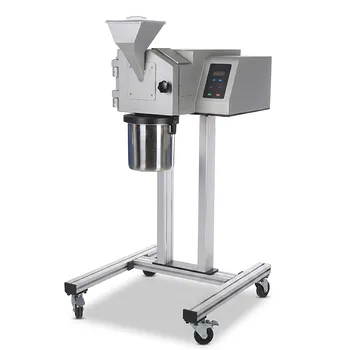
Cross Beater Mill for Brittle Material Grinding and Continuous Fine Crushing Industrial Sample Preparation
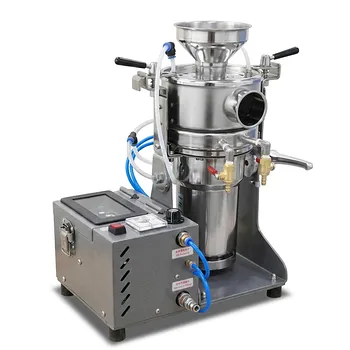
Water Cooled Pulse Jet Ultrafine Grinder
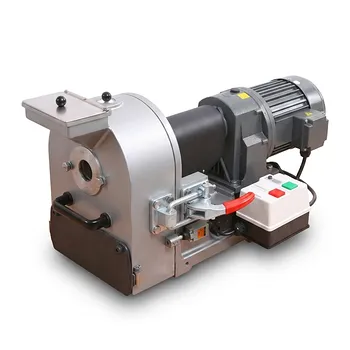
Laboratory Disc Mill for Fine Sample Preparation of Hard and Brittle Materials
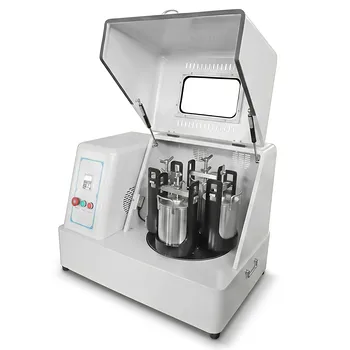
Vertical Square Planetary Ball Mill for Laboratory Sample Preparation and Nanoscale Grinding
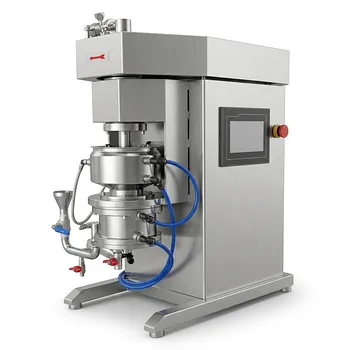
Small Ceramic Structure Laboratory Sand Mill Nanoscale Grinding Dispersion Equipment Seal-less Screen-less Design
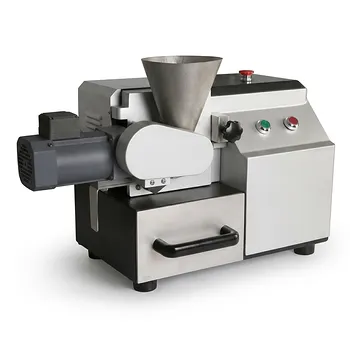
Laboratory Hammer Mill for Coal Quality Analysis and Brittle Mineral Grinding
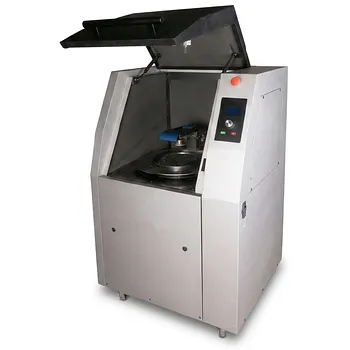
High Speed Vibratory Disc Mill for Spectral Analysis Sample Preparation and Rapid Powder Grinding
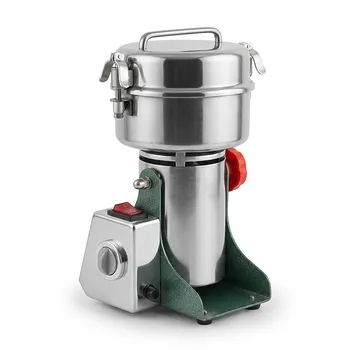
Small High-Speed Swing Grinder for Laboratory Sample Preparation
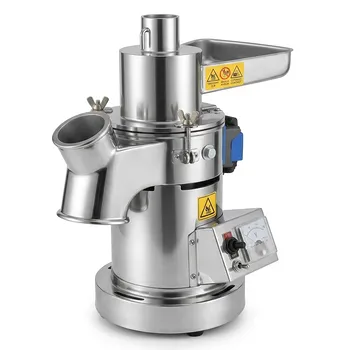
Continuous Feeding Grinder High Efficiency Pulverizer for Lab Sample Preparation
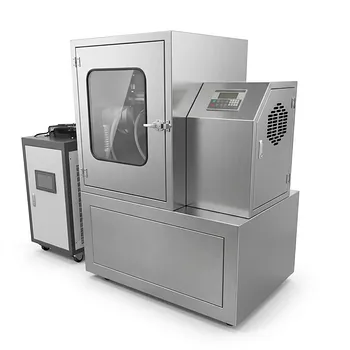
Vibratory Superfine Grinder for Ultra Fine Laboratory Powder Milling
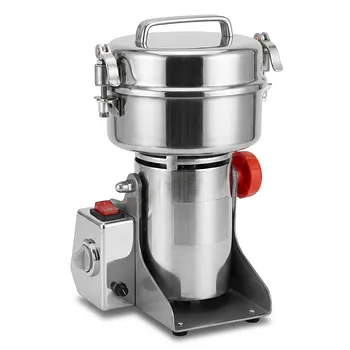
High Speed Laboratory Powder Grinder Small Batch Sample Preparation Mill
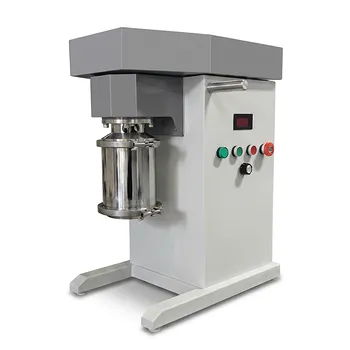
Nano Laboratory Bead Mill Desktop Sub Micron Sand Mill Screenless Seal Less Powder Grinder
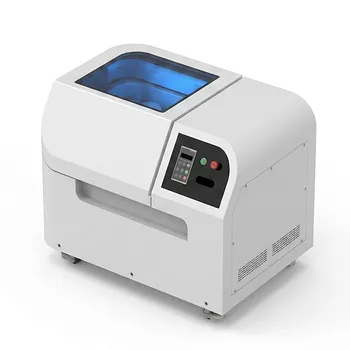
8L Planetary Ball Mill for Laboratory Grinding and Sample Preparation
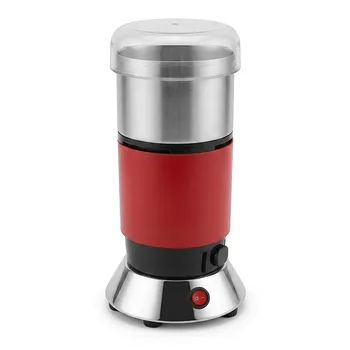
Micro Solid Sample Grinder High Speed Pulverizer for Laboratory Small Batch Grinding
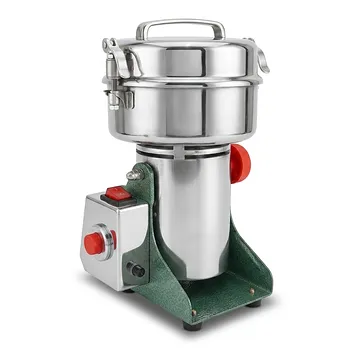
Small High-Speed Laboratory Grinder for Powder Processing
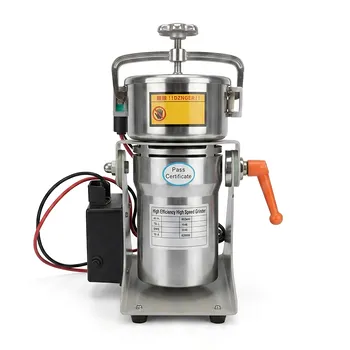
High Efficiency High Speed Grinder Laboratory Mill 1300W 25000rpm
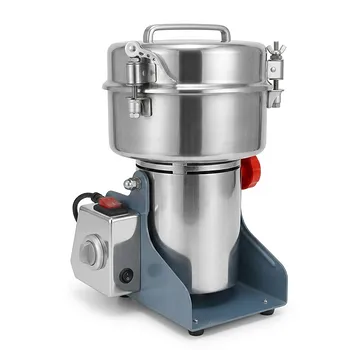
Small High-Speed Grinder for Efficient Laboratory Sample Preparation
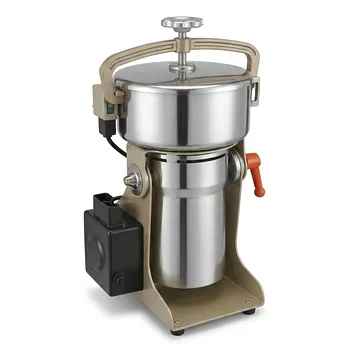
Multifunctional High Efficiency High Speed Laboratory Grinder
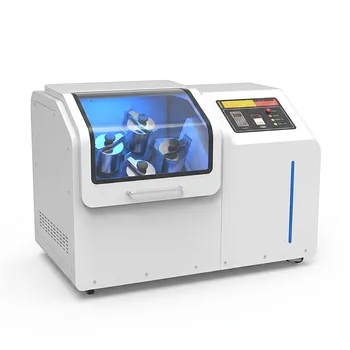
High Energy Omnidirectional Planetary Ball Mill 16L