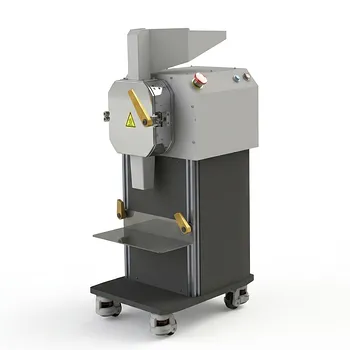
What is the primary purpose of using industrial crushers to process steel slag? Boost Reactivity & Surface Area
Updated 4 months ago
Industrial crushing and abrasion are the essential first steps in transforming inert steel slag into a reactive binder. The primary purpose of using these machines is to significantly reduce the particle size of the slag, thereby increasing its specific surface area. This physical transformation is critical because it enhances the slag's chemical reactivity, allowing it to engage in pozzolanic reactions with clay and other additives to ensure the effective integration and fusion of the stabilized soil.
Core Takeaway: By mechanically reducing slag to a fine powder or small aggregate, you transition the material from a waste byproduct to a high-surface-area reactant. This process is the prerequisite for the chemical bonding and physical uniformity necessary for structural soil stabilization.
The Relationship Between Particle Size and Reactivity
Maximizing Specific Surface Area
Reducing the size of steel slag particles exponentially increases the total surface area available for chemical interaction. A higher surface area allows for more contact points between the slag, water, and chemical activators like carbide slag.
Driving the Pozzolanic Reaction
Steel slag in its bulk form is relatively stable and unreactive. Mechanical processing exposes the internal mineral structure, which is necessary to trigger the pozzolanic reaction with clay and other modified materials, creating a cementitious matrix.
Ensuring Material Fusion
Fine-tuned particle sizes allow the slag to blend intimately with soil aggregates. This leads to a more cohesive fusion of materials, preventing weak spots in the stabilized soil and ensuring a dense, durable final product.
Operational Advantages of Mechanical Processing
Homogenization and Sample Accuracy
Crushers eliminate the impact of particle size variations, ensuring that aged slag performs similarly to modern fine-powdered slag. This homogenization is vital for achieving consistent results in laboratory testing and large-scale field applications.
Improving Grinding Efficiency
Using a jaw crusher to reduce slag to a grain size of less than 3mm provides a uniform feed for secondary fine-grinding mills. This "pre-crushing" stage significantly reduces energy consumption and prevents excessive wear on high-precision grinding equipment.
Achieving Optimal Packing Density
Standardizing the dimensions of slag aggregates allows for better control over grading requirements. When the particle size distribution is optimized, the stabilized soil achieves a higher packing density, which directly increases its load-bearing capacity.
Understanding the Trade-offs and Constraints
Energy Consumption vs. Reactivity
While finer particles generally lead to higher reactivity, the energy required to achieve ultra-fine powders increases exponentially. Engineers must find the economic "sweet spot" where the gain in soil strength justifies the electrical and maintenance costs of the crushing equipment.
Risk of Material Over-Processing
Over-crushing can sometimes lead to an excess of "fines" that may negatively impact the drainage characteristics of the soil. It is critical to monitor the reduction ratio to ensure the slag meets specific grading standards without becoming an unmanageable dust.
Equipment Wear and Tear
Steel slag is exceptionally abrasive and can cause rapid degradation of crusher jaws and liners. Selecting equipment with high-manganese steel or specialized alloys is necessary to maintain consistent particle output and reduce frequent downtime for repairs.
How to Apply This to Your Project
Recommendations for Material Preparation
- If your primary focus is maximizing chemical strength: Utilize high-energy abrasion machines to reduce the slag to the finest possible powder to ensure total pozzolanic integration.
- If your primary focus is operational cost-efficiency: Implement a multi-stage crushing circuit, using a jaw crusher for initial reduction followed by a targeted milling process to reach the minimum necessary surface area.
- If your primary focus is physical soil reinforcement: Focus on achieving a specific aspect ratio and consistent aggregate dimensions rather than pure fineness to ensure stable frictional interlocking.
Strategic mechanical processing ensures that steel slag functions not just as a filler, but as an active structural component in stabilized soil.
Summary Table:
| Process Objective | Key Benefit to Stabilized Soil | Recommended Equipment |
|---|---|---|
| Size Reduction | Increases specific surface area for reactions | Jaw Crusher / Roll Crusher |
| Chemical Activation | Triggers pozzolanic reactions with clay | Planetary Ball Mill / Disc Mill |
| Homogenization | Ensures uniform material fusion and consistency | Powder Mixer / Sieve Shaker |
| Energy Efficiency | Reduces wear on secondary fine-grinding mills | Multi-stage Crushing Circuit |
| Density Control | Optimizes packing density and load capacity | Hydraulic Lab Press / CIP |
Optimize Your Material Preparation with Professional Lab Solutions
Ready to transform steel slag from a waste byproduct into a high-performance reactive binder? At [Your Brand Name], we provide complete laboratory sample preparation solutions for material science, specializing in high-durability powder processing and compaction equipment.
Whether you are focusing on maximizing chemical strength or operational cost-efficiency, our extensive product line is designed to handle the most abrasive materials:
- Crushing & Grinding: High-manganese jaw/roll crushers, planetary ball mills, jet mills, and disc mills for precise particle size control.
- Sizing & Mixing: Vibratory sieve shakers and high-efficiency powder mixers to ensure material homogenization.
- Advanced Compaction: A full spectrum of hydraulic presses, including Cold/Warm Isostatic Presses (CIP/WIP), XRF pellet presses, and vacuum hot presses for superior sample density.
Enhance your lab's research accuracy and processing efficiency today. Contact our technical team now to find the perfect equipment configuration for your soil stabilization and material science projects!
References
- Damilola A. Ogundare, Ayodeji Theophilus Akinbuluma. Predictive Modelling and Functional Group of Clay Soil Treated with Steel Slag and Calcium Carbide Residue. DOI: 10.4314/njtd.v21i3.2715
Mentioned Products
- Stainless Steel Coarse Crusher for Pharmaceutical Food and Plastic Material Processing
- Versatile Industrial Crusher for Laboratory Crushing and Material Processing
- Heavy-Duty Crusher for Laboratory and Industrial Material Size Reduction
- Heavy Duty Industrial Jaw Crusher for Primary Ore Crushing and High Capacity Mineral Material Size Reduction
- Heavy-Duty Jaw Crusher for Medium-Hard Ore and Industrial Mineral Crushing
People Also Ask
- What is the role of industrial crushers and standard test sieves in biomass pyrolysis? Optimize Heat Transfer & Yield
- What is the purpose of using industrial crushers and vibratory sieve shakers in the pretreatment of coal gangue? Ensure Uniformity
- What is the function of an industrial crusher in CRSS filler preparation? Essential Size Reduction for Carbonization
- What is the function of industrial crushers in the initial preparation of silicate minerals? Enhance Sample Uniformity
- How do crushers and mills work together in gypsum recycling? Transform drywall waste into reactive ceramic materials.

Tech Team · PowderPreparation
Last updated on Jun 03, 2026
Related Products
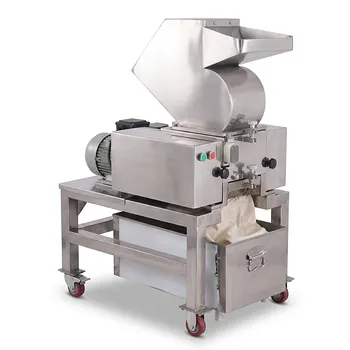
Stainless Steel Coarse Crusher for Pharmaceutical Food and Plastic Material Processing
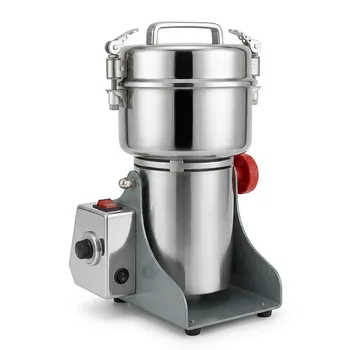
Versatile Industrial Crusher for Laboratory Crushing and Material Processing
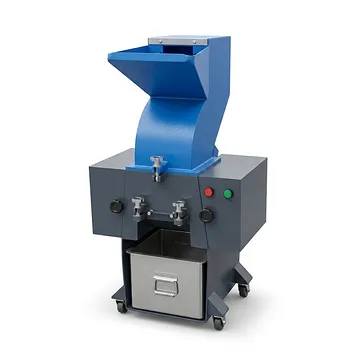
Heavy-Duty Crusher for Laboratory and Industrial Material Size Reduction
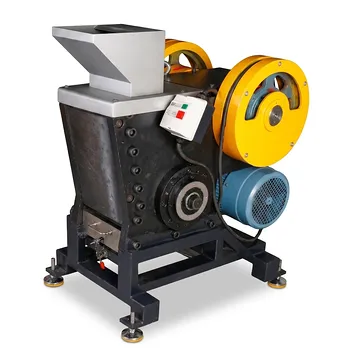
Heavy Duty Industrial Jaw Crusher for Primary Ore Crushing and High Capacity Mineral Material Size Reduction
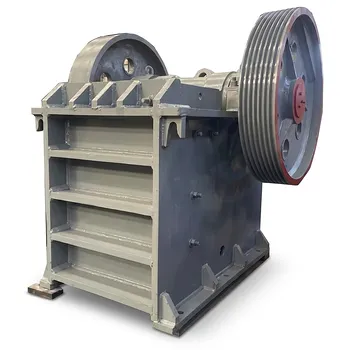
Heavy-Duty Jaw Crusher for Medium-Hard Ore and Industrial Mineral Crushing
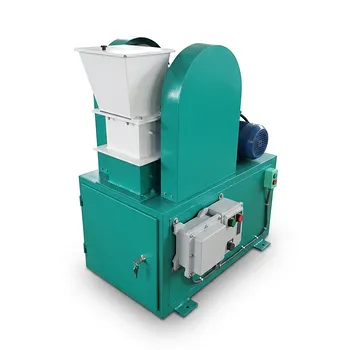
Custom Explosion-Proof Sealed Jaw Crusher for Laboratory and Industrial Sample Preparation
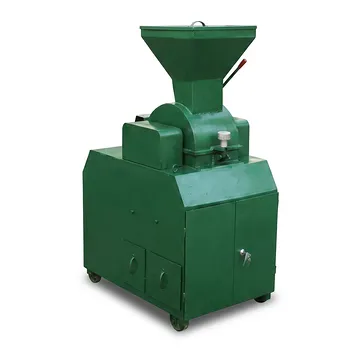
Industrial Sealed Hammer Knife Crusher for Mining Ore and Coal Sample Preparation
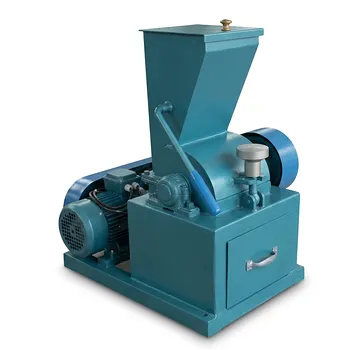
Small Hammer Crusher for Brittle Material Crushing in Mining Metallurgy and Lab Sample Preparation
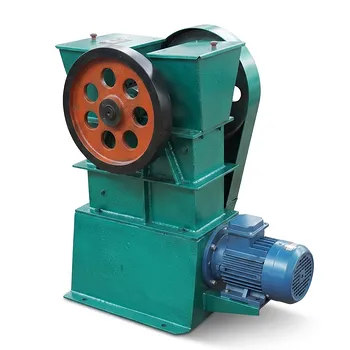
150×125mm Laboratory Jaw Crusher for Medium and Fine Crushing of Brittle Materials
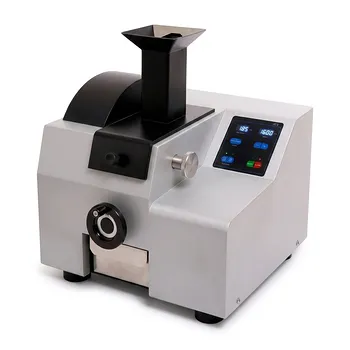
Laboratory Benchtop Jaw Crusher for Hard Brittle Materials Primary Size Reduction and Sample Preparation
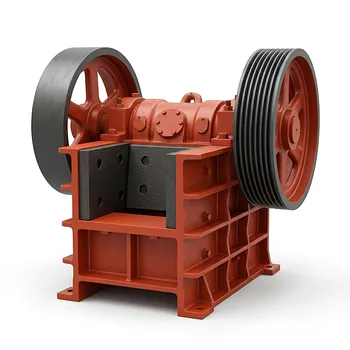
250x400 Jaw Crusher for Primary Crushing of Ores and Bulk Materials
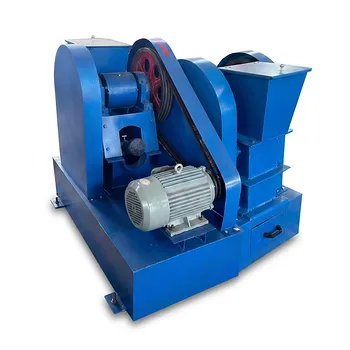
Horizontal Jaw Crusher Medium Hard Material Crushing Laboratory Sample Preparation Equipment
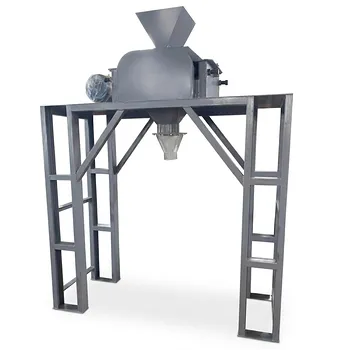
Heightened Customized Laboratory Double Roll Crusher for Coal Ore Rock Crushing
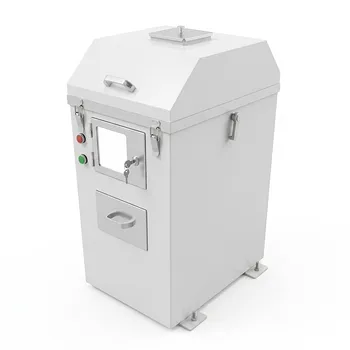
Sealed Double Roll Crusher for Laboratory Sample Preparation of Medium Hardness Materials
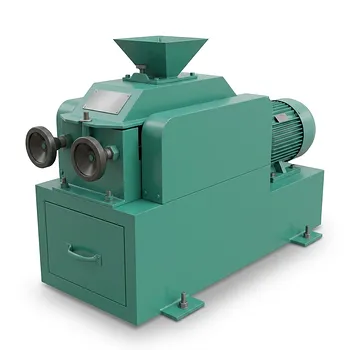
Horizontal Double Roll Crusher for Medium Fine Crushing of Coal Limestone and Ores
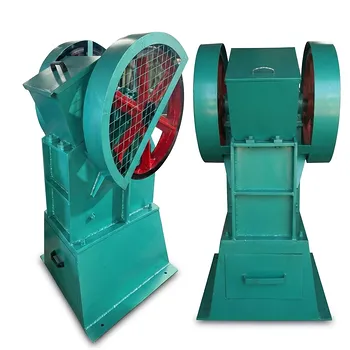
Sealed Jaw Crusher for Laboratory Material Crushing and Sample Preparation
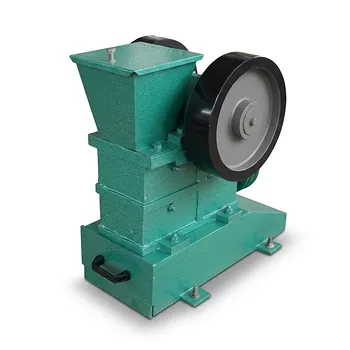
Laboratory Small Jaw Crusher 100x60mm
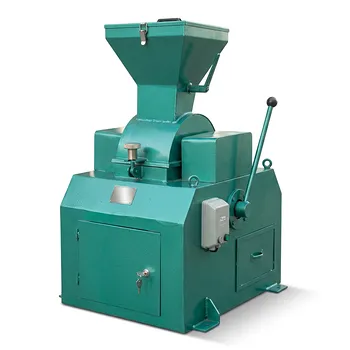
Laboratory Sealed Hammer Blade Crusher Divider for High Hardness Sample Preparation
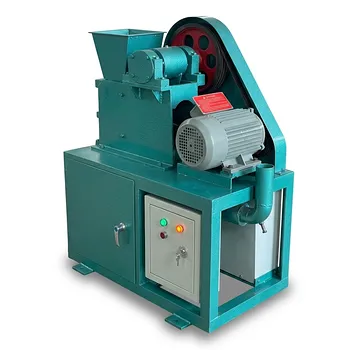
EP-B Type Sealed Jaw Crusher for Laboratory Sample Preparation